
Nestled firmly in the Mountain West region of the United States, Colorado stands out as a vibrant, rectangular jewel on the map. It’s a state defined by its dramatic landscapes, from the soaring peaks of the Rocky Mountains to its expansive eastern plains and rugged western plateaus. Often called the “Centennial State” because it joined the Union in 1876, one hundred years after the signing of the Declaration of Independence, Colorado offers an unparalleled blend of adventure, culture, and breathtaking natural beauty. For any traveler, understanding its geographical placement is the first step in unlocking the myriad of destinations, attractions, and experiences that await within its borders. Its central location makes it an accessible hub for exploring the broader American West, while its unique topography ensures a diverse range of activities, from world-class skiing to ancient historical sites, appealing to every kind of tourist and lifestyle.
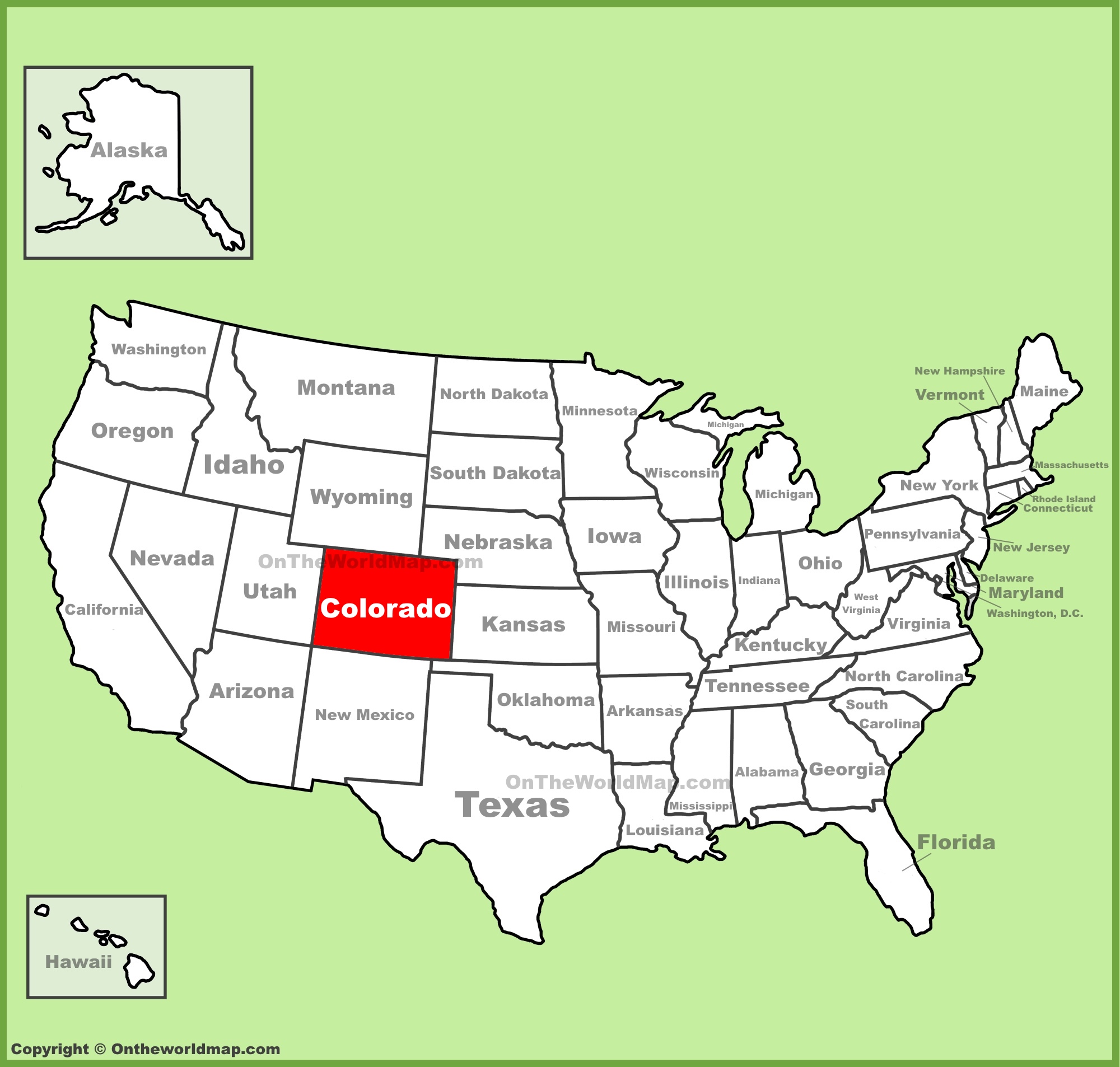
Locating Colorado: A Geographical Overview
To truly appreciate Colorado’s allure, one must first grasp its distinctive position and the geographical features that define it. It’s more than just a dot on a map; it’s a vast expanse where diverse ecosystems converge, offering a visual and experiential feast for visitors.
The Heart of the American West
Geographically, Colorado occupies a pivotal role in the American West, bordering seven other states. To its north lie Wyoming and Nebraska, while Kansas stretches along its eastern flank. To the south, it shares borders with Oklahoma and New Mexico, and its western neighbors are Utah and Arizona (at the famous Four Corners Monument, though it only touches Arizona at a single point). This central position makes it a natural crossroads for travel and tourism in the western United States. Its precise rectangular shape, a result of the 1859 gold rush and subsequent territorial organization, makes it easily identifiable on any map. This seemingly simple outline, however, belies an incredibly complex and varied interior, shaped primarily by its elevation and mountain ranges.
Diverse Landscapes: Mountains, Plains, and Plateaus
Colorado’s topography is arguably its most defining characteristic. Approximately half of the state is dominated by the majestic Rocky Mountains, which run north-south through its central and western portions. This includes the Continental Divide, a hydrological boundary that dictates whether water flows to the Atlantic or Pacific Ocean. Within these ranges are 58 peaks exceeding 14,000 feet in elevation, famously known as “fourteeners,” which draw hikers, climbers, and mountaineers from around the globe. The eastern third of the state is characterized by the high plains, an extension of the Great Plains, featuring rolling grasslands, agricultural lands, and a more arid climate. To the west, beyond the main mountain ranges, the landscape transforms into rugged canyons, mesas, and plateaus carved by ancient rivers, most notably the mighty Colorado River and its tributaries. This stark contrast in elevation and geological formations creates microclimates and ecosystems, offering everything from alpine tundra to desert landscapes, each with its own unique flora and fauna, making it an extraordinary destination for nature lovers and adventurers alike.
Iconic Cities and Must-Visit Destinations
Beyond its stunning natural geography, Colorado boasts a collection of dynamic cities and charming towns, each offering distinct cultural experiences, historical insights, and access to outdoor recreation. These urban centers serve as vital hubs for tourism, providing a comfortable base for exploring the surrounding natural wonders.
Denver: The Mile-High City
The state capital, Denver, proudly sits exactly one mile above sea level, earning its moniker “The Mile-High City.” As Colorado’s largest metropolitan area, Denver is a vibrant urban center that beautifully blends its pioneering past with a forward-thinking, modern lifestyle. Downtown Denver is a bustling hub, with attractions like the pedestrian-friendly 16th Street Mall, lined with shops, restaurants, and street performers. Culture enthusiasts will appreciate the world-class collections at the Denver Art Museum and the interactive exhibits at the Denver Museum of Nature & Science. Sports fans can catch a game at Coors Field or the Ball Arena, while families often flock to the Denver Zoo or Elitch Gardens Theme & Water Park. The city also serves as a perfect gateway to the Rocky Mountains, with numerous mountain towns and ski resorts just a short drive away. Denver’s thriving culinary scene, craft breweries, and diverse neighborhoods like LoDo (Lower Downtown) and RiNo (River North Art District) contribute to its reputation as a premier destination for both leisure and business travel.
Beyond Denver: Mountain Towns and Historic Hubs
While Denver anchors the eastern foothills, Colorado’s charm extends far into its mountainous and western regions. Colorado Springs, situated at the base of majestic Pikes Peak, is another major city renowned for its iconic natural landmarks, including the stunning red rock formations of Garden of the Gods, and as home to the United States Air Force Academy.
For those seeking the quintessential mountain lifestyle, Colorado offers an array of world-famous ski towns that double as summer adventure hubs. Aspen, Vail, Breckenridge, and Telluride are synonymous with luxury travel, pristine slopes, upscale dining, and vibrant arts scenes. These resorts provide not just exceptional skiing and snowboarding experiences, but also high-end hotels, boutiques, and a lively apres-ski culture.
Away from the intense slopes, towns like Boulder offer a unique blend of outdoor access and intellectual vigor, thanks to the University of Colorado. Fort Collins, in the north, is celebrated for its craft breweries and historic Old Town. In the southwestern corner, Durango captivates visitors with its Wild West heritage, offering rides on the historic Durango & Silverton Narrow Gauge Railroad through breathtaking canyons. Each of these destinations contributes to Colorado’s reputation as a diverse and engaging place to explore, promising unique attractions and experiences for every type of traveler.
Experiencing Colorado: Adventures and Attractions

Colorado’s appeal lies deeply in its promise of adventure and its wealth of natural and cultural attractions. It’s a state that invites participation, encouraging visitors to immerse themselves in its landscapes and rich heritage.
Outdoor Pursuits: From Skiing to Hiking
The state is an undisputed mecca for outdoor enthusiasts, offering a four-season playground. In winter, Colorado transforms into a snowy paradise, famous worldwide for its champagne powder and extensive ski resorts. Destinations like Breckenridge Ski Resort, Vail Ski Resort, Aspen Snowmass, and Telluride Ski Resort offer hundreds of miles of trails for skiing and snowboarding, alongside opportunities for snowshoeing, cross-country skiing, and ice climbing. The allure of untouched backcountry draws experienced adventurers, while family-friendly resorts provide lessons and amenities for all skill levels.
As the snow melts, Colorado’s mountains and forests burst into life, opening up a different set of adventures. Summer is prime time for hiking, with countless trails ranging from leisurely strolls to challenging climbs up fourteeners. Rocky Mountain National Park is a crown jewel, offering unparalleled scenic drives like Trail Ridge Road, abundant wildlife viewing, and a vast network of hiking paths. Mountain biking is immensely popular, with trails catering to every level, from scenic routes to thrilling downhill descents. White-water rafting on rivers like the Arkansas River and the Colorado River provides an exhilarating experience, while fly-fishing in pristine streams and lakes offers a more tranquil pursuit. Camping, rock climbing, and zip-lining further round out the extensive list of outdoor activities available, ensuring that every visitor finds their perfect adventure, connecting directly with the natural world and embracing a healthy, active lifestyle.
Cultural Immersion and Unique Attractions
Beyond its physical adventures, Colorado offers rich cultural experiences and unique attractions that reflect its diverse history and vibrant contemporary scene. One of the most iconic is the Red Rocks Amphitheatre near Morrison, a naturally formed, open-air concert venue renowned for its incredible acoustics and breathtaking panoramic views of Denver and the plains. Attending a concert here is often described as a spiritual experience, blending music with the majesty of nature.
For a journey back in time, Mesa Verde National Park, a UNESCO World Heritage Site in southwestern Colorado, preserves the exceptional archaeological heritage of the Ancestral Puebloan people, featuring elaborate cliff dwellings and ancient villages. It offers a profound look into a civilization that thrived in the region for centuries. Colorado is also dotted with numerous natural hot springs, providing perfect opportunities for relaxation and rejuvenation amidst stunning scenery. Resorts like Glenwood Hot Springs Resort combine therapeutic waters with luxurious amenities, catering to those seeking wellness and comfort. The state’s burgeoning craft beer and distillery scene is another cultural highlight, with tours and tastings available in cities like Denver and Fort Collins. From vibrant art districts to historic mining towns, Colorado offers a rich tapestry of experiences that blend its natural wonders with its human history and contemporary culture, making it a compelling destination for diverse interests.
Planning Your Colorado Adventure: Accommodation and Travel Tips
A well-planned trip ensures that you can fully immerse yourself in all that Colorado has to offer. Considering accommodation options and understanding local travel advice can significantly enhance your experience, aligning with your desired lifestyle and budget.
Choosing Your Stay: Hotels, Resorts, and Unique Accommodations
Colorado offers an incredibly diverse range of accommodation options, catering to every preference and budget, from luxury travel to budget-conscious family trips. In urban centers like Denver and Colorado Springs, you’ll find a wide selection of hotels, from international chains to boutique establishments. High-end options like the Four Seasons Denver provide unparalleled luxury and service, while historic gems like The Broadmoor in Colorado Springs offer a blend of elegance and tradition.
The state’s famed ski towns boast an abundance of resorts, often featuring ski-in/ski-out access, spas, fine dining, and comprehensive amenities. These resorts, such as those in Vail and Aspen, transition seamlessly into vibrant summer destinations, offering golf, hiking, and cultural events. For a more independent or long-term stay, vacation rentals, cabins, and apartments are popular choices, particularly for families or groups. These can be found nestled in mountain valleys, overlooking lakes, or within the heart of bustling towns. Additionally, for nature lovers, Colorado’s numerous national and state parks provide ample camping and glamping opportunities, allowing for an intimate connection with the outdoors. Whether you’re seeking five-star indulgence, a cozy family lodge, or a rustic escape, Colorado’s accommodation landscape ensures a comfortable and memorable stay.
Essential Travel Advice for a Memorable Trip
To make the most of your Colorado adventure, a few key travel tips can prove invaluable. Foremost among these is understanding altitude sickness. Many popular destinations, including Denver and the mountain towns, are at high elevations. It’s advisable to hydrate well, avoid excessive alcohol upon arrival, and take it easy for the first day or two to acclimatize.
Weather preparedness is also crucial; Colorado’s weather can be unpredictable, especially in the mountains, with conditions changing rapidly from sunny to snowy even in summer. Layered clothing is always recommended. For transportation, rental cars offer the most flexibility for exploring diverse regions, though Denver and some ski towns have efficient public transport systems.
Considering the best time to visit depends on your activities: winter for skiing, summer for hiking and rafting, and autumn for spectacular fall foliage. Booking accommodations and popular attractions in advance, especially during peak seasons, is highly recommended to secure your preferred options. Lastly, always practice Leave No Trace principles to preserve [Colorado](https://lifeoutofthebox.com/colorado]’s pristine natural beauty for future generations. By keeping these tips in mind, you can ensure your journey through the Centennial State is safe, enjoyable, and truly unforgettable.
In conclusion, Colorado’s prominent location in the American West, marked by the majestic Rocky Mountains and diverse landscapes, solidifies its status as a premier global travel destination. From the vibrant urban energy of Denver to the serene wilderness of its national parks, and from world-class ski resorts to historic cultural sites, the state offers an extraordinary array of experiences. Whether you seek thrilling outdoor adventures, peaceful retreats, a taste of luxury travel, or an immersion into rich history, Colorado provides an ideal backdrop for crafting unforgettable memories. Its unique blend of natural splendor, engaging activities, and diverse accommodation options makes it a compelling choice for any traveler planning their next escape, promising a journey filled with discovery, excitement, and awe-inspiring beauty.
LifeOutOfTheBox is a participant in the Amazon Services LLC Associates Program, an affiliate advertising program designed to provide a means for sites to earn advertising fees by advertising and linking to Amazon.com. Amazon, the Amazon logo, AmazonSupply, and the AmazonSupply logo are trademarks of Amazon.com, Inc. or its affiliates. As an Amazon Associate we earn affiliate commissions from qualifying purchases.