
Del Rio, Texas, a city that often evokes images of sun-drenched landscapes and a rich cultural tapestry, sits at a crucial nexus in the southwestern United States. Its strategic location along the international border with Mexico, overlooking the vast expanse of the Rio Grande, imbues it with a unique character and significance. Understanding where Del Rio is situated is key to appreciating its historical role, its economic drivers, and its appeal as a destination for travelers seeking an authentic border experience.
Geographical Positioning and Regional Context
Del Rio is nestled within the Val Verde County in the state of Texas. It is one of the westernmost cities in the U.S. state of Texas, specifically situated in what is often referred to as “South Texas,” though its geographical proximity to West Texas and its border location create a distinct regional identity. The city is approximately 150 miles west of San Antonio and roughly 200 miles west of Austin, the state capital. Its location is defined by its relationship with the international boundary and the natural features that shape this frontier.

Proximity to International Border and Mexico
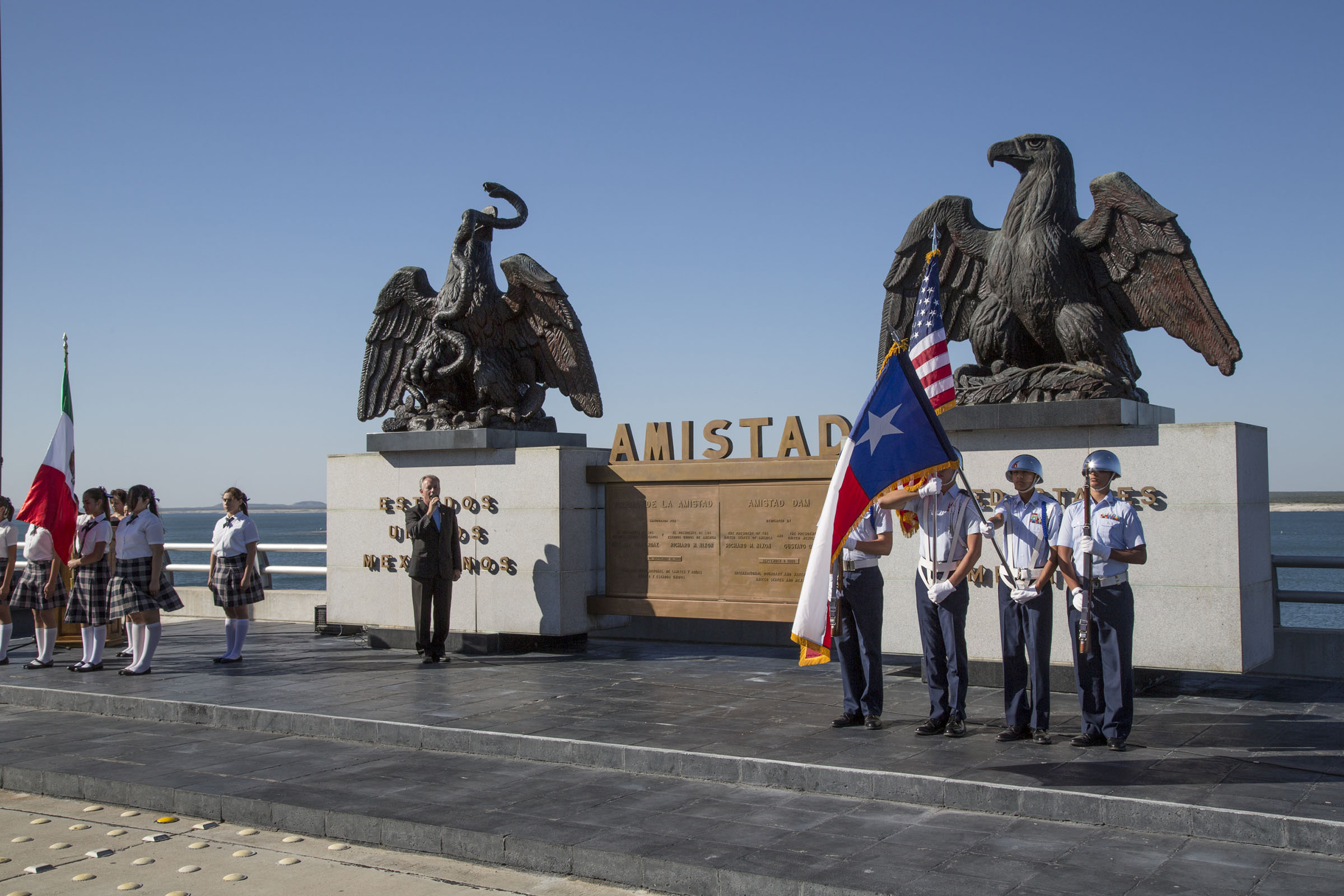
The most defining geographical characteristic of Del Rio is its direct adjacency to Ciudad Acuña, Coahuila, Mexico. The International Bridge of Amistad and the International Bridge of Del Rio serve as vital conduits for trade, travel, and cultural exchange between the two sister cities. This shared border is not merely a line on a map but a dynamic interface that influences the local economy, demographics, and daily life. The presence of the Amistad Dam, a significant international hydroelectric and water storage project on the Rio Grande, further solidifies its position as a gateway.
Topography and Natural Features
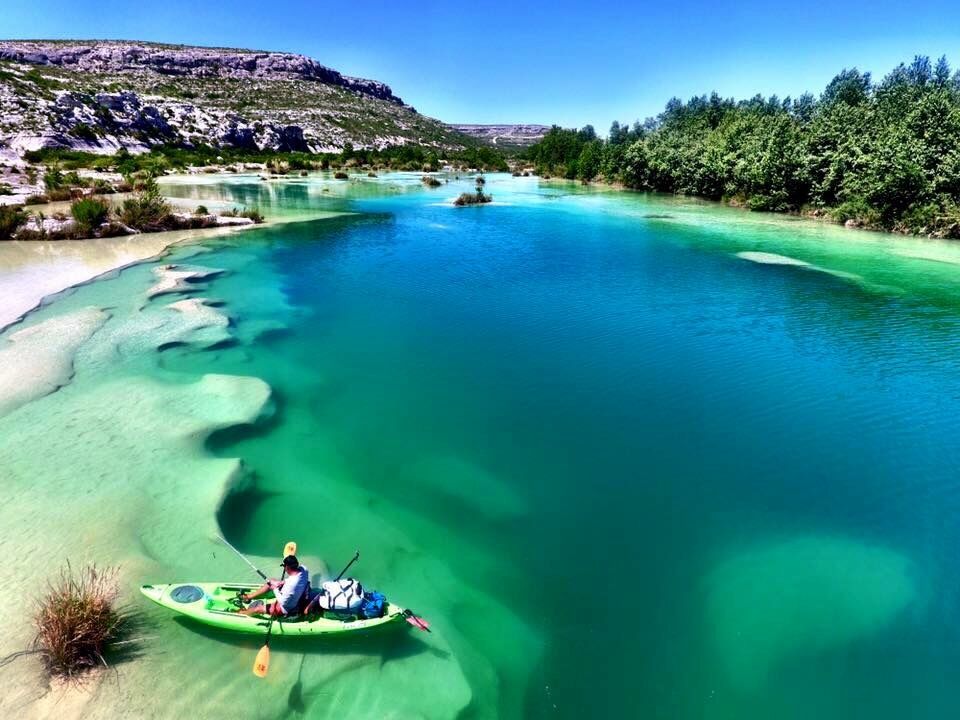
The terrain surrounding Del Rio is characteristic of the brush country of South Texas, transitioning into the more arid landscapes of West Texas. Rolling hills, mesquite trees, and a diverse array of native flora and fauna define the natural environment. The Edwards Plateau begins to influence the northern parts of Val Verde County, offering a slightly different geological character. The presence of the Devil’s River to the north, a stunningly clear and pristine river, adds another significant natural element to the region’s geography, attracting outdoor enthusiasts.
Transportation Networks and Accessibility
Del Rio’s location has been historically shaped by its accessibility, or sometimes, its relative inaccessibility, which has contributed to its unique development. Today, it is well-connected by a network of highways and has an active air traffic hub.
Major Roadways
The primary highway serving Del Rio is U.S. Highway 90, which runs east-west, connecting it to San Antonio and further west towards Big Bend National Park. Another critical artery is U.S. Highway 277, which heads north towards San Angelo and south to the border, providing a direct link to Mexican Federal Highway 2. These highways are essential for commerce, tourism, and the movement of people between the United States and Mexico. The city’s position at the intersection of these routes makes it a natural stopping point for many travelers exploring the vast expanse of southwest Texas.
Air and Rail Connectivity
Del Rio International Airport (DRT) provides commercial air service, connecting the city to larger hubs like Houston and Dallas. This access is crucial for business travelers and for facilitating tourism. While the city once had more extensive passenger rail service, its current connectivity is primarily focused on freight, reflecting its importance as a logistical center for cross-border trade.
Cultural and Economic Significance of Location
The geographical position of Del Rio profoundly influences its cultural identity and economic activities. It’s a place where two nations, two cultures, and two languages converge, creating a vibrant and dynamic community.
Border Town Dynamics
As a border town, Del Rio shares a unique relationship with Ciudad Acuña. This proximity fosters a bicultural environment characterized by the intermingling of Mexican and American customs, cuisine, and languages. The economic ties are substantial, with significant cross-border commerce and employment. This dynamic also means that Del Rio often plays a role in national discussions about border security, immigration, and international relations.
Economic Activities
The economy of Del Rio is influenced by its location in several key ways. Trade and logistics are paramount due to the border crossings. The presence of Val Verde Correctional Facility and other state facilities also contributes significantly to local employment. Tourism, driven by attractions like Lake Amistad and its cultural heritage, is another vital sector. Agriculture, particularly in cattle ranching and citrus, also plays a role, benefiting from the region’s climate. The city’s location makes it a regional hub for goods and services for a wide surrounding area that might otherwise be sparsely populated.
Exploring Del Rio and its Surroundings
Understanding Del Rio’s location is the first step to appreciating its potential as a travel destination. It offers a blend of natural beauty, historical depth, and vibrant border culture.
Key Attractions Tied to Location
- Lake Amistad National Recreation Area: Situated on the Rio Grande forming the border, this vast reservoir is a major draw for boating, fishing, camping, and water sports. Its accessibility from Del Rio makes it a prime recreational area. The Amistad Dam itself is an impressive feat of engineering.
- San Felipe Del Rio Historic District: This area reflects the city’s historical roots, showcasing architecture that tells the story of its development as a frontier settlement and a border crossing point.
- Eagle Pass: Approximately 50 miles east of Del Rio, Eagle Pass is another significant border city, offering further exploration of border town dynamics and its own unique attractions.
- Ciudad Acuña, Mexico: A short drive across the border, offering a taste of Mexican culture, shopping, and dining.
Travel Considerations
When planning a visit to Del Rio, knowing its location is essential for mapping out travel routes and understanding the climate. The region experiences hot summers and mild winters, typical of South Texas. Visitors should be prepared for warm temperatures year-round and the unique realities of border town life, including being aware of official crossing procedures and local customs. Its position off the major interstates means it requires a deliberate journey, making it a destination for those seeking something beyond the usual tourist trails.
LifeOutOfTheBox is a participant in the Amazon Services LLC Associates Program, an affiliate advertising program designed to provide a means for sites to earn advertising fees by advertising and linking to Amazon.com. Amazon, the Amazon logo, AmazonSupply, and the AmazonSupply logo are trademarks of Amazon.com, Inc. or its affiliates. As an Amazon Associate we earn affiliate commissions from qualifying purchases.