
Downtown Los Angeles (DTLA) is not just a point on a map; it’s a vibrant, multifaceted urban tapestry that has undergone a remarkable transformation in recent decades. Once characterized by its business-centric atmosphere and a perceived lack of residential appeal, DTLA has blossomed into a dynamic hub of culture, entertainment, dining, and living. For visitors and even many residents, understanding its geographical boundaries and the distinct neighborhoods that comprise it is key to unlocking its full potential.
Navigating the Geographic Heart of Los Angeles
Geographically, Downtown Los Angeles occupies a central position within the vast expanse of Los Angeles County. It serves as the historical core and the administrative, financial, and cultural epicenter of the city. While the precise boundaries can be somewhat fluid and debated depending on the context, a general consensus places DTLA within a roughly defined area bordered by the Hollywood Freeway (US-101) to the north and west, the Santa Monica Freeway (I-10) to the south, and the Golden State Freeway (I-5) to the east. This central location makes it an accessible starting point for exploring many of the region’s attractions.
The Evolving Definition of Downtown
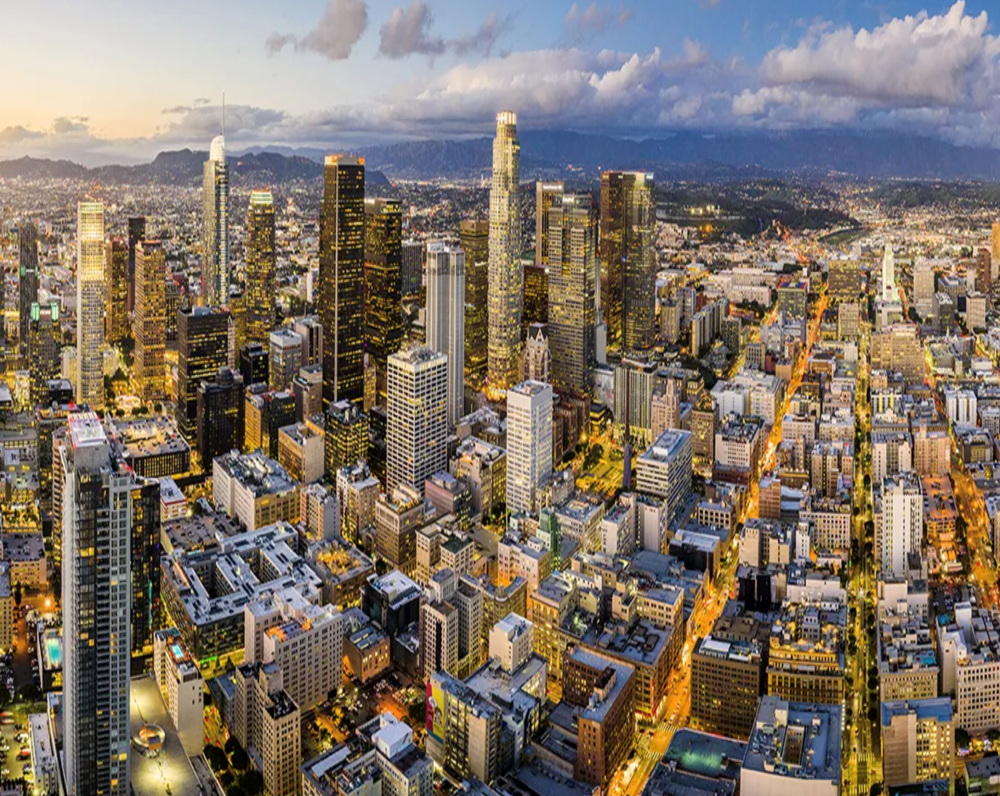
The concept of “downtown” in a sprawling metropolis like Los Angeles has always been a bit of a moving target. Historically, the concentration of financial institutions and corporate headquarters cemented its identity as a central business district. However, the narrative has significantly shifted. The rise of residential skyscrapers, the influx of arts and entertainment venues, and the revitalization of historic areas have blurred the lines, creating a more complex and integrated urban environment. What was once perceived as solely a place for daytime commerce now thrives around the clock, attracting a diverse population of residents and a growing number of tourists.
Key Districts and Their Characteristics
DTLA is not a monolithic entity. Instead, it is a mosaic of distinct neighborhoods, each possessing its own unique character, architectural style, and cultural offerings. Understanding these sub-districts is crucial for anyone looking to experience the true breadth of what Downtown Los Angeles has to offer.
Financial District
The heart of old DTLA, the Financial District is characterized by its soaring skyscrapers, home to major banks, law firms, and corporate offices. Iconic buildings like the U.S. Bank Tower and the Aon Center dominate the skyline. During weekdays, it buzzes with business activity, but evenings and weekends reveal a quieter side, though many upscale restaurants and bars cater to the professional crowd. It’s a testament to Los Angeles’s economic power and ambition.
Historic Core
Adjacent to the Financial District lies the Historic Core, a treasure trove of early 20th-century architecture. This area boasts beautiful Art Deco buildings, grand theaters like the Orpheum and the Los Angeles Theatre, and the iconic Bradbury Building. It’s a popular spot for film shoots and offers a nostalgic glimpse into the city’s past. The adaptive reuse of many of these historic structures into lofts, boutiques, and eateries has breathed new life into this part of DTLA.
South Park
South of the Financial District, South Park has emerged as a trendy residential and entertainment district. It’s known for its sleek apartment buildings, vibrant nightlife, and a plethora of dining options, from casual eateries to upscale restaurants. The Staples Center (now Crypto.com Arena), a major venue for sports and concerts, is a key landmark here, drawing large crowds and contributing to the area’s energetic atmosphere.
Arts District
Perhaps one of the most dynamic transformations in DTLA is evident in the Arts District. Situated east of the Historic Core, this former industrial zone is now a haven for artists, galleries, studios, and creative businesses. Its walls are adorned with impressive murals and street art, making it an open-air gallery. The district also boasts a burgeoning food scene, craft breweries, and unique boutiques, attracting a bohemian and innovative crowd.
Little Tokyo
A vibrant cultural enclave, Little Tokyo is one of the three remaining historic Japantowns in the United States. It offers a rich immersion into Japanese culture with its traditional architecture, serene gardens, authentic restaurants serving everything from sushi to ramen, and unique shops selling Japanese goods. The Japanese American National Museum is a significant cultural institution located here, preserving and sharing the history and contributions of Japanese Americans.
Bunker Hill
Overlooking much of DTLA, Bunker Hill is known for its civic institutions and cultural landmarks. Home to the Walt Disney Concert Hall, The Broad museum, the Museum of Contemporary Art (MOCA), and the Mark Taper Forum, it’s the city’s premier cultural destination. The area also features impressive modern architecture and provides elevated views of the surrounding cityscape. The Angels Flight Railway, a historic funicular, offers a charming ride up the hill.
Experiencing Downtown Los Angeles
The question “Where is Downtown Los Angeles?” extends beyond mere geography; it encompasses the experiences and attractions that define this urban core. For travelers, DTLA offers a rich and diverse array of opportunities for exploration and engagement.
Cultural Immersion and Artistic Exploration
DTLA is a burgeoning center for arts and culture, offering world-class institutions and vibrant street art.
Museums and Galleries
- The Broad: This contemporary art museum, known for its striking architecture, offers free general admission and houses an impressive collection of post-war and contemporary art.
- Walt Disney Concert Hall: An architectural marvel designed by Frank Gehry, this iconic venue is home to the Los Angeles Philharmonic and hosts a variety of performances.
- Museum of Contemporary Art (MOCA): With multiple locations, MOCA presents a broad spectrum of contemporary art, from the post-war era to the present day.
- Japanese American National Museum: Located in Little Tokyo, this museum is dedicated to preserving and sharing the history, culture, and achievements of Japanese Americans.
Street Art and Public Installations
The Arts District is a must-visit for art lovers, with its ever-evolving street art scene. Large-scale murals by renowned artists adorn building exteriors, transforming the neighborhood into an open-air gallery. Walking tours are a popular way to discover these vibrant works.
Culinary Delights and Gastronomic Adventures
The culinary landscape of DTLA is as diverse and exciting as the city itself, catering to every palate and budget.
Historic Eateries and Modern Cuisine

From the classic diners of the Historic Core to the innovative restaurants of South Park and the authentic flavors of Little Tokyo, DTLA offers a gastronomic journey. Grand Central Market, a historic food hall, is a particularly noteworthy destination, featuring a wide array of vendors offering global cuisines.
Craft Breweries and Cocktail Bars
The Arts District has become a hub for craft breweries, offering a chance to sample local brews in a relaxed atmosphere. The district, along with other parts of DTLA, also boasts a sophisticated cocktail scene, with numerous bars serving expertly crafted drinks.
Entertainment and Nightlife
DTLA’s transformation has also revitalized its entertainment and nightlife offerings.
Live Music and Performance Venues
Beyond the Walt Disney Concert Hall, DTLA is home to numerous venues hosting live music, comedy shows, and theatrical performances. The historic theaters in the Historic Core often host special events and concerts.
Sports and Events
The Crypto.com Arena in South Park is a major draw, hosting games for the [Los Angeles] Lakers, [Los Angeles] Clippers, and [Los Angeles] Kings, as well as major concerts and events.
Architectural Wonders and Urban Exploration
DTLA’s architecture tells a story of its development, from its early foundations to its modern renaissance.
Historic Architecture
Exploring the Historic Core reveals a stunning collection of Art Deco, Beaux-Arts, and Renaissance Revival buildings. The Bradbury Building, with its intricate ironwork and open-air atrium, is a particular highlight.
Modern Marvels
The skyline is punctuated by sleek, contemporary skyscrapers in the Financial District and around Bunker Hill. The iconic silhouette of the Walt Disney Concert Hall is a testament to modern architectural innovation.
Staying in Downtown Los Angeles
For those looking to fully immerse themselves in the DTLA experience, a variety of accommodation options are available, ranging from luxurious hotels to boutique stays.
Luxury Hotels
DTLA offers a selection of upscale hotels that provide comfort, style, and excellent amenities. Properties like The Ritz-Carlton, Los Angeles, and the InterContinental Los Angeles Downtown, offer stunning city views and a premium experience.
Boutique and Historic Stays
The revitalization of the Historic Core has brought about charming boutique hotels often housed in beautifully restored historic buildings. These offer a more intimate and characterful stay.
Extended Stays and Residential Options
With the increase in residential development, options for extended stays and serviced apartments are also becoming more prevalent, catering to longer-term visitors or those seeking a more home-like environment.
Practical Tips for Visiting Downtown Los Angeles
Understanding the layout and the distinct neighborhoods of DTLA is the first step to an enriching visit. Here are some practical tips to enhance your exploration.
Transportation
DTLA is well-served by public transportation, including the Metro Rail system, which connects various parts of the district and extends to other areas of Los Angeles. Ride-sharing services are also abundant, and for those inclined to explore on foot, many areas are quite walkable, especially within individual districts. Parking can be a challenge and expensive in certain areas, so utilizing public transport or ride-sharing is often recommended.
Best Time to Visit
DTLA’s attractions are generally accessible year-round. However, the experience can vary. Weekdays in the Financial District are bustling with business activity, while evenings and weekends offer a more relaxed atmosphere. Cultural events and festivals are often concentrated during specific times of the year, so checking local event listings can enhance your visit. The weather in Los Angeles is typically pleasant, but be prepared for warmer temperatures during summer months.
Exploring Neighborhoods
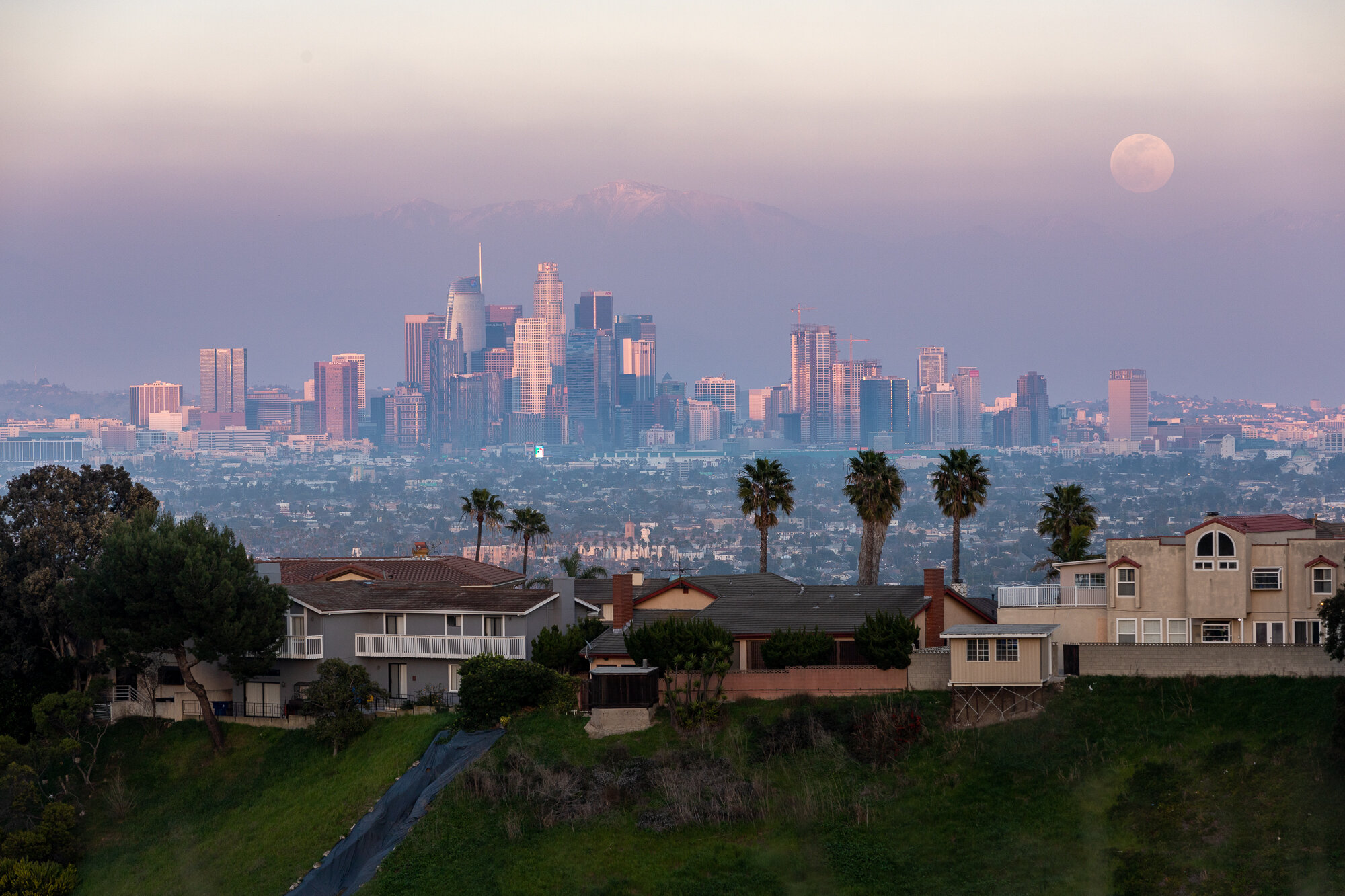
When planning your visit, consider dedicating time to explore specific neighborhoods. A day can easily be spent appreciating the art and food scene of the Arts District, while another can be dedicated to the cultural richness of Little Tokyo and the architectural splendor of the Historic Core. Mapping out your interests by district will help create a more organized and fulfilling itinerary.
In conclusion, Downtown Los Angeles is a dynamic and evolving urban center. It is a place where history meets modernity, where diverse cultures converge, and where endless possibilities for discovery await. From its towering skyscrapers to its hidden alleyways adorned with art, DTLA is a destination that rewards exploration and promises a captivating experience for every visitor.
LifeOutOfTheBox is a participant in the Amazon Services LLC Associates Program, an affiliate advertising program designed to provide a means for sites to earn advertising fees by advertising and linking to Amazon.com. Amazon, the Amazon logo, AmazonSupply, and the AmazonSupply logo are trademarks of Amazon.com, Inc. or its affiliates. As an Amazon Associate we earn affiliate commissions from qualifying purchases.