
For many, the name Dublin immediately conjures images of the vibrant capital of Ireland, rich with ancient history and lively pubs. However, across the Atlantic, nestled within the golden state of California, lies another distinct city bearing the same name: Dublin, California. Understanding its precise location is the first step in appreciating its unique character and strategic importance within the dynamic San Francisco Bay Area. This guide delves into where exactly Dublin, California can be found, exploring its geographical context, historical roots, local allure, and its role as a gateway to broader Californian adventures.

Unveiling Dublin, California’s Strategic Position
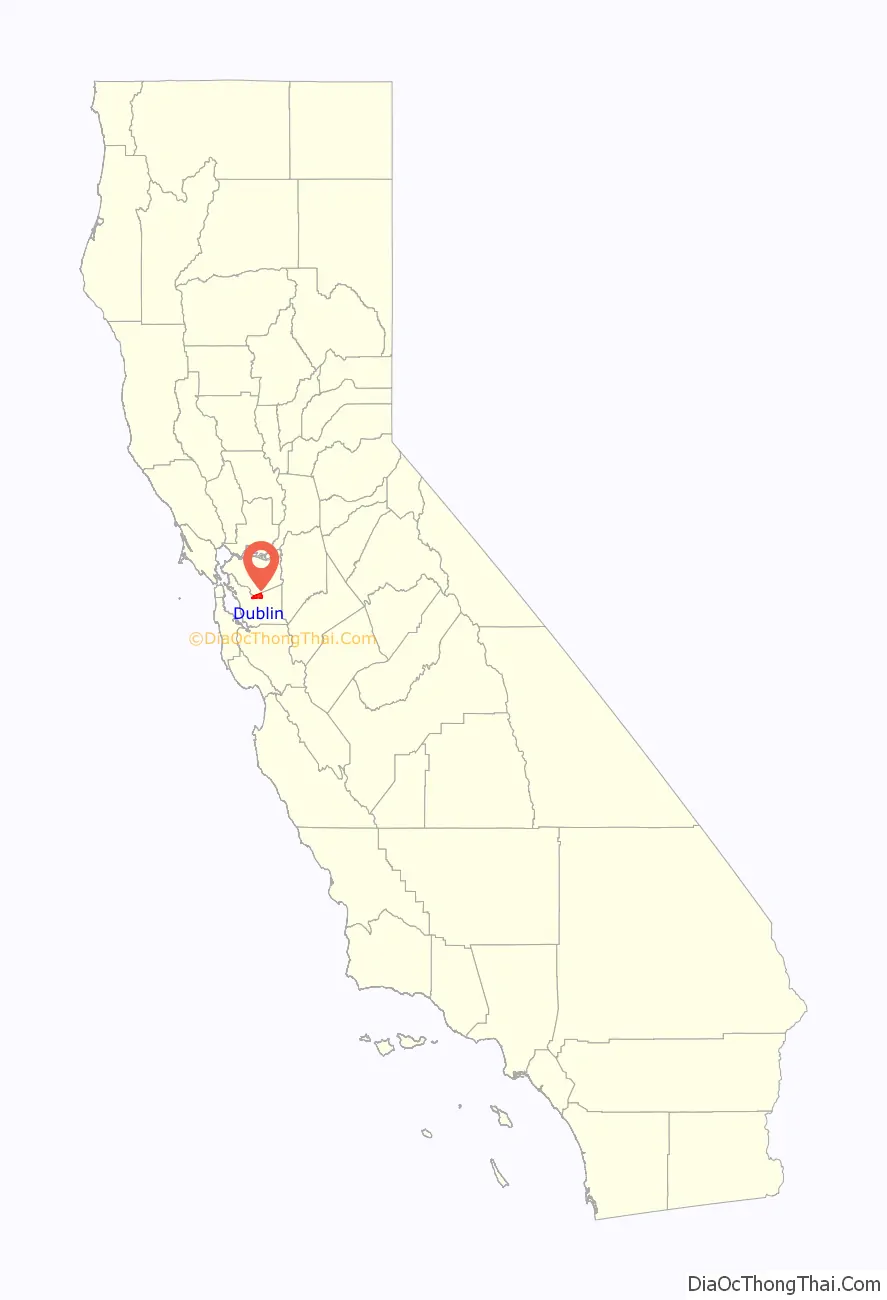
Dublin, California is situated in the eastern part of Alameda County, placing it squarely within the expansive and economically vital San Francisco Bay Area. More specifically, it is a key component of what is affectionately known as the Tri-Valley region, a prosperous suburban area that also includes the cities of Pleasanton and Livermore. Its location is not just geographical but also strategic, offering residents and visitors a compelling blend of suburban tranquility and convenient access to major urban centers and natural attractions.
Nestled in the Livermore Valley
The city benefits greatly from its position within the picturesque Livermore Valley. This valley, renowned for its viticulture and scenic landscapes, provides Dublin with a pleasant inland climate characterized by warm, dry summers and mild, wet winters, distinct from the foggier, cooler coastal areas of the Bay Area. The surrounding rolling hills and open spaces contribute to a quality of life that appeals to families and professionals seeking a balance between natural beauty and urban amenities. The valley’s agricultural heritage, particularly its wine country status, adds a unique flavor to the local environment, distinguishing it from other Bay Area communities.
Accessibility and Major Thoroughfares
One of Dublin, California’s most defining characteristics from a travel perspective is its exceptional accessibility. The city lies at the crucial intersection of two major interstate highways: I-580 and I-680. Interstate 580 serves as a primary east-west corridor, connecting Dublin directly to Oakland and the eastern span of the San Francisco–Oakland Bay Bridge to the west, and extending eastward towards the Central Valley. Interstate 680, running north-south, links Dublin with Concord and Walnut Creek to the north, and Fremont and San Jose to the south.
Beyond road networks, Dublin is also a significant hub for public transportation. The Bay Area Rapid Transit (BART) system has two stations within the city limits: Dublin/Pleasanton and West Dublin/Pleasanton. These stations provide seamless rail access to downtown Oakland, San Francisco International Airport, and many other Bay Area destinations, making it an ideal base for commuters and visitors alike who wish to explore the wider region without the hassle of driving.
Proximity to San Francisco Bay Area Hubs
Dublin’s central East Bay location means it is conveniently close to several major Bay Area economic, cultural, and technological centers. It’s approximately 35 miles east of downtown San Francisco, 25 miles east of Oakland, and about 30 miles north of San Jose. This proximity allows for easy day trips to world-class museums, vibrant dining scenes, professional sports venues, and leading tech campuses. For business travelers, Dublin offers a more affordable and relaxed alternative to staying directly within the core cities, while still providing rapid transit options to their workplaces.
A Rich History and Evolving Identity
While its modern facade showcases gleaming shopping centers and contemporary residential developments, Dublin, California boasts a history that stretches back to the mid-19th century, profoundly shaping its current identity. Understanding its past adds depth to appreciating this East Bay gem.
From Ranchland to Modern City
Prior to European settlement, the Livermore Valley was home to indigenous Ohlone people. In the Spanish and Mexican eras, the land became part of vast ranchos. The specific area that would become Dublin was primarily ranchland, characterized by rolling hills, oak groves, and fertile soil. The arrival of American settlers following the California Gold Rush in the mid-1800s transformed the landscape. Many hopefuls who didn’t strike it rich in the goldfields turned to farming and ranching, recognizing the rich agricultural potential of the Amador-Livermore Valley.
The crossroads of two major wagon roads, later to become modern interstates, became a natural stopping point and settlement area for these early pioneers. This strategic position, much like today, was crucial for its development. The community grew from a dusty crossroads into a bustling stagecoach stop, catering to travelers, ranchers, and farmers.
The Naming of Dublin
The city’s distinctive name is a direct homage to its early settlers. In the 1850s, two prominent Irish immigrants, George Dougherty and James Witt Peak, purchased land at the intersection of the main roads. Their influence, along with a significant influx of other Irish settlers, led the area to be informally known as “Dublin” by the 1860s, a nod to their homeland in Ireland. The name eventually stuck, officially recognized when the first post office was established. This Irish heritage is still celebrated today, most notably through its annual St. Patrick’s Day festivities, which draw crowds from across the Bay Area.
Growth and Development
For many decades, Dublin remained a small, agricultural community. Its significant growth spurt began in the post-World War II era, accelerating rapidly in the latter half of the 20th century, particularly after its incorporation as a city in 1982. This period saw massive residential development, driven by its attractive suburban lifestyle and growing accessibility to the expanding job markets in Oakland, San Francisco, and Silicon Valley. Today, Dublin is recognized as one of the fastest-growing cities in California, a vibrant and diverse community that has successfully blended its historical roots with modern amenities and a forward-looking vision.
Exploring Dublin’s Local Charms and Attractions
While often seen as a residential hub, Dublin, California offers its own array of local attractions and experiences that cater to both residents and visitors. Its carefully planned community features, green spaces, and growing commercial centers make it an appealing destination in its own right.
Parks and Recreation
The city takes pride in its extensive park system, offering numerous opportunities for outdoor enjoyment and family activities. Emerald Glen Park stands out as the crown jewel, a sprawling 48-acre facility featuring sports fields, a children’s playground, a water play area, and the impressive Dublin Wave Waterpark. Other notable parks include Kolb Park, known for its community events and sports facilities, and Shannon Park, providing peaceful green spaces for relaxation. These parks are not just recreational areas but also serve as important community gathering spots, hosting everything from youth sports leagues to outdoor concerts.
Shopping and Dining
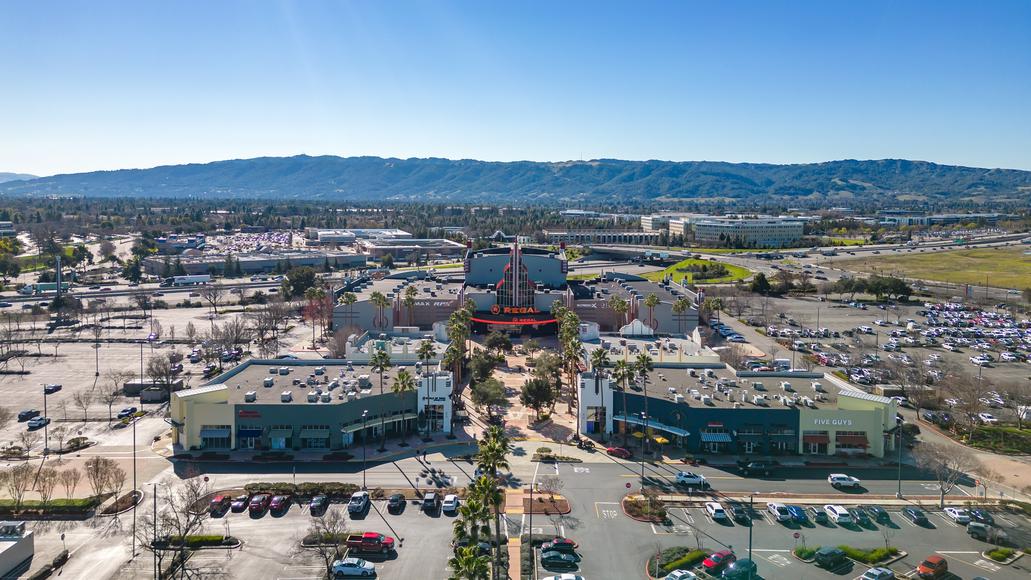
Dublin’s commercial landscape has flourished, offering a wide variety of shopping and dining options. Major retail centers like Hacienda Crossings Shopping Center and Dublin Pacific Plaza house a mix of national retailers, specialty boutiques, and diverse eateries. From casual cafes to upscale dining establishments, the culinary scene in Dublin reflects the diversity of its population, offering everything from authentic ethnic cuisine to classic American fare. These centers are more than just places to shop; they are community hubs where people gather, dine, and socialize.
Cultural and Community Events
Despite its relatively young incorporation, Dublin cultivates a strong sense of community through various annual events and cultural offerings. The most prominent is the annual St. Patrick’s Day Celebration, a multi-day festival featuring a parade, carnival rides, and Irish music and dance, drawing tens of thousands of visitors. Beyond this flagship event, the city hosts farmers’ markets, summer concert series, holiday celebrations, and art exhibits, all contributing to a vibrant local culture. The Dublin Heritage Park and Museums offer a glimpse into the city’s past, preserving historic buildings and telling the story of early Dublin life.
Beyond Dublin: Day Trips and Nearby Adventures
Dublin’s prime location makes it an excellent launchpad for exploring the wider wonders of Northern California. Its easy access to major highways and public transit opens up a wealth of possibilities for day trips and extended excursions.
Wine Country Explorations
Just a stone’s throw away, the Livermore Valley Wine Country beckons. As one of California’s oldest wine regions, it predates even Napa Valley in some respects. Visitors can spend a leisurely day touring dozens of wineries, enjoying tastings, and learning about the region’s pioneering winemaking history. Many wineries offer picturesque picnic spots and host events, making it a perfect escape for wine enthusiasts. The valley is particularly known for its Cabernet Sauvignon, Chardonnay, and Zinfandel.
Outdoor Escapes
For nature lovers, Dublin is surrounded by numerous regional parks and open spaces. Mount Diablo State Park, a prominent peak visible from much of the Bay Area, offers stunning panoramic views, hiking trails, and opportunities for rock climbing. Closer to Dublin, Pleasanton Ridge Regional Park and Las Trampas Regional Wilderness provide miles of trails for hiking, biking, and horseback riding, showcasing the rolling hills and diverse wildlife of the East Bay landscape. These natural havens provide a refreshing contrast to the urban bustle.
Bay Area City Highlights
The ease of access via BART or car means that the iconic cities of the Bay Area are all within reach. San Francisco with its Golden Gate Bridge, Alcatraz Island, and diverse neighborhoods, is an obvious draw. Oakland offers a vibrant arts scene, historic Jack London Square, and diverse culinary experiences. South of Dublin, San Jose, the capital of Silicon Valley, presents tech museums and a bustling downtown. Even further afield, but still manageable for a longer day trip, are the world-renowned Napa Valley and Sonoma Valley wine regions to the north, offering more premium wine-tasting experiences.
Why Visit Dublin, California?
The question “Where is Dublin, California located?” leads to a much broader understanding of its appeal as a travel destination. It’s not just a point on a map; it’s a strategically positioned city offering a multitude of benefits for various types of travelers.
A Perfect Blend of Suburban Comfort and Urban Access
Dublin offers the best of both worlds: the spaciousness, safety, and community-focused environment of a well-planned suburb, combined with unparalleled access to the economic and cultural engines of the San Francisco Bay Area. This makes it an attractive place for families looking for a relaxed vacation, business travelers seeking convenient and comfortable lodging, or anyone desiring a quieter base from which to explore the region.
A Gateway to Northern California’s Diverse Offerings
Its location at the nexus of major freeways and public transit routes transforms Dublin into an ideal gateway. From here, visitors can easily venture west to the iconic sights of San Francisco, north to the serene wine lands of Livermore Valley and beyond to Napa, east to the vast natural beauty of the Central Valley, or south to the innovation hubs of Silicon Valley. The sheer diversity of experiences available within a short drive or train ride is remarkable.
Ideal for Families, Business Travelers, and Explorers
Whether you’re a family looking for kid-friendly parks and easy access to attractions, a business professional needing a convenient and well-connected place to stay, or an independent explorer eager to discover the varied landscapes and cultures of Northern California, Dublin, California presents itself as a compelling choice. Its strategic location is more than just coordinates; it’s an invitation to experience the richness and diversity of one of the world’s most dynamic regions.
LifeOutOfTheBox is a participant in the Amazon Services LLC Associates Program, an affiliate advertising program designed to provide a means for sites to earn advertising fees by advertising and linking to Amazon.com. Amazon, the Amazon logo, AmazonSupply, and the AmazonSupply logo are trademarks of Amazon.com, Inc. or its affiliates. As an Amazon Associate we earn affiliate commissions from qualifying purchases.