
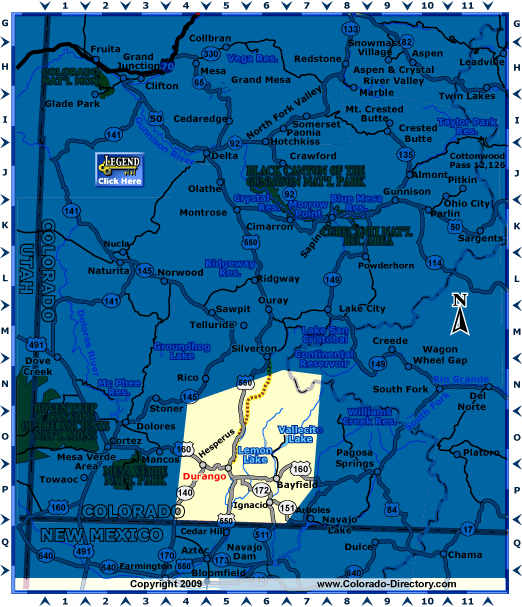
Durango, Colorado, is far more than just a dot on a map; it’s a vibrant nexus of natural beauty, rich history, and thrilling adventure, nestled deep within the majestic Rocky Mountains. For many travelers, the question “Where is Durango in Colorado?” serves as the initial spark, a gateway to discovering one of the state’s most captivating destinations. Located in the southwestern corner of Colorado, this charming city offers a unique blend of Old West heritage and contemporary outdoor pursuits, making it an irresistible magnet for those seeking both relaxation and exhilaration.
Geographically, Durango is situated in La Plata County, approximately 25 miles north of the New Mexico border, and at an elevation of about 6,512 feet (1,985 meters). Its strategic position places it at the heart of the San Juan Mountains range, an area renowned for its breathtaking alpine scenery, dense forests, and pristine rivers. This unique location allows Durango to serve as a perfect base camp for exploring a vast wilderness playground, while also providing easy access to cultural landmarks and charming small towns. Whether you’re a history buff, an outdoor enthusiast, or simply a traveler in search of scenic beauty, understanding Durango’s geographical context is the first step towards unlocking its myriad treasures.
Unveiling Durango’s Geographical Charm
The physical location of Durango plays a pivotal role in defining its character and the types of experiences it offers. Tucked away from the bustling Front Range cities like Denver and Colorado Springs, Durango presents a more rugged, authentic Colorado experience, deeply intertwined with the landscape that surrounds it.
Nestled in the San Juan Mountains
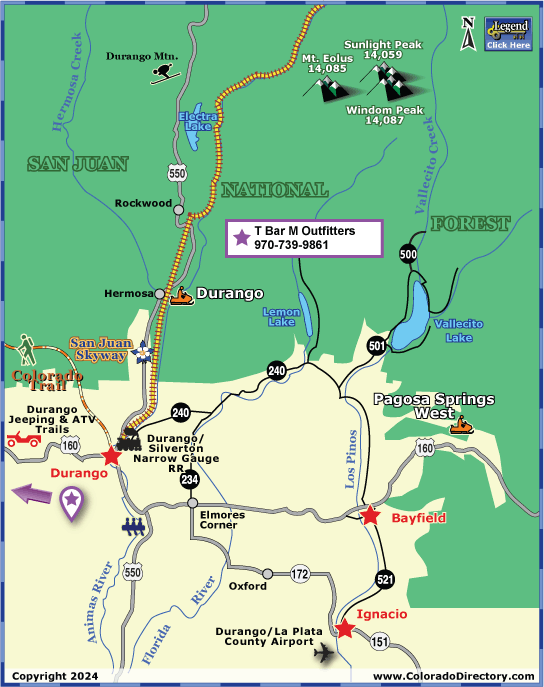
Durango’s most defining geographical feature is its embrace by the mighty San Juan Mountains. These mountains, a sub-range of the Rocky Mountains, are characterized by their towering peaks, some exceeding 14,000 feet, and their deep, verdant valleys carved by ancient glaciers. The town itself lies in the valley of the Animas River, a powerful waterway that flows south through the heart of the city, providing a picturesque backdrop and a vital resource for recreation. This mountainous setting blesses Durango with dramatic vistas in every direction, from the snow-capped peaks in winter to the vibrant green forests and golden aspen groves of summer and autumn. The relatively mild climate, compared to higher elevations, ensures year-round accessibility and a diverse range of activities. The surrounding national forests, including the San Juan National Forest, offer countless miles of trails for hiking, mountain biking, and horseback riding, placing pristine wilderness literally on the city’s doorstep.
A Gateway to the Southwest
Beyond its immediate mountainous surroundings, Durango’s location also positions it as a significant gateway to the broader American Southwest. Its proximity to New Mexico, Arizona, and Utah infuses the town with a distinct cultural flavor, blending Colorado’s mountain heritage with the rich traditions of the Four Corners region. This geographical intersection means that travelers can easily venture from Durango to explore iconic Southwestern landscapes and historical sites. The influence of Native American cultures, particularly the Ute and Navajo nations, is palpable, not just in the nearby archaeological sites but also in the arts, crafts, and general spirit of the region. This unique blend makes Durango more than just a mountain town; it’s a cultural crossroads, offering a deeper, more diverse travel experience for those who choose to explore its wider sphere of influence.
A Rich Tapestry of History and Heritage
Durango’s location isn’t just about natural beauty; it’s also a testament to a storied past that shaped the American West. The town’s historical roots are deeply intertwined with the forces that drove expansion and settlement in the late 19th century.
Roots in the Gold Rush and Railroad Era
The city of Durango was founded in 1880 by the Denver and Rio Grande Western Railroad to serve the burgeoning mining camps in the San Juan Mountains, particularly those around Silverton. The discovery of gold and silver in the rugged mountains to the north created a desperate need for a transportation hub, and Durango, with its accessible valley location along the Animas River, became that vital link. The railroad was instrumental in carrying ore out of the mountains and bringing supplies, people, and prosperity into the region. This era bequeathed Durango its iconic Durango and Silverton Narrow Gauge Railroad, which remains a living testament to its past. Riding this historic train through breathtaking canyons, alongside the Animas River, is not just a scenic journey but a step back in time, offering a tangible connection to the pioneers and miners who shaped this land. The well-preserved historic downtown, with its Victorian-era architecture, brick buildings, and gaslight-style streetlamps, further immerses visitors in the romance of the Old West.
Preserving Native American Legacies
Beyond the mining and railroad history, Durango’s location also places it in close proximity to a much older, profound human history: that of the Ancestral Puebloans and other indigenous peoples. Just a short drive west of Durango lies Mesa Verde National Park, a UNESCO World Heritage Site that preserves thousands of archaeological sites, including the remarkably well-preserved cliff dwellings built by the Ancestral Puebloans between 600 and 1300 CE. This unparalleled site offers an extraordinary window into a sophisticated ancient civilization, providing context for the deep indigenous roots of the Southwest. Durango serves as an ideal base for exploring Mesa Verde, allowing travelers to connect with the ancient past and understand the enduring legacies of Native American cultures in the region. The presence of these historical layers adds immense depth to the travel experience in Durango, enriching any visit with opportunities for reflection and learning.
Experiencing Durango: Beyond the Map Coordinates
Knowing where Durango is physically located is just the beginning. The true essence of this destination lies in the experiences it offers, shaped profoundly by its unique environment and history.
Adventure Awaits in Every Season
Durango’s location in the heart of the San Juan Mountains guarantees an abundance of outdoor adventures throughout the year. In winter, the proximity to world-class ski resorts makes it a prime destination for snow sports enthusiasts. Purgatory Resort, located just a short drive north, offers extensive skiing and snowboarding terrain, along with stunning mountain views. Beyond the slopes, winter visitors can enjoy snowshoeing, cross-country skiing, ice climbing, and snowmobiling in the surrounding national forests.
As the snow melts and the warmer months arrive, Durango transforms into a paradise for summer adventures. The Animas River, which flows directly through town, becomes a playground for whitewater rafting, kayaking, and tubing. The vast network of trails in the San Juan National Forest and around town caters to hikers and mountain bikers of all skill levels, offering routes from gentle riverside paths to challenging alpine ascents. Fishing in the Animas River and nearby lakes is another popular pastime. The dramatic San Juan Skyway, a scenic byway that loops through the surrounding mountains, is a magnet for scenic drives and motorcycle touring, offering unparalleled vistas of Colorado’s rugged beauty.
Downtown Durango: A Vibrant Hub
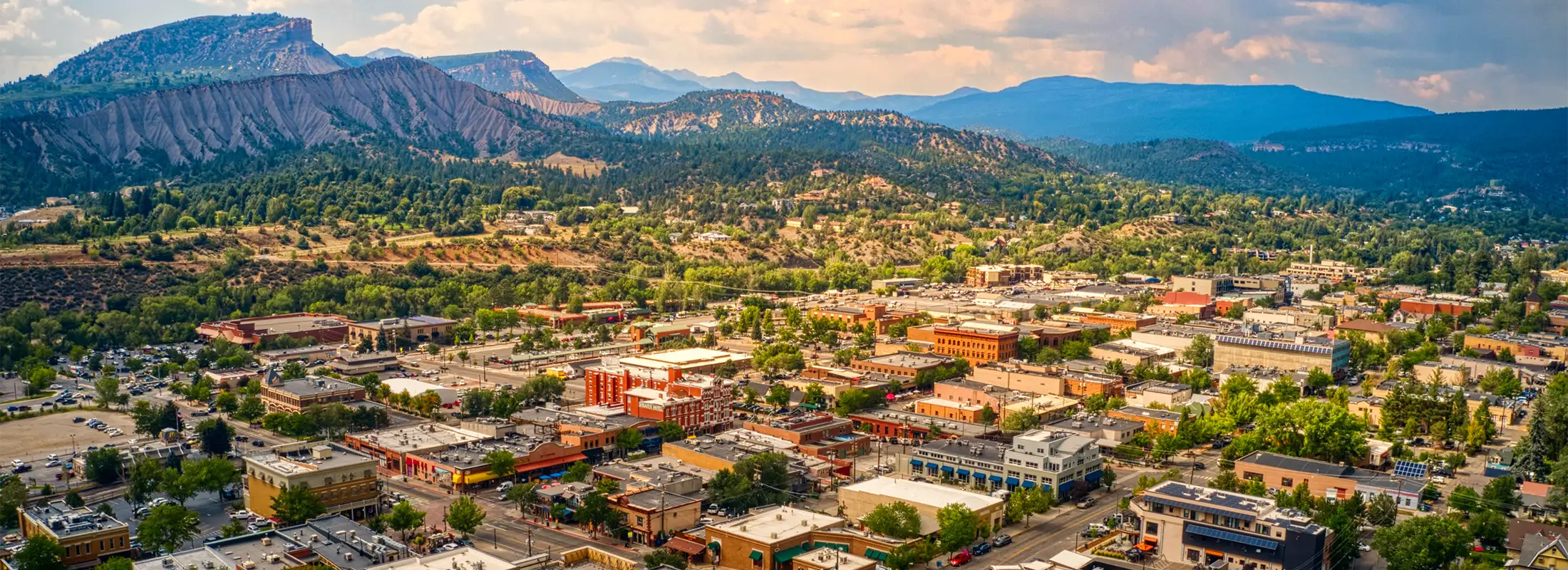
While the outdoor adventures are a major draw, Durango’s downtown area offers a vibrant urban experience that perfectly complements its wild surroundings. The historic district, recognized on the National Register of Historic Places, is a lively hub filled with unique shops, art galleries, and a diverse array of restaurants and breweries. Strolling along Main Avenue, visitors can admire the beautifully preserved Victorian architecture, browse for local crafts, or enjoy a meal at an establishment housed in a historic building. The local culinary scene thrives, offering everything from sophisticated fine dining to casual brewpubs, often highlighting local ingredients and Southwestern flavors. Durango also boasts a dynamic arts and culture scene, with live music venues, theaters, and numerous festivals held throughout the year. This blend of historic charm, modern amenities, and a strong sense of community makes downtown Durango an enjoyable and essential part of any visit, providing a perfect balance to the region’s rugged outdoor pursuits.
Planning Your Journey to Durango
Reaching Durango and making the most of your visit requires a bit of planning, influenced by its southwestern Colorado location and the seasonal variations it experiences.
Getting There: Roads, Rails, and Runways
Durango’s relative remoteness is part of its appeal, yet it remains accessible through various transportation methods. For those preferring to drive, Durango is primarily reached via US Highway 550, which connects it to points north (like Ouray and Montrose) and south (into New Mexico). The portion of US-550 north of Durango, known as the “Million Dollar Highway” between Silverton and Ouray, is one of the most scenic (and thrilling) drives in North America, offering breathtaking mountain passes and unparalleled views. However, this section can be challenging in winter due to heavy snow.
For air travelers, the Durango-La Plata County Airport (DRO) offers regional flights with connections to major hubs such as Denver, Dallas/Fort Worth, and Phoenix, making it convenient for national and international visitors. While there isn’t Amtrak service directly to Durango, the iconic Durango and Silverton Narrow Gauge Railroad provides a unique way to experience the mountainous terrain between Durango and Silverton, an attraction in itself rather than purely a mode of transportation. Planning your route, especially during winter months, is crucial to ensure a smooth and safe journey.
Best Time to Visit
The “best” time to visit Durango largely depends on the desired activities and experiences. Summer (June to August) is peak season, offering warm days perfect for hiking, biking, rafting, and riding the scenic railroad. The weather is generally pleasant, but afternoon thunderstorms are common. Autumn (September to October) is a spectacular time to visit, as the aspen trees turn brilliant shades of gold, creating stunning landscapes, especially along the scenic byways. It’s ideal for scenic drives, photography, and cooler hiking.
Winter (November to April) transforms Durango into a snowy wonderland, attracting skiers and snowboarders to Purgatory Resort and offering opportunities for other snow sports. The town itself maintains its charm, with cozy restaurants and festive events. Spring (April to May) is a shoulder season, characterized by melting snow, budding wildflowers, and fewer crowds, offering a quieter experience for those interested in early season hiking or fishing. Each season in Durango presents its own distinct beauty and array of activities, making it a year-round destination for diverse travelers.
In conclusion, Durango, Colorado, is strategically located in the majestic San Juan Mountains, offering a unique blend of natural beauty, rich history, and endless adventure. From its origins as a railroad town serving the mining industry to its present-day status as a premier outdoor recreation hub and cultural gateway to the Southwest, Durango stands as a testament to the enduring appeal of the American West. Its physical location dictates not only its stunning landscapes but also its historical narrative and the vibrant experiences available to every traveler who seeks to discover this remarkable corner of Colorado.
LifeOutOfTheBox is a participant in the Amazon Services LLC Associates Program, an affiliate advertising program designed to provide a means for sites to earn advertising fees by advertising and linking to Amazon.com. Amazon, the Amazon logo, AmazonSupply, and the AmazonSupply logo are trademarks of Amazon.com, Inc. or its affiliates. As an Amazon Associate we earn affiliate commissions from qualifying purchases.