
East New York, a vast and historically significant area within the borough of Brooklyn, often evokes a sense of place that is deeply rooted in the urban fabric of New York City. For those seeking to understand the multifaceted tapestry of this metropolis, grasping the geography and essence of East New York is crucial. This neighborhood, though not always a primary tourist destination, offers a compelling look into the city’s diverse communities, its evolving urban landscape, and a rich history that has shaped its identity.
Understanding the Geography of East New York
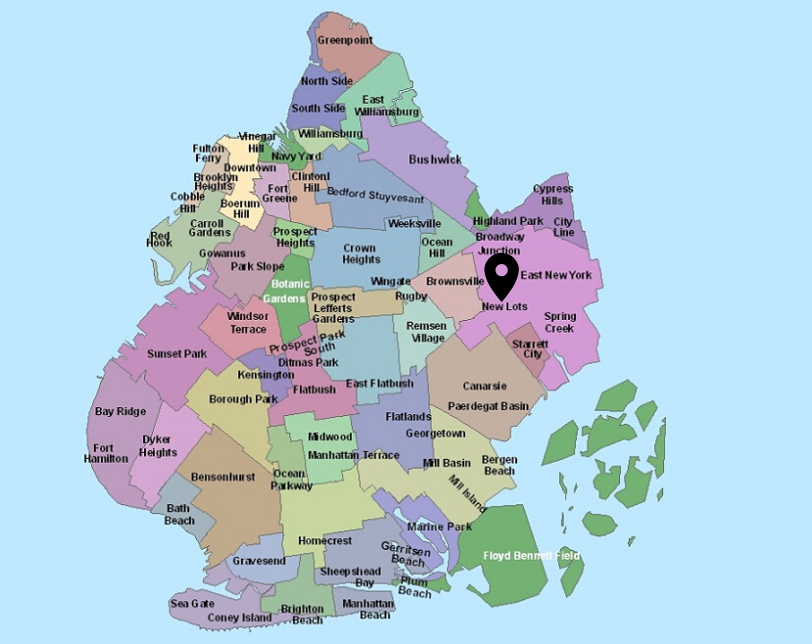
East New York is situated in the easternmost part of Brooklyn, bordering Queens to the east. Its boundaries are generally defined by the Atlantic Ocean to the south, Brownsville and Crown Heights to the west, and the Bushwick and Wyckoff Heights neighborhoods to the north. This expansive area encompasses several sub-neighborhoods, each with its own distinct character and historical trajectory. Prominent among these are Cypress Hills, Starrett City, and the areas surrounding Highland Park.

The area’s development has been shaped by its proximity to major transportation arteries, including the Jackie Robinson Parkway and various subway lines that connect it to the rest of the city. Historically, East New York was a region of farmland and estates before undergoing significant industrial and residential development in the late 19th and early 20th centuries. This period saw the construction of many of the apartment buildings and row houses that still characterize much of its housing stock today. The neighborhood’s size and its less prominent role in the traditional tourist circuits mean that many visitors to New York City might not have a clear understanding of its location or its significance.
Key Sub-neighborhoods and Their Character
- Cypress Hills: This section is known for its residential areas and the prominent Cypress Hills Cemetery, one of the largest cemeteries in New York City, serving as a historical landmark and a green space. The neighborhood’s population is diverse, reflecting the broader demographic shifts in Brooklyn.
- Starrett City (Spring Creek Towers): A large, self-contained housing complex, Starrett City is a unique entity within East New York, offering a glimpse into planned community living within the urban environment. Its design and scale set it apart from the more traditional streetscapes of neighboring areas.
- Highland Park: This extensive parkland serves as a significant recreational area for residents and offers sweeping views of the surrounding cityscape. It is a vital green lung within this densely populated part of Brooklyn and a testament to the city’s commitment to public spaces.
Historical Significance and Evolution
The narrative of East New York is intrinsically tied to the broader history of urbanization and immigration in America. Originally settled by Dutch colonists, the area saw gradual development through the 18th and 19th centuries. A pivotal moment in its history was the construction of the Brooklyn Eastern District (BEDT) railroad, which spurred industrial growth and attracted a wave of working-class families to the area.
The early 20th century witnessed a significant influx of immigrants, particularly from Eastern Europe and Ireland, who contributed to the neighborhood’s cultural and economic development. This era saw the establishment of numerous factories, businesses, and community institutions that formed the bedrock of East New York’s identity. Like many urban neighborhoods across the United States, East New York experienced periods of economic hardship and demographic change in the latter half of the 20th century. However, it has also demonstrated remarkable resilience, with ongoing efforts towards revitalization and community empowerment.
Waves of Immigration and Cultural Impact
- Early Industrial Era: The promise of industrial employment drew a diverse workforce, shaping the neighborhood’s early social and economic structure.
- Mid-20th Century Transformations: Subsequent waves of migration brought new cultural influences, further enriching the community’s mosaic.
- Contemporary Diversity: Today, East New York is home to vibrant communities from across the Caribbean, Latin America, and Africa, contributing to its dynamic cultural landscape.
Experiencing East New York Today: Beyond the Tourist Trail
While East New York may not feature prominently on the itineraries of most first-time visitors to New York, it offers a more authentic and immersive experience for those willing to venture beyond the well-trodden paths. The essence of East New York lies in its people, its vibrant street life, and its community-driven initiatives.
Culinary Exploration
The culinary scene in East New York is a reflection of its diverse population. One can find authentic flavors from various cultures, offering a delicious journey through global cuisines. From Dominican bakeries to Jamaican patty shops and Salvadoran pupuserias, the neighborhood provides an accessible and affordable way to explore international tastes. Small, family-owned restaurants and informal eateries are the heart of the local food scene, often serving dishes prepared with generations of culinary tradition.
- Dominican Flavors: Look for hearty dishes like sancocho and mofongo, often found in casual comedores.
- Caribbean Delights: Sample jerk chicken, curried goat, and roti from local Caribbean eateries.
- Latin American Staples: Discover the authentic taste of pupusas from El Salvador or empanadas from various South American countries.
Community and Cultural Hubs
The strength of East New York lies in its strong sense of community. Local community centers, churches, and cultural organizations play a vital role in the neighborhood’s social fabric. These institutions often host events, workshops, and gatherings that are open to residents and visitors alike, providing opportunities to connect with the local culture and people. Visiting a local farmers market on a weekend can offer a glimpse into the daily life of the neighborhood, with vendors selling fresh produce, artisanal goods, and prepared foods.
Parks and Green Spaces
Despite its urban setting, East New York is home to significant green spaces that serve as important recreational areas for its residents. Highland Park is a standout, offering walking trails, sports facilities, and stunning panoramic views of the Manhattan skyline and the surrounding boroughs. These parks provide a much-needed escape from the urban bustle and are central to the quality of life for the neighborhood’s inhabitants.
Navigating East New York
For those planning a visit to East New York, understanding how to get around is key. The neighborhood is well-served by public transportation, primarily the Metropolitan Transportation Authority (MTA) subway system and bus lines.
Public Transportation Access
Several subway lines, including the A, C, J, and Z trains, have stops within or near East New York. These lines provide direct access to other parts of Brooklyn, Manhattan, and Queens. Numerous bus routes also crisscross the neighborhood, connecting residents to local amenities and transit hubs. Using a MetroCard or the OMNY contactless payment system is the standard way to pay for fares.

Getting Around and Local Etiquette
When exploring East New York, it is advisable to be aware of your surroundings and to be respectful of local customs and residents. While generally safe, like any urban area, exercising common sense and staying informed about your location is always prudent. Engaging with local businesses and residents with an open and respectful attitude will undoubtedly lead to a more rewarding and authentic experience. Understanding the neighborhood’s history and its present-day realities can foster a deeper appreciation for this vital part of New York City.
East New York offers a distinct perspective on the American urban experience. It is a place where history, culture, and community converge, providing a rich tapestry for those seeking to understand the complexities and vibrancy of Brooklyn and the broader metropolitan area. By looking beyond the conventional tourist attractions, visitors can discover a neighborhood with a strong identity, a resilient spirit, and a compelling story to tell.
LifeOutOfTheBox is a participant in the Amazon Services LLC Associates Program, an affiliate advertising program designed to provide a means for sites to earn advertising fees by advertising and linking to Amazon.com. Amazon, the Amazon logo, AmazonSupply, and the AmazonSupply logo are trademarks of Amazon.com, Inc. or its affiliates. As an Amazon Associate we earn affiliate commissions from qualifying purchases.