
East Texas, a region often shrouded in a pleasant mystery for those not intimately familiar with the Lone Star State, is far more than just a geographical designation. It’s a vibrant tapestry woven with threads of Southern charm, rich history, and burgeoning natural beauty. Situated in the northeastern corner of Texas, this expansive area is a distinct cultural and ecological pocket within a state renowned for its diversity. Unlike the arid landscapes of West Texas or the bustling metropolises of Central Texas, East Texas beckons with rolling pine forests, sparkling lakes, and a palpable sense of community that harkens back to its deep Southern roots.
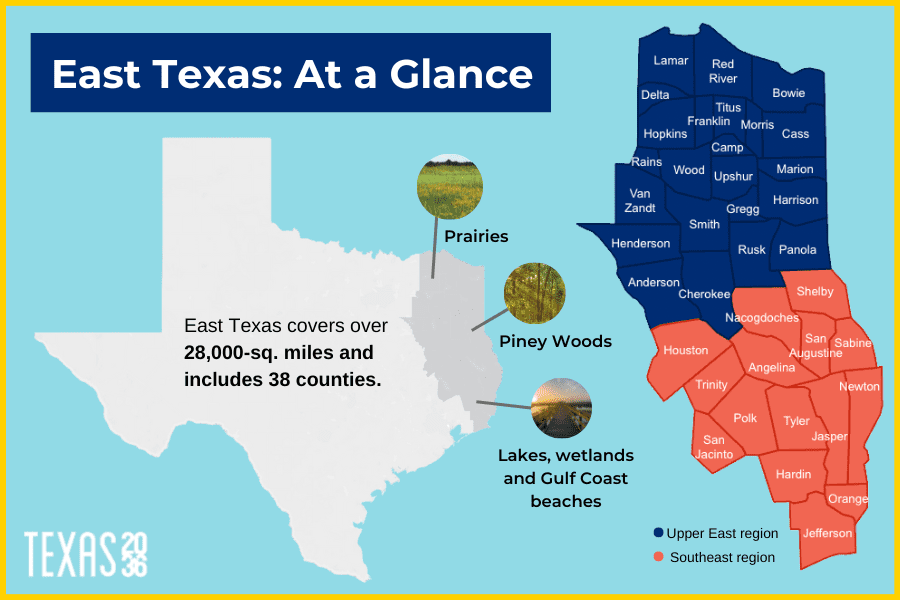
Understanding “Where Is East Texas?” requires a deeper dive than simply pointing to a spot on a map. It’s about understanding its geographical boundaries, its unique climate, and the cultural identity that sets it apart. This region is characterized by its verdant landscapes, a stark contrast to the more typical Texan imagery of ranches and deserts. The towering pine trees of the Piney Woods dominate the scenery, creating a serene and picturesque environment that draws in visitors seeking a more tranquil escape. The presence of numerous lakes, such as Lake Tawakoni and Caddo Lake, further enhances its appeal, offering abundant opportunities for recreation and relaxation.
The cultural milieu of East Texas is a fascinating blend of Southern hospitality and Texan grit. It’s a place where sweet tea flows freely, porch swings sway gently in the breeze, and the pace of life encourages genuine connection. The legacy of its past, from its role in the oil boom to its agricultural heritage, is etched into the landscape and the hearts of its people. This rich history is evident in its charming small towns, historic downtowns, and the preservation of traditions that continue to thrive.
Unveiling the Geographical Landscape of East Texas
The geographical definition of East Texas is key to understanding its identity. While precise boundaries can be debated and differ slightly depending on the context, it generally encompasses the area east of a line running roughly from the Dallas-Fort Worth Metroplex southward, extending to the Sabine River which forms a significant portion of the border with Louisiana. This places it squarely within the South Central United States, sharing cultural and ecological similarities with neighboring Southern states.
The defining characteristic of East Texas’s topography is the Piney Woods, a vast expanse of coniferous forests that is a significant departure from the rest of the state. This ecoregion is home to a diverse array of flora and fauna, creating a unique natural heritage. The rolling hills and dense forests provide a stark contrast to the flatter plains found elsewhere in Texas, offering a cooler, more humid climate that supports this lush environment. This verdant landscape is interspersed with numerous rivers and lakes, each contributing to the region’s ecological richness and recreational appeal.
The Piney Woods: A Verdant Frontier
The Piney Woods are the undisputed crown jewel of East Texas’s natural landscape. Stretching across approximately 25,000 square miles, this region is characterized by its dense forests of loblolly, shortleaf, longleaf, and slash pines, interspersed with hardwoods like oak and hickory. This ecological marvel is not just visually stunning; it plays a vital role in the region’s economy and identity. Historically, the timber industry was a cornerstone of East Texas, and while its prominence has evolved, the forests remain a central feature, offering breathtaking scenery and a sanctuary for wildlife.
The allure of the Piney Woods extends beyond their visual appeal. They are a haven for outdoor enthusiasts. Hiking trails wind through the dense foliage, leading to scenic overlooks and secluded spots perfect for reflection. The air is thick with the scent of pine, and the dappled sunlight filtering through the canopy creates a magical atmosphere. For birdwatchers, the region is a paradise, with numerous species making the forests their home. The presence of these vast woodlands also contributes to a perception of East Texas as a place of natural abundance and serene beauty, a welcome respite from the urban sprawl.
Lakes and Rivers: Lifelines of the East
Beyond the forests, East Texas is blessed with an abundance of water bodies. Numerous lakes and rivers snake through the landscape, serving as crucial resources for both the environment and its inhabitants. These waterways are not just scenic elements; they are vibrant hubs for recreation, offering opportunities for boating, fishing, swimming, and watersports.
Prominent among these is Caddo Lake, a natural lake and bayou system straddling the Texas-Louisiana border. Its Spanish moss-draped cypress trees and mysterious, ancient feel make it a unique and captivating destination. Visitors can explore its intricate network of waterways by kayak or boat, immersing themselves in a landscape that feels almost otherworldly. Another significant water feature is Lake Tawakoni, a popular reservoir known for its excellent fishing and recreational facilities. The presence of these extensive water systems significantly shapes the lifestyle and tourism offerings of East Texas.
Exploring the Heartbeat of East Texas: Culture and Attractions
The cultural fabric of East Texas is as rich and varied as its natural landscapes. This region is a melting pot of Southern traditions, Texan spirit, and a unique local flavor that is deeply ingrained in its communities. From its culinary delights to its historic sites, East Texas offers a captivating journey into a distinct way of life.
Culinary Delights and Southern Hospitality
East Texas cuisine is a flavorful reflection of its Southern heritage, with a distinct Texan twist. Expect hearty, comforting dishes that emphasize fresh, local ingredients. Barbecue, a Texas staple, is elevated here with unique regional variations, often featuring slow-smoked meats with a sweet and tangy sauce. Crawfish boils are a springtime ritual, bringing communities together for a festive and delicious experience.
Beyond barbecue and crawfish, the region boasts a strong tradition of home cooking. Fried chicken, collard greens, cornbread, and pecan pie are common fare, served with a generous dose of Southern hospitality. Many towns feature charming diners and cafes where you can experience authentic East Texas flavors. Don’t miss the opportunity to sample the fresh produce from local farms, particularly during the warmer months when fruit stands and farmers’ markets are abundant.
Historic Landmarks and Quaint Towns
The history of East Texas is deeply intertwined with its natural resources and its strategic location. The region played a significant role in the state’s development, from the early days of exploration to the oil boom that transformed its economy. This rich past is preserved in its numerous historic sites and charming towns, each offering a glimpse into a bygone era.

Nacogdoches, often referred to as the “Oldest Town in Texas,” is a prime example. Its historic downtown is a treasure trove of preserved architecture, unique boutiques, and museums that chronicle its extensive history. The Old Stone Fort Museum, a reconstruction of the original 1779 Spanish structure, stands as a testament to the town’s enduring legacy.
Another notable destination is Jefferson, a picturesque riverport town that experienced its heyday during the steamboat era. Today, its well-preserved Victorian architecture, antebellum homes, and cobblestone streets transport visitors back in time. Boat tours along the bayous offer a unique perspective on the town’s history and its connection to the waterways.
The Texas State Railroad offers a nostalgic journey through the East Texas landscape. Operating between Palestine and Rusk, these historic steam locomotives provide a scenic and memorable experience, showcasing the region’s natural beauty and its connection to transportation history.
Vibrant Cities and Gateway Destinations
While many associate East Texas with its small towns and natural beauty, it also includes several vibrant cities that serve as gateways to the region. Tyler, known as the “Rose Capital of America,” is famous for its annual Texas Rose Festival and its beautiful municipal rose garden. The city offers a blend of urban amenities, cultural attractions, and proximity to natural wonders.
Beaumont, situated near the Louisiana border, is another key city. It’s steeped in the history of the Texas oil boom, with attractions like the Spindletop-Gladys City Boomtown Museum offering a vivid portrayal of this transformative period. Beaumont also boasts a rich cultural scene, with museums, theaters, and a diverse culinary landscape.
These cities provide excellent bases for exploring the broader East Texas region, offering a range of accommodations, from luxury hotels to budget-friendly motels, and serving as hubs for accessing the diverse attractions that define “Where Is East Texas?”.
Planning Your East Texas Adventure
With its diverse offerings, East Texas presents a compelling destination for a variety of travelers. Whether you’re a nature enthusiast, a history buff, a foodie, or simply seeking a peaceful escape, this region has something to offer. Planning your trip involves considering the best time to visit, the types of accommodations available, and the specific activities that align with your interests.
Seasonal Charm and Best Times to Visit
East Texas experiences a humid subtropical climate, with hot summers and mild winters. The spring and fall seasons are generally considered the most pleasant times to visit. In the spring (March-May), the landscape bursts into bloom, with wildflowers dotting the countryside and the azaleas in full glory, particularly around Tyler. The temperatures are mild, making it ideal for outdoor activities.
Fall (September-November) brings a welcome crispness to the air, with vibrant fall foliage painting the Piney Woods in hues of red, orange, and yellow. This season is perfect for hiking, exploring charming towns, and enjoying festivals. Summers can be quite hot and humid, but they are ideal for enjoying the region’s numerous lakes and water-based activities. Winters are generally mild, with occasional cool fronts, offering a quieter, more serene experience for those who prefer to avoid the crowds.
Accommodation Options for Every Traveler
East Texas offers a wide spectrum of accommodation choices to suit every budget and travel style. For those seeking a luxurious experience, several upscale hotels and resorts are available in the larger cities like Tyler and Beaumont. These often feature amenities such as swimming pools, on-site dining, and spa services.
The region is also dotted with charming bed and breakfasts, particularly in historic towns like Jefferson, offering a more intimate and personalized lodging experience. For families or longer stays, vacation rentals, including cabins and apartments, are readily available, providing a home-away-from-home feel with the flexibility to cook meals and spread out.
Budget-conscious travelers will find numerous motels and chain hotels scattered throughout the region, providing clean and comfortable accommodations. For those looking for a truly immersive nature experience, camping and RV parks are abundant, especially near the state parks and lakes, offering direct access to the outdoors.
Activities and Experiences to Cherish
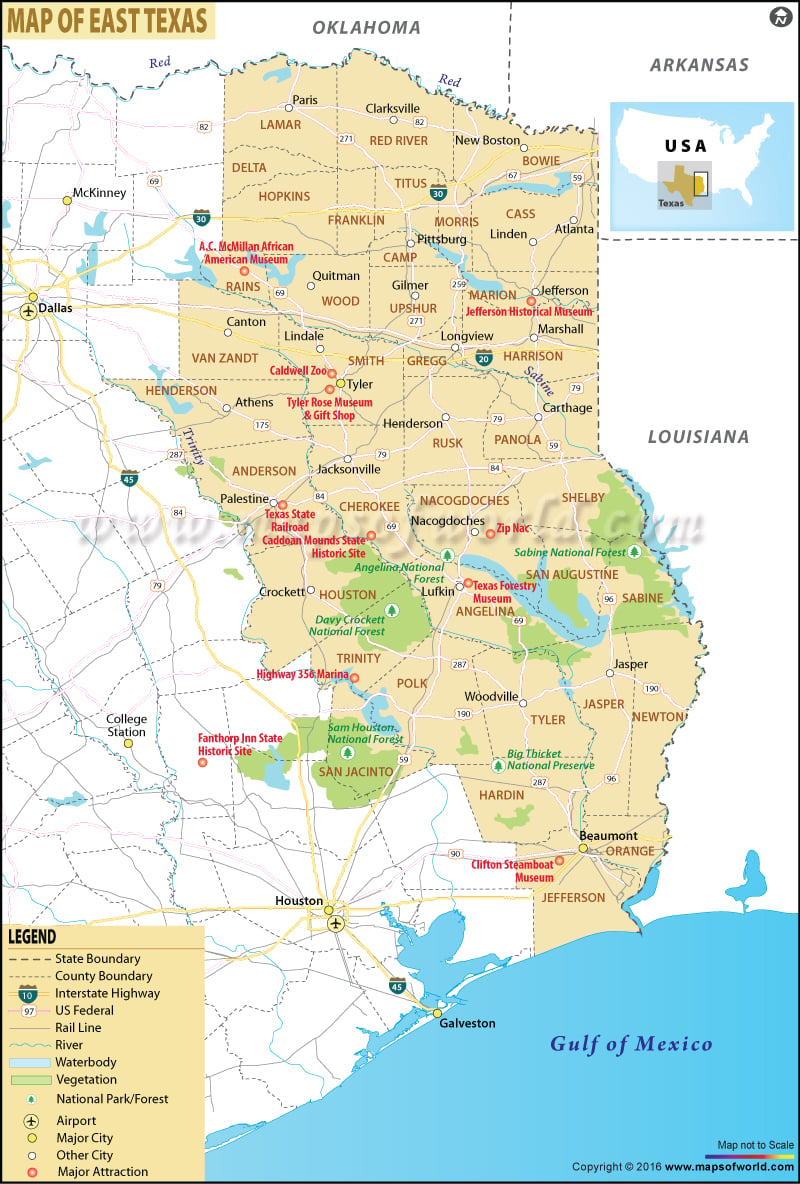
The activities available in East Texas are as diverse as its landscape. Nature lovers can explore the numerous state parks, such as Davey Crockett National Forest and Mission Tejas State Park, offering hiking, camping, and wildlife viewing opportunities. Fishing and boating are popular pastimes on lakes like Lake Livingston and Lake Sam Rayburn.
History enthusiasts can delve into the past at sites like the Texas Ranger Hall of Fame and Museum in Waco (though often considered central, its proximity makes it a worthwhile mention for those exploring the broader region), or explore the historic districts of towns like Jefferson and Nacogdoches. For a unique cultural immersion, attend a local festival, enjoy live music at a honky-tonk, or simply savor the slow-paced charm of a small-town café.
Whether you’re drawn by the allure of the Piney Woods, the charm of its historic towns, or the warmth of its people, East Texas offers a distinct and rewarding travel experience. Understanding “Where Is East Texas?” is the first step towards uncovering the hidden gems of this captivating corner of the Lone Star State.
LifeOutOfTheBox is a participant in the Amazon Services LLC Associates Program, an affiliate advertising program designed to provide a means for sites to earn advertising fees by advertising and linking to Amazon.com. Amazon, the Amazon logo, AmazonSupply, and the AmazonSupply logo are trademarks of Amazon.com, Inc. or its affiliates. As an Amazon Associate we earn affiliate commissions from qualifying purchases.