
The East Village is one of the most vibrant, storied, and recognizable neighborhoods in New York City. Located in the borough of Manhattan, it serves as a cultural crucible where history, bohemian spirit, and modern urban living collide. For visitors and locals alike, pinning down the exact geography of this neighborhood can be slightly confusing because it is not an official administrative district, but rather a distinct community defined by its character and history.
Defining the Boundaries of the East Village
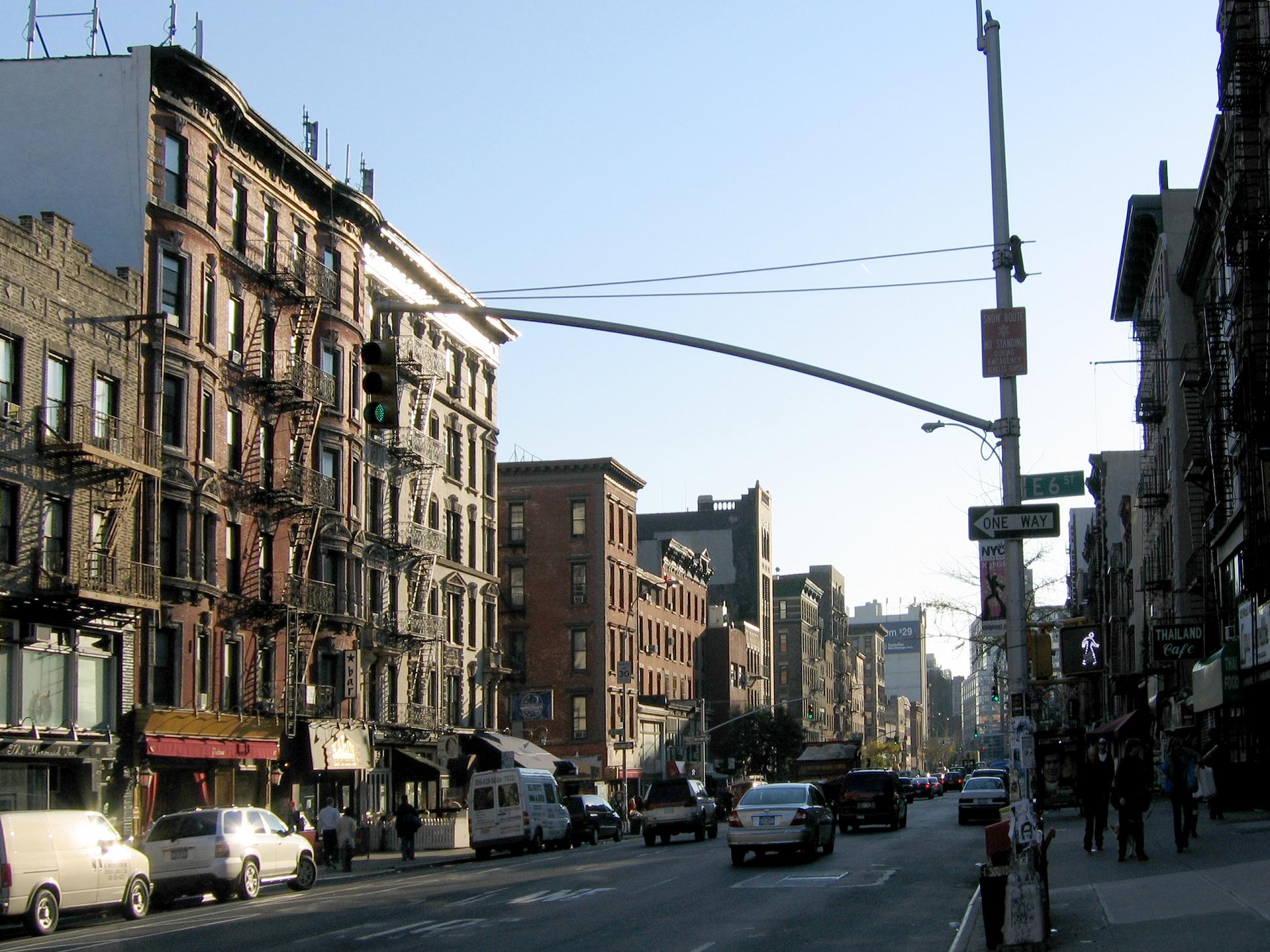
To understand where the East Village is located, one must look at the grid of lower Manhattan. The neighborhood is generally bordered by 14th Street to the north, which separates it from Gramercy Park. To the south, the neighborhood transitions into Houston Street, which serves as the traditional dividing line between the East Village and the Lower East Side.
The Western and Eastern Edges
The western boundary is typically marked by Third Avenue or The Bowery. Beyond this line, you find the historic Greenwich Village. To the east, the neighborhood extends all the way to the East River, offering scenic views and public spaces such as East River Park. This stretch of land, nestled between the river and the busier commercial avenues, gives the neighborhood its unique sense of being slightly removed from the frenetic pace of Midtown Manhattan.
Distinguishing from the Lower East Side
Many newcomers often confuse the East Village with the Lower East Side. Historically, the two were considered part of the same Lower East Side cultural umbrella. However, during the 1960s, the East Village began to develop a distinct identity as an epicenter for artists, poets, and musicians who sought cheaper rent and a more experimental atmosphere than what was found in the then-gentrifying Greenwich Village. Today, the East Village is widely regarded as its own enclave, possessing a higher concentration of independent boutiques, experimental theaters, and eclectic dining establishments.
A Legacy of Bohemian Culture and History
The geography of the East Village is inseparable from its history. This is the neighborhood where the punk rock movement flourished in the 1970s at legendary venues like CBGB, and where generations of writers and activists have gathered in community gardens and dim-lit cafes.
The Evolution of Tompkins Square Park
At the heart of the neighborhood lies Tompkins Square Park. This iconic green space acts as the anchor for the entire area. It is more than just a park; it is a symbol of the neighborhood’s grit and community spirit. Throughout the 20th century, the park was a focal point for social movements, protests, and local festivities. Today, it remains a bustling hub where locals walk their dogs, skateboarders practice, and residents gather to enjoy the atmosphere that makes the East Village so singular.

St. Marks Place: The Pulse of the Neighborhood
If the East Village has a main artery, it is St. Marks Place. Running from Third Avenue to Avenue A, this street is famous for its dense collection of vintage shops, record stores, and hole-in-the-wall eateries. It is a place that captures the counter-cultural aesthetic of the 1980s while seamlessly blending into the trendy, modern New York City landscape of today. A stroll down this street provides an instant education on the neighborhood’s soul.
Navigating the Neighborhood: Transportation and Layout
Getting to the East Village is relatively straightforward, thanks to the robust transit system of New York City. While it lacks the massive transit hubs found in Midtown Manhattan, it is well-served by several subway lines.
Subway Accessibility
- The L Train: The L Train provides crucial cross-town access, with stops at First Avenue and Third Avenue, making it easy to travel between Brooklyn and Manhattan.
- The 6 Train: Running up and down the east side, the 6 Train services the nearby Astor Place station, offering quick connections to the rest of the city.
- The F Train: The F Train provides access via the Second Avenue station, situated on the southern end of the neighborhood.
Walking and Exploration
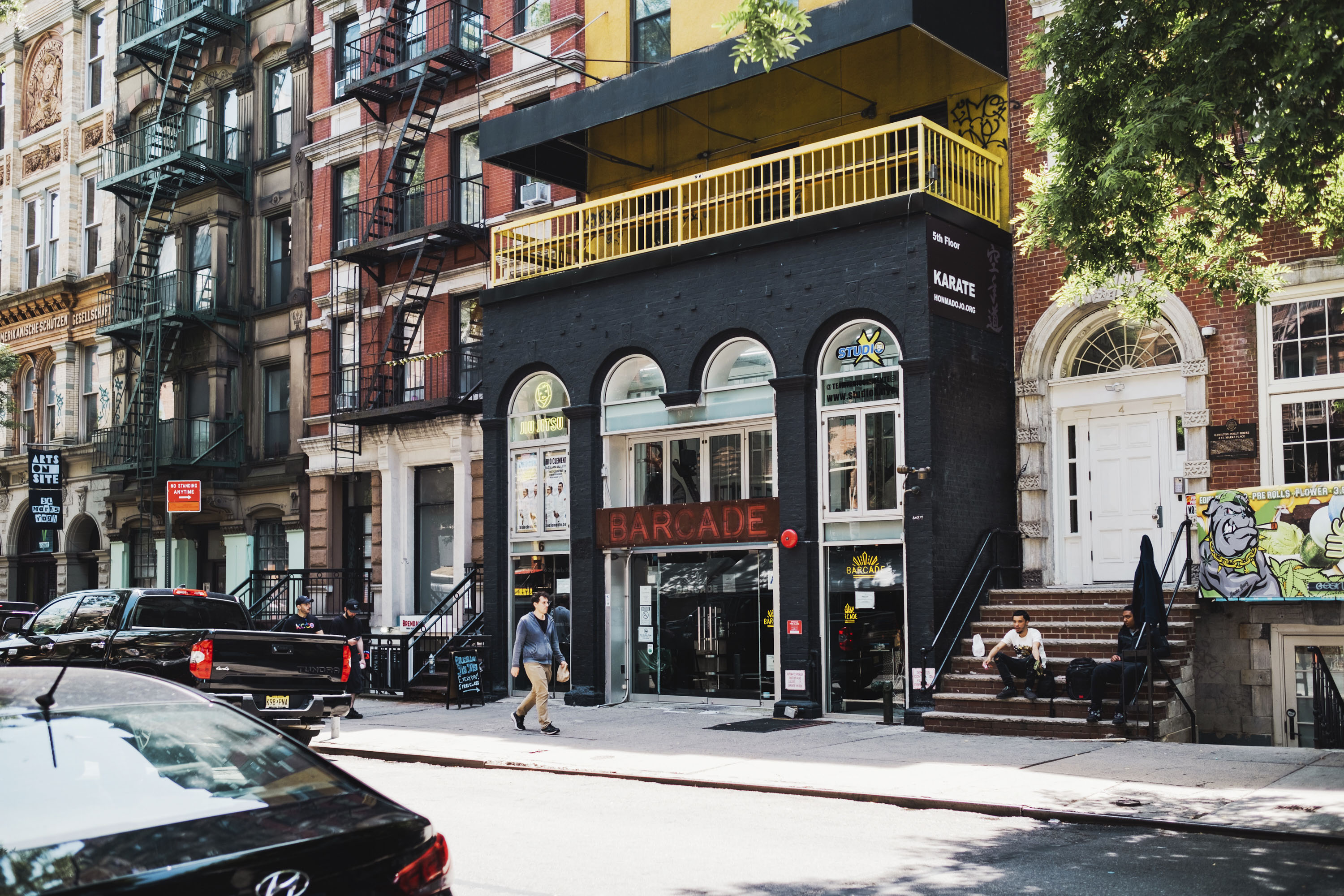
The best way to truly experience the East Village is by foot. Unlike the wide, sterile boulevards found in parts of Midtown Manhattan, the East Village features tree-lined side streets and historic architecture. Architecture buffs will appreciate the tenement buildings that dominate the landscape, many of which now house renovated apartments, popular bars, and art galleries. By walking from Avenue A over to Avenue D, visitors can witness the gradual transition from the bustling, tourist-friendly streets near the Bowery to the quieter, more residential areas near the East River.
Why the East Village Remains a Top Destination
Despite the steady march of gentrification, the East Village has managed to retain its sense of mystery and edge. It remains one of the few places in Manhattan where you can experience a world-class culinary scene ranging from Japanese izakayas to traditional Ukrainian diners, all within the span of a few city blocks.
A Culinary Melting Pot
The food culture in the East Village is perhaps its strongest draw. It is home to an incredible concentration of restaurants, bars, and cafes. From the famous Veselka to the innovative small plates at high-end gastropubs, the neighborhood caters to every palate. This culinary diversity is a reflection of the area’s history as a landing spot for waves of immigrants, including Polish, Ukrainian, and Jewish communities that left their mark on the local cuisine.
The Enduring Spirit of Creativity
The East Village continues to be an incubator for the arts. Whether it is through the small, independent theaters performing off-off-Broadway plays or the street art murals that frequently change along the brick facades, the neighborhood rewards the curious traveler. It is a place that does not merely exist as a backdrop for tourism; it is a functioning, breathing community that invites participation. When you ask, “Where is the East Village?” the answer is more than just a set of coordinates—it is a location defined by the stories told, the food shared, and the history preserved on every corner. It stands as a testament to the idea that New York City is a city of neighborhoods, each with a personality entirely its own.
LifeOutOfTheBox is a participant in the Amazon Services LLC Associates Program, an affiliate advertising program designed to provide a means for sites to earn advertising fees by advertising and linking to Amazon.com. Amazon, the Amazon logo, AmazonSupply, and the AmazonSupply logo are trademarks of Amazon.com, Inc. or its affiliates. As an Amazon Associate we earn affiliate commissions from qualifying purchases.