
Nestled in the shadow of the majestic Rocky Mountains and just a stone’s throw from the vibrant urban hub of Denver, lies the charming town of Erie, Colorado. While its name might evoke images of the vast Lake Erie in the Midwest, this burgeoning Colorado community offers a distinct experience, blending a rich historical past with a forward-looking spirit. Understanding “where is Erie, Colorado?” is to understand a place that has successfully married its agricultural roots with a modern, family-friendly appeal, drawing residents and visitors alike with its unique character and strategic location.
A Snapshot of Erie, Colorado: Location and Character
Erie, Colorado, is situated in both Weld County and Boulder County, a testament to its transitional geography. This unique dual-county status places it strategically along the Front Range corridor, a bustling economic and residential spine of Colorado. Its precise location is approximately 25 miles north of Denver and about 15 miles northeast of Boulder, positioning it as an accessible gateway to both major metropolitan amenities and the natural splendor of the Rockies.

Geographical Advantages and Proximity
The town’s geography is characterized by rolling plains that gradually ascend towards the foothills. This landscape has historically supported agriculture, a legacy still visible in some surrounding areas. Today, however, Erie is recognized as one of the fastest-growing communities in the state, a growth fueled by its desirable location.
- Access to Denver: For those seeking the cultural attractions, professional opportunities, and entertainment venues of a major city, Denver is easily reachable via major roadways like US Highway 36 and Interstate 25. This proximity makes Erie an attractive residential choice for commuters.
- Proximity to Boulder: The intellectual and technological hub of Boulder is equally accessible. The town is renowned for its innovative industries, research institutions like the University of Colorado Boulder, and its vibrant outdoor culture, all within a short drive.
- Gateway to the Mountains: While Erie itself is on the plains, the allure of the Rocky Mountains is never far. Residents and visitors can embark on day trips to national parks, ski resorts, and hiking trails within a couple of hours’ drive.
A Community in Transition
Erie’s identity is deeply rooted in its history as a coal mining town. The discovery of coal in the late 19th century transformed a small agricultural settlement into a thriving community. While the mines are long closed, the town honors this heritage through historical markers and preservation efforts, offering a tangible connection to its past. This history lends a unique character to the town, a blend of resilience and progress. The modern Erie is characterized by master-planned communities, a diverse population, and a commitment to developing robust local amenities that cater to families and individuals alike.
Exploring Erie: Attractions and Activities
While Erie may not boast the sprawling national parks or famous landmarks of its larger neighbors, it offers a compelling array of local attractions and activities that highlight its unique charm and community spirit. The focus here is on accessible, family-friendly experiences that allow visitors and residents to connect with the town’s character and natural surroundings.
Downtown Erie: A Historic Heart
The heart of Erie lies in its revitalized downtown area. Historic buildings from the mining era have been thoughtfully preserved and repurposed, housing a delightful mix of local businesses, boutiques, restaurants, and cafes.
- Old Town Erie: Wandering through Old Town Erie provides a tangible link to the town’s past. Quaint storefronts line Main Street, inviting exploration. You can find unique artisan shops, antique stores, and friendly local eateries.
- Local Eateries: The dining scene in downtown Erie offers a taste of local flavor. From classic American diners to contemporary cafes, there are options to satisfy various palates. Many establishments pride themselves on using locally sourced ingredients, reflecting a connection to Colorado’s agricultural heritage.
- Community Events: Downtown often serves as the hub for community events, such as farmers’ markets, holiday celebrations, and outdoor concerts, fostering a strong sense of local pride and engagement.
Outdoor Recreation and Green Spaces
Despite its proximity to urban centers, Erie prioritizes green spaces and outdoor recreation for its residents. The town’s commitment to parks and trails makes it an attractive destination for those who enjoy an active lifestyle.

- Coal Creek Trail: This popular paved trail winds its way through Erie, offering a scenic route for walking, jogging, and cycling. It connects various parks and neighborhoods, making it a vital artery for active transportation and recreation. The trail’s path often follows the historic routes of early settlements and mining operations.
- Lafayette Trail: Another significant trail system that often integrates with or runs parallel to the Coal Creek Trail, the Lafayette Trail further expands the network of outdoor pathways available to residents and visitors, linking Erie to neighboring communities and their respective park systems.
- Erie Community Park: This expansive park is a central gathering place, featuring playgrounds, sports fields, picnic areas, and open green spaces. It’s an ideal spot for families to spend an afternoon, enjoy a picnic, or participate in organized sports.
- Lake Ann Park: A picturesque reservoir offering opportunities for fishing, kayaking, and picnicking. The surrounding trails provide gentle walks with scenic views of the water and the distant Rocky Mountains.
Historical Significance: Echoes of the Past
Erie’s history is a defining characteristic, largely shaped by its mining past. While the physical mines are no longer operational, their impact on the town’s development and character is undeniable.
- Mining Heritage: The town’s founders were instrumental in developing the region’s coal resources. Exploring the historical markers and interpretive signs scattered throughout Erie can provide insights into the lives of the miners and their families, offering a glimpse into a significant chapter of Colorado’s industrial history.
- Preservation Efforts: The community has made efforts to preserve historic buildings and sites, ensuring that the legacy of its mining days is not forgotten. This dedication to heritage adds a layer of depth to the town’s identity.
Living and Visiting Erie: Practical Considerations
For those considering a visit or even a permanent relocation to Erie, understanding the practical aspects of life and tourism here is essential. The town offers a balance of community amenities, natural beauty, and accessibility to larger urban centers.
Demographics and Community Life
Erie is characterized by its growing and diverse population. It is particularly attractive to families, owing to its well-regarded school districts, numerous parks, and a generally safe and welcoming atmosphere. The sense of community is strong, with many residents actively participating in local events and initiatives.
Transportation and Accessibility
As mentioned, Erie’s strategic location provides excellent connectivity.
- By Car: Major roadways like Erie Parkway and County Line Road provide easy access to neighboring towns and highways. Driving is the primary mode of transportation for most residents and visitors.
- Public Transportation: While not as extensive as in larger cities, Erie is served by regional bus routes that connect to Boulder and Denver, offering an alternative for those who prefer not to drive. The RTD (Regional Transportation District) is the primary provider of public transit in the Denver metropolitan area, including Erie.
- Air Travel: The closest major airport is Denver International Airport (DEN), located approximately 30-40 miles southeast of Erie, providing convenient access for national and international travelers.
Real Estate and Housing
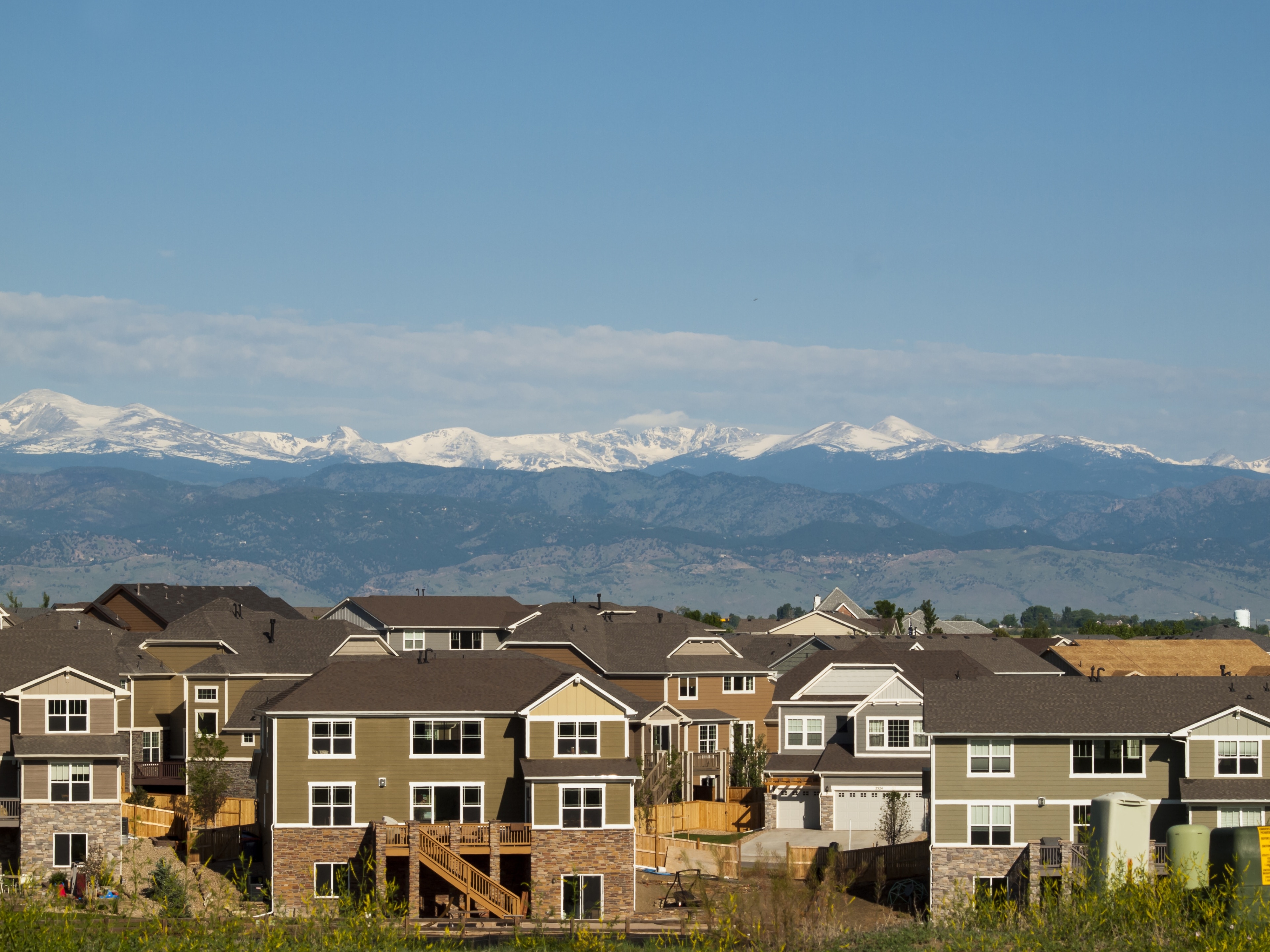
Erie has experienced significant growth in its housing market. You’ll find a range of housing options, from established neighborhoods with single-family homes to newer developments featuring modern townhouses and apartments. The town’s popularity has led to a dynamic real estate landscape, appealing to a broad spectrum of buyers and renters.
Education and Family Life
Erie is part of the St. Vrain Valley School District and the Adams 12 Five Star School District, both of which are known for their commitment to providing quality education. The presence of good schools, coupled with numerous family-oriented amenities, makes Erie a highly sought-after location for families.
In conclusion, asking “Where is Erie, Colorado?” leads to discovering a dynamic community that honors its past while embracing its future. Its prime location, coupled with a strong sense of community, abundant outdoor spaces, and convenient access to major urban centers, makes Erie a noteworthy destination for exploration and a desirable place to call home.
LifeOutOfTheBox is a participant in the Amazon Services LLC Associates Program, an affiliate advertising program designed to provide a means for sites to earn advertising fees by advertising and linking to Amazon.com. Amazon, the Amazon logo, AmazonSupply, and the AmazonSupply logo are trademarks of Amazon.com, Inc. or its affiliates. As an Amazon Associate we earn affiliate commissions from qualifying purchases.