
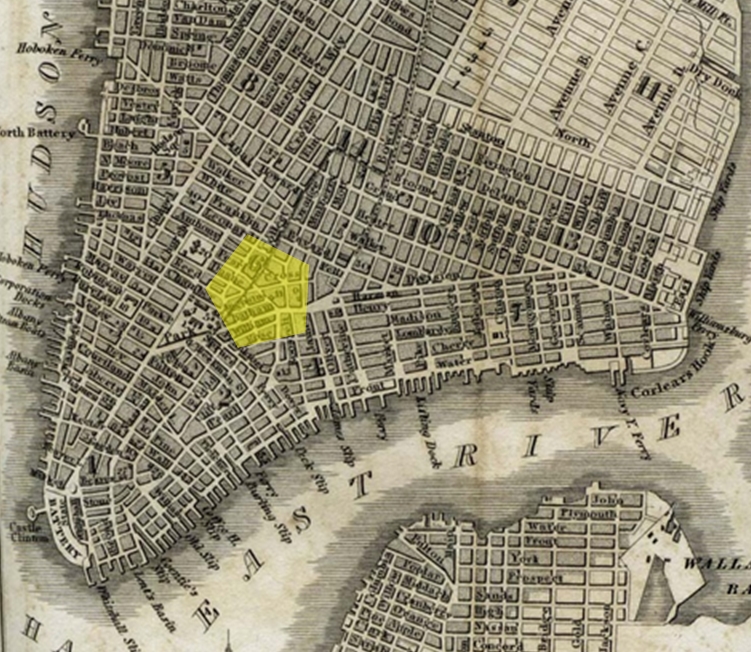
Five Points, a name that echoes with historical significance and a rich tapestry of cultural exchange, is not a singular, easily pinpointed location on a modern map of New York City. Instead, it represents a confluence of streets and a neighborhood that, for a period, was the vibrant, and often tumultuous, heart of immigrant life in the 19th century. Understanding where Five Points was requires a journey back in time, to an era when the city’s geography was shaped by distinct communities and burgeoning urban landscapes.
The Genesis of Five Points: A Geographical Nexus
The very name “Five Points” derives from its geographical configuration. It was at the intersection of five distinct streets, a nexus where different pathways converged. These streets were:
- Antony Street
- Cross Street
- Orange Street
- Little Water Street
- Mulberry Street
This unusual convergence created a central hub, a natural gathering place, and consequently, a focal point for the diverse populations that were drawn to New York in search of opportunity. The area was located in what is now primarily the Lower East Side of Manhattan, a district synonymous with immigrant settlement and urban development.
From Rural Outskirts to Urban Hub
In the late 18th and early 19th centuries, the area that would become Five Points was on the fringes of the developing city. As New York grew exponentially, fueled by trade and immigration, this intersection became a strategic point. The influx of people, particularly from Ireland following the Great Famine, and later from other European nations, found housing and community in the tenements that rapidly sprung up around this central nexus. The area’s proximity to the East River and the city’s growing docks also contributed to its significance as a place of arrival and initial settlement.
The Modern Location: A Lingering Legacy
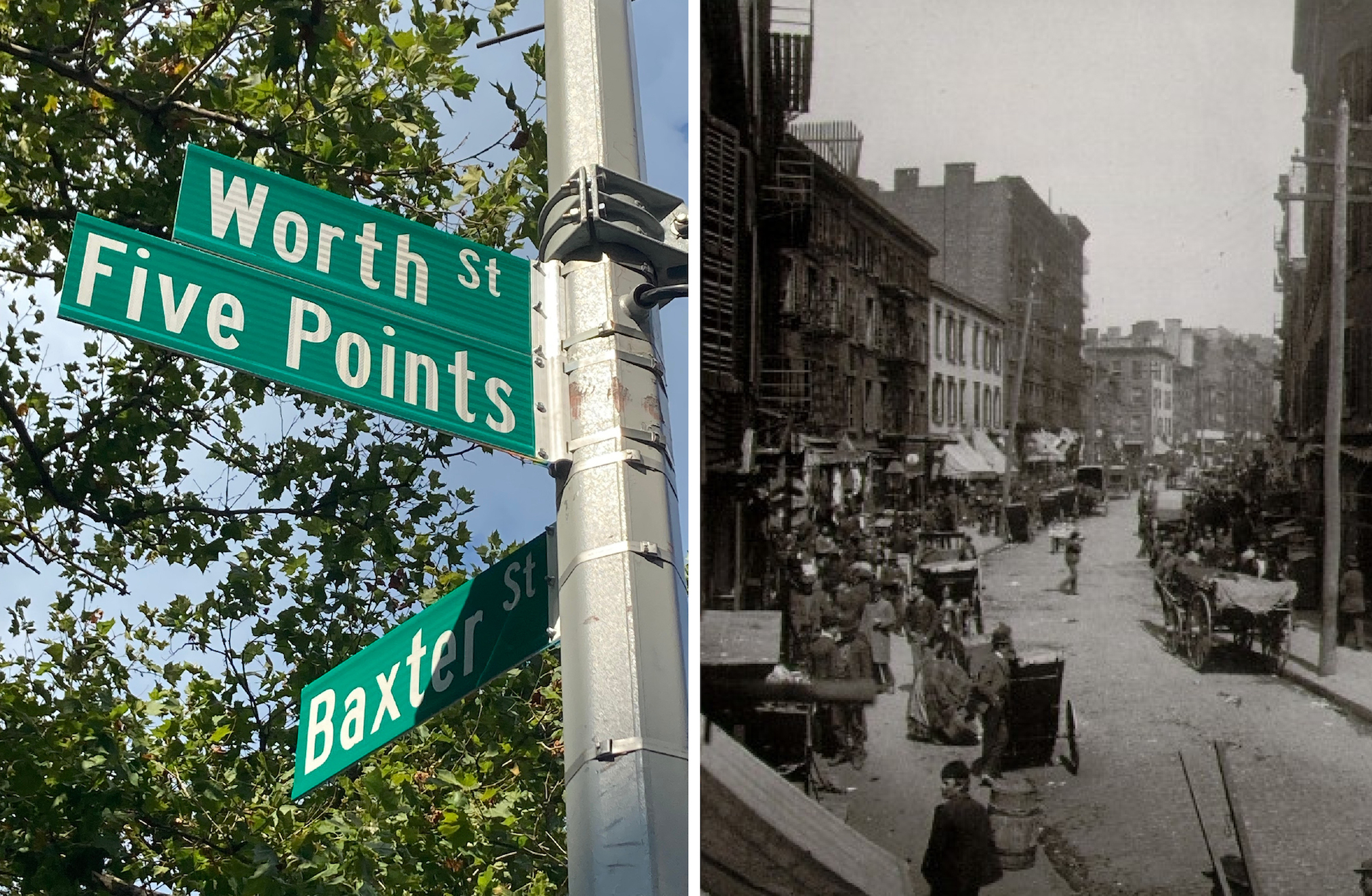
While the original street layout has been significantly altered by urban planning and development over the decades, the approximate location of Five Points is understood to be within the vicinity of the intersection of today’s Baxter Street and Park Street, near Chinatown and the Civic Center in Manhattan. The dramatic transformation of the area means that one cannot simply look for a street sign bearing the name “Five Points” today. However, the historical footprint remains indelible, and the spirit of its past is palpable to those who know its story.
The Social and Cultural Landscape of Five Points
Five Points was far more than just a geographical intersection; it was a vibrant, complex, and often notorious microcosm of 19th-century urban America. Its identity was forged by the sheer density of its population and the diverse backgrounds of its inhabitants.
A Melting Pot of Humanity
The neighborhood was a primary destination for newly arrived immigrants. The Irish, fleeing destitution, formed a significant portion of its population. However, it also attracted Germans, Italians, and various other European groups. This diverse influx created a unique cultural milieu, characterized by a blend of languages, traditions, and customs. The challenges of poverty and discrimination often meant that these communities lived in close proximity, forging bonds born of shared experiences.
Tenements and Urban Living
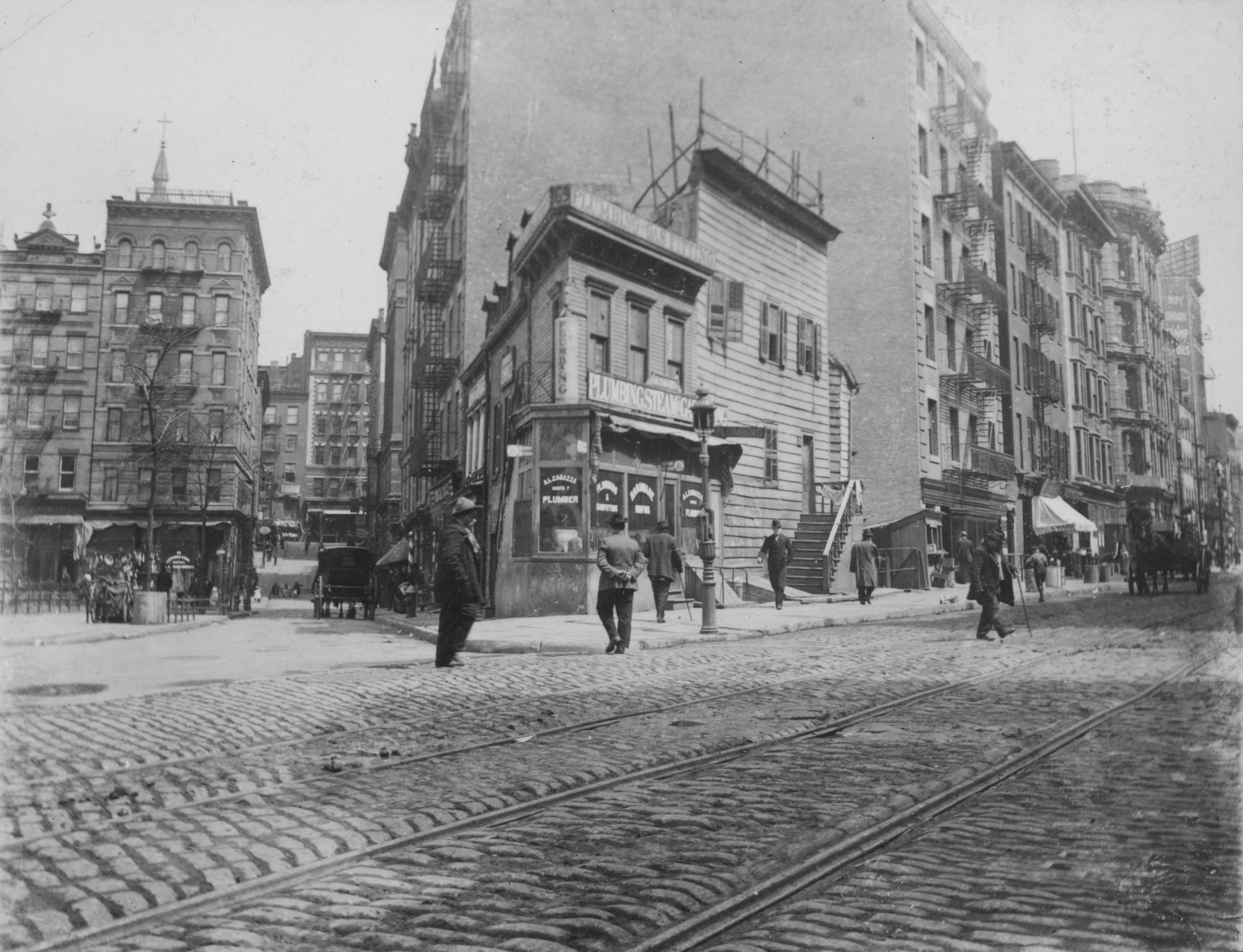
The rapid growth of Five Points outpaced the city’s ability to provide adequate housing. Consequently, the area became synonymous with overcrowded, unsanitary tenement buildings. These multi-story dwellings housed entire families in single rooms, with shared facilities and little to no ventilation or natural light. Life in these tenements was a stark reality for many, marked by hardship, disease, and a constant struggle for survival.
Beyond the Stereotypes: Resilience and Community
While Five Points gained a reputation, particularly in the mid-19th century, for its poverty, crime, and vice, it is crucial to look beyond the sensationalized accounts. This was a community of resilience, where individuals and families worked tirelessly to build new lives. Social institutions, such as churches, community organizations, and even early forms of social work, emerged to support residents and alleviate some of the pervasive challenges. The rich cultural life, from music and dance to religious gatherings, provided solace and a sense of belonging amidst adversity.
The Enduring Legacy of Five Points
The historical impact of Five Points extends far beyond its physical boundaries. It serves as a potent symbol of immigrant struggles, urban development, and the evolving social fabric of New York City. Its story continues to be told in literature, film, and historical scholarship, reminding us of the foundational role that immigrant communities played in shaping the nation.
From Slum to Redevelopment
The 19th century saw Five Points evolve from a densely populated immigrant neighborhood to a notorious slum. As the area’s reputation solidified, various efforts at reform and redevelopment were initiated. These efforts often involved the clearing of old structures and the construction of new buildings, gradually reshaping the urban landscape. The very act of addressing the “Five Points problem” became a significant chapter in the history of urban planning and social reform in America.
Cultural Resonance and Historical Memory
The narrative of Five Points has been immortalized in various forms of popular culture. From the historical accounts of figures like Jacob Riis and his photographic exposé of tenement life to fictional portrayals in novels and films, the area’s story has resonated with audiences for generations. The challenges and triumphs of its residents offer a powerful lens through which to understand the immigrant experience and the complexities of urban life in a rapidly changing society. The legacy of Five Points, therefore, is not just in its geographical location but in the enduring stories of the people who lived, struggled, and thrived within its bounds.
LifeOutOfTheBox is a participant in the Amazon Services LLC Associates Program, an affiliate advertising program designed to provide a means for sites to earn advertising fees by advertising and linking to Amazon.com. Amazon, the Amazon logo, AmazonSupply, and the AmazonSupply logo are trademarks of Amazon.com, Inc. or its affiliates. As an Amazon Associate we earn affiliate commissions from qualifying purchases.