
Florida, a state synonymous with sun-drenched beaches and vibrant theme parks, also grapples with a recurring challenge: flooding. Understanding where and why this phenomenon occurs is crucial for both residents and the millions of tourists who visit each year, ensuring safe and enjoyable experiences. While the allure of Florida destinations is undeniable, awareness of potential inundation is a vital aspect of travel planning.
Understanding Florida’s Flood Prone Areas
Florida’s unique geography, with its extensive coastline, low elevation, and porous limestone bedrock, makes it particularly susceptible to various types of flooding. From the devastating impacts of hurricanes to the persistent nuisance of tidal inundation, understanding these regional vulnerabilities is key.
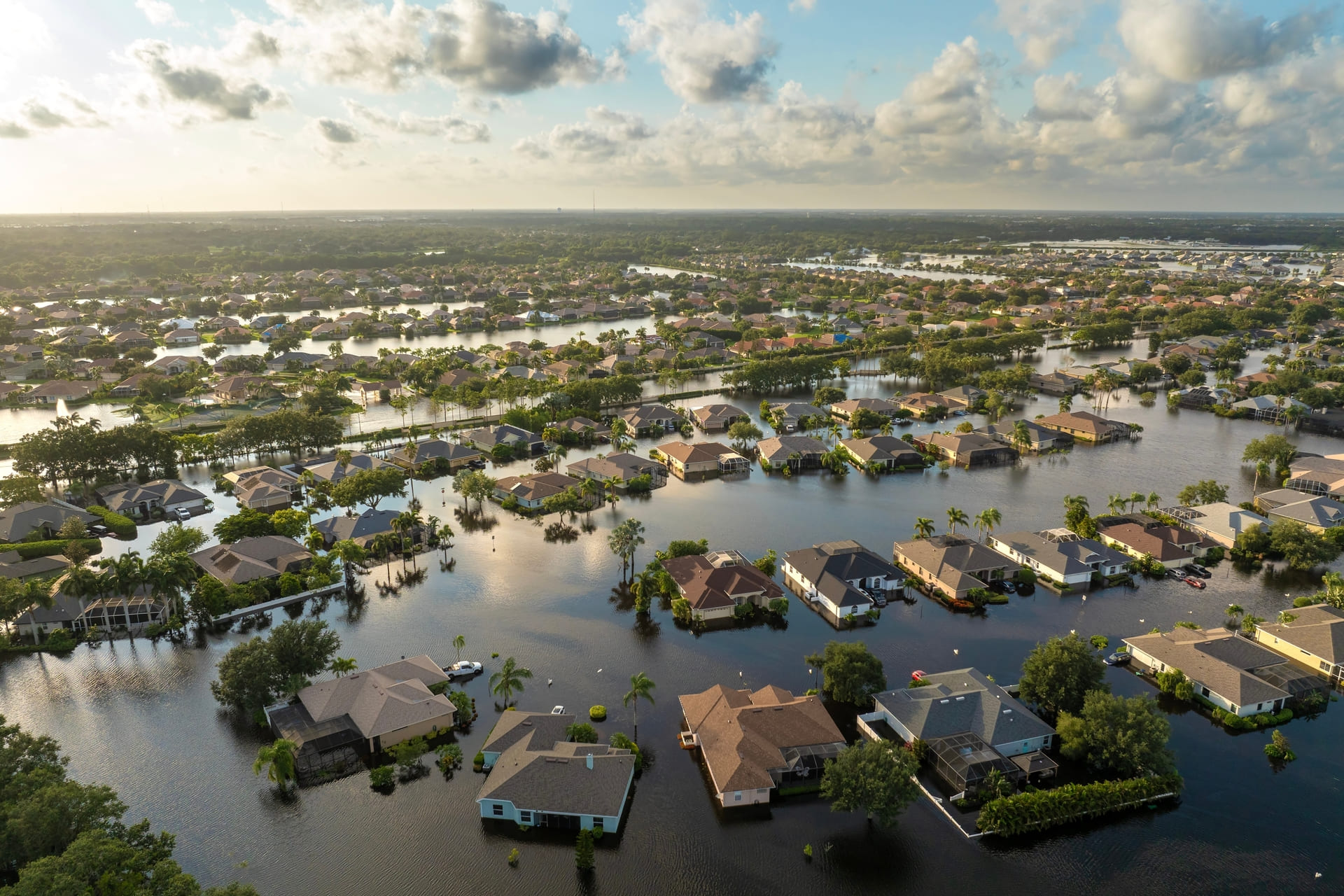
Coastal Flooding: The Ever-Present Threat
The most significant and visible type of flooding in Florida stems from its extensive coastline. With over 1,350 miles of shoreline, many of the state’s most popular tourist destinations and major cities are located at or near sea level.
Hurricane-Induced Storm Surges
During tropical storms and hurricanes, storm surge is a primary driver of coastal flooding. The powerful winds push ocean water inland, creating elevated sea levels that can inundate coastal communities. Cities like Miami, Fort Lauderdale, and Naples are particularly vulnerable due to their low-lying terrain and proximity to the Atlantic Ocean and Gulf of Mexico. The historic storm surge from Hurricane Ian in 2022 serves as a stark reminder of this peril, causing widespread damage and displacement in areas like Fort Myers and its surrounding islands.
Tidal Flooding and King Tides
Even without major storms, coastal areas experience flooding due to high tides, often exacerbated by “king tides”—exceptionally high tides that occur a few times a year. This phenomenon, also known as nuisance flooding or sunny-day flooding, is becoming more frequent and severe as sea levels rise. Neighborhoods in St. Augustine, the oldest continuously inhabited European-established settlement in the United States, and low-lying sections of the Florida Keys are increasingly experiencing roads impassable during these tidal events.
Inland Flooding: Beyond the Coast
While coastal flooding often garners the most attention, inland areas of Florida are also susceptible to significant inundation, primarily due to heavy rainfall and inadequate drainage.
Heavy Rainfall and Drainage Issues
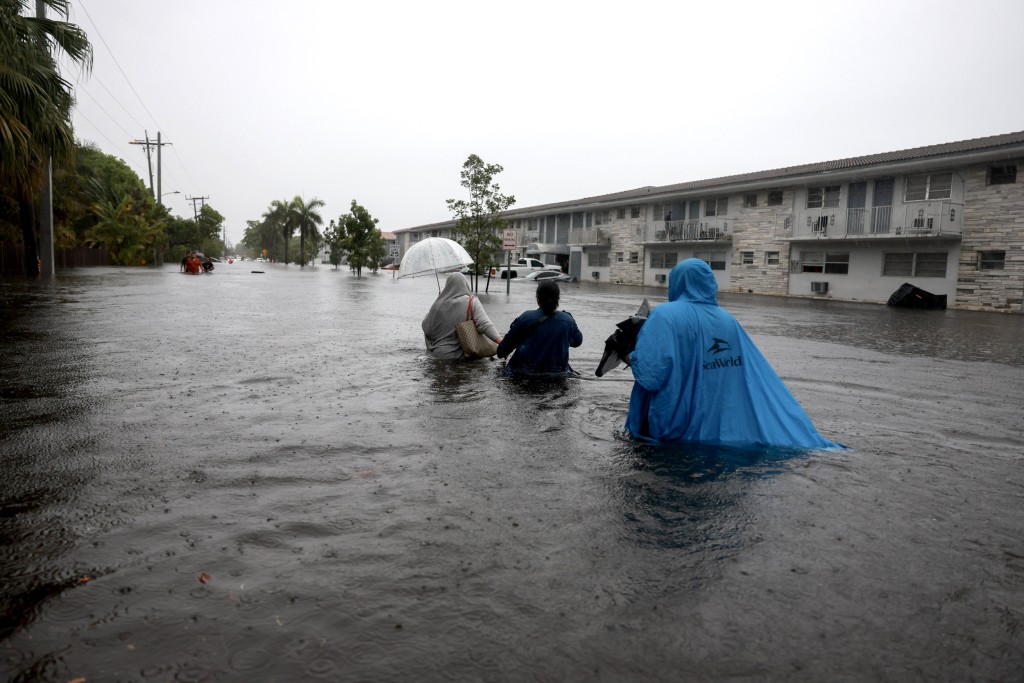
Florida experiences frequent thunderstorms, especially during the summer months, which can dump large amounts of rain in a short period. The state’s flat topography and the porous limestone that underlies much of its surface can, paradoxically, contribute to flooding. While the limestone allows water to seep underground, it can become saturated, and if drainage systems are overwhelmed or blocked, surface water accumulates rapidly.
Cities in central and northern Florida, such as Orlando, Tampa, and Jacksonville, can experience flash floods in low-lying areas and neighborhoods with compromised drainage infrastructure. The Everglades region, though a vast wetland, can also experience significant flooding during periods of intense rainfall, impacting its delicate ecosystem and surrounding communities.
Riverine Flooding
Major river systems in Florida, while not as dramatic as those in mountainous regions, can also contribute to flooding. The St. Johns River, the longest river in Florida, can overflow its banks after prolonged periods of heavy rain, particularly in its lower reaches and surrounding wetlands, affecting communities along its path.
Groundwater Flooding: A Less Visible Threat
The porous limestone bedrock that is characteristic of Florida’s geology also plays a role in a less visible form of flooding: groundwater flooding. When the water table rises significantly, often due to prolonged rainfall or high tides pushing saltwater inland, groundwater can surface, leading to inundation in basements, low-lying yards, and even affecting some roadways. This can be a particular issue in coastal communities and areas with shallow water tables.
Impact on Travel and Tourism
Flooding in Florida has direct and indirect implications for travelers. Understanding these risks can help visitors make informed decisions and prepare for potential disruptions.
Road Closures and Transportation Disruptions
During periods of heavy rain or storm surge, roadways, particularly those in coastal and low-lying areas, can become impassable. This can lead to significant travel delays, diversions, and even the closure of major transportation arteries. Airports and public transportation services can also be affected, impacting flight schedules and transit operations. Travelers planning to drive between cities or explore different regions of Florida should always check local traffic and weather advisories.
Attraction and Accommodation Impacts
Some tourist attractions, especially those located on the coast or near bodies of water, may be temporarily closed or have limited access due to flooding. This can include beaches, piers, and low-lying historical sites. Similarly, accommodations, particularly hotels, resorts, and vacation rentals situated in flood-prone zones, may experience water intrusion or be temporarily inaccessible. It is advisable for travelers to confirm the operational status of their planned activities and accommodations with their providers.
Safety and Evacuation Advisories
In the event of severe flooding, particularly from tropical systems, evacuation orders may be issued for certain areas. Tourists are urged to heed all official advisories from local emergency management agencies and to have a plan in place for where to go and how to travel safely if an evacuation is necessary. Understanding evacuation routes and designated shelters is paramount for personal safety.
Preparing for and Mitigating Flood Risks
While Florida’s geography presents inherent flood risks, proactive measures can help mitigate these impacts for both residents and visitors.
Staying Informed and Prepared
- Weather Monitoring: Closely monitor weather forecasts from reliable sources, especially during hurricane season (June 1 to November 30).
- Local Advisories: Pay attention to advisories and warnings issued by local emergency management agencies.
- Flood Zones: Be aware of the flood risk in your specific location. Flood zone maps are available from organizations like the Federal Emergency Management Agency (FEMA).
- Emergency Kits: For longer stays or as a resident, consider preparing an emergency kit with essential supplies.
Choosing Accommodation Wisely
When booking accommodations, particularly in coastal or low-lying areas, consider the elevation and flood history of the property. Some newer developments may incorporate flood-resistant designs and elevated structures. Reviewing guest feedback and checking flood maps can provide valuable insights.
Understanding Insurance and Travel Protection
For those undertaking extended stays or significant travel, travel insurance can offer protection against unforeseen events, including cancellations or interruptions due to natural disasters like floods. Understanding the terms and conditions of such policies is essential.

Conclusion
Florida remains a premier travel destination, but like any region with unique geographical characteristics, it faces environmental challenges. Understanding where flooding is likely to occur—along its extensive coastlines, in low-lying inland areas, and even from rising groundwater—is a critical aspect of responsible travel planning. By staying informed, being prepared, and making prudent choices, visitors can continue to enjoy the Sunshine State’s many wonders while navigating its potential flood risks safely and confidently. Awareness empowers a more enjoyable and secure experience for everyone who chooses to explore this diverse and beautiful state.
LifeOutOfTheBox is a participant in the Amazon Services LLC Associates Program, an affiliate advertising program designed to provide a means for sites to earn advertising fees by advertising and linking to Amazon.com. Amazon, the Amazon logo, AmazonSupply, and the AmazonSupply logo are trademarks of Amazon.com, Inc. or its affiliates. As an Amazon Associate we earn affiliate commissions from qualifying purchases.