
Discovering the Architectural Gem of Lakeland
The question “Where is Florida Southern?” often leads curious minds to an unexpected but utterly rewarding destination. Nestled in the heart of Lakeland, a city known for its picturesque lakes and vibrant community in Central Florida, lies a treasure trove of architectural brilliance. Florida Southern College is not just an educational institution; it is a living museum, a testament to the visionary genius of one of the 20th century’s most celebrated architects, Frank Lloyd Wright. This campus is a pilgrimage site for architecture enthusiasts, students, and anyone with an appreciation for beauty and innovation.

The Unique Setting of Florida Southern College
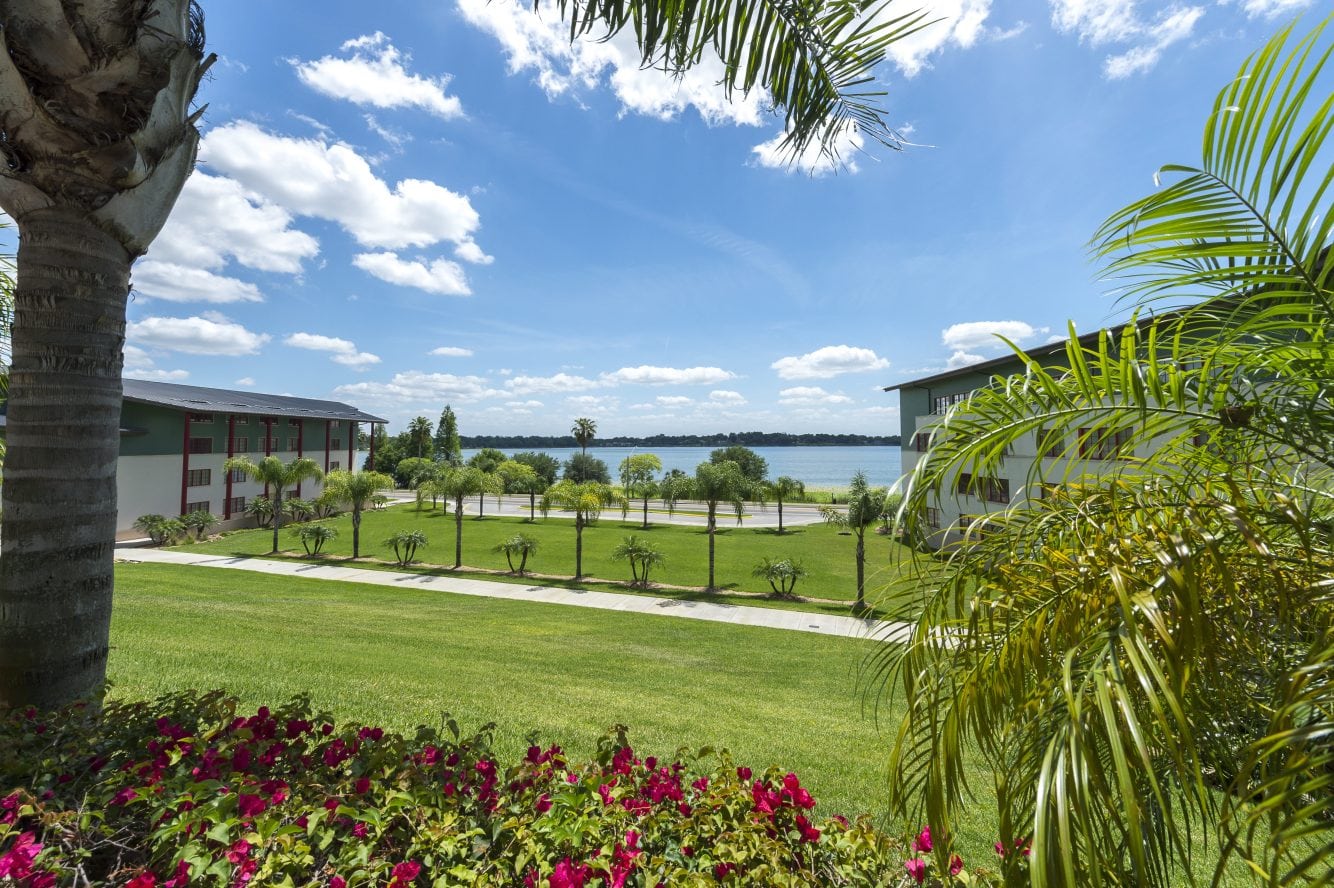
Florida Southern College’s location in Lakeland is itself a key part of its charm. The city is situated between the major metropolises of Tampa and Orlando, offering a more tranquil escape while remaining easily accessible. The campus itself is built around a series of natural lakes, contributing to a serene and inspiring atmosphere. This geographical positioning makes it an ideal stop for those exploring Central Florida, whether they are on a dedicated architectural tour or simply seeking unique points of interest beyond the usual theme park attractions.
The college grounds are a landscape of lush greenery, manicured lawns, and the distinctive structures designed by Wright. Unlike many university campuses that have evolved organically over decades or centuries, Florida Southern’s architectural identity was largely shaped within a focused period by a single, extraordinary artistic vision. This deliberate and cohesive design philosophy sets it apart, creating a harmonious environment where learning and aesthetic appreciation go hand in hand.
Frank Lloyd Wright’s Masterpiece in the Sunshine State
The answer to “Where is Florida Southern?” is intimately tied to the story of its remarkable architectural collection. In the early 1930s, Dr. Luddie L. Gaddy, then president of Florida Southern College, sought to create a campus that was not only functional but also inspirational. He envisioned a place that would embody the ideals of growth, learning, and community. His search for an architect led him to the renowned Frank Lloyd Wright.
Wright’s commission from Florida Southern College was ambitious: to design an entire campus, from academic buildings to dormitories and a planetarium. This project, known as the Childs Organic College Plan, is considered the largest single collection of Frank Lloyd Wright-designed buildings in the world. Wright’s philosophy of “organic architecture” meant that the buildings would be designed to harmonize with their environment and with each other, creating a unified whole.
The Wright Collection: A Journey Through Innovation
The architectural journey at Florida Southern College is a captivating exploration of Wright’s distinctive style. His designs here are characterized by their use of local materials, integration with the Florida landscape, and innovative use of form and space. The campus features:
- The Annie Pfeiffer Chapel: Often considered the jewel of the campus, this chapel is a stunning example of Wright’s ability to create sacred spaces. Its soaring stained-glass ceiling, inspired by the petals of a flower, bathes the interior in a kaleidoscope of colored light. The innovative cantilevering of the roof and the intricate geometric patterns are hallmarks of Wright’s genius.
- The Danforth Chapel: A more intimate space, the Danforth Chapel is designed for smaller ceremonies and reflection. Its unique octagonal shape and large windows offer views of the surrounding gardens, further emphasizing the connection between the built environment and nature.
- The Water Dome: This unfinished but iconic structure was intended to be a central fountain and gathering space. Though not fully realized as Wright envisioned, it stands as a powerful symbol of his ambition and the grand scale of his plans for the campus.
- The Industrial Arts Building (now the College Store and Admissions): This building showcases Wright’s characteristic geometric forms and use of concrete block, a material he often employed to create visually striking patterns.
- The Administration Building: Another example of Wright’s unique approach to institutional architecture, the Administration Building integrates seamlessly with its surroundings, featuring low-slung forms and ample natural light.
- The Residence Halls (Goodwin Hall and Plant Hall): Even student housing was subject to Wright’s design principles, with these buildings reflecting his commitment to creating functional and aesthetically pleasing living spaces.
- The Lucius Pond Ordway Science Building: This structure highlights Wright’s ability to adapt his style to different functional requirements, incorporating scientific needs with his signature design elements.
The construction of these buildings was a monumental undertaking, facing financial challenges and logistical hurdles throughout the decades. Many of the structures were completed years, even decades, after Wright’s initial plans, often with modifications by his apprentices and followers to maintain his spirit and vision. Despite these challenges, the collective impact of these buildings is undeniable, creating a cohesive and breathtaking architectural ensemble.
Experiencing the Architecture: Tours and Exploration
For those asking “Where is Florida Southern?”, the answer is an invitation to experience an architectural marvel firsthand. The campus of Florida Southern College is open to visitors, offering a unique opportunity to immerse oneself in the world of Frank Lloyd Wright.
Guided Tours: Unveiling the Details
The most comprehensive way to explore the campus and understand the significance of its architecture is through a guided tour. The Frank Lloyd Wright Visitor Center, housed in one of Wright’s original structures, serves as the starting point for many tours. Here, visitors can learn about Wright’s life, his philosophy, and the history of the campus project.
Expert docents, often with a deep knowledge of architecture and Wright’s work, lead tours that delve into the intricacies of each building. They explain the design principles, the construction techniques, and the stories behind the creation of this unique collection. Tours typically cover the most significant buildings, including the Annie Pfeiffer Chapel, the Danforth Chapel, and the various academic and administrative structures.
These tours are not merely historical recitations; they are engaging experiences that highlight the functional beauty of Wright’s designs. Visitors learn how Wright used light, space, and materials to create environments that foster a sense of well-being and inspiration. The emphasis on “organic architecture” means understanding how each building relates to its natural surroundings and to the overall campus plan.
Self-Guided Exploration: A Personal Journey
While guided tours offer invaluable insights, self-guided exploration is also a rewarding option for those who prefer to wander at their own pace. The campus is a beautiful place for a leisurely stroll, allowing visitors to discover the architectural details at their leisure. Maps and information are often available at the visitor center or online, providing context for the various buildings.
Walking through the campus, one can appreciate the subtle yet profound design elements: the integration of water features, the characteristic geometric patterns in windows and screens, the use of local Florida materials like coquina stone and cypress wood, and the way the buildings seem to grow out of the landscape. The large windows and open spaces connect the interiors with the lush vegetation, creating a constant dialogue between the built and natural worlds.
Planning Your Visit
When planning a trip to discover “Where is Florida Southern?”, it is advisable to check the college’s official website for the most up-to-date information on tour schedules, operating hours, and any admission fees. The campus is located at 111 Lake Hollingsworth Drive, Lakeland, FL 33801.
Visiting Florida Southern College offers more than just an architectural tour; it’s an opportunity to step into a world shaped by a singular artistic vision. It is a place where education, art, and nature converge, creating an unforgettable destination for anyone seeking inspiration and beauty. Whether you are an architecture aficionado, a history buff, or simply a traveler looking for a unique experience, this remarkable campus in the heart of Florida promises to captivate and enlighten.
Beyond the Architecture: Exploring Lakeland and Central Florida
While the Frank Lloyd Wright architecture is undoubtedly the primary draw, the answer to “Where is Florida Southern?” also leads to an exploration of its surroundings. Lakeland itself is a charming city with a growing reputation for its cultural attractions and natural beauty.
The Charm of Lakeland
Lakeland is famously known for its abundance of lakes – over 40 of them dot the landscape, offering opportunities for recreation and scenic beauty. Lake Hollingsworth, around which the college is situated, is a popular spot for walking, jogging, and enjoying the views. The city also boasts a thriving downtown area with historic architecture, independent shops, and diverse dining options.
One of Lakeland’s significant cultural landmarks is The RP Funding Center, a multi-purpose venue that hosts a variety of events, from concerts and sporting events to theatrical performances. For art lovers, the Polk Museum of Art offers a diverse collection of exhibits, with a focus on American art and decorative arts.
Nearby Attractions in Central Florida
The strategic location of Florida Southern College makes it an excellent base for exploring other key attractions in Central Florida. As mentioned, it lies conveniently between the bustling metropolises of Tampa and Orlando.
- Tampa Bay Area: A short drive west brings you to the Tampa Bay region, offering attractions like Busch Gardens Tampa Bay (a combination theme park and zoo), the Florida Aquarium, and the historic Ybor City district. The beautiful beaches of Clearwater and St. Pete Beach are also within easy reach for a day trip.
- Orlando’s Theme Park Capital: To the east, Orlando beckons with its world-famous theme parks, including Walt Disney World Resort and Universal Orlando Resort. Beyond the parks, Orlando offers a vibrant culinary scene, diverse shopping, and cultural experiences.
- Nature and Springs: For those seeking natural beauty, Central Florida is dotted with stunning natural springs, such as Wekiwa Springs State Park and Blue Spring State Park, perfect for swimming, snorkeling, and exploring Florida’s unique ecosystems.

Culinary and Local Experiences
The culinary landscape around Lakeland offers a taste of authentic Florida. From casual seafood shacks to upscale dining, visitors can savor fresh local ingredients. Exploring local farmers’ markets provides an opportunity to connect with the community and sample regional produce and artisanal goods. The area also offers a growing craft brewery scene, adding another dimension to the local flavor.
In essence, the question “Where is Florida Southern?” opens up a world of discovery. It’s a gateway to an unparalleled architectural pilgrimage, a charming local city, and a central hub for exploring the diverse attractions that make Central Florida a compelling destination. The harmonious blend of art, nature, and community makes this region a truly special place to visit.
LifeOutOfTheBox is a participant in the Amazon Services LLC Associates Program, an affiliate advertising program designed to provide a means for sites to earn advertising fees by advertising and linking to Amazon.com. Amazon, the Amazon logo, AmazonSupply, and the AmazonSupply logo are trademarks of Amazon.com, Inc. or its affiliates. As an Amazon Associate we earn affiliate commissions from qualifying purchases.