
Florida State University (FSU) stands as a beacon of academic excellence and vibrant culture, deeply embedded within the heart of Florida’s capital city. For prospective students, visiting parents, alumni, or simply those curious about one of the nation’s leading public universities, understanding its geographical placement is the first step toward experiencing its unique charm and the rich offerings of its surroundings. Far from a secluded campus, FSU is strategically located, inviting visitors to explore not just the university itself, but also the dynamic city that hosts it.
Tallahassee: The Quintessential Home of FSU
Florida State University is proudly situated in Tallahassee, the capital of Florida. Nestled in the rolling hills of the Florida Panhandle, Tallahassee offers a distinctive blend of Southern charm, political gravitas, and vibrant collegiate energy. Unlike the sun-drenched beaches and theme parks often associated with the rest of Florida, Tallahassee boasts four distinct seasons, a lush canopy of oak trees, and a rich historical tapestry that predates much of the state’s modern development.

The city serves as the political nerve center of Florida, housing the Florida Historic Capitol Museum and the towering New Florida Capitol Building. This unique position provides FSU students and visitors alike with unparalleled access to legislative processes, internships, and a palpable sense of civic engagement. Beyond politics, Tallahassee is a university town at its core, with a significant portion of its population directly connected to FSU or Florida A&M University. This academic influence fosters a youthful, energetic atmosphere, rich with cultural events, diverse dining options, and a strong sense of community spirit, particularly evident during college football season.
The university’s campus is conveniently located just a short distance from downtown Tallahassee, making it easily accessible and well-integrated into the urban fabric. This proximity allows visitors to seamlessly transition from campus exploration to experiencing the city’s historical sites, parks, and culinary scene.
Navigating Your Way to Tallahassee
Reaching Tallahassee and, consequently, Florida State University, is straightforward, with several convenient travel options designed to accommodate various preferences and starting points.
By Air
The most direct way to arrive in Tallahassee from a distance is via air travel to Tallahassee International Airport (TLH). This regional airport offers daily flights to major hubs like Atlanta, Charlotte, Dallas, Fort Lauderdale, Miami, Orlando, and Tampa, ensuring connections from virtually anywhere in the country. Upon arrival at Tallahassee International Airport, the FSU campus is a mere 15-20 minute drive, making the final leg of the journey quick and easy.
For travelers seeking potentially broader flight options or more competitive fares, larger airports such as Jacksonville International Airport (JAX) or Orlando International Airport (MCO) are viable alternatives. However, these would necessitate a subsequent drive of approximately 2.5 to 4 hours, respectively, to reach Tallahassee. While adding driving time, this route offers the opportunity to experience more of Florida’s diverse landscapes.
By Road
For those who prefer the open road or are traveling from neighboring states, Tallahassee is easily accessible by car. The city is strategically positioned along Interstate 10 (I-10), a major east-west artery that connects Florida to other Southern states like Alabama, Mississippi, and Louisiana. U.S. Route 27 and U.S. Route 90 also pass through Tallahassee, offering scenic routes and connections from various points within Florida and Georgia.
Driving times to Tallahassee are generally manageable from key regional cities:
- From Jacksonville, Florida: Approximately 2.5 hours
- From Pensacola, Florida: Approximately 3 hours
- From Orlando, Florida: Approximately 4 hours
- From Atlanta, Georgia: Approximately 4.5 hours
- From Tampa, Florida: Approximately 4.5 hours
- From New Orleans, Louisiana: Approximately 5.5 hours
Getting Around Tallahassee
Once in Tallahassee, navigating the city and reaching the FSU campus is relatively easy. For maximum flexibility, a rental car is highly recommended, especially if planning to explore attractions beyond the immediate campus area. Tallahassee also offers ride-sharing services and a public bus system, StarMetro, which provides routes connecting key areas of the city, including the FSU campus. The campus itself is very walkable, and many off-campus student housing areas are within walking or biking distance.
Exploring the FSU Campus and Surrounding Area
A visit to Florida State University is an immersive experience, blending historic academic architecture with modern facilities, all set within a beautifully landscaped environment.
The Heart of Florida State University
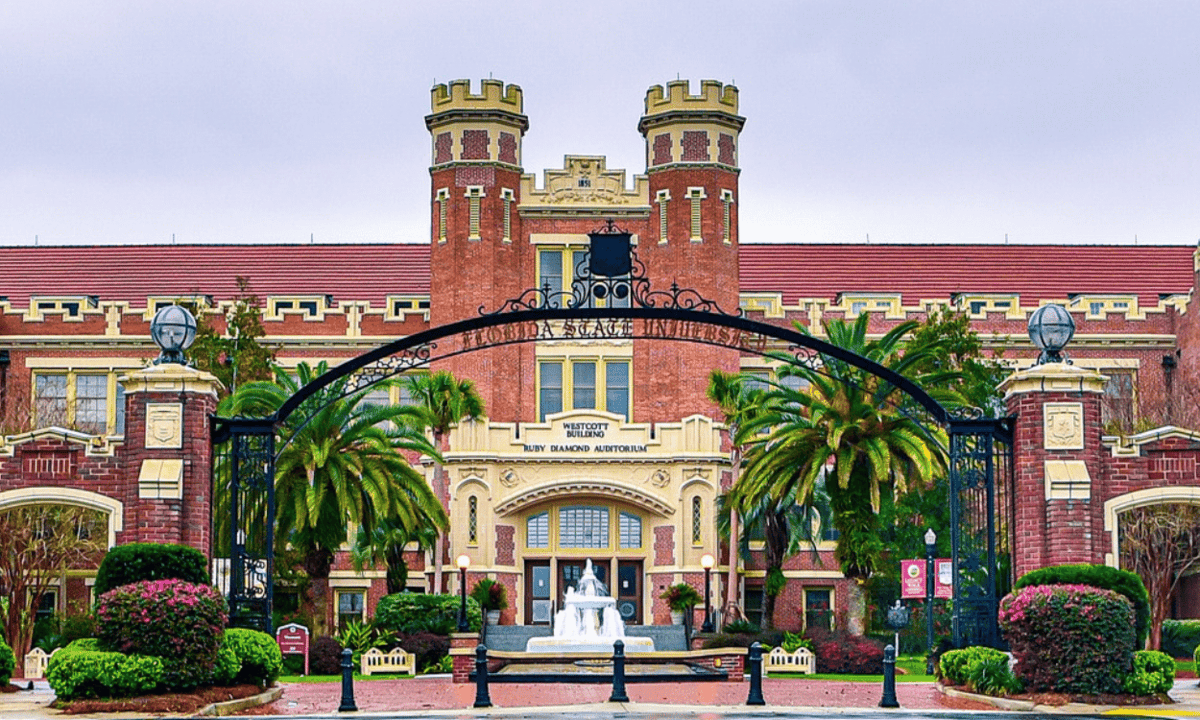
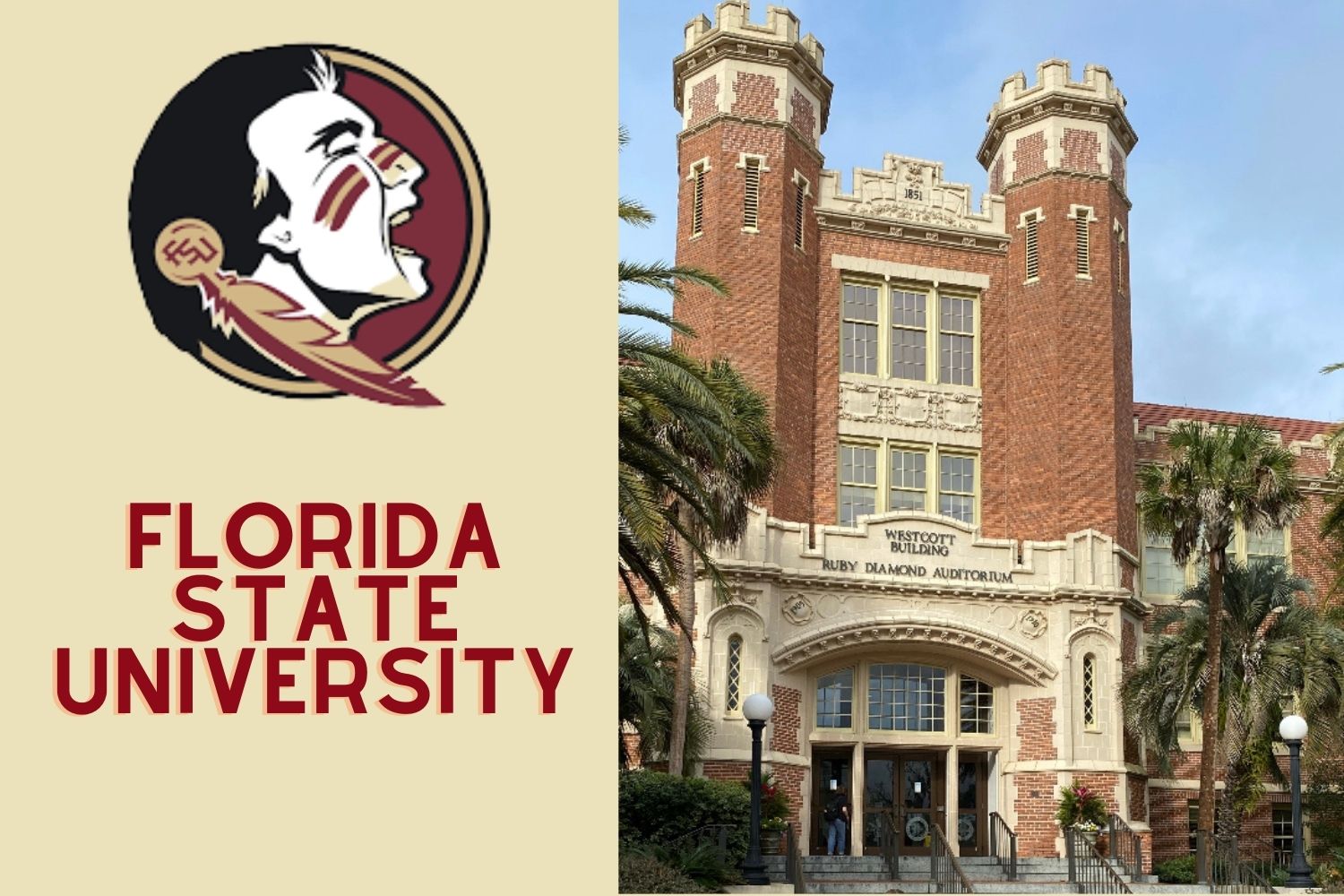
The FSU campus is an attraction in itself. Visitors can stroll through its historic grounds, admiring the collegiate Gothic architecture of buildings like the iconic Westcott Building, with its majestic arch and grand bell tower – a favorite spot for photos and commencement ceremonies. The campus features extensive green spaces, impressive athletic facilities including Doak Campbell Stadium, home to the legendary Seminoles football team, and significant landmarks like The Ring, a beloved tradition spot. The university’s museums and galleries, such as the FSU Museum of Fine Arts, offer rotating exhibits that are open to the public. Campus tours are readily available for prospective students and provide an excellent overview of academic life and campus facilities.
Beyond the Campus Gates: Tallahassee Attractions
Tallahassee extends a warm invitation beyond its university gates, boasting a diverse array of attractions that cater to history buffs, nature enthusiasts, and foodies alike.
- Historic and Political Sites: A mandatory stop is the Florida State Capitol Complex, comprising the historic Florida Historic Capitol Museum and the adjacent New Florida Capitol Building. The museum offers a fascinating journey through Florida’s political past, while the observation deck of the new capitol provides panoramic views of the city.
- Cultural and Educational Experiences: Immerse yourself in the 17th-century Spanish mission at Mission San Luis de Apalachee, a National Historic Landmark offering living history demonstrations. The Tallahassee Museum combines nature, wildlife, history, and art across its expansive grounds, featuring historic buildings, animal habitats, and a zipline course.
- Nature and Outdoors: Tallahassee is renowned for its natural beauty. Alfred B. Maclay Gardens State Park offers stunning ornamental gardens, especially vibrant in late winter and early spring, with walking and biking trails. For birdwatching and coastal nature, the St. Marks National Wildlife Refuge is a short drive south, providing serene landscapes and abundant wildlife.
- Dining and Entertainment: Downtown Tallahassee and the vibrant College Town district adjacent to FSU offer an eclectic mix of restaurants, from casual student-friendly eateries to upscale dining, alongside boutiques, live music venues, and art galleries. This area truly comes alive, especially on game days.
Planning Your Visit: Best Times and Tips
To maximize your travel experience to Florida State University and Tallahassee, consider the timing of your visit and a few practical tips.
When to Visit
The best time to visit largely depends on your interests.
- Fall (September-November): This is arguably the most exciting time, primarily due to FSU football season. The city buzzes with energy, tailgates, and game day festivities. The weather is also generally pleasant, with cooler temperatures and falling leaves adding to the charm. However, hotel availability can be tight and prices higher during major home game weekends.
- Spring (March-May): Spring offers beautiful weather, blooming gardens (especially at Alfred B. Maclay Gardens State Park), and a range of cultural events. The campus is vibrant with student life, but not as intensely crowded as during football season.
- Winter (December-February): Tallahassee experiences mild winters, making it a pleasant escape from colder climates. The pace is generally slower, offering a more relaxed visit, though campus activities might be reduced during holiday breaks.
- Summer (June-August): Summers are hot and humid, typical for Florida. The campus is quieter with fewer students, which can be ideal for those seeking a less crowded experience, though many academic programs and camps still run.
Where to Stay
Tallahassee offers a wide range of accommodation options to suit various budgets and preferences. Many hotels are conveniently located near the FSU campus, downtown, or along major thoroughfares, providing easy access to attractions. From well-known hotel chains to charming local bed and breakfasts, you’ll find suitable lodging that enhances your stay. Booking in advance is highly recommended, especially if your visit coincides with university events, legislative sessions, or football games.
Local Experiences and Events
Beyond the permanent attractions, keep an eye on local event calendars. Tallahassee hosts numerous festivals, farmers’ markets, concerts, and art shows throughout the year. Engaging with these local happenings offers a deeper insight into the community’s culture and provides memorable experiences beyond the typical tourist itinerary. Whether you’re catching a performance at the FSU College of Music or enjoying a meal at a local farm-to-table restaurant, Tallahassee offers a truly engaging travel experience.
In conclusion, Florida State University is not just a point on a map; it’s a vibrant institution situated within a captivating city that offers a multifaceted travel destination. From its academic prestige to its rich history, natural beauty, and energetic atmosphere, both FSU and Tallahassee promise a rewarding and enriching visit for anyone seeking to explore this unique corner of Florida.
LifeOutOfTheBox is a participant in the Amazon Services LLC Associates Program, an affiliate advertising program designed to provide a means for sites to earn advertising fees by advertising and linking to Amazon.com. Amazon, the Amazon logo, AmazonSupply, and the AmazonSupply logo are trademarks of Amazon.com, Inc. or its affiliates. As an Amazon Associate we earn affiliate commissions from qualifying purchases.