
Fort Hood, a name synonymous with military might and the vibrant spirit of Central Texas, holds a significant place on the map and in the hearts of many. For travelers, history buffs, and those with connections to the U.S. Army, understanding its location is merely the first step in unlocking a region rich with unique attractions, diverse accommodation options, and a distinctive lifestyle. Far from being an isolated military outpost, Fort Hood serves as a bustling hub, anchoring a cluster of dynamic communities that offer a compelling blend of natural beauty, historical depth, and modern amenities, making it an intriguing destination for various types of visits.
This expansive military installation is strategically situated in the heart of Central Texas, roughly equidistant from the state’s major metropolitan areas. Its location places it at a crossroads of cultural influences, economic activity, and recreational opportunities, inviting visitors to explore not just the base itself, but also the surrounding cities and the wider Texas Hill Country. Whether you’re planning a family visit, a historical tour, or simply a road trip through an often-overlooked part of the Lone Star State, discovering where Fort Hood lies is the gateway to an authentic Texas experience.
Locating Fort Hood: A Central Texas Nexus
Fort Hood is predominantly located in Bell County, Texas, with portions extending into Coryell County. Geographically, it sits on the sprawling plains of Central Texas, an area characterized by rolling hills, expansive prairies, and serene lakes. This strategic position places it approximately 60 miles north of Austin, the state capital, and about 160 miles south of Dallas/Fort Worth. To its south, Houston lies about 180 miles away, and to its southwest, San Antonio is roughly 140 miles distant. This central placement makes it accessible from multiple major population centers, often serving as a key stop for travelers traversing the state.
The installation itself covers an impressive area, spanning over 340 square miles, making it one of the largest U.S. Army installations in the world. Its sheer size means it touches several local communities directly, profoundly shaping their economies, cultures, and daily life.

The Cities Neighboring Fort Hood
Fort Hood’s immediate neighbors are a cluster of cities that have grown and thrived in its shadow, serving as vital support systems for military personnel and their families, while also developing their own distinct identities.
The primary gateway city to Fort Hood is Killeen, located directly adjacent to the main gates. Killeen is a diverse, bustling city that has evolved hand-in-hand with the base. It offers a wide array of services, from hotels and restaurants to shopping centers and entertainment venues, all catering to a population that includes a large number of active-duty military personnel, veterans, and their dependents. Killeen’s vibrant community is reflected in its diverse culinary scene, offering everything from authentic Texas BBQ to international cuisines.
To the west of the base, Copperas Cove provides another significant residential and commercial area. Known for its smaller-town feel compared to Killeen, Copperas Cove offers a quieter atmosphere while still being deeply connected to Fort Hood. Its proximity to the beautiful Texas Hill Country also makes it an attractive spot for those seeking a balance between community and nature.
East of Fort Hood, the cities of Harker Heights, Belton, and Temple complete the core cluster of communities. Harker Heights is a rapidly growing suburban area, offering modern amenities and housing developments. Belton, the Bell County seat, boasts a charming historic downtown, antique shops, and easy access to recreational opportunities at Belton Lake. Further east, Temple serves as a regional medical and transportation hub, home to major hospitals and a regional airport, the Draughon-Miller Central Texas Regional Airport. These cities collectively form the metropolitan area commonly referred to as the Killeen-Temple-Fort Hood metropolitan statistical area, showcasing the profound impact of the base on the entire region. Other smaller towns like Gatesville, Kempner, Lampasas, and Salado are also within a comfortable driving distance, each offering its own unique flavor of Central Texas life.

The Enduring Legacy: Fort Hood’s Historical and Strategic Importance
To truly appreciate Fort Hood, one must understand its rich history and ongoing strategic significance. Established during World War II in 1942, the installation was initially created as a proving ground for tank destroyers, a new form of anti-tank warfare. Its vast expanse of open land and favorable climate made it an ideal location for testing and training with these powerful machines. Over the decades, Fort Hood evolved into a premier training facility for armored warfare and rapid deployment forces.
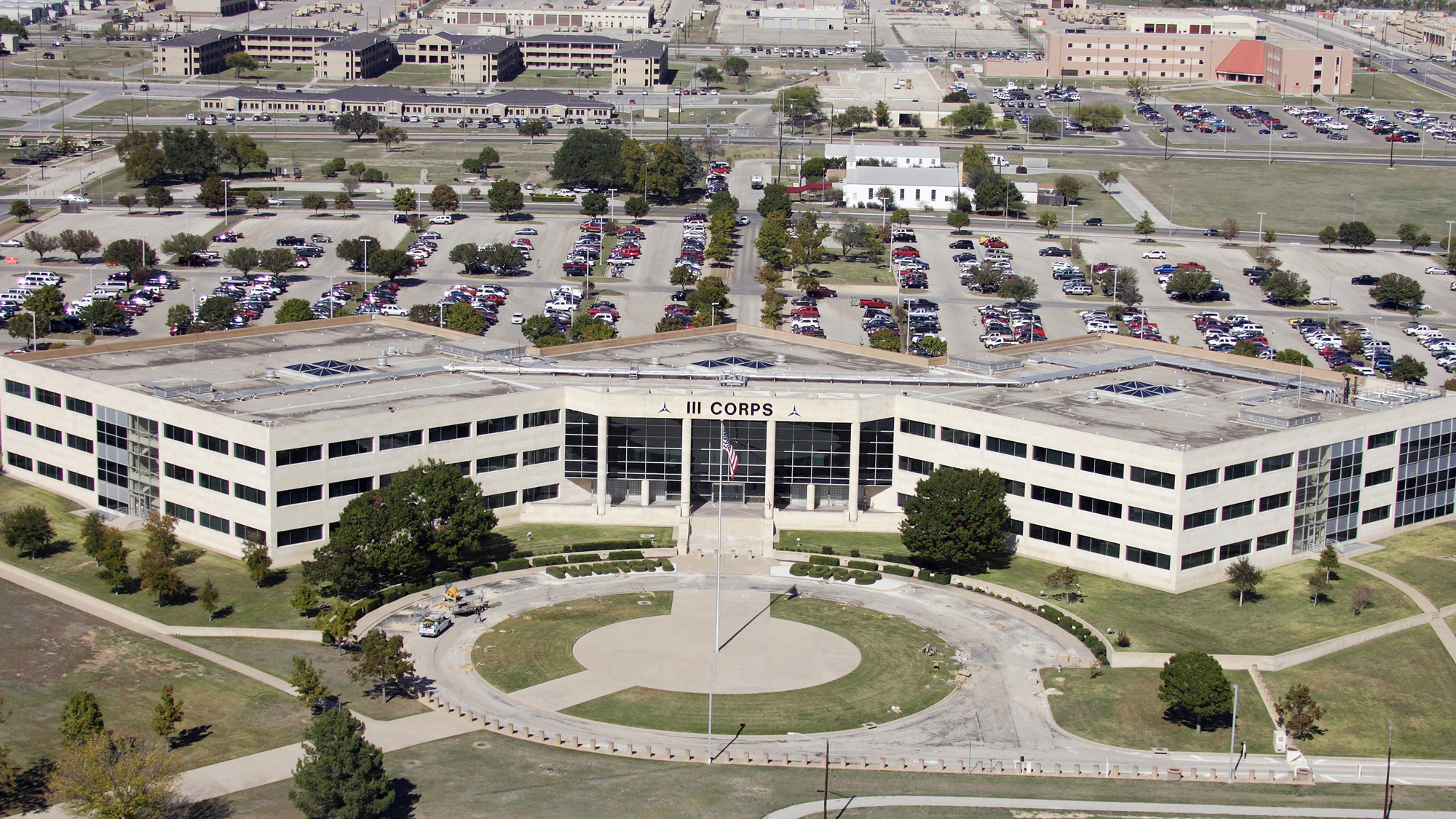
Today, Fort Hood is home to the III Armored Corps and First Army Division West, among numerous other units. It is one of the largest military bases in the world by population, often referred to as the “Great Place.” Its mission is crucial to national defense, training and deploying forces for various operations globally. The base’s sheer size allows for extensive training exercises, including live-fire drills, maneuver operations, and complex simulations, preparing soldiers for diverse combat environments.
Economic and Community Impact
The presence of Fort Hood has an immeasurable economic and social impact on Central Texas. It is a major employer, not only for military personnel but also for thousands of civilians working on the base and in support industries. The constant influx of service members and their families stimulates local economies, driving demand for housing, retail, education, healthcare, and hospitality services. This creates a vibrant, diverse community, attracting people from all walks of life and enriching the local culture.
For visitors, the base itself offers a glimpse into military life and history, often through facilities like the 1st Cavalry Division Museum and the Fort Hood Historical Center. These museums provide insightful exhibits on the history of the units stationed at Fort Hood and the role of the U.S. Army in global conflicts. The Central Texas State Veterans Cemetery, located near Killeen, also serves as a poignant reminder of the sacrifices made by service members. While access to certain parts of the base is restricted, visitor centers and designated areas allow civilians to experience a portion of this significant installation.
Beyond the Gates: Exploring Central Texas Attractions
While Fort Hood is the region’s anchor, the surrounding Central Texas area boasts a wealth of attractions, activities, and experiences that cater to diverse interests. From outdoor adventures to cultural explorations and vibrant city life, there’s much to discover for travelers.
Outdoor Adventures and Natural Beauty
The geographic location of Fort Hood places it within easy reach of some of Texas’ most beautiful natural landscapes. The region is dotted with pristine lakes, state parks, and scenic trails, offering ample opportunities for outdoor enthusiasts.
- Lakes and Water Activities: Stillhouse Hollow Lake and Belton Lake are two prominent reservoirs that provide a playground for water sports. Visitors can enjoy boating, fishing, swimming, kayaking, paddleboarding, and jet skiing. Numerous parks and recreation areas around these lakes offer camping, picnicking, and hiking trails with stunning lake views.
- Hiking and Nature Trails: For those who prefer terra firma, parks like Mother Neff State Park, Miller Springs Nature Center near Belton, and the abundant trails around the local lakes offer diverse hiking opportunities. These areas showcase the unique flora and fauna of Central Texas, from rugged limestone cliffs to verdant riparian zones. Further afield, larger lakes like Lake Travis, Lake Buchanan, and Lake Georgetown offer even more extensive recreational options.
- Wildlife Viewing: The Balcones Canyonlands National Wildlife Refuge, a short drive away, is a haven for birdwatchers and nature photographers, protecting endangered species and diverse ecosystems.
Cultural Immersion and Local Delights
The communities surrounding Fort Hood offer a genuine taste of Texan culture, blending military influences with local traditions.
- Museums and History: Beyond the base’s museums, the Bell County Museum in Belton delves into the broader history of the region. The city of Salado, a charming historic village, is known for its arts and crafts, historic inns, and the famous Stagecoach Inn, offering a glimpse into old Texas. In Killeen, the Killeen Arts and Activities Center and the Vive Les Arts Theatre offer local cultural performances and events.
- Food Scene: Central Texas is a paradise for foodies, especially those keen on authentic Texas BBQ and Tex-Mex cuisine. Local diners and independent restaurants in Killeen, Copperas Cove, and Temple provide delicious options, showcasing regional specialties.
- Shopping and Entertainment: Each city has its own shopping districts, from major retail centers in Killeen and Temple to unique boutiques and antique shops in Belton and Salado. Local events, farmers’ markets, and festivals frequently pop up, reflecting the vibrant community spirit.
Day Trips and Wider Texas Exploration
Fort Hood’s central location makes it an excellent base for exploring some of Texas’ most iconic cities, each a manageable day trip away.
- Austin (Approx. 1-hour drive): The “Live Music Capital of the World” offers an eclectic mix of music venues, food trucks, vibrant nightlife, and outdoor activities along the Colorado River. Don’t miss a visit to the Texas State Capitol or the nightly bat exodus from the Congress Avenue Bridge.
- Waco (Approx. 1-hour drive): Home to the immensely popular Magnolia Market at the Silos, Waco also boasts the Dr Pepper Museum, the Mayborn Museum Complex (a natural history and science museum), and the Cameron Park Zoo.
- San Antonio (Approx. 2-hour drive): A city steeped in history and culture, San Antonio is famous for The Alamo and the picturesque River Walk. Historic missions, delicious Tex-Mex, and family-friendly attractions like Six Flags Fiesta Texas and SeaWorld San Antonio make it a must-visit. For waterpark enthusiasts, New Braunfels and its Schlitterbahn Waterpark are a popular summer destination en route to San Antonio.
- Fredericksburg (Approx. 2-hour drive): Nestled in the Texas Hill Country, Fredericksburg is known for its German heritage, peach orchards, vineyards, and the National Museum of the Pacific War. It’s an ideal escape for wine tasting and scenic drives. Also nearby is the Lyndon B. Johnson National Historical Park.
- Dallas/Fort Worth (Approx. 2.5-hour drive): These twin cities offer a metropolitan experience with world-class museums, shopping, dining, and entertainment. In Fort Worth, explore the Fort Worth Stockyards National Historic District, the National Cowgirl Museum and Hall of Fame, and the cultural district. Dallas offers the Dallas World Aquarium, the George W. Bush Presidential Center, and the iconic Reunion Tower. The city of Grapevine, near Dallas-Fort Worth International Airport, is also known for its charming historic main street and holiday festivities.
- Houston (Approx. 3-hour drive): Houston, Texas’ largest city, is a hub for space exploration (home to Space Center Houston), diverse culinary scenes, and vibrant arts and culture. Further south from Houston lies Galveston Island, a historic coastal city offering beaches, Victorian architecture, and family attractions.
Planning Your Visit: Accommodation and Travel Insights
Visiting the Fort Hood area requires thoughtful planning, especially concerning accommodation and transportation, to ensure a comfortable and enriching experience. Given the website’s focus on travel, hotels, tourism, and lifestyle, understanding the local lodging and travel nuances is key.
Finding Your Perfect Stay: From Budget to Luxury
The communities around Fort Hood, particularly Killeen, Copperas Cove, and Harker Heights, offer a wide range of accommodation options to suit every budget and travel style.
- Hotels and Suites: You’ll find a strong presence of major hotel chains, catering to both short-term and extended stays. Options like Hilton Garden Inn, Holiday Inn Express, Fairfield Inn & Suites, Residence Inn, and La Quinta Inn & Suites are common. These typically offer amenities such as complimentary breakfast, fitness centers, and swimming pools, ideal for families or business travelers. For those seeking slightly more upscale experiences, a few boutique hotels or resorts might be found in nearby charming towns like Salado or Georgetown.
- Extended Stays and Apartments: For visitors planning longer trips, such as military families relocating or individuals on temporary assignment, extended-stay hotels or furnished apartment rentals are readily available. These options provide kitchenettes and more spacious living areas, offering a home-away-from-home feel.
- Budget-Friendly Options: Travelers on a budget will find numerous motels and economy hotels that provide clean, comfortable, and affordable lodging. Online booking platforms are excellent resources for comparing prices, reading reviews, and securing the best deals.
- Campgrounds and RV Parks: Given the abundance of natural beauty, particularly around Stillhouse Hollow Lake and Belton Lake, camping and RV parks are popular choices for those seeking an outdoor-centric experience. These often come with amenities like hookups, shower facilities, and direct access to recreational areas.
Navigating the Area: Transportation and Practical Advice
To fully explore Fort Hood and its environs, a personal vehicle is highly recommended. Central Texas is a driving-centric region, and public transportation options are limited outside of local taxi or ride-sharing services within the immediate cities.
- Getting There: The closest commercial airport is Killeen-Fort Hood Regional Airport (GRK), offering direct flights to major hubs. Alternatively, Austin-Bergstrom International Airport (AUS) provides a wider range of flight options, though it requires an approximately hour-long drive north to Fort Hood. Car rental agencies are available at both airports.
- On the Base: Visitors to Fort Hood must adhere to specific access requirements, including presenting a valid ID and potentially undergoing a background check at the visitor control centers. It’s always advisable to check the official Fort Hood website for the most current entry procedures.
- Best Time to Visit: Spring (March-May) and Fall (September-November) offer the most pleasant weather for outdoor activities, with mild temperatures and beautiful Texas wildflowers in spring. Summers can be very hot, while winters are generally mild.
- Lifestyle Considerations: The region offers a relaxed Texan lifestyle, influenced by its military population, which brings a global perspective to local culture. Whether you’re interested in budget travel, a family trip with educational elements, or a comfortable business stay, the area provides a welcoming environment. Nearby larger cities like Round Rock and Georgetown offer additional attractions like shopping outlets and historic town squares.
In conclusion, Fort Hood, Texas, is far more than just a dot on the map; it is a vibrant cornerstone of Central Texas, surrounded by communities brimming with history, natural beauty, and modern conveniences. Its strategic location makes it an ideal starting point for exploring the diverse landscapes and rich culture of the Lone Star State. Whether your journey is driven by military ties, an appetite for adventure, or a quest for authentic Texan experiences, Fort Hood and its neighboring towns invite you to discover a unique blend of American heritage and regional charm.
LifeOutOfTheBox is a participant in the Amazon Services LLC Associates Program, an affiliate advertising program designed to provide a means for sites to earn advertising fees by advertising and linking to Amazon.com. Amazon, the Amazon logo, AmazonSupply, and the AmazonSupply logo are trademarks of Amazon.com, Inc. or its affiliates. As an Amazon Associate we earn affiliate commissions from qualifying purchases.