
Navigating the Sunshine State: Fort Lauderdale’s Geographic Identity
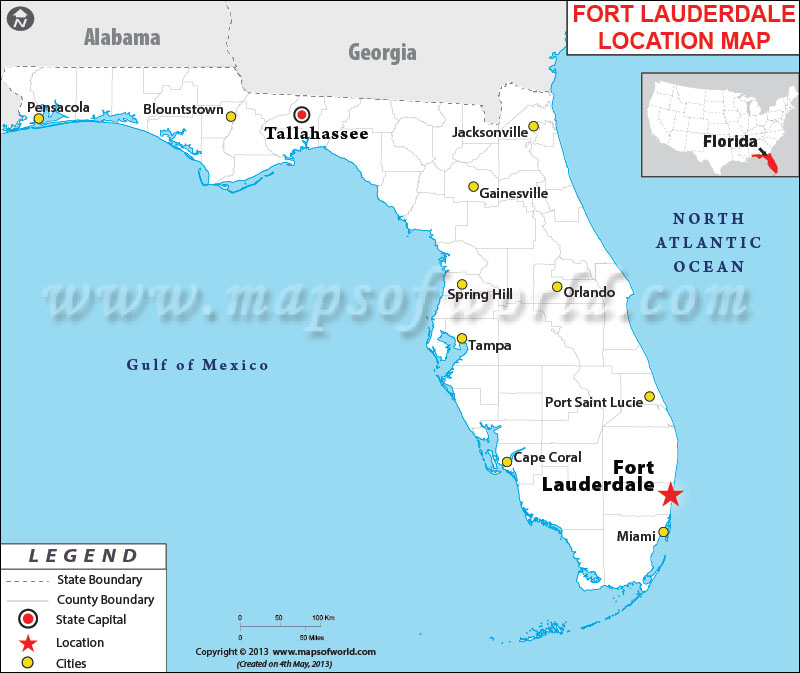
Fort Lauderdale, often referred to as the “Venice of America” due to its extensive network of canals, is a prominent city situated in the southeastern corner of the U.S. state of Florida. Its strategic location places it within Broward County, a vibrant and populous county that forms a crucial part of the larger Miami metropolitan area. To precisely pinpoint its location on a map, one would look to the eastern coastline of Florida, specifically along the Atlantic Ocean. This coastal positioning is a defining characteristic, influencing its climate, economy, and the very essence of its appeal as a travel destination.
Southeastern Florida: A Coastal Jewel
The Sunshine State is renowned for its diverse geography, from the subtropical wetlands of the Everglades to the pristine beaches lining its extensive coastline. Within this landscape, Fort Lauderdale occupies a significant stretch of the Atlantic coast, just north of Miami-Dade County. This proximity to Miami means that Fort Lauderdale is often considered part of a larger, interconnected urban and economic region, offering visitors the combined advantages of two distinct yet complementary destinations. The city’s coordinates place it roughly between 26.12 degrees North latitude and 80.14 degrees West longitude. This position on the map firmly anchors it within the tropical and subtropical climate zones of North America, contributing to its year-round appeal for outdoor activities and beach tourism.
The Interconnectedness of South Florida
Understanding the location of Fort Lauderdale necessitates an appreciation for the broader geographical and metropolitan context of South Florida. The region is characterized by a flat topography, with elevations generally remaining close to sea level, a factor that has shaped its development and infrastructure, particularly concerning water management. Fort Lauderdale itself is a central hub within Broward County, serving as its county seat. This county is bordered by Palm Beach County to the north and Miami-Dade County to the south, further solidifying its position within a densely populated and economically vital corridor. The presence of major transportation arteries, such as Interstate 95 (I-95), the Florida Turnpike, and U.S. Route 1, running through or near the city, makes it highly accessible from other parts of Florida and beyond, reinforcing its connectivity within the state and the nation.
Fort Lauderdale’s Coastal Significance and Waterways
The defining feature of Fort Lauderdale’s geography, beyond its Atlantic coastline, is its intricate system of inland waterways. This network of canals, rivers, and the Intracoastal Waterway is not merely a scenic attribute; it is fundamental to the city’s identity and its historical development. These waterways provide a unique maritime character, allowing for extensive boating, watersports, and a distinct lifestyle for many of its residents.
The “Venice of America” Analogy
The moniker “Venice of America” is not hyperbole. Fort Lauderdale boasts over 300 miles of navigable waterways, including canals that stretch from the New River to the Atlantic Ocean. These waterways are lined with homes, businesses, and docks, creating a picturesque and functional maritime landscape. The New River, a unique east-flowing river, bisects the city, providing a crucial connection between the inland areas and the ocean. Its presence has been instrumental in the city’s growth, facilitating trade and transportation since its early days. Exploring these canals by boat, whether on a private vessel or a guided tour, offers a quintessential Fort Lauderdale experience, showcasing the intimate relationship between the city and its aquatic environment.
The Intracoastal Waterway: A Maritime Highway
Running parallel to the Atlantic Ocean coastline, the Intracoastal Waterway (ICW) is a vital navigational route that significantly impacts Fort Lauderdale. This protected inland waterway connects various coastal communities and provides a sheltered passage for boats, particularly for those traveling longer distances along the coast. For Fort Lauderdale, the ICW serves as a vibrant artery for recreational boating, fishing, and marine commerce. Its presence enhances the city’s appeal to boaters and contributes to its status as a premier yachting destination. The numerous marinas and boatyards dotting the shoreline underscore the importance of this waterway to the local economy and lifestyle.
Connectivity and Accessibility: Reaching Fort Lauderdale
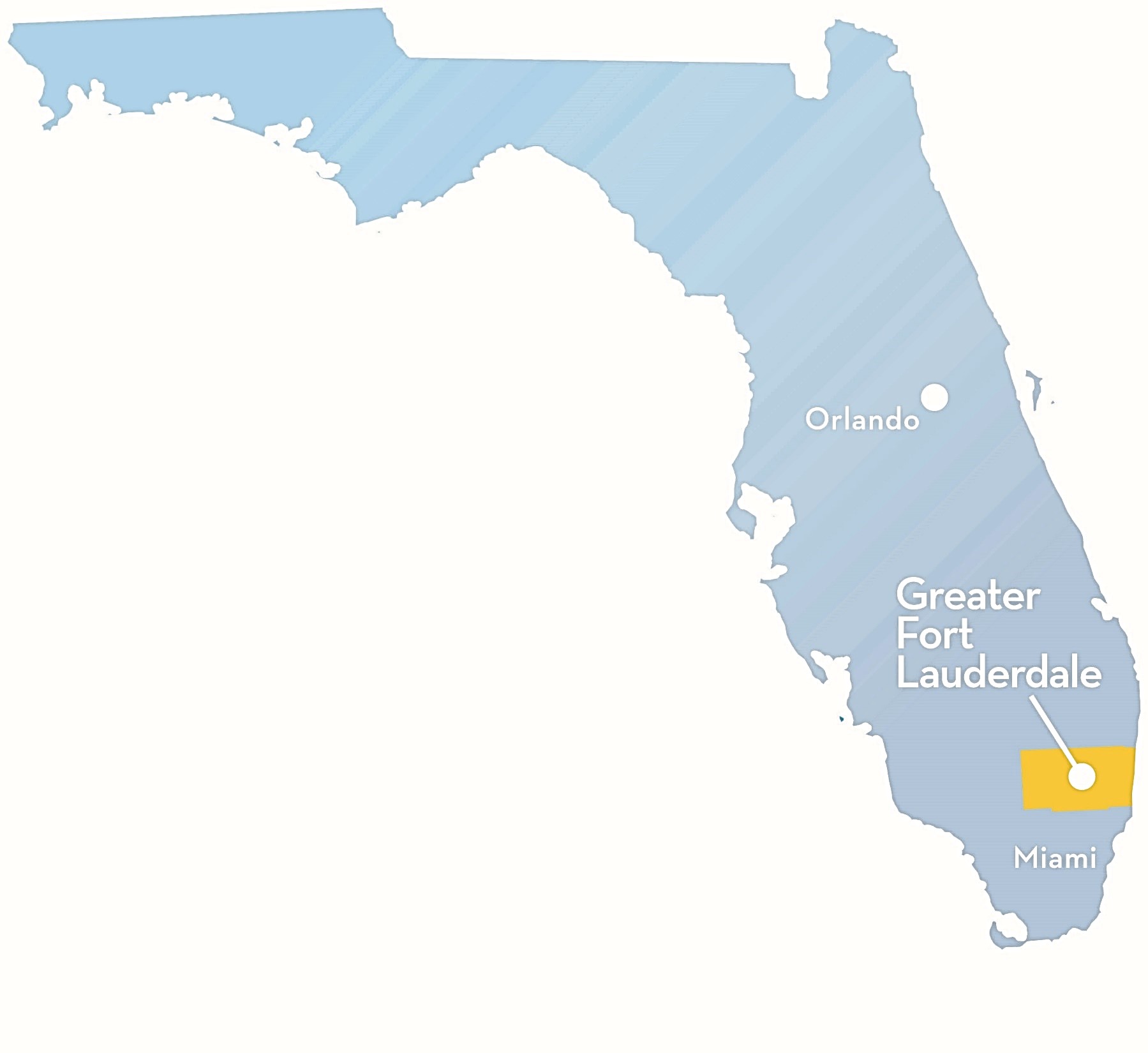
Fort Lauderdale‘s location is further defined by its excellent connectivity, making it an accessible destination for travelers from across the globe. Its proximity to major transportation hubs and its own well-developed infrastructure ensure that reaching and navigating the city is a straightforward affair.
Air Travel: Fort Lauderdale-Hollywood International Airport
A primary gateway to Fort Lauderdale is the Fort Lauderdale-Hollywood International Airport (FLL). This bustling airport is strategically located just a few miles southwest of downtown Fort Lauderdale, making it incredibly convenient for arriving passengers. FLL is a major hub for numerous domestic and international airlines, offering a vast array of flight options. Its proximity to the city center and its excellent ground transportation links, including taxis, ride-sharing services, and airport shuttles, facilitate a smooth transition from air travel to experiencing Fort Lauderdale’s attractions. The airport’s convenient location means that travelers can often be at their hotel or ready to explore the beaches and attractions within minutes of landing.
Road Networks: Major Highways and Thoroughfares
For those traveling by car, Fort Lauderdale is well-served by a comprehensive network of highways. Interstate 95 (I-95), the main north-south freeway on the East Coast of the United States, runs directly through the city, providing easy access from Miami to the south and cities further north in Florida. The Florida Turnpike, another major toll road, also offers convenient access from various points within the state. Additionally, U.S. Route 1, a historic and scenic highway, parallels the coast and passes through Fort Lauderdale, offering a more leisurely route with access to local businesses and attractions. These well-maintained road networks ensure that getting to Fort Lauderdale by car is efficient and direct, catering to a significant portion of its visitors.
Port Everglades: A Maritime Gateway
Beyond air and road travel, Fort Lauderdale also boasts a significant maritime gateway in Port Everglades. This is one of the busiest cruise ports in the world, welcoming millions of passengers annually. Cruise lines such as Carnival Cruise Line, Celebrity Cruises, and Royal Caribbean International frequently depart from Port Everglades, offering voyages to the Caribbean, Bermuda, and other exciting destinations. The presence of such a major cruise port further solidifies Fort Lauderdale’s position as a key travel hub in South Florida, attracting visitors who are both starting and ending their vacation experiences in the city. Its strategic location on the Atlantic Ocean makes it an ideal point of embarkation and disembarkation for a wide range of nautical adventures.
Nearby Destinations and Regional Integration
The location of Fort Lauderdale is also significant due to its proximity to other popular destinations in South Florida, creating a rich tapestry of travel possibilities within a relatively small geographic area. This regional integration allows visitors to easily combine a visit to Fort Lauderdale with explorations of its neighboring cities and natural attractions.
The Proximity of Miami
Just a short drive south of Fort Lauderdale lies Miami, a global metropolis renowned for its vibrant culture, stunning beaches, and diverse culinary scene. The approximately 30-mile distance between the two cities means that many visitors choose to experience both. Travelers can easily spend a few days enjoying Fort Lauderdale’s more laid-back beach atmosphere and intricate waterways, then take a day trip or even relocate to Miami to immerse themselves in its dynamic urban energy, explore areas like South Beach, or visit attractions like Bayside Marketplace. This close geographical relationship makes the Miami-Fort Lauderdale area a comprehensive vacation destination, offering a spectrum of experiences from tranquil coastal retreats to bustling city life.
The Everglades National Park
To the west of Fort Lauderdale, lies the unique and expansive ecosystem of the Everglades National Park. This UNESCO World Heritage Site is a vast subtropical wilderness, famous for its sawgrass marshes, cypress swamps, and diverse wildlife. The proximity of Fort Lauderdale to the Everglades offers visitors a remarkable opportunity to experience a completely different facet of Florida’s natural beauty. Day trips to the Everglades from Fort Lauderdale are common, allowing travelers to embark on airboat tours, spot alligators and other native species, and learn about this critically important natural environment. This easy access to such a significant natural wonder adds another layer of appeal to Fort Lauderdale as a base for exploration.

Boca Raton and Palm Beach
Heading north along the coast from Fort Lauderdale, one encounters other affluent coastal cities, including Boca Raton and the famed Palm Beach. These destinations offer their own distinct charms, from upscale shopping and dining in Boca Raton to the luxurious estates and designer boutiques of Palm Beach. The well-connected road networks in South Florida make it simple to explore these neighboring communities, whether for a day of sightseeing, a gourmet meal, or simply to experience the varied coastal lifestyles that characterize this part of Florida. The ease with which one can traverse this region underscores Fort Lauderdale’s central position within a desirable and diverse travel corridor.
LifeOutOfTheBox is a participant in the Amazon Services LLC Associates Program, an affiliate advertising program designed to provide a means for sites to earn advertising fees by advertising and linking to Amazon.com. Amazon, the Amazon logo, AmazonSupply, and the AmazonSupply logo are trademarks of Amazon.com, Inc. or its affiliates. As an Amazon Associate we earn affiliate commissions from qualifying purchases.