
Located in the expansive, sun-drenched high plains of De Baca County, Fort Sumner stands as a testament to the rugged spirit of the American West. Positioned in the eastern quadrant of New Mexico, this quiet community serves as a vital historical nexus, connecting the legacy of the Pecos River with the enduring myths of outlaw culture. Travelers who venture into this part of the United States will find themselves traversing a landscape defined by dramatic horizons, vast cattle ranches, and the whispers of 19th-century history.
Geographic Placement and Accessibility
For those planning a journey to this corner of the Southwest, understanding its geography is essential. Fort Sumner sits roughly 160 miles southeast of Albuquerque and about 100 miles south of Santa Rosa. The town is primarily accessed via U.S. Route 60 and U.S. Route 84, both of which serve as major arteries for transcontinental travelers and regional commuters alike.

Navigating the High Plains
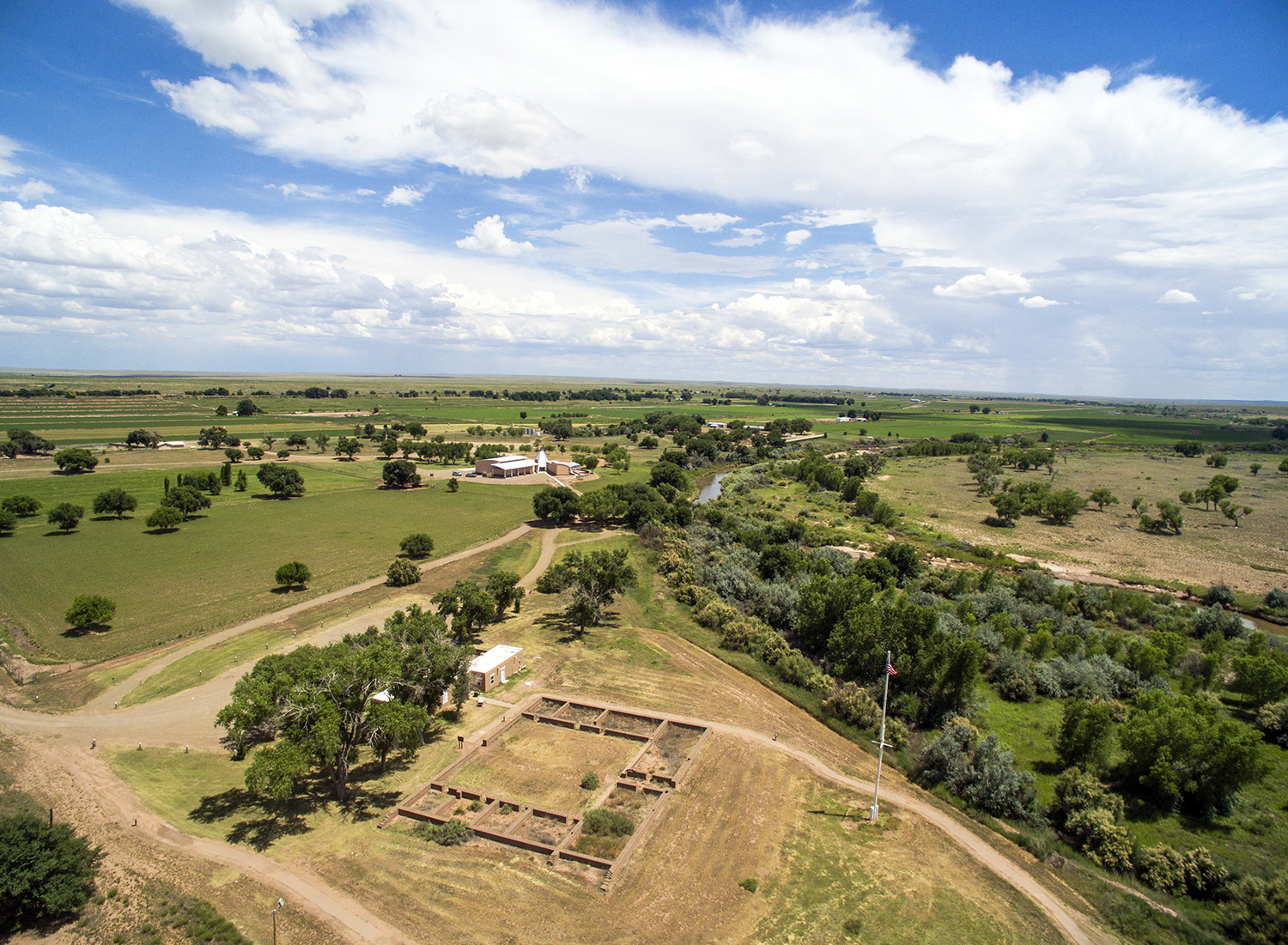
The terrain surrounding the town is characterized by short-grass prairie and the meandering valley of the Pecos River. This geography has long dictated the flow of human settlement in the region. Whether you are arriving from the bustling urban center of Albuquerque or the agricultural hubs of West Texas, the drive provides a stark, meditative experience. The vast, unobstructed sky offers a quintessential New Mexico vista that feels largely unchanged by the rapid pace of modern development.
Proximity to Major Regional Hubs
While the town is certainly rural, its placement makes it a perfect stopover for those traveling between major corridors. For those navigating the Interstate 40 corridor, a detour south into De Baca County provides a welcome respite from high-speed transit. The isolation is part of the charm, offering visitors a chance to engage with the environment without the distractions of dense tourism infrastructure.
A Legacy Etched in History
The identity of this destination is irrevocably linked to its namesake, the original Fort Sumner, which was established in the 1860s. The site served as a military installation during a turbulent era in the history of the United States, particularly regarding the tragic internment of the Navajo and Mescalero Apache peoples at the nearby Bosque Redondo.
The Bosque Redondo Memorial
Today, the Bosque Redondo Memorial stands as a profound site of reflection and education. It provides an essential narrative of resilience and survival, shedding light on the “Long Walk” and the subsequent efforts to reclaim cultural heritage. Visitors are encouraged to dedicate significant time to this location, as it provides the necessary context for understanding the cultural fabric of New Mexico.

The Myth and Reality of Billy the Kid
Perhaps most famously, Fort Sumner serves as the final resting place of the notorious outlaw Billy the Kid. The Billy the Kid Museum is a premier attraction that houses a vast collection of artifacts, including the legendary outlaw’s rifle and personal items that document the chaotic nature of the Lincoln County War. For history enthusiasts, the juxtaposition of the military fort’s somber history and the folklore surrounding Billy the Kid makes this town a compelling study in regional narrative.
Natural Attractions and Outdoor Activities
While history is the primary draw for many, the natural surroundings offer a distinct landscape for exploration. The region is not merely a dry plateau; it is a vital ecosystem sustained by the Pecos River and nearby reservoirs.
Sumner Lake State Park
A short distance from the town center, Sumner Lake State Park acts as an oasis in the high desert. This destination is popular for water-based recreation, including boating, fishing, and swimming. The lake provides a stark, beautiful contrast to the surrounding arid plains, drawing families and outdoor enthusiasts from across New Mexico and Texas. During the migration seasons, the park also becomes an excellent vantage point for birdwatching, as the waterway serves as a critical stop for migratory species.
Exploring the Pecos Valley
The Pecos River corridor provides miles of terrain suitable for those who enjoy hiking or photography. The lighting at dawn and dusk across the river valley offers unparalleled opportunities for capturing the textures of the high desert. As one travels along the river, it becomes easy to appreciate why this location was chosen as a settlement site in the 19th century—the water remains the lifeblood of the De Baca County economy and environment.
Travel Tips for a Seamless Visit
Visiting a rural destination requires a modicum of preparation. While the town provides essential services, the gaps between gas stations and amenities in rural New Mexico can be significant.
Best Time to Travel
The high desert climate features distinct seasonal shifts. Summers can be intensely hot, making early morning or late evening the most comfortable times to explore the Bosque Redondo Memorial or the surrounding trails. Conversely, autumn and spring provide mild temperatures and clear, crisp air that is ideal for long drives and outdoor excursions. Winter can bring surprising cold and occasional snow, though the region generally maintains its accessibility throughout the year.
Essential Gear and Preparation
- Hydration: Always carry more water than you expect to consume. The altitude and arid air in the Southwest can lead to rapid dehydration.
- Fuel Management: While Fort Sumner has fuel, do not assume you will find services in every small town along the way if you are traversing secondary highways.
- Connectivity: Cell service can be intermittent in the more remote stretches of De Baca County. Download offline maps before departing from urban centers like Albuquerque.
- Cultural Respect: When visiting sites like the Bosque Redondo Memorial, maintain a respectful demeanor. These sites are significant to Indigenous communities and hold deep emotional and historical weight.
By following these guidelines, your visit to this historic frontier town will be as rewarding as it is insightful. Fort Sumner invites travelers to look past the surface of the landscape and engage with the layers of history—both triumphant and tragic—that define the spirit of the United States. Whether you are drawn by the lore of Billy the Kid or the tranquility of Sumner Lake State Park, the journey promises a deeper understanding of the land and those who have inhabited it across generations.
LifeOutOfTheBox is a participant in the Amazon Services LLC Associates Program, an affiliate advertising program designed to provide a means for sites to earn advertising fees by advertising and linking to Amazon.com. Amazon, the Amazon logo, AmazonSupply, and the AmazonSupply logo are trademarks of Amazon.com, Inc. or its affiliates. As an Amazon Associate we earn affiliate commissions from qualifying purchases.