
Gainesville, Florida, often evokes images of vibrant university life, lush natural springs, and a burgeoning arts scene. However, understanding its precise geographical placement and the “lines” that define its accessibility and character requires a closer look at its location within the Sunshine State and the transportation networks that connect it. This exploration delves into Gainesville’s position, not just on a physical map, but within the broader context of Florida’s infrastructure and its appeal as a destination.
Strategic Location and Regional Connectivity
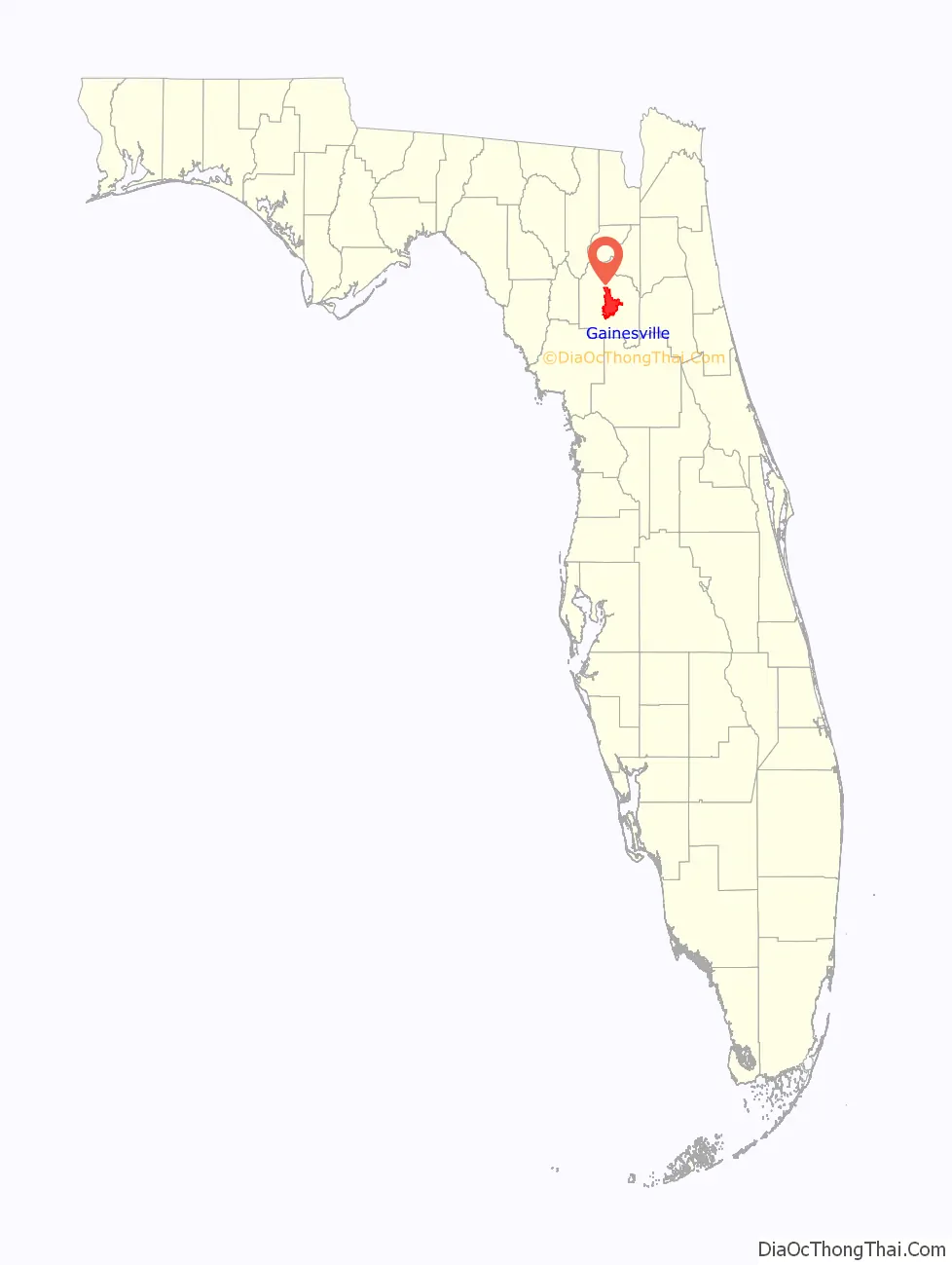
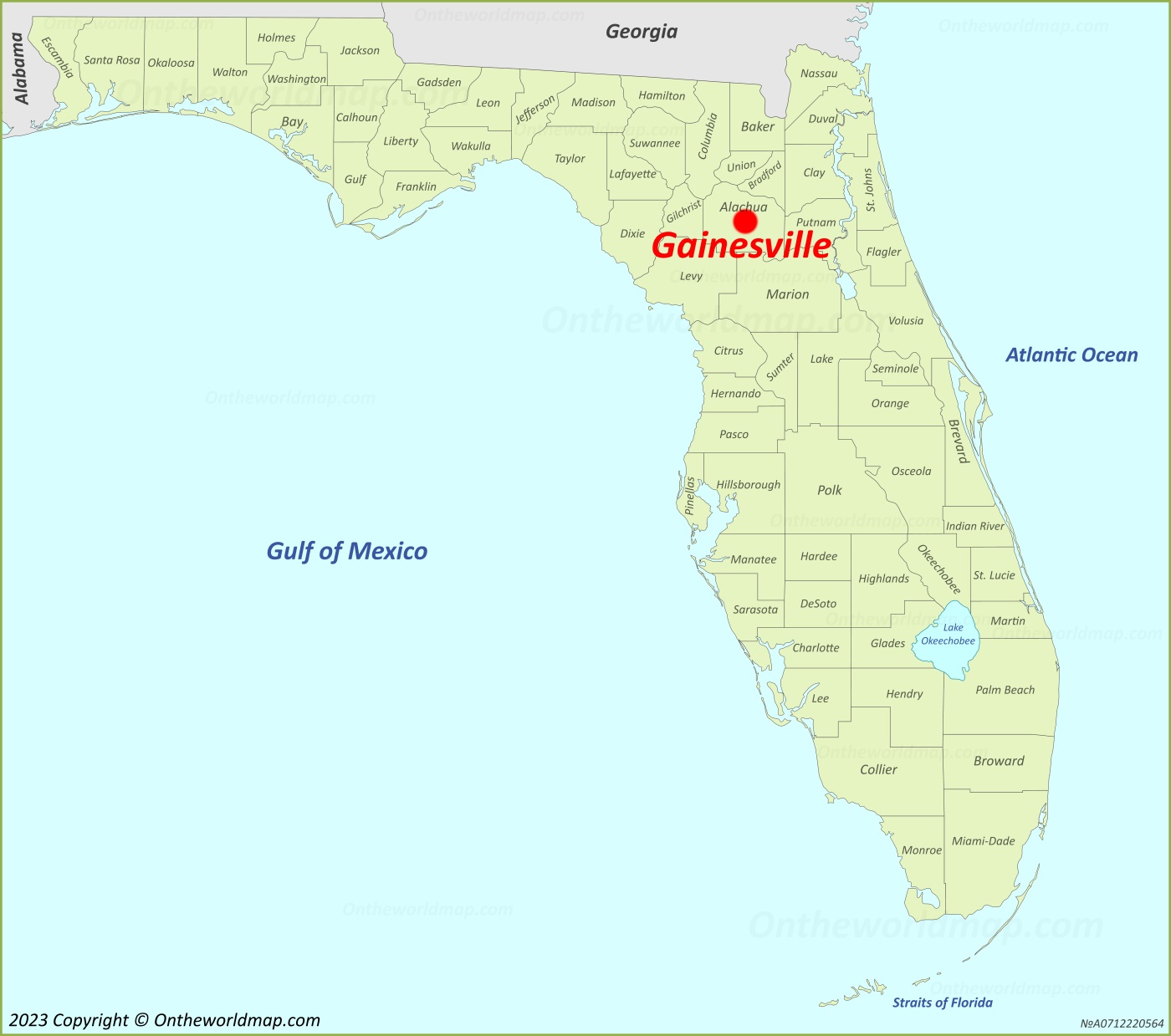
Gainesville occupies a pivotal position in North Central Florida, serving as a hub for a region rich in natural beauty and cultural attractions. Its placement is not merely incidental; it influences its accessibility, economic ties, and the types of experiences it offers to visitors.

North Central Florida Hub
Nestled approximately halfway between the state’s Atlantic and Gulf coasts, Gainesville benefits from a central vantage point. This positioning makes it a convenient stop for travelers traversing the state. It’s roughly 75 miles southwest of Jacksonville and about 110 miles northwest of Orlando, two major entry points into Florida. This proximity to larger metropolitan areas and international airports (like Jacksonville International Airport and Orlando International Airport) enhances its accessibility for domestic and international tourists alike.
Proximity to Natural Wonders
A significant aspect of Gainesville’s “map with lines” includes its proximity to some of Florida’s most celebrated natural treasures. The Ocala National Forest, the second-largest national forest in Florida, lies to the south, offering extensive opportunities for hiking, camping, and exploring diverse ecosystems. To the east, the St. Johns River basin provides a network of waterways for boating and fishing. The city itself is famously known for its abundance of freshwater springs, including the renowned Ginnie Springs, Ichetucknee Springs State Park, and Devil’s Den Spring, which draw visitors for their crystal-clear waters and recreational activities like snorkeling, scuba diving, and tubing.
The University Influence
The presence of the University of Florida, a major research institution and the state’s flagship university, significantly shapes Gainesville’s identity and its “lines” of influence. The university attracts a constant flow of students, faculty, and visitors, fostering a dynamic intellectual and cultural environment. This academic presence translates into a lively downtown area, a diverse culinary scene, and numerous cultural events, from theatrical performances to art exhibitions, throughout the year.
Navigating Gainesville: Transportation Networks
Understanding Gainesville’s position on the map also necessitates an examination of the physical lines of transportation that connect it to the wider world and facilitate movement within the city.
Major Roadways
Gainesville is strategically intersected by several key highways, forming the primary “lines” for vehicular travel.
Interstate Highways and U.S. Routes
U.S. Route 1, 19, and 27 converge and run through Gainesville, providing direct north-south and east-west arteries. U.S. Route 441 also plays a crucial role in local and regional connectivity. While not directly served by an Interstate highway, Gainesville is easily accessible from I-75, which runs about 15 miles to its west. Exiting I-75 at specific junctions and following state roads leads directly into the city, making it a straightforward drive from major Florida cities like Tampa and Miami.
State Roads and Scenic Byways
Numerous state roads branch out from Gainesville, offering access to smaller towns and natural attractions. For instance, State Road 26 provides a scenic route eastward towards the coast, while State Road 20 heads west, connecting to other parts of North Florida. The region is also dotted with officially designated scenic byways, such as the Suwannee River Scenic Corridor, which can be accessed with a moderate drive from Gainesville, offering picturesque drives through unspoiled landscapes.
Air Travel and Public Transportation
While Gainesville does not host a major international airport within its immediate vicinity, its air connectivity is well-established.
Gainesville Regional Airport
Gainesville Regional Airport (GNV) serves as the primary air gateway for the city. It offers commercial flights primarily connecting to hubs like Atlanta, Charlotte, and Dallas, from where travelers can catch flights to destinations worldwide. The airport’s manageable size and efficient operations make it a convenient option for many visitors.
Public Transit and Ride-Sharing
Within Gainesville, the Regional Transit System (RTS) operates a comprehensive bus network, providing affordable and accessible transportation throughout the city and to the University of Florida campus. This network is particularly useful for students, residents, and visitors looking to navigate without a personal vehicle. Additionally, ride-sharing services like Uber and Lyft are readily available, offering on-demand transportation for getting around town or to and from the airport.
Gainesville’s Place in Florida’s Tourism Landscape
Gainesville occupies a unique niche in Florida’s tourism map, often overshadowed by the theme park meccas of Orlando or the pristine beaches of the coasts. However, its distinct appeal lies in its focus on nature, culture, and a more laid-back, authentic Florida experience.
Ecotourism and Outdoor Adventures
The “lines” of Gainesville’s tourism map are strongly defined by its natural attractions. It serves as an excellent base for exploring North Florida’s springs, forests, and wildlife refuges.
Springs and Rivers
The abundance of crystal-clear springs is arguably Gainesville’s biggest draw for outdoor enthusiasts. Visitors can spend days tubing down the Ichetucknee River, snorkeling in the vibrant waters of Ginnie Springs, or exploring the unique geological formations of Devil’s Den Spring. Beyond the springs, the nearby Santa Fe River offers opportunities for kayaking and canoeing.
Wildlife and Nature Preserves
The Paynes Prairie Preserve State Park, a National Natural Landmark just south of Gainesville, is a significant attraction. This expansive grassland is home to free-roaming herds of wild horses and bison, and it’s a birdwatcher’s paradise, especially during migration seasons. Other nearby preserves, like the Alfred B. Maclay Gardens State Park with its stunning azaleas and camellias, add to the region’s appeal for nature lovers.
Cultural and Educational Attractions
The influence of the University of Florida extends beyond academics, contributing significantly to Gainesville’s cultural landscape.
Museums and Galleries
The Samuel P. Harn Museum of Art, affiliated with the university, houses a diverse collection spanning ancient to contemporary art, with notable strengths in Asian, African, and Modern and Contemporary art. The Florida Museum of Natural History, also on the UF campus, offers immersive exhibits on Florida’s ecosystems, prehistoric life, and cultural heritage. The downtown area and surrounding neighborhoods host numerous smaller galleries and studios showcasing local and regional artists.
Performing Arts and Events
Gainesville boasts a vibrant performing arts scene. The Curtis M. Phillips Center for the Performing Arts on the UF campus hosts a variety of touring Broadway shows, concerts, and dance performances. Local theaters and music venues provide a constant stream of live entertainment, from independent productions to touring musicians. The city also hosts numerous festivals throughout the year, celebrating everything from local food and music to cultural heritage.
Culinary Delights and Local Flavors
Gainesville’s culinary scene reflects its diverse population, driven by the university and its appreciation for fresh, local ingredients.
Farm-to-Table Movement
There’s a strong emphasis on farm-to-table dining in Gainesville, with many restaurants sourcing ingredients from local farms in the surrounding Alachua County. This commitment to freshness results in a dynamic and seasonal menu across the city.
Diverse Dining Experiences
From casual eateries serving up classic Southern fare to innovative international cuisine, Gainesville offers a wide range of dining options. The university district is particularly known for its eclectic mix of affordable and international restaurants, while the downtown area features more upscale dining establishments and popular breweries. The weekly Gainesville Farmers Market is a popular spot for locals and visitors to sample fresh produce, artisanal goods, and prepared foods.
Conclusion: Gainesville’s Enduring Appeal
Gainesville, Florida, is more than just a dot on the map; it’s a destination defined by its strategic location, accessible “lines” of transportation, and a unique blend of natural beauty, academic vibrancy, and cultural richness. Whether you’re drawn by the allure of crystal-clear springs, the intellectual pulse of a major university, or the taste of locally sourced cuisine, Gainesville offers an authentic Florida experience that extends far beyond the traditional tourist trails. Its position as a hub for outdoor adventure and cultural exploration solidifies its place as a must-visit destination for those seeking a deeper connection with the Sunshine State.
LifeOutOfTheBox is a participant in the Amazon Services LLC Associates Program, an affiliate advertising program designed to provide a means for sites to earn advertising fees by advertising and linking to Amazon.com. Amazon, the Amazon logo, AmazonSupply, and the AmazonSupply logo are trademarks of Amazon.com, Inc. or its affiliates. As an Amazon Associate we earn affiliate commissions from qualifying purchases.