
The rugged, untamed landscapes of Alaska have captivated audiences for generations, and the Discovery Channel’s hit series Gold Rush is no exception. While the show, originally titled Gold Rush Alaska, immerses viewers in the intense world of modern-day gold mining, a crucial element of its appeal lies in its authentic, breathtaking backdrop. The question of precisely where this demanding enterprise unfolds is central to understanding the show’s unique brand of adventure and the sheer grit required by its participants. The primary filming locations for Gold Rush Alaska have historically centered around the rich mineral deposits found in the vast northern territories, drawing parallels to the historical Gold Rush era that inspired the series.
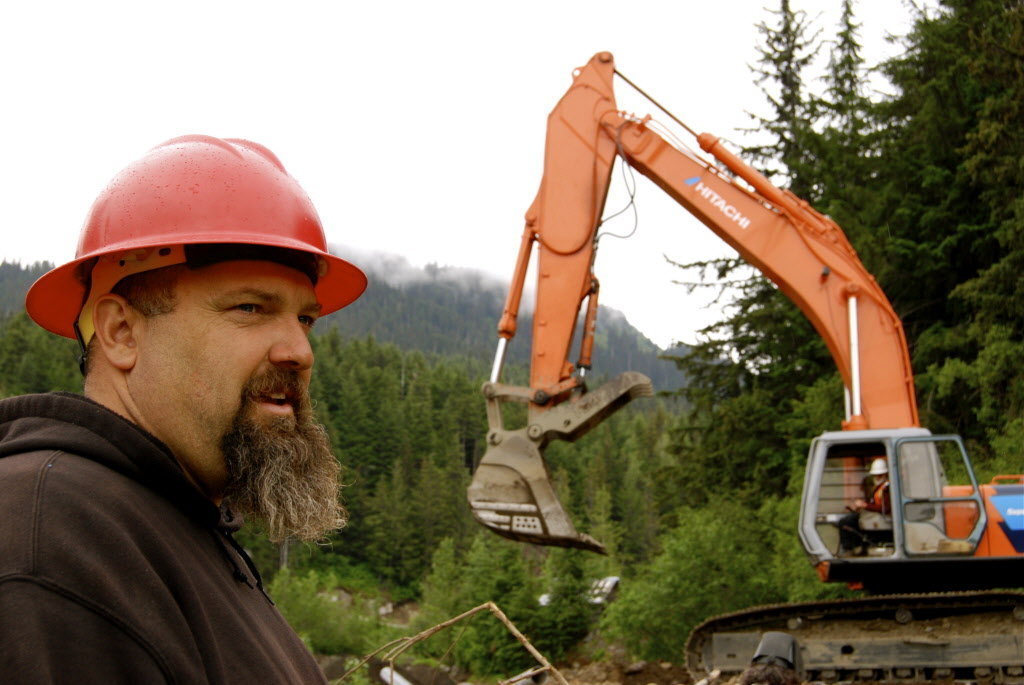
The Heart of the Operation: Porcupine Creek and Surrounding Regions
The most iconic and persistent filming location for Gold Rush Alaska has been the Porcupine Creek mining area, situated in the remote wilderness of the Yukon Territory, Canada. While the show’s title suggests a focus on Alaska, the most prolific and dramatic mining operations viewers have followed, particularly in the early seasons, were in fact just across the border. This region is renowned for its placer gold deposits, remnants of ancient riverbeds and glacial activity that have concentrated precious metals over millennia.
The Allure of the Yukon
The choice of the Yukon as a primary filming location is deeply rooted in its historical significance and the persistent presence of gold. Places like Dawson City, a town famously born from the Klondike Gold Rush of 1896-1899, serve as a conceptual anchor for the modern-day endeavors. Although the active mining claims featured in Gold Rush Alaska are often more remote than the historical hubs, the spirit of the original gold prospectors is palpable. The challenging terrain, characterized by dense boreal forests, permafrost, and a short, intense mining season, presents formidable obstacles that are as much a part of the narrative as the gold itself.
Life in Remote Mining Camps
The filming captures the raw, unvarnished reality of life in isolated mining camps. These are not luxury resorts or accessible tourist destinations; they are functional, often spartan, bases of operation carved out of the wilderness. The crew documents the daily grind, the machinery breaking down, the harsh weather conditions, and the constant struggle against the elements and the unforgiving ground. The remoteness of Porcupine Creek and similar locations in the Yukon means that logistics are a significant part of the operation, from transporting heavy equipment to ensuring supplies reach the crews. This isolation contributes immensely to the show’s dramatic tension and the viewers’ sense of witnessing an extreme challenge.
Expanding Horizons: Shifting Landscapes and New Ventures
As the series evolved, so too did its geographical scope. While the Yukon remained a significant setting, particularly for the crew led by Tony Beets and his family, other promising goldfields have been explored and featured in subsequent seasons. These expansions have taken the Gold Rush narrative into different, yet equally challenging, Alaskan and Canadian territories, each offering unique geological characteristics and logistical hurdles.
The Alaskan Frontier
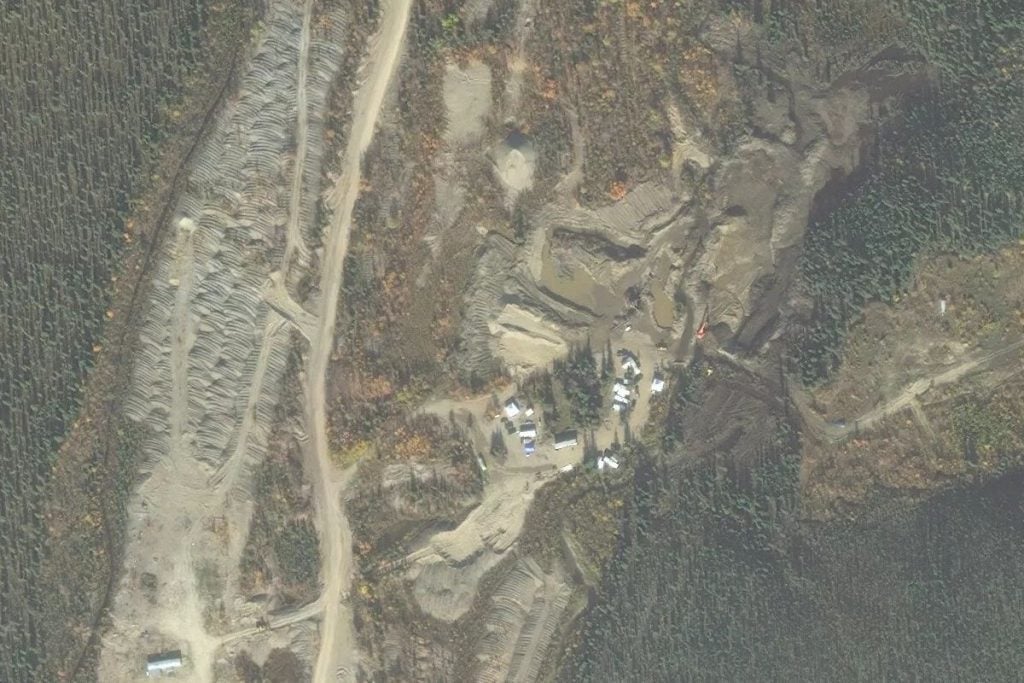
In certain seasons, the focus has shifted to various locations within Alaska itself. These areas often boast different types of gold deposits, from ancient riverbeds to hard rock veins, requiring different mining techniques. For instance, the Fairbanks mining district, a region with a long and storied history of gold production, has been a recurring area of interest. The geological diversity across Alaska provides ample opportunity for new claims, new challenges, and new storylines for the miners.
Exploring Unique Alaskan Geology
The state of Alaska is a geological wonderland, offering a rich tapestry of mineral resources. Different regions have been targeted for their specific gold-bearing potential. This could include areas near Nome on the Seward Peninsula, known for its coastal gold deposits, or the vast interior regions where placer mining has historically thrived. Each new location brings its own set of environmental conditions, from the tundra’s permafrost to the coastal weather patterns, further testing the resilience of the mining operations.
Diversification in the Canadian North
Beyond the Yukon, other parts of the Canadian North have also been explored. This diversification allows the show to present a broader picture of the challenges and opportunities inherent in gold mining across the vast and often unforgiving northern latitudes. These new locations require miners to adapt their strategies, equipment, and understanding of the local geology, adding layers of complexity to their quest for riches.
The Filming Process: Capturing the Grit and the Grandeur
The production of Gold Rush Alaska is a feat of logistical planning in itself. Filming in such remote and harsh environments requires a dedicated crew capable of operating under extreme conditions. The use of specialized equipment, including drones for aerial shots of the vast landscapes and rugged terrain, and robust camera gear that can withstand sub-zero temperatures and dust, is essential.
Adapting to Extreme Conditions
The crew must navigate the same challenges as the miners, often working long hours in difficult weather. Freezing temperatures, heavy snow, and limited daylight in winter months are common adversaries. The remote nature of the filming locations means that accommodations and transportation are often basic, and the crew must be self-sufficient. This commitment to authenticity means that the cameras are often right in the thick of the action, capturing the sweat, the frustration, and the occasional triumphs.
The Narrative of the Hunt
Beyond the geographical locations, the filming process is intrinsically tied to the narrative of the gold hunt. The production team meticulously documents the processes of prospecting, claim staking, excavation, and processing. This includes following the miners as they scout new ground, deal with permits and land rights, and manage their crews and equipment. The visual storytelling emphasizes the scale of the operations, from the massive excavators and sluice boxes to the intricate details of gold panning and identification. The raw beauty of the Alaskan and Yukon wilderness serves as a constant, awe-inspiring backdrop, highlighting the immense forces of nature that shape both the landscape and the potential for fortune. The show effectively uses its filming locations not just as a setting, but as an active participant in the drama, underscoring the profound connection between man’s endeavor and the wild, untamed earth.
LifeOutOfTheBox is a participant in the Amazon Services LLC Associates Program, an affiliate advertising program designed to provide a means for sites to earn advertising fees by advertising and linking to Amazon.com. Amazon, the Amazon logo, AmazonSupply, and the AmazonSupply logo are trademarks of Amazon.com, Inc. or its affiliates. As an Amazon Associate we earn affiliate commissions from qualifying purchases.