
Unveiling Grand Forks: A Jewel in the Northern Plains
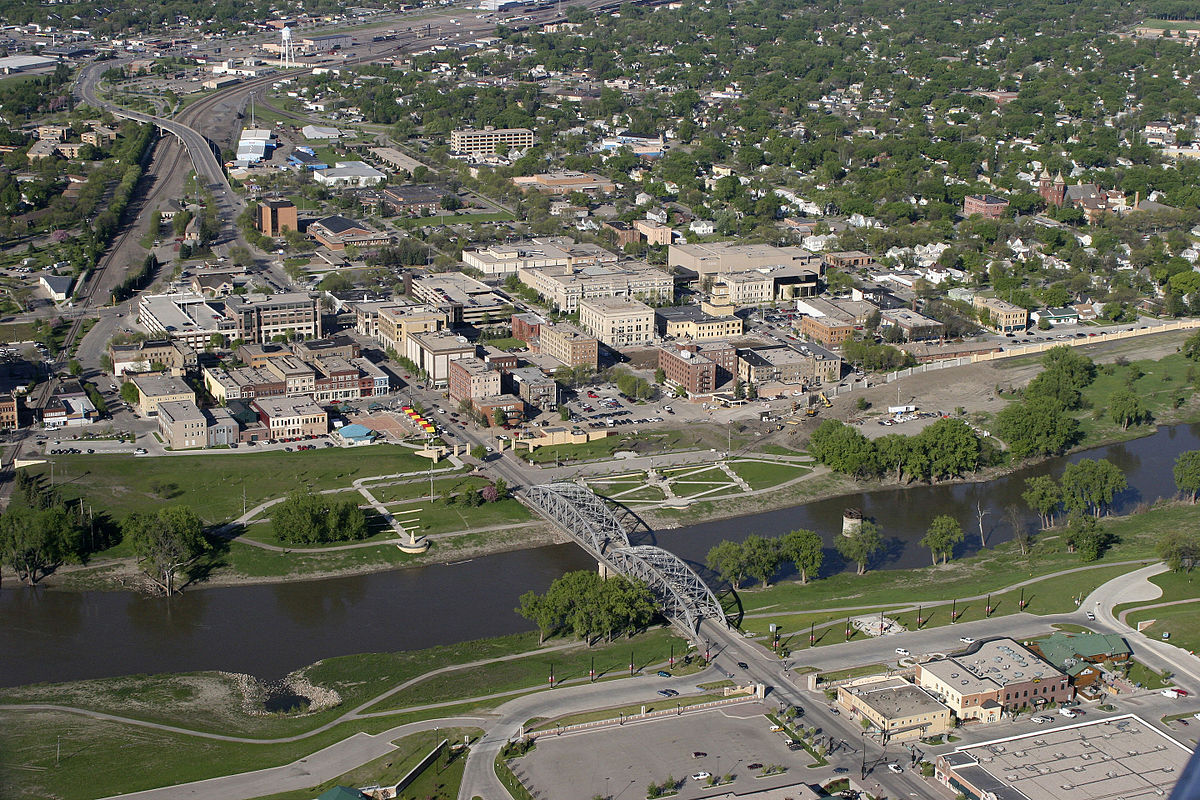
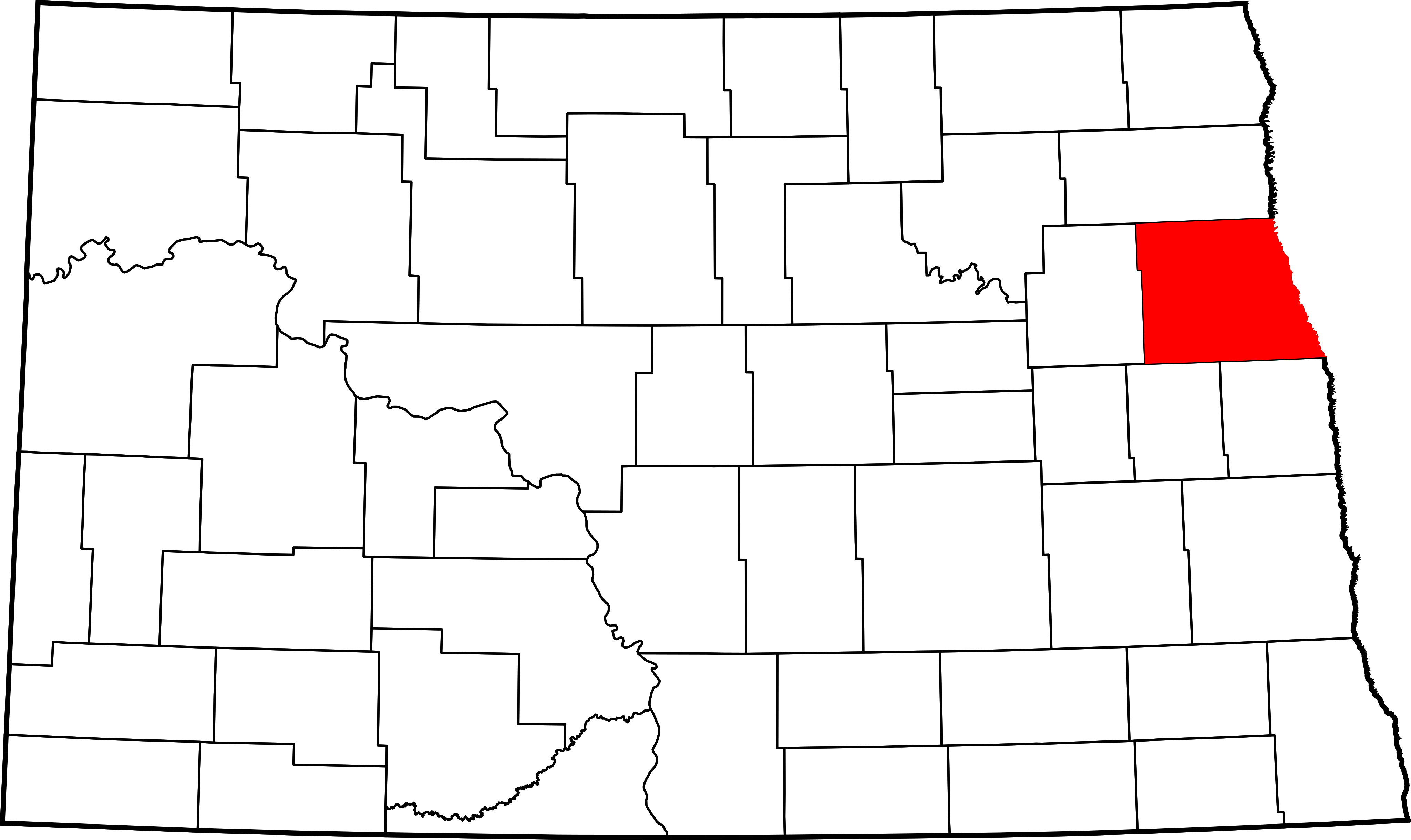
Grand Forks, North Dakota, a vibrant city nestled along the eastern edge of the state, serves as a pivotal hub within the rich Red River Valley. Its geographical position is not merely a point on a map but a significant element defining its character, accessibility, and unique blend of cultural and natural attractions. Situated precisely where the vast, fertile plains of North Dakota meet the border with Minnesota, Grand Forks offers a distinct travel experience that often surprises first-time visitors. The city is bisected by the Red River of the North, a northward-flowing river that creates a natural boundary, with its sister city, East Grand Forks, Minnesota, lying directly across the water.
Geographic Coordinates and Accessibility
Strategically located, Grand Forks is easily reachable, making it an accessible destination for travelers from across the region and beyond. For those traveling by road, the city is a key junction for major interstate and U.S. highways. Interstate 29 (I-29) runs directly through Grand Forks, connecting it northwards to Winnipeg, Manitoba, Canada and southwards towards Fargo, North Dakota, and eventually Kansas City. U.S. Highway 2 (US-2) also traverses the city, providing an east-west artery that stretches from Michigan to Washington State, linking various communities and offering scenic routes through the northern United States. This confluence of major roadways positions Grand Forks as an ideal stopover or primary destination for road trippers exploring the Upper Midwest or heading into Canada.
For air travelers, the Grand Forks International Airport (GFK) provides commercial air service, offering convenient connections to larger regional and international hubs. This ensures that while Grand Forks may feel like a serene escape, it remains well-connected to the broader travel network. The airport’s strategic location near the University of North Dakota (UND) also makes it a vital point of arrival for students, faculty, and visitors to the university.
The Red River of the North itself is more than just a geographical marker; it’s an integral part of the city’s identity and history. Its fertile floodplain has historically supported agriculture, contributing to the region’s prosperity and distinctive landscape. Beyond its practical significance, the river and its adjacent greenway offer extensive recreational opportunities, from serene walks to vibrant community events, cementing its role as a central feature in the Grand Forks travel experience.
Why Travel to Grand Forks? Unique Attractions and Experiences
Grand Forks’s allure extends far beyond its convenient location, offering a rich tapestry of attractions and experiences that cater to diverse interests. From its robust educational institutions to its expansive natural spaces and intriguing historical downtown, the city provides a memorable itinerary for any traveler.
Educational and Cultural Hub
At the heart of Grand Forks’s cultural landscape is the esteemed University of North Dakota (UND). As the oldest university in the state, UND injects a dynamic energy into the city, contributing significantly to its intellectual and artistic vibrancy. The campus itself is a destination, boasting impressive architecture and hosting numerous public events throughout the year.
Perhaps the most iconic structure associated with UND is the Ralph Engelstad Arena. Widely considered one of the finest college hockey venues in the world, “The Ralph” is a must-visit for sports enthusiasts, particularly during the intense collegiate hockey season. The atmosphere during a Fighting Hawks game is electric, offering an authentic taste of North Dakota’s passionate sports culture. Beyond hockey, the arena also hosts concerts, shows, and other large-scale events, making it a central entertainment venue.
For art lovers, the North Dakota Museum of Art, located on the UND campus, presents a diverse collection of contemporary art, with a particular focus on regional and national artists. Its engaging exhibitions and educational programs provide a quiet yet profound cultural experience. Downtown, the historic Empire Arts Center further enriches the cultural scene, hosting live theater, musical performances, and various community arts events within its beautifully restored historic walls. These institutions collectively underscore Grand Forks’s commitment to fostering a thriving arts and culture environment.
Outdoor Adventures and Natural Beauty
Despite its urban core, Grand Forks is deeply connected to nature, offering expansive outdoor spaces that invite exploration and relaxation. The crown jewel of its green infrastructure is the Greater Grand Forks Greenway, a vast urban park system created in the wake of the devastating 1997 flood. Stretching for miles along both banks of the Red River of the North, the Greenway is a masterpiece of urban planning, combining flood protection with unparalleled recreational opportunities.
Travelers can enjoy miles of paved trails ideal for walking, running, and biking, offering picturesque views of the river and the city skyline. The Greenway also features several distinct areas, including natural prairie landscapes, developed parklands, and access points for kayaking and canoeing on the river. During warmer months, it transforms into a hub for community gatherings, picnics, and outdoor festivals.
Across the river in East Grand Forks, Minnesota, the Red River State Recreation Area provides additional opportunities for outdoor enthusiasts. This area offers camping facilities, fishing access, and further hiking trails, allowing visitors to immerse themselves fully in the unique riverine ecosystem. The flat terrain of the Red River Valley makes it perfect for leisurely bike rides, while local parks such as Lincoln Park offer sports fields, playgrounds, and serene spots for contemplation.
The changing seasons bring diverse activities. Winters transform the landscape into a snowy wonderland, ideal for cross-country skiing, snowshoeing, and ice skating on designated areas of the Greenway. Spring and summer invite kayaking, paddleboarding, and fishing on the Red River of the North, along with countless opportunities for bird watching amidst the migratory routes of the plains.
Historical Insights and Local Charm
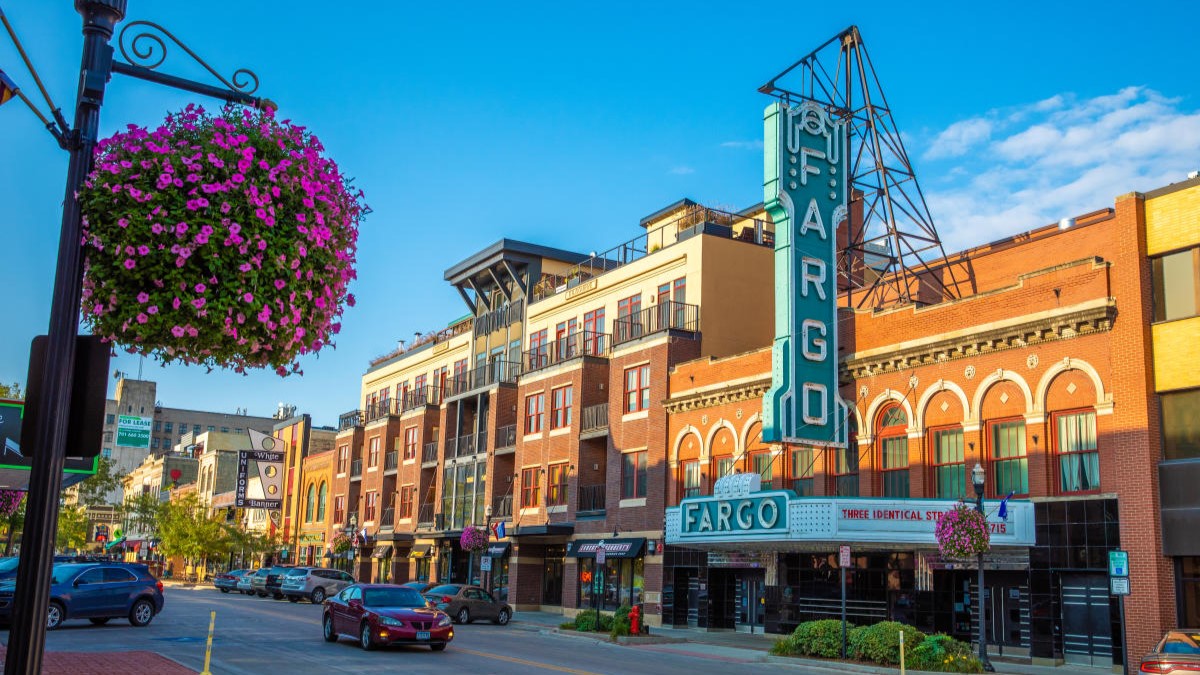
Grand Forks’s downtown area offers a delightful blend of historical architecture and modern vibrancy. A self-guided Grand Forks Historic Walking Tour allows visitors to step back in time, discovering beautifully preserved buildings that tell tales of the city’s mercantile past and its resilience through floods and economic shifts. The detailed facades and historical markers provide a fascinating glimpse into the lives of early settlers and the development of this frontier city.
Connecting various points of interest is the Forks National Recreation Trail, which weaves through downtown and along the riverbanks, perfect for exploring the city’s character on foot or by bike. Beyond its historical significance, downtown Grand Forks is a lively district brimming with local charm. Independent boutiques offer unique shopping experiences, from artisan crafts to local produce. A diverse array of locally owned restaurants and cafes serve up everything from classic American comfort food to international cuisine, often with a regional twist, emphasizing fresh, locally sourced ingredients. Exploring these establishments provides an authentic taste of Grand Forks’s community spirit and culinary scene.
Planning Your Grand Forks Journey: Practical Travel Guide
A well-planned trip to Grand Forks can significantly enhance your experience, ensuring you make the most of what this welcoming city has to offer. Understanding the best times to visit, how to navigate the area, and available accommodation options are key components of a successful travel itinerary.
Best Time to Visit
The ideal time to visit Grand Forks largely depends on your preferred activities and tolerance for weather conditions.
- Summer (June to August): This is arguably the most popular time for travelers, offering warm, pleasant weather perfect for outdoor activities. The Greater Grand Forks Greenway is in full bloom, inviting biking, hiking, kayaking, and picnics. Numerous outdoor events, farmers’ markets, and festivals also take place during these months.
- Fall (September to October): Autumn brings cooler temperatures, fewer crowds, and stunning displays of fall foliage along the Red River of the North and within local parks. It’s an excellent time for scenic drives and enjoying crisp outdoor air.
- Winter (November to March): For those who embrace the cold, winter in Grand Forks offers a unique charm. Snow sports like cross-country skiing and snowshoeing are popular, and the city truly comes alive with the collegiate hockey season at the Ralph Engelstad Arena. Be prepared for cold temperatures and significant snowfall.
- Spring (April to May): Spring can be a period of transition, with thawing snow and unpredictable weather. While some outdoor activities begin to resume, it’s generally a quieter season, suitable for indoor attractions and cultural pursuits.
Getting Around
While downtown Grand Forks and the Greater Grand Forks Greenway are very walkable and bike-friendly, a rental car is highly recommended for exploring the broader city and its surrounding areas. This provides the flexibility to visit attractions at your own pace, venture into East Grand Forks, Minnesota, or embark on day trips. Public transportation options are available but may not cover all points of interest efficiently for a tourist. Taxis and ride-sharing services also operate within the city.
Where to Stay
Grand Forks offers a range of accommodation options to suit various budgets and preferences. Travelers can choose from well-known hotel chains offering standard amenities to more locally focused inns. Many hotels are conveniently located near the University of North Dakota campus, providing easy access for university-related visits, or closer to the revitalized downtown area, putting guests within walking distance of shops, restaurants, and cultural venues. For those seeking a different experience, there are also vacation rentals and charming bed and breakfasts that offer a more personalized stay. When selecting accommodation, consider its proximity to your primary points of interest and the season of your visit, especially if you plan on participating in specific events like hockey games or riverfront festivals.
Beyond the City Limits: Day Trips and Regional Exploration
A trip to Grand Forks can also serve as a gateway to exploring the broader Red River Valley and even venturing into neighboring regions, offering additional layers of adventure and discovery.
Adventures in the Red River Valley
The Red River Valley itself is a fascinating geographical and agricultural region. Its characteristic flatness is a result of it being the bed of ancient Lake Agassiz, a glacial lake. This geological history contributes to some of the world’s most fertile farmland. Travelers can take scenic drives through the endless fields of sugar beets, potatoes, and wheat, gaining an appreciation for the region’s agricultural prowess. Seasonal agricultural tours or visits to local farm stands can provide unique insights into this vital industry.
Exploring smaller towns scattered throughout the valley offers a glimpse into authentic rural life in North Dakota. Each community often boasts its own unique charm, local diners, and historical landmarks. These excursions can reveal hidden gems and provide a peaceful contrast to the city’s energy.
Cross-Border Excursions
Grand Forks’s position near the Canada border opens up exciting possibilities for international day trips or extended stays. Manitoba, Canada, is just a short drive north, with its capital city, Winnipeg, being a popular destination. Winnipeg offers a wealth of attractions, including vibrant cultural festivals, historic sites, world-class museums, and diverse culinary experiences. Travelers should ensure they have the necessary documentation for border crossings.
Closer to home, the aforementioned sister city, East Grand Forks, Minnesota, provides an immediate cross-state experience. Connected by several bridges, East Grand Forks offers additional parks, dining options, and recreational activities, seamlessly integrating with the Grand Forks experience. The unique dynamic between these two cities on either side of the Red River of the North creates a larger, unified community with shared resources and attractions, effectively doubling the experiences available to visitors. This collaborative spirit adds another fascinating layer to the travel narrative of this distinct region.
LifeOutOfTheBox is a participant in the Amazon Services LLC Associates Program, an affiliate advertising program designed to provide a means for sites to earn advertising fees by advertising and linking to Amazon.com. Amazon, the Amazon logo, AmazonSupply, and the AmazonSupply logo are trademarks of Amazon.com, Inc. or its affiliates. As an Amazon Associate we earn affiliate commissions from qualifying purchases.