
Often overshadowed by its more famous neighbors, Greeley, Colorado, holds a distinctive charm and a strategic location that make it a compelling destination for travelers seeking an authentic slice of the American West. Positioned in the heart of Weld County, this vibrant city serves as a crucial hub for agriculture, education, and culture in Northern Colorado. For those curious about its whereabouts and what it offers, a journey into Greeley reveals a rich tapestry of history, community spirit, and surprising attractions. It’s a place where the pioneering spirit meets modern innovation, creating a unique experience for visitors who venture beyond the typical tourist trails.
Unveiling Greeley: Colorado’s Hidden Gem
Greeley’s identity is deeply rooted in its fascinating origins and its significant role in shaping the region. Founded on principles of communal living and agricultural prosperity, it stands as a testament to vision and resilience. Understanding where Greeley is geographically sets the stage for appreciating its character and accessibility as a travel destination.
Geographical Placement and Regional Context
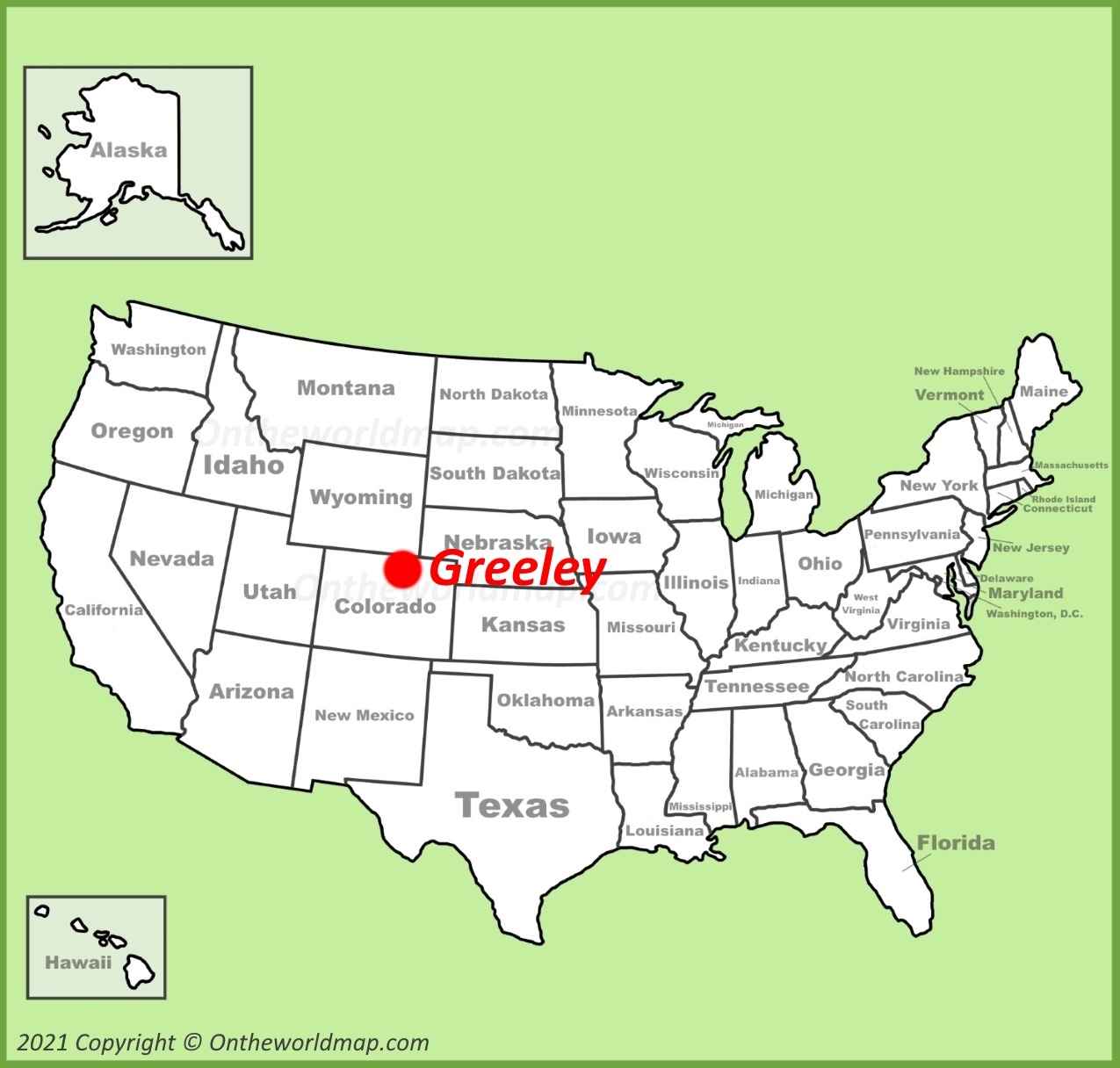
Greeley is situated in the high plains of Northern Colorado, approximately 60 miles north-northeast of the state capital, Denver. This puts it at the confluence of several key regional points, making it an ideal base for exploring a broader spectrum of Colorado’s diverse landscapes. To its west lie the majestic Rocky Mountains, offering a dramatic backdrop and a playground for outdoor enthusiasts. To the east, the vast plains stretch out, hinting at the agricultural heartland that defines much of the area.
The city’s elevation is approximately 4,675 feet (1,425 meters) above sea level, providing a comfortable climate that experiences all four seasons distinctly. Its location within the Front Range Urban Corridor means it’s part of a growing metropolitan area that includes other notable cities like Fort Collins and Loveland, yet Greeley maintains its own unique identity and pace. This positioning offers travelers the best of both worlds: access to a bustling urban environment combined with the serene beauty of the plains and proximity to mountain adventures.
A Brief Glimpse into Greeley’s Identity
Founded in 1870 by Nathan Meeker as an agricultural utopian colony, Greeley was named after Horace Greeley, the influential newspaper editor who championed the “Go West, young man” movement. This heritage is still palpable today, with a strong agricultural base that fuels its economy and influences its local culture. The city is also home to the University of Northern Colorado, which injects a youthful energy and academic vibrancy into the community.
Greeley is known for its friendly residents, its commitment to preserving its historical roots, and its ongoing efforts to foster a thriving arts and culture scene. It’s a city that prides itself on its strong sense of community, making visitors feel welcome and providing a genuine experience of Colorado life that often gets overlooked by those focused solely on the ski resorts or mountain towns.
Navigating Your Way to Greeley
Reaching Greeley is straightforward, thanks to its strategic location and excellent transportation links. Whether you’re flying in from afar or driving through the scenic Colorado landscape, the city is easily accessible, making it a convenient destination for various travel itineraries.
By Air: Proximity to Major Airports
For travelers arriving by air, Greeley is primarily served by the Denver International Airport (DIA), one of the busiest airports in the United States. DIA is located approximately 65 miles south of Greeley, offering numerous domestic and international flights. From DIA, visitors can rent a car, utilize shuttle services, or arrange for rideshares to complete their journey to Greeley, which typically takes about an hour to an hour and a half, depending on traffic.
A smaller, regional option is the Fort Collins-Loveland Municipal Airport (FNL), located about 25 miles west of Greeley. While FNL offers fewer commercial flight options, it can be a convenient choice for private aviation or those flying into specific regional routes. For most commercial travelers, DIA remains the primary gateway.
By Road: Major Highways and Routes
Greeley’s road network is robust, making driving the most common and often preferred method of arrival. The city is well-connected by several major highways:
- Interstate 25 (I-25): The main north-south artery through Colorado, I-25 runs west of Greeley. Travelers can take exits for U.S. Route 34 (eastbound) or U.S. Route 85 (southbound) to reach Greeley.
- U.S. Route 34: This east-west highway passes directly through Greeley, connecting it to Loveland and I-25 to the west, and to the eastern plains.
- U.S. Route 85: Running north-south, U.S. 85 passes through the heart of Greeley, connecting it to Denver and Cheyenne, Wyoming, providing a direct route for many travelers.
These well-maintained roads ensure a smooth drive, whether you’re coming from neighboring states or other parts of Colorado. The scenic drives along these routes offer glimpses of Colorado’s varied landscapes, from rolling farmland to distant mountain vistas.
Public Transportation and Local Access
While a personal vehicle offers the most flexibility for exploring Greeley and the surrounding region, limited public transportation options are available. The City of Greeley operates a local bus system, Greeley-Evans Transit (GET), which serves various points within the city and to the nearby community of Evans. For intercity travel, Bustang, Colorado’s state-run bus service, offers routes connecting Denver to various Front Range cities, including stops relatively close to Greeley, though direct routes to Greeley itself may be limited or require transfers. For most visitors, renting a car upon arrival at DIA is recommended for maximum convenience and the ability to explore at leisure.
What Awaits You in Greeley: A Traveler’s Perspective
Once you’ve arrived, Greeley reveals itself as a destination rich in cultural experiences, outdoor activities, and local charm. It’s a city that offers a genuine taste of Colorado, far from the bustling crowds of more well-known tourist spots.
Cultural and Historical Explorations

Greeley takes pride in its history, and there are several venues dedicated to preserving and sharing its unique story:
- Union Colony Civic Center: This state-of-the-art facility is the cultural heart of Greeley, hosting a wide array of Broadway shows, concerts, comedians, and local performances throughout the year. It’s a testament to the city’s commitment to the arts.
- Greeley History Museum: Delve into the city’s past, from its founding as a utopian agricultural colony to its development into a modern city. The museum offers engaging exhibits and programs that bring Greeley’s heritage to life.
- Centennial Village Museum: Step back in time at this living history museum, featuring historic structures, costumed interpreters, and demonstrations that showcase life in Weld County from 1860 to 1920. It’s an immersive experience for all ages.
- Colorado Model Railroad Museum: Home to one of the largest and most intricate model railroads in the world, this museum is a marvel of engineering and artistry, captivating both railway enthusiasts and casual visitors.
Outdoor Adventures and Natural Beauty
Despite its plains setting, Greeley offers numerous opportunities to connect with nature and enjoy outdoor activities:
- Poudre River Trail: This extensive paved trail system runs along the Cache la Poudre River, offering miles of scenic routes for walking, jogging, cycling, and rollerblading. It’s a fantastic way to experience the local flora and fauna.
- Island Grove Regional Park: A sprawling complex that hosts many of Greeley’s major events, including the famous Greeley Stampede. The park also features open spaces, playgrounds, and facilities for various recreational activities.
- Pawnee National Grassland: Located a short drive northeast of Greeley, this vast grassland offers unique opportunities for birdwatching, hiking, and experiencing the quiet solitude of the prairie. It’s a stark contrast to the nearby mountains and a haven for wildlife.
Culinary Delights and Local Flavors
Greeley’s culinary scene is a delightful mix of classic American fare, ethnic restaurants, and farm-to-table establishments that benefit from the rich agricultural bounty of the region. From casual diners to upscale eateries, visitors can savor locally sourced ingredients, craft beers from local breweries, and diverse international cuisines. Don’t miss the chance to try some authentic Western barbecue or enjoy a meal at one of the family-owned restaurants that have been local favorites for generations.
Family-Friendly Fun and Entertainment
Greeley is a fantastic destination for families. Beyond the museums and parks, the city offers:
- Annual Events: The Greeley Stampede, a multi-day rodeo and music festival in late June/early July, is a major draw. The city also hosts various festivals, farmers’ markets, and community events throughout the year.
- Local Parks: Numerous neighborhood parks with playgrounds, sports fields, and picnic areas provide ample space for children to play and families to relax.
Planning Your Greeley Expedition
To make the most of your trip to Greeley, a little planning goes a long way. Considering the best time to visit and understanding local logistics will enhance your experience.
Best Times to Visit
Greeley experiences distinct seasons, each offering a different charm:
- Summer (June-August): Warm temperatures are ideal for outdoor activities, and this is when major events like the Greeley Stampede take place. However, it’s also the busiest season.
- Fall (September-November): Mild weather, crisp air, and beautiful autumn foliage make fall a pleasant time to visit, especially for outdoor enthusiasts.
- Winter (December-February): Cold temperatures and occasional snow transform Greeley into a winter wonderland, offering a cozy experience. It’s generally less crowded.
- Spring (March-May): Witness the city come to life with blooming flowers and warming temperatures, perfect for exploring parks and trails before the summer heat.
Accommodation Options for Every Traveler
While this article focuses on travel destinations, it’s worth noting that Greeley offers a range of accommodation options to suit different preferences and budgets. From well-known hotel chains to charming local guesthouses and extended-stay apartments, visitors can find comfortable lodging close to attractions or tucked away in quieter neighborhoods. Many hotels offer amenities like pools, fitness centers, and complimentary breakfast, ensuring a pleasant stay.
Getting Around Greeley
Once in Greeley, having a car is highly recommended for exploring the city and its surroundings efficiently. While a local bus system exists, routes might not cover all attractions, and schedules can be infrequent. Taxis and ride-sharing services are also available, but for flexibility, particularly if you plan to visit the Pawnee National Grassland or other nearby towns like Windsor, a personal vehicle is invaluable.
Beyond Greeley: Exploring Northern Colorado
Greeley’s central location makes it an excellent jumping-off point for day trips to other notable attractions in Northern Colorado and beyond.
Day Trips and Nearby Attractions
- Estes Park and Rocky Mountain National Park: A scenic drive west will lead you to the gateway town of Estes Park and the breathtaking beauty of Rocky Mountain National Park, offering world-class hiking, wildlife viewing, and scenic drives.
- Fort Collins: Just a short drive west, Fort Collins boasts a vibrant downtown, numerous craft breweries, and Colorado State University.
- Loveland: Known as the “Sweetheart City,” Loveland offers charming art sculptures, beautiful parks, and a relaxed atmosphere.
- Cheyenne, Wyoming: Head north on U.S. 85, and you’ll find yourself in Cheyenne, the capital of Wyoming, famous for its Western heritage and the annual Frontier Days rodeo.
Greeley, Colorado, might not be the first name that comes to mind when planning a trip to the Centennial State, but its strategic location, rich history, and array of attractions make it a destination well worth exploring. It offers a genuine slice of Colorado life, providing a welcoming environment for travelers seeking an authentic experience away from the more crowded tourist hot spots. Its strong community, cultural depth, and access to both plains and mountains solidify its place as an unmissable stop for those truly wanting to discover where Colorado’s heart beats.
LifeOutOfTheBox is a participant in the Amazon Services LLC Associates Program, an affiliate advertising program designed to provide a means for sites to earn advertising fees by advertising and linking to Amazon.com. Amazon, the Amazon logo, AmazonSupply, and the AmazonSupply logo are trademarks of Amazon.com, Inc. or its affiliates. As an Amazon Associate we earn affiliate commissions from qualifying purchases.