
Greenwich Village, affectionately known as “The Village,” is a vibrant and historically significant neighborhood in the heart of Manhattan, New York City. It is renowned for its bohemian past, artistic spirit, and distinctive charm. Situated in the western part of Lower Manhattan, it forms a crucial part of the larger Greenwich Village–Washington Square area. Understanding its precise location is key to unlocking the treasures it holds, from its storied streets to its lively cultural scene.
Navigating the Geography of Greenwich Village
Geographically, Greenwich Village is nestled within the borough of Manhattan, one of the five boroughs that constitute New York City. It is bordered by several prominent avenues and streets, which help to define its boundaries and distinguish it from adjacent neighborhoods.
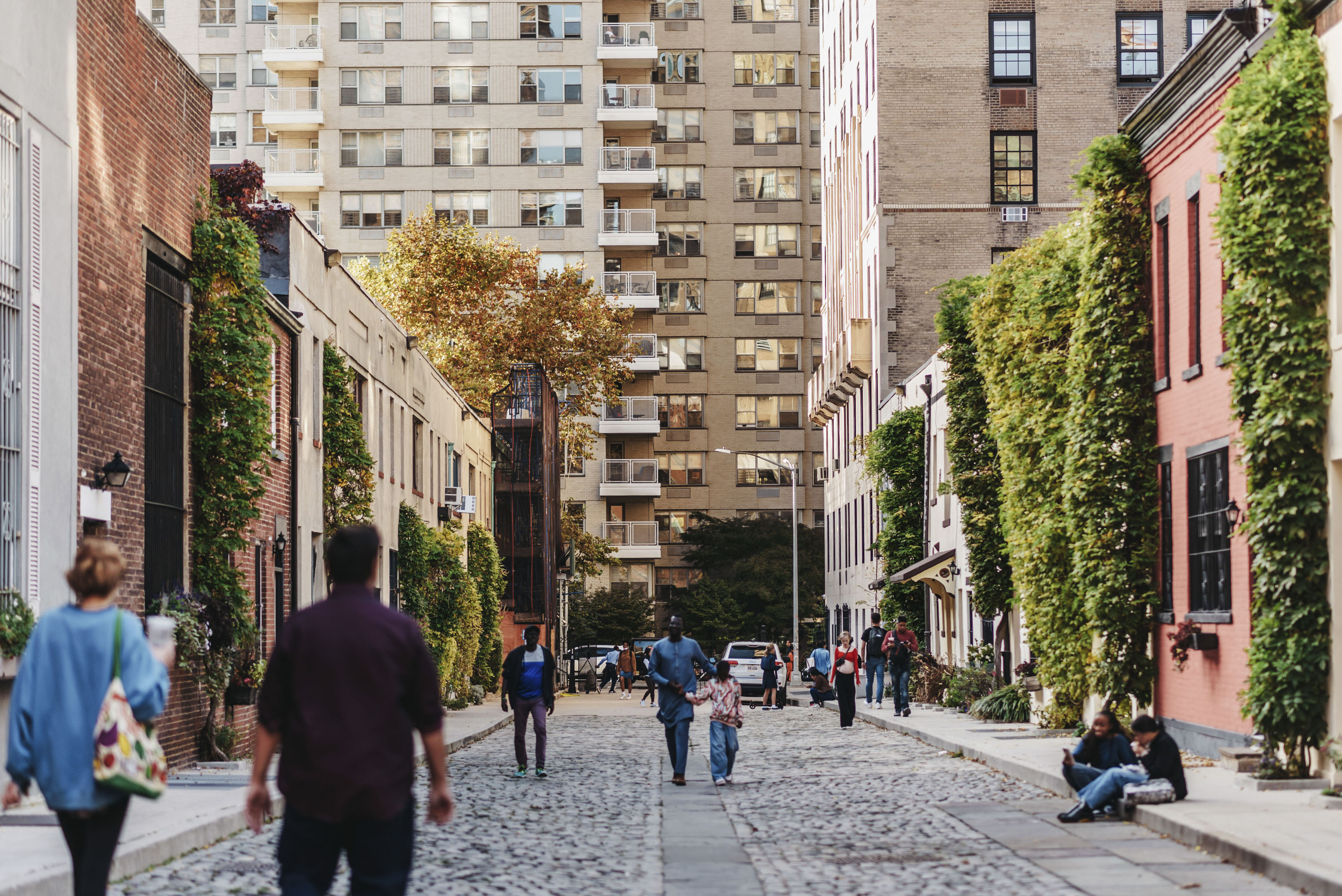
Defining the Borders
The northern boundary of Greenwich Village is generally considered to be 14th Street. To the east, it is typically bordered by the famed Union Square and extends towards the East River, though its eastern edge often overlaps with the West Village. To the south, the boundaries are less rigidly defined, but they generally extend down to roughly Houston Street. To the west, the Hudson River provides a natural and picturesque western edge.
It’s important to note that the boundaries can sometimes be a subject of local interpretation, with some considering the West Village as an extension or even a sub-neighborhood of Greenwich Village, while others treat them as distinct. However, the core identity of Greenwich Village is firmly rooted in its area south of 14th Street, east of the Hudson River, and north of Houston Street, encompassing the iconic Washington Square Park at its center.
Relationship with Neighboring Neighborhoods
Understanding where Greenwich Village is also involves recognizing its context within the larger urban fabric of Manhattan.
- West Village: Often discussed in tandem with Greenwich Village, the West Village is the western portion of the larger Greenwich Village area. It shares much of the same historical character, featuring charming tree-lined streets and brownstone buildings. Many consider it an integral part of the Village experience.
- SoHo: South of Greenwich Village lies SoHo, a neighborhood known for its cast-iron architecture, upscale boutiques, and art galleries. The transition from the Village’s more intimate streets to SoHo’s grander boulevards is a palpable shift in urban character.
- Chelsea: North of Greenwich Village is Chelsea, a district that has also seen significant artistic and cultural development, including the famous High Line park and numerous art galleries.
- East Village: While sharing a similar “Village” moniker and historical bohemian roots, the East Village is a distinct neighborhood located to the east of Greenwich Village, separated by areas like St. Mark’s Place and the East Side. It has its own unique character, often associated with punk rock history and a slightly more edgy vibe.
The Heart of the Village: Washington Square Park
At the very core of Greenwich Village, both geographically and culturally, lies Washington Square Park. This iconic public space serves as a central gathering point and a microcosm of the neighborhood’s diverse spirit.
A Hub of Activity
Washington Square Park is more than just a patch of green; it’s a vibrant ecosystem of performers, students, residents, and visitors. It is home to the landmark Washington Square Arch, a triumphal arch that has become synonymous with the neighborhood. The park buzzes with activity throughout the day and into the evening, with street musicians, chess players, artists, and people simply enjoying the urban oasis.
Connection to Education
The park is also famously adjacent to New York University (NYU). The presence of NYU has significantly shaped the character of Greenwich Village, infusing it with a youthful energy and a constant stream of academic and cultural events. The university’s buildings are woven into the fabric of the neighborhood, blurring the lines between academic institutions and the residential streets.
A Deeper Dive: The West Village Distinction
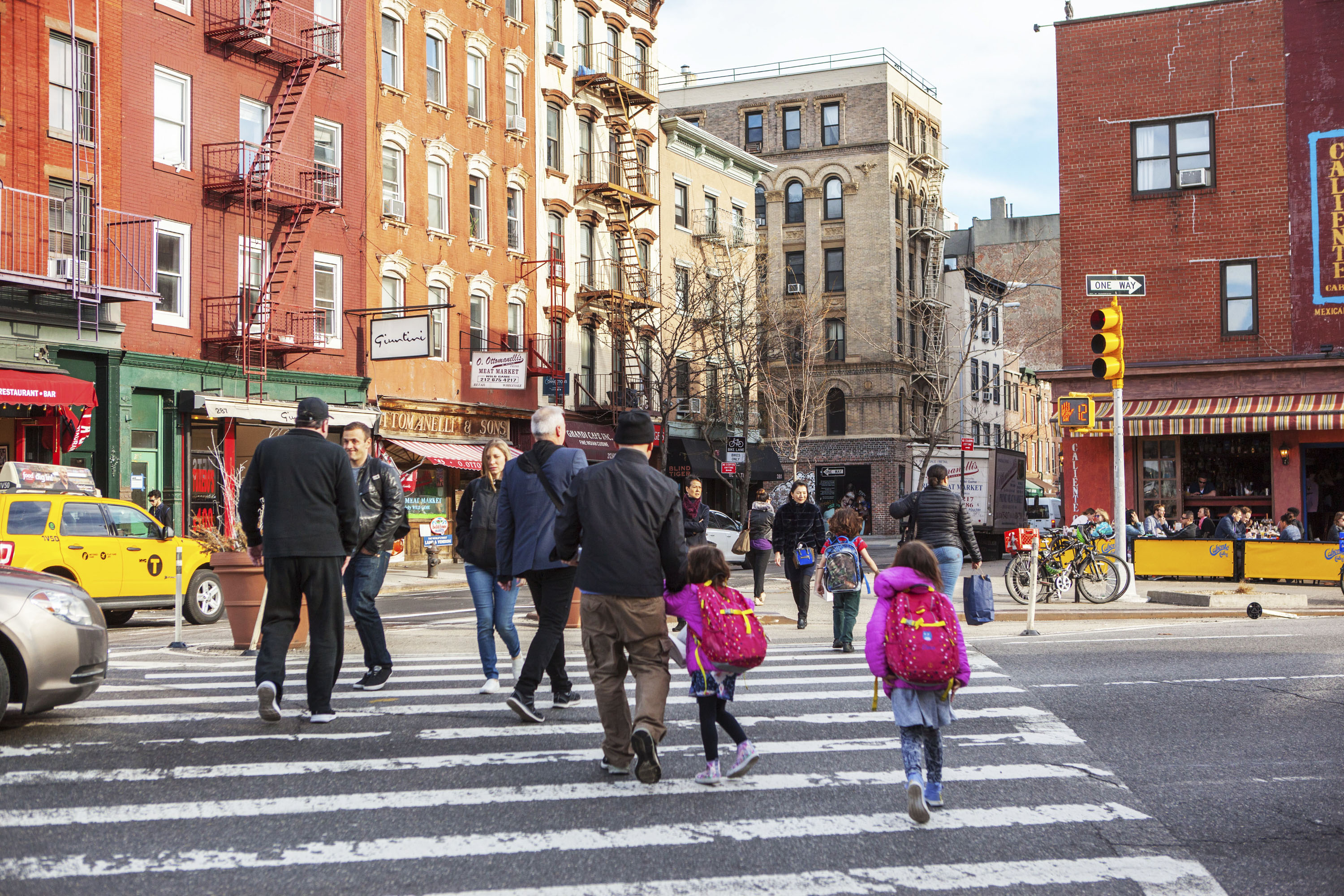
While often used interchangeably, the West Village possesses a distinct character that warrants its own consideration when pinpointing the location and essence of Greenwich Village.
Unique Streetscapes
The West Village is characterized by its charming, winding streets that deviate from Manhattan’s grid system. This irregular street plan, a legacy of its pre-city planning origins, creates intimate, European-feeling enclaves with historic townhouses, quaint shops, and some of the city’s most coveted residential addresses. Streets like Christopher Street, Bleecker Street, and Perry Street are iconic thoroughfares within the West Village.
A Hub of Artistic and Social History
The West Village, like the rest of Greenwich Village, is steeped in a rich history of artistic and social movements. It was a haven for writers, artists, musicians, and LGBTQ+ activists for decades. The Stonewall Inn, a National Historic Landmark, is located in the West Village and played a pivotal role in the LGBTQ+ rights movement. This historical significance contributes to the unique atmosphere and enduring appeal of the area.
Experiencing Greenwich Village: Beyond the Address
Knowing where Greenwich Village is located is just the first step. The true magic of the neighborhood unfolds when you immerse yourself in its atmosphere, explore its hidden corners, and engage with its unique offerings.
Cultural Landmarks and Attractions
Greenwich Village is home to a wealth of cultural institutions and landmarks that draw visitors from around the globe.
- Theaters: The neighborhood boasts numerous off-Broadway and off-off-Broadway theaters, showcasing experimental and innovative performances.
- Music Venues: From legendary jazz clubs like the Village Vanguard to intimate folk music spots, the Village has a deep-rooted connection to live music.
- Art Galleries: While SoHo and Chelsea have become major art hubs, Greenwich Village still retains a vibrant collection of smaller galleries, often featuring emerging artists.
- Historic Homes and Buildings: Walking through the Village, one encounters beautifully preserved 19th-century brownstones, architectural gems, and buildings that whisper tales of its past.
Culinary Delights
The culinary scene in Greenwich Village is as diverse and eclectic as its history.
- Independent Cafes: The neighborhood is dotted with charming, independent coffee shops that serve as local gathering spots.
- World-Class Restaurants: From cozy trattorias to Michelin-starred establishments, the Village offers a wide range of dining experiences.
- Iconic Food Stops: Certain establishments, like the famous Magnolia Bakery (known for its cupcakes) or classic pizza joints, have become culinary pilgrimage sites.
A Pedestrian Paradise
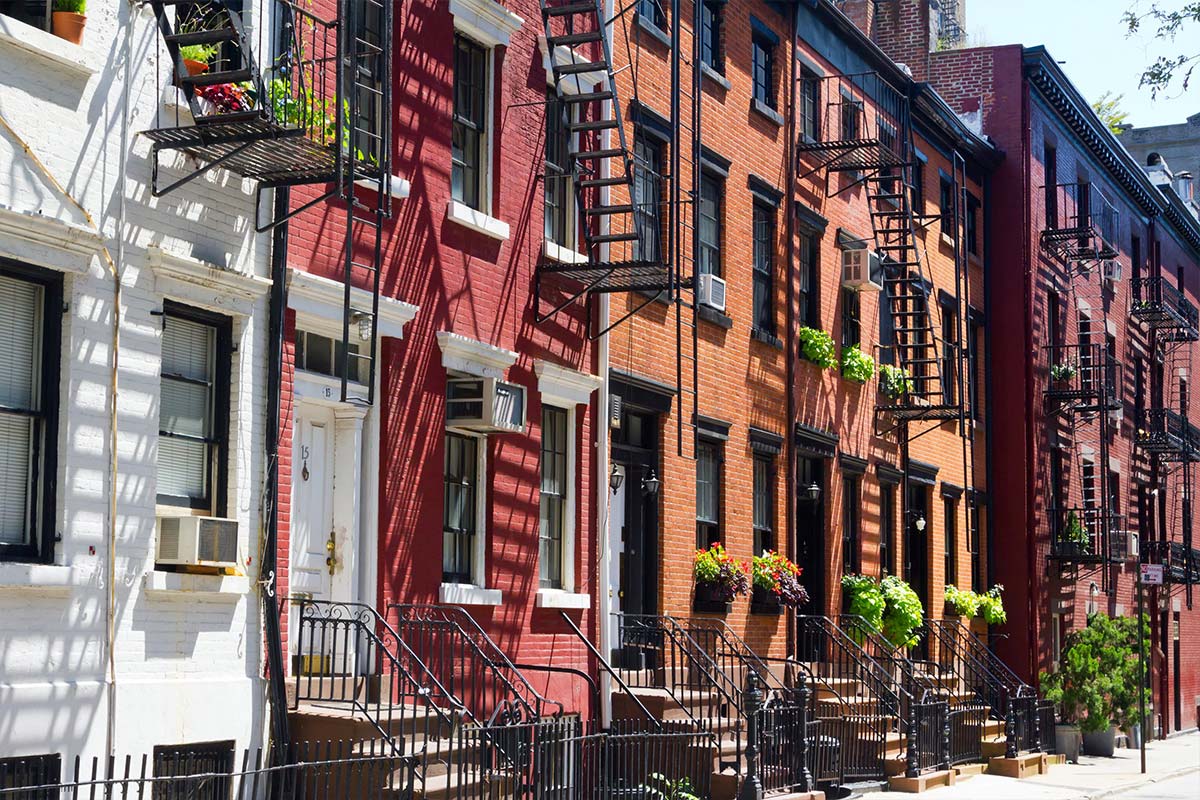
One of the best ways to experience Greenwich Village is on foot. Its relatively compact size and the charm of its streets make it an ideal neighborhood for walking and discovery. Strolling down its tree-lined avenues, browsing independent bookstores, and stumbling upon hidden courtyards are quintessential Village experiences.
In conclusion, Greenwich Village is a geographically distinct and culturally rich neighborhood in Manhattan, New York City, defined by its boundaries, its central role of Washington Square Park, and its intimate relationship with the West Village. It’s a place where history, art, and everyday life converge, offering an unparalleled urban experience for locals and visitors alike.
LifeOutOfTheBox is a participant in the Amazon Services LLC Associates Program, an affiliate advertising program designed to provide a means for sites to earn advertising fees by advertising and linking to Amazon.com. Amazon, the Amazon logo, AmazonSupply, and the AmazonSupply logo are trademarks of Amazon.com, Inc. or its affiliates. As an Amazon Associate we earn affiliate commissions from qualifying purchases.