
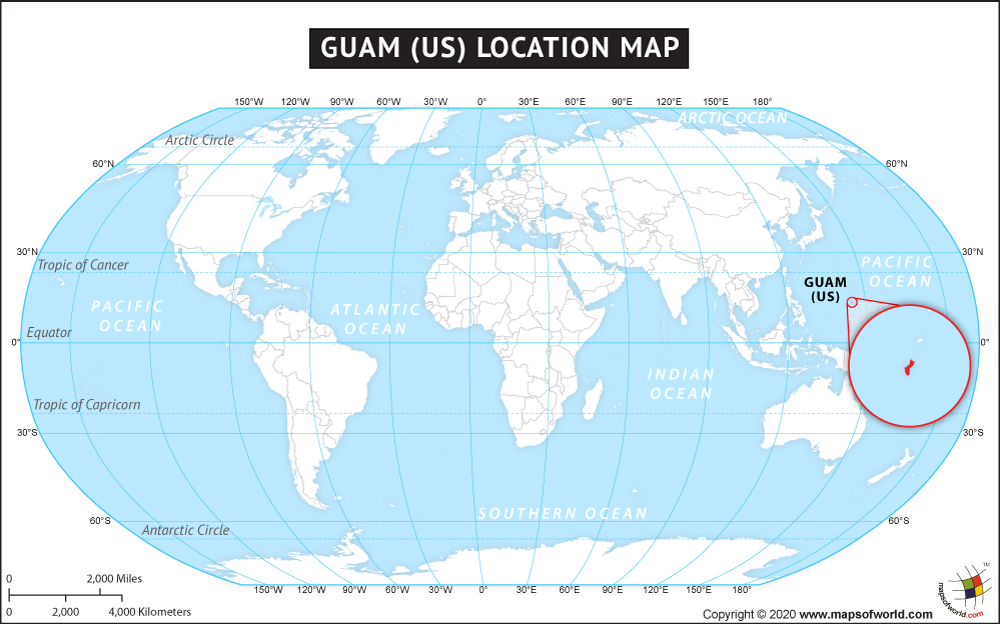
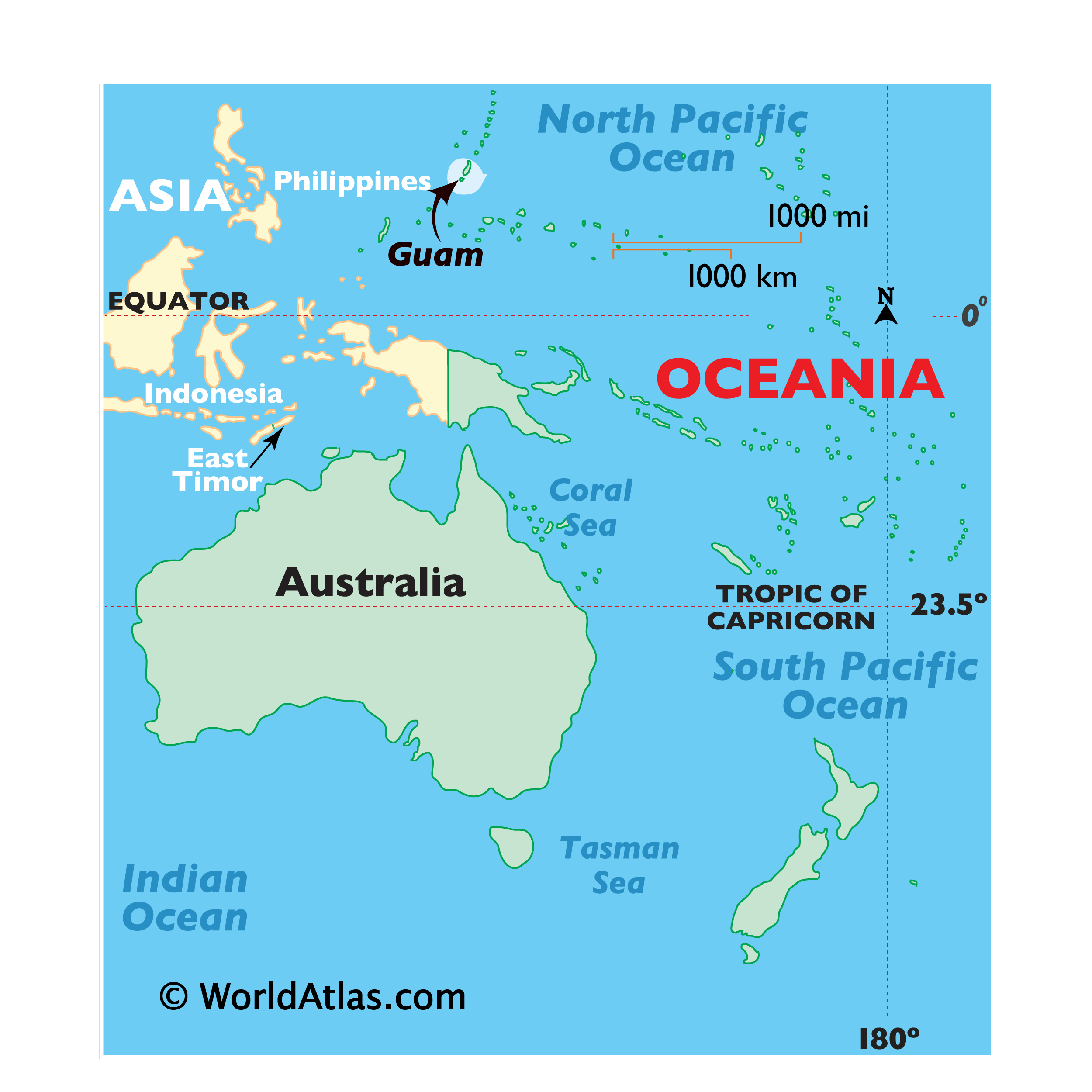
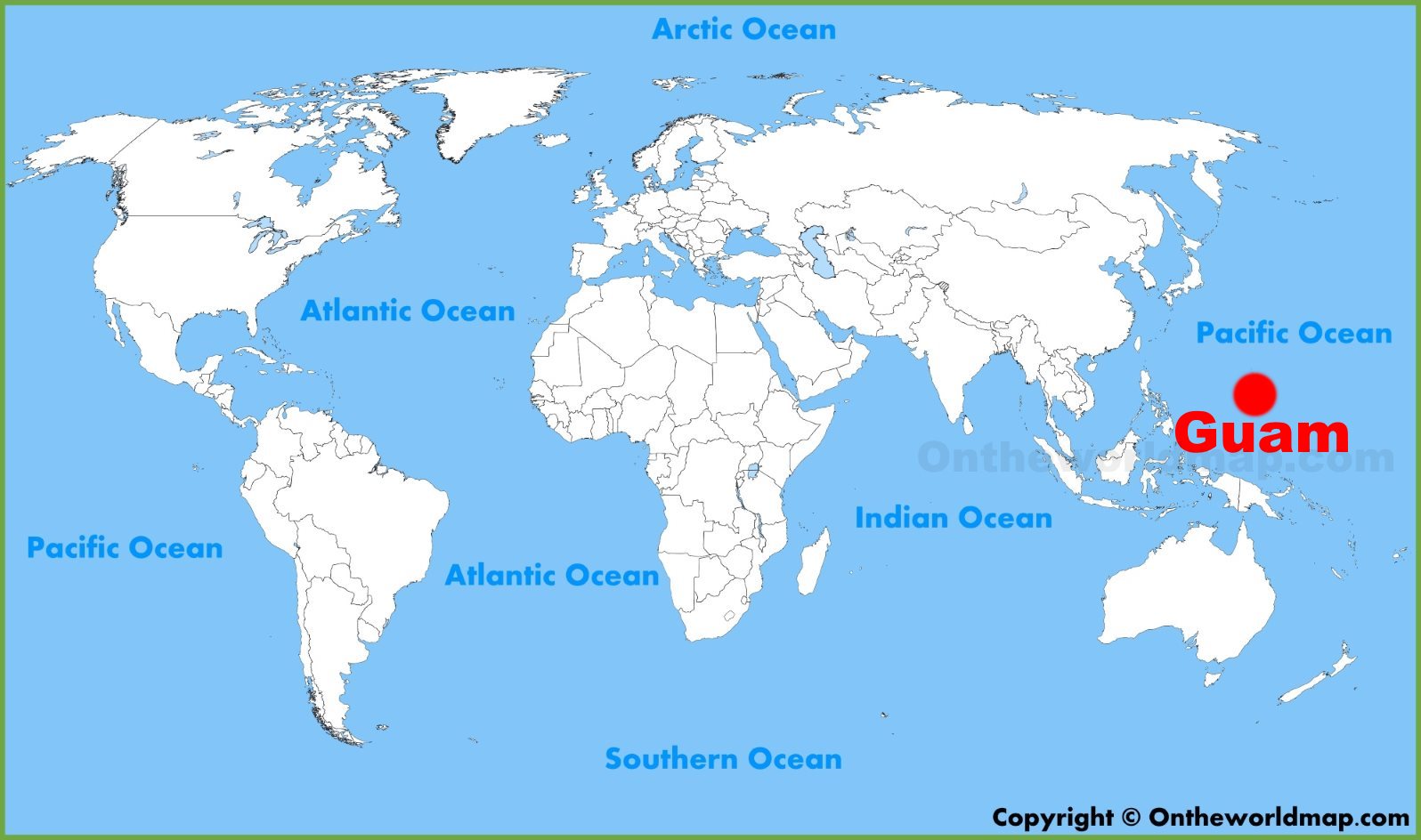
To locate Guam on a world map, one must look toward the vast expanse of the Pacific Ocean, specifically within the subregion of Micronesia. As the largest and southernmost island in the Mariana Islands archipelago, this tropical territory serves as a vital bridge between Asia and the United States. Despite its relatively small size—roughly 212 square miles—its geographic positioning has made it a historical, cultural, and strategic crossroads for centuries. For the modern traveler, understanding where Guam sits is the first step in discovering a destination that offers a unique blend of indigenous heritage, colonial history, and breathtaking natural beauty.
Pinpointing the Hub of the Western Pacific
Guam is situated approximately 13 degrees north of the equator and 144 degrees east of the prime meridian. To visualize its location relative to major global hubs, it is roughly 1,600 miles east of Manila, Philippines, 1,500 miles south of Tokyo, Japan, and about 3,800 miles west of Honolulu, Hawaii. This central location in the Western Pacific has earned it the nickname “Where America’s Day Begins,” as it is the first part of the United States to see the sunrise each day.
The Mariana Islands Archipelago
Geologically, the island is part of a volcanic chain that includes Saipan, Tinian, and Rota. While the northern islands are largely volcanic, the southern portion of Guam features ancient coral limestone plateaus and rolling hills. To its east lies the Mariana Trench, the deepest part of the world’s oceans, which adds a layer of geological intrigue to the region. The island is bordered by the Philippine Sea to the west and the open Pacific Ocean to the east.
Strategic and Tropical Significance
The island’s location in the tropical zone ensures a warm, humid climate year-round, characterized by two distinct seasons: the dry season (January to June) and the rainy season (July to December). Because of its isolation and maritime surroundings, the island has developed a distinct ecosystem, though it remains highly accessible via the Antonio B. Won Pat International Airport, which connects the island to major cities across the Pacific Rim.
Immersing in the Vibrant Chamorro Culture
The identity of Guam is inseparable from the Chamorro people, the indigenous inhabitants who have lived on the island for nearly 4,000 years. Tourism on the island is deeply rooted in showcasing this resilient culture, which has survived centuries of Spanish, Japanese, and American influence.
The Hafa Adai Spirit
The first thing any visitor will notice is the “Hafa Adai” spirit—a warm, welcoming hospitality that defines local interactions. This greeting is more than just a hello; it is an invitation to experience the island’s community-centric lifestyle. Travelers are encouraged to visit the capital city of Hagåtña, where the fusion of ancient tradition and colonial history is most visible. Here, the Latte Stones—ancient mushroom-shaped stone pillars used as foundations for traditional houses—stand as a testament to the engineering ingenuity of the early Chamorro people.
Festivals and the Village Life
To truly experience the local culture, one must look toward the village festivals, known as “Fiestas.” Each of Guam’s 19 villages hosts an annual celebration dedicated to its patron saint, a tradition inherited from the Spanish era. These events are open to the public and feature an abundance of food, traditional dance, and music. Another cultural cornerstone is the Chamorro Village Night Market, held every Wednesday in Hagåtña. It is a sensory feast where tourists can buy local crafts, watch fire dancers, and taste authentic island snacks.
Culinary Treasures of the Mariana Islands
Food is a central pillar of tourism in Guam. The local cuisine is a flavorful “melting pot” that reflects the island’s complex history. Chamorro food is characterized by bold flavors—sour, spicy, and salty—utilizing local ingredients like coconut, peppers, and fresh seafood.
Signature Dishes You Must Try
No trip to the island is complete without tasting Kelaguen. This signature dish typically features chopped chicken, shrimp, or beef marinated in a mixture of lemon juice, onions, hot peppers, and freshly grated coconut. It is often served with “Red Rice,” which gets its distinct orange hue and nutty flavor from achote seeds.
Another staple is Fina’denne, a versatile soy-based dipping sauce with vinegar, onions, and bird’s eye chili that accompanies almost every meal. For dessert, locals and tourists alike flock to try Latiya, a delicious custard cake topped with cinnamon that highlights the Spanish influence on the island’s palate.
The Barbecue Culture
Barbecuing is a way of life here. Whether at a family gathering on the beach or a roadside stand, the smell of smoked ribs and chicken is ubiquitous. The secret often lies in the marinade—a blend of soy sauce, vinegar, and garlic that has been perfected over generations. Exploring the various food trucks and roadside stalls in Tumon and Dededo offers a more casual and authentic look into the daily flavors enjoyed by residents.
Must-Experience Activities and Landmarks
From the depths of the ocean to the heights of the mountain peaks, Guam offers a diverse array of activities for every type of traveler. The island’s natural beauty is its greatest asset, preserved in various parks and marine sanctuaries.
Marine Adventures and World-Class Diving
The waters surrounding the island are crystal clear and teeming with biodiversity. Tumon Bay is a protected marine preserve where visitors can snorkel just feet away from the shore, encountering colorful coral gardens and tropical fish. For those seeking deeper exploration, the Piti Bomb Holes and Fish Eye Marine Park offer unique underwater observatories and diving opportunities. Guam is also famous for being one of the few places in the world where divers can touch two shipwrecks from two different World Wars—the SMS Cormoran II (WWI) and the Tokai Maru (WWII)—simultaneously.
Iconic Landmarks and Scenic Vistas
- Two Lovers Point: Perhaps the most famous landmark on the island, this cliffside lookout offers stunning views of Tumon Bay and the Philippine Sea. It is tied to a local legend of two star-crossed lovers who leapt to their deaths to remain together forever.
- Ritidian Point: Located at the northernmost tip of the island, this area is part of the Guam National Wildlife Refuge. It features pristine white sand beaches and serves as a vital nesting ground for green sea turtles.
- Mount Lamlam: For hikers, a trek up Mount Lamlam is a must. While its peak is only 1,332 feet above sea level, if measured from the bottom of the nearby Mariana Trench, it is technically the tallest mountain in the world from base to peak.
History and Remembrance
History buffs should visit the War in the Pacific National Historical Park, which commemorates the bravery and sacrifices made during the Pacific theater of World War II. The park spans several locations, including the Asan Bay Overlook, providing a somber and educational perspective on the island’s role in the conflict. In the south, Umatac Bay marks the site where Ferdinand Magellan is said to have first landed in 1521, an event that forever changed the course of the island’s history.
Essential Travel Tips for Your Island Getaway
Navigating Guam as a tourist is relatively straightforward, but a few tips can enhance the experience. Because the island is a territory of the United States, the currency used is the US Dollar, and English is the primary language spoken alongside Chamorro.
Transportation and Getting Around
While there is a public bus system and the “Red Guahan Shuttle” that services the tourist district of Tumon, renting a car is highly recommended for those wanting to explore the southern villages and remote hiking trails. The island’s main thoroughfare, Marine Corps Drive, connects the north and south, making navigation simple.
Timing Your Visit
To avoid the peak of the typhoon season, the best time to visit is during the dry months from January to May. During this time, the weather is perfect for outdoor activities, and the humidity is slightly lower. Visitors should also be mindful of the sun; being close to the equator means the UV index is very high, so high-SPF sunscreen is a necessity.
Exploring the South
While most tourists stay in the bustling hotel row of Tumon, the true soul of the island lies in the south. Take a day trip to the Inarajan Pools, natural volcanic tide pools perfect for a refreshing dip. Stop by Talofofo Falls to see the cascading water and the nearby cave where a Japanese soldier hid for 28 years after the war ended.
By understanding its place on the map, travelers can appreciate Guam not just as a dot in the ocean, but as a vibrant, multifaceted destination. Whether you are there for the world-class shopping, the historical landmarks, or the serene natural landscapes, the island offers a profound sense of discovery that lingers long after you leave its shores.
LifeOutOfTheBox is a participant in the Amazon Services LLC Associates Program, an affiliate advertising program designed to provide a means for sites to earn advertising fees by advertising and linking to Amazon.com. Amazon, the Amazon logo, AmazonSupply, and the AmazonSupply logo are trademarks of Amazon.com, Inc. or its affiliates. As an Amazon Associate we earn affiliate commissions from qualifying purchases.