
The allure of Hawaii is undeniable, a siren song of turquoise waters, verdant mountains, and a rich cultural tapestry that beckons travelers from across the globe. Yet, for many, its exact geographical placement remains a delightful mystery, a far-off paradise that sparks curiosity. This article aims to unravel that mystery, placing Hawaii firmly on the map while exploring the diverse experiences that make this archipelago a premier travel destination. From its unique geological origins to the vibrant spirit of its islands, we’ll delve into what makes Hawaii so special.
The Geographical Canvas: Islands of the Pacific
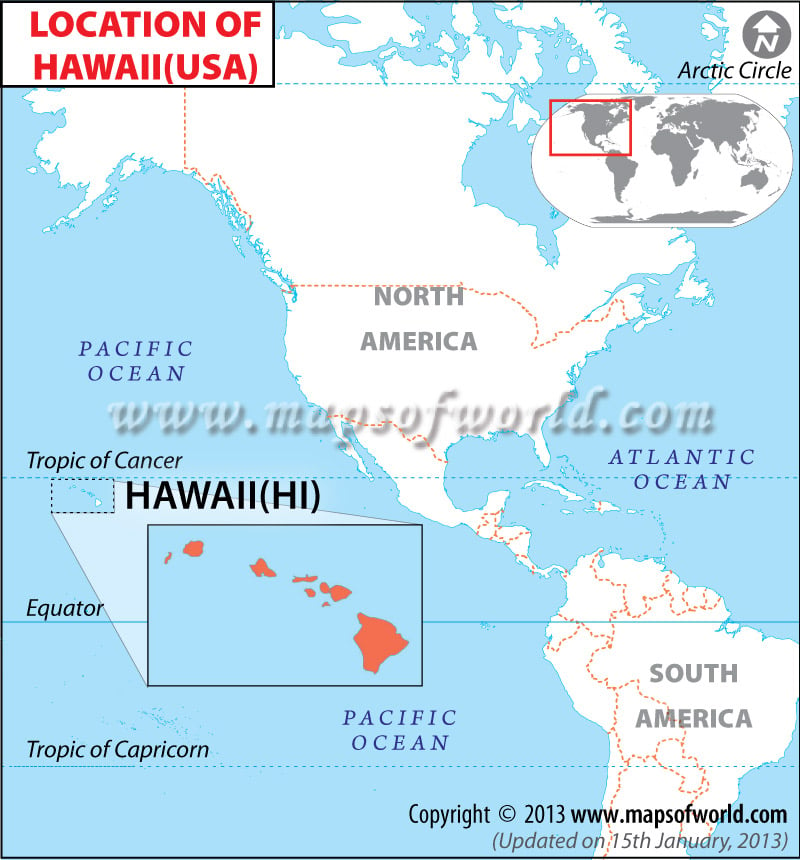
To understand “Where Is Hawaii In The Map?”, we must first look to the vast expanse of the Pacific Ocean. Hawaii is not a single landmass but an archipelago, a chain of islands formed by volcanic activity over millions of years. This geological marvel lies approximately 2,390 miles (3,850 kilometers) southwest of San Francisco, California, and about 5,300 miles (8,500 kilometers) east of Tokyo, Japan. It is the only U.S. state located entirely in Oceania, a region often encompassing Melanesia, Micronesia, and Polynesia.
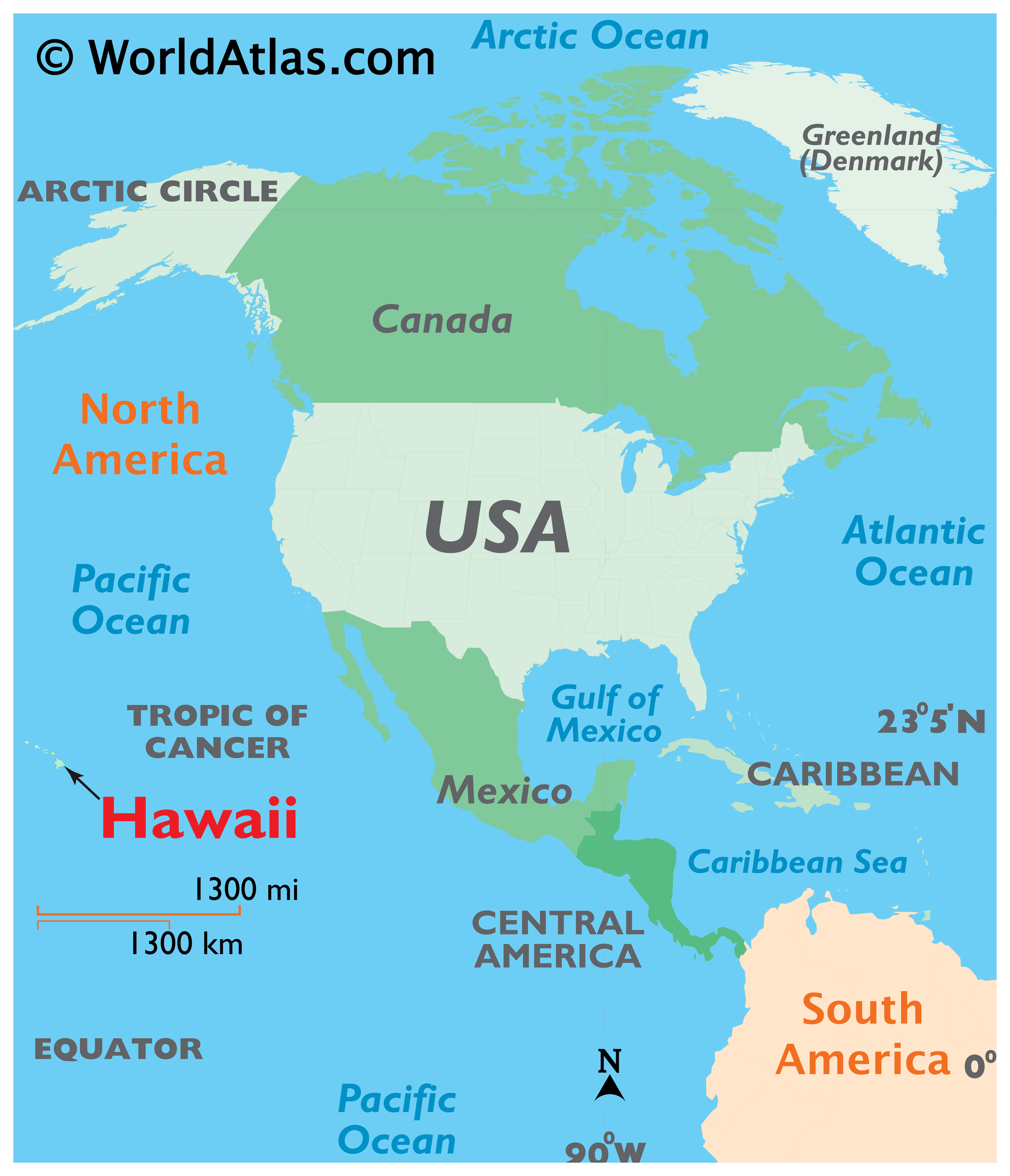
A Volcanic Genesis: The Story of the Hawaiian Islands
The islands of Hawaii are the emergent peaks of a massive underwater mountain range, the Hawaiian–Emperor seamount chain. This chain stretches over 1,500 miles (2,400 km) across the northwestern Pacific Ocean. The volcanic activity that created these islands originates from a “hotspot” in the Earth’s mantle. As the Pacific Plate moves northwestward over this stationary hotspot, new volcanoes form and, over time, become extinct and erode, creating the chain. The youngest and most active islands, including the island of Hawaii (often called the “Big Island” to distinguish it from the state), are located at the southeastern end of the chain. This ongoing volcanic process is a testament to the dynamic nature of our planet and has sculpted the dramatic landscapes that define Hawaii. The Mauna Loa and Kilauea volcanoes on the island of Hawaii are prime examples, offering awe-inspiring displays of geological power.
Navigating the Archipelago: Understanding the Main Islands
The state of Hawaii comprises 137 islands, atolls, and shoals, but the most frequented and largest islands are known as the main Hawaiian Islands. These include:
- Hawaii (The Big Island): The youngest and largest island, boasting diverse climates and landscapes, from black sand beaches to snow-capped mountains. It’s home to Hawaii Volcanoes National Park, showcasing active volcanoes like Kilauea.
- Maui: Known as the “Valley Isle,” Maui offers stunning beaches, the scenic Road to Hana, and the majestic Haleakala volcano, famous for its sunrise views.
- Oahu: The “Gathering Place,” Oahu is the most populated island and home to the state capital, Honolulu. It features iconic landmarks like Waikiki Beach, Pearl Harbor, and the historic Iolani Palace.
- Kauai: The “Garden Isle,” Kauai is celebrated for its dramatic cliffs of the Na Pali Coast, lush rainforests, and the breathtaking Waimea Canyon, often called the “Grand Canyon of the Pacific.”
- Molokai: The “Friendly Isle,” Molokai offers a glimpse into traditional Hawaiian life, with fewer tourists and a more laid-back atmosphere. It’s known for its significant historical sites, including the Kalaupapa National Historical Park.
- Lanai: The smallest inhabited island, Lanai was once known as the “Pineapple Isle” and now offers a more exclusive, luxurious experience with high-end resorts.
Each island possesses its unique character and attractions, contributing to Hawaii‘s multifaceted appeal as a travel destination.
Experiencing the Aloha Spirit: More Than Just a Location
Understanding Hawaii‘s geographical location is just the first step. Its true essence lies in the “Aloha Spirit,” a way of life characterized by love, peace, compassion, and mutual respect. This spirit permeates every aspect of the Hawaiian experience, from the warm welcomes to the respect for the land and its traditions.
Travel and Tourism: Unveiling the Wonders
The travel and tourism sector in Hawaii is diverse, catering to a wide range of interests and budgets. Whether you’re seeking adventure, relaxation, cultural immersion, or a luxurious escape, Hawaii has it all.

Destinations and Attractions: A Tapestry of Natural and Cultural Marvels
The primary draw for many visitors is the unparalleled natural beauty. From the active volcanic landscapes of the island of Hawaii to the dramatic sea cliffs of Kauai, the islands offer a stunning backdrop for exploration.
- Beaches: Hawaii is world-renowned for its beaches, offering everything from soft white sands at Waikiki to dramatic black sand beaches at Punaluʻu on the island of Hawaii, and the famous surfing meccas on the North Shore of Oahu.
- National Parks and Natural Reserves: Hawaii Volcanoes National Park is a UNESCO World Heritage Site, offering a unique opportunity to witness volcanic activity. The Na Pali Coast State Wilderness Park on Kauai provides breathtaking hiking and scenic boat tours. Haleakala National Park on Maui offers spectacular sunrise and sunset views from its summit.
- Historical Sites and Landmarks: Pearl Harbor on Oahu is a poignant reminder of history. The Iolani Palace in Honolulu is the only royal palace in the United States and stands as a testament to Hawaii‘s monarchical past. Ancient Hawaiian heiau (temples) and petroglyph sites can be found across the islands, offering glimpses into the rich history and spiritual practices of the native Hawaiians.
- Marine Life: The waters surrounding Hawaii teem with life, making it a paradise for snorkeling, diving, and whale watching. During the winter months, Maui becomes a prime location to witness humpback whales.
Local Culture, Food, and Activities: Immersion and Discovery
Beyond the natural wonders, Hawaii offers a vibrant cultural experience.
- Luau: Attending a traditional Hawaiian luau is a quintessential experience, featuring authentic Hawaiian cuisine, music, and hula dancing.
- Cuisine: Hawaiian cuisine is a fusion of various influences, including native Hawaiian, Asian, and American. Must-try dishes include poke, kalua pig, laulau, and shave ice.
- Activities: From surfing lessons in Waikiki and hiking the Diamond Head crater to exploring the lush rainforests of Kauai and experiencing the Road to Hana on Maui, the opportunities for adventure are endless.
Accommodation and Lifestyle: Finding Your Island Home
Hawaii caters to a wide spectrum of accommodation needs and lifestyle preferences, ensuring every traveler can find their perfect fit.
Hotels and Resorts: Comfort and Luxury
The hospitality industry in Hawaii is highly developed, offering a vast array of options from budget-friendly inns to ultra-luxury resorts.
- Resorts: World-class resorts dot the coastlines of Maui, Oahu, and the island of Hawaii, offering amenities like infinity pools, spa services, and fine dining. Properties like the Grand Hyatt Kauai Resort & Spa and the Four Seasons Resort Maui at Wailea exemplify the high standards of luxury available.
- Hotels: From boutique hotels in Honolulu to beachfront accommodations, there are numerous hotels catering to different tastes and budgets. Many offer stunning ocean views and convenient access to attractions.
- Villas and Apartments: For those seeking more privacy or longer stays, vacation rentals, villas, and apartments provide a home-away-from-home experience. This is particularly popular for families or groups traveling together.
Lifestyle Travel: Tailoring Your Hawaiian Escape
The concept of “lifestyle travel” is deeply ingrained in the Hawaiian experience. Whether you’re a luxury seeker, a budget-conscious explorer, a family on vacation, or a business traveler, Hawaii offers an experience tailored to you.
- Luxury Travel: For those seeking the utmost in comfort and exclusivity, Hawaii boasts renowned luxury resorts and private villas, often featuring personalized service and breathtaking settings.
- Budget Travel: Hawaii can be experienced on a budget by staying in hostels or more modest hotels, enjoying local eateries, and focusing on free natural attractions like beaches and hiking trails. Planning travel during the shoulder seasons can also offer cost savings.
- Family Trips: The islands offer a wealth of family-friendly activities, from calm swimming beaches and educational experiences at the Honolulu Zoo to adventurous excursions suitable for all ages.
- Business Stays: Honolulu on Oahu serves as a significant hub for business, with numerous hotels and convention centers catering to corporate travelers.
In conclusion, Hawaii is not just a dot on the map; it’s a vibrant, dynamic archipelago that offers an unparalleled travel experience. Its geographical isolation in the vast Pacific Ocean has contributed to its unique culture and natural wonders. By understanding where Hawaii is located, travelers can better appreciate the journey to this extraordinary destination and immerse themselves in the true spirit of Aloha. From the fiery depths of its volcanoes to the gentle caress of its ocean breezes, Hawaii awaits, ready to captivate your senses and create memories that will last a lifetime.
LifeOutOfTheBox is a participant in the Amazon Services LLC Associates Program, an affiliate advertising program designed to provide a means for sites to earn advertising fees by advertising and linking to Amazon.com. Amazon, the Amazon logo, AmazonSupply, and the AmazonSupply logo are trademarks of Amazon.com, Inc. or its affiliates. As an Amazon Associate we earn affiliate commissions from qualifying purchases.