
The question “Where is Hawaii in the United States?” often arises because, unlike the contiguous 48 states, this captivating archipelago stands majestically apart, an isolated jewel in the vast Pacific Ocean. Its unique geographical placement, cultural heritage, and sheer natural beauty make it an anomaly and a marvel within the American union. Far removed from the hustle and bustle of the mainland, Hawaii offers a distinct identity that blends its ancient Polynesian roots with modern American influences, creating a destination unlike any other. This article delves into the precise location of Hawaii, explores the compelling reasons behind its allure, and offers insights into experiencing its unparalleled charm, covering everything from its geological wonders to its vibrant travel and accommodation landscape.
The Geographical Tapestry of the Hawaiian Islands
To understand where Hawaii truly is, one must first grasp its extraordinary geographical context. It is not merely a state but a chain of islands born from powerful volcanic forces, thousands of miles from any continental landmass.
A Remote Archipelago in the Heart of the Pacific
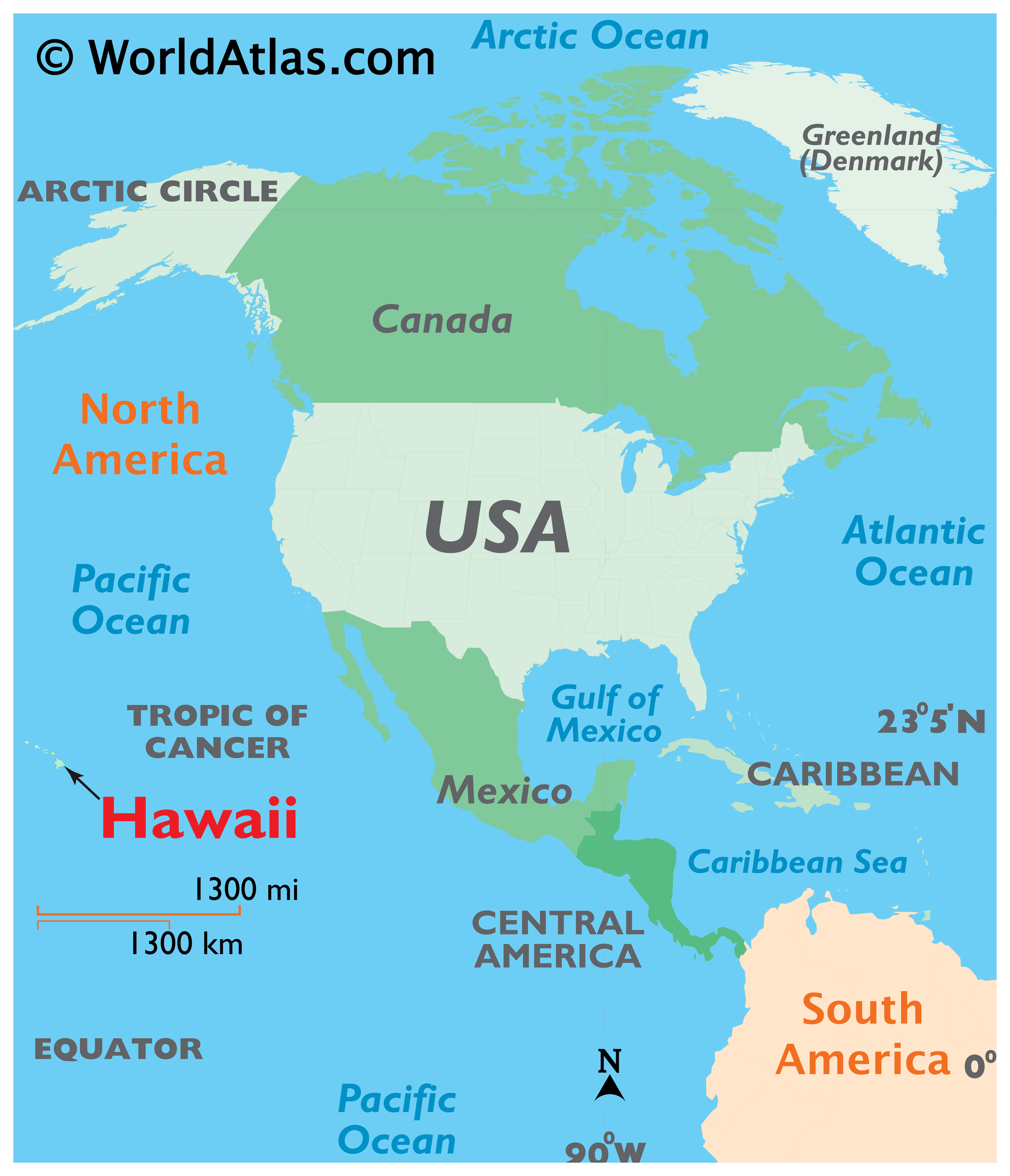
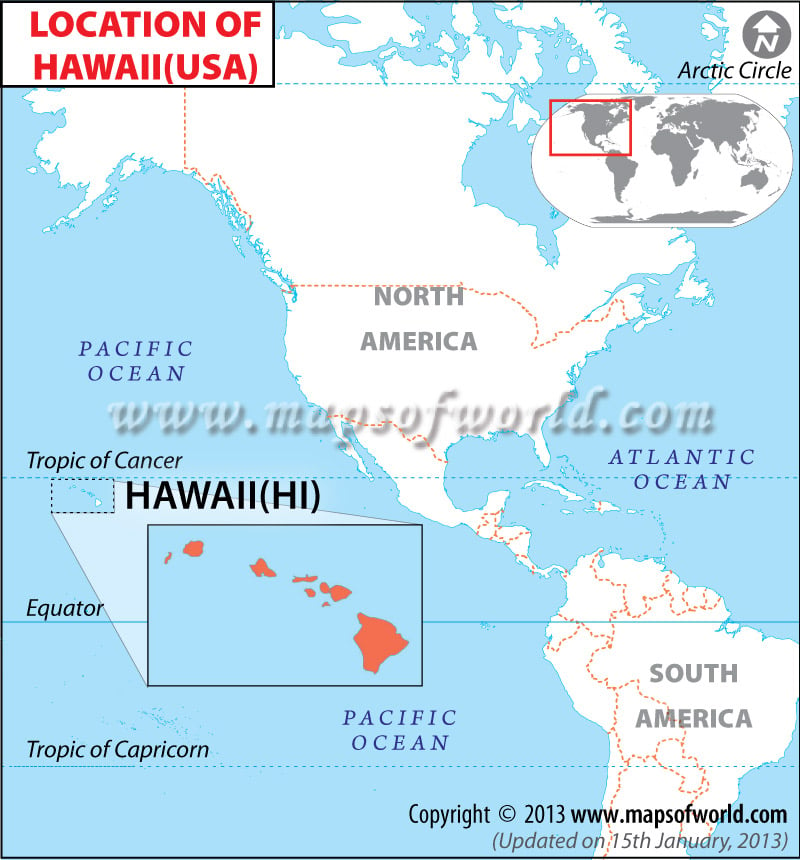
Geographically, Hawaii is located in the central Pacific Ocean, making it the southernmost state of the United States. It lies approximately 2,400 miles (3,860 kilometers) southwest of California and over 3,850 miles (6,200 kilometers) southeast of Japan. This immense distance underscores its isolation, which has profoundly shaped its ecosystem, culture, and very identity. Despite its remoteness, it is an integral part of the United States, comprising nearly all of the Hawaiian Islands, an archipelago of 137 islands, islets, and atolls stretching over 1,500 miles (2,400 kilometers). Of these, only eight are considered “main islands,” and even fewer are inhabited or readily accessible to tourists.
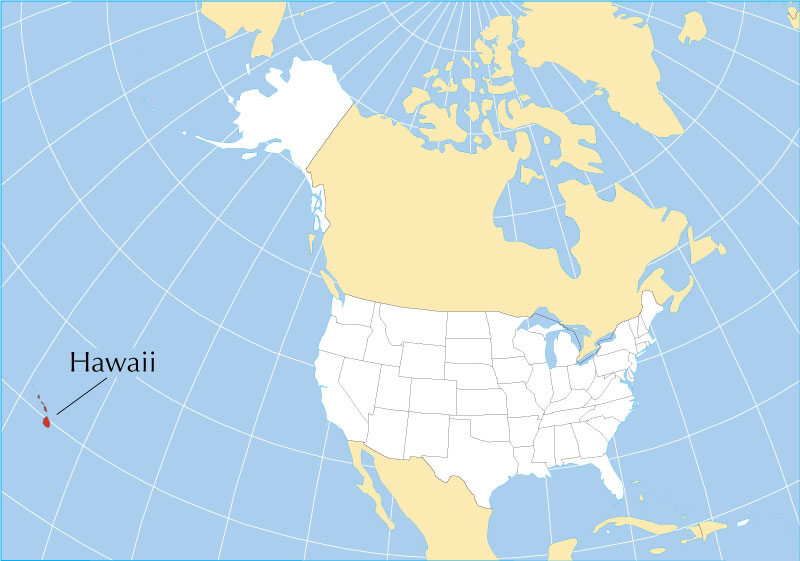
The primary populated islands include Oahu, Maui, Kauai, Molokai, Lanai, and the Big Island (also officially known as Hawaii Island). The island of Kahoolawe is uninhabited and used primarily for cultural purposes, while Niihau remains privately owned with limited access, preserving its traditional Hawaiian lifestyle. This unique configuration makes Hawaii not only the only U.S. state located outside North America but also the only one composed entirely of islands.
Volcanic Origins and Diverse Landscapes
The Hawaiian Islands owe their existence to a geological hotspot deep beneath the Pacific Plate. As the plate slowly moves northwestward, new volcanic activity continuously forms new islands over this stationary hotspot, creating a chain of volcanoes. This process means the southeastern islands, particularly the Big Island, are geologically the youngest and most volcanically active, while those to the northwest are progressively older and more eroded. Hawaii is a prominent part of the larger Ring of Fire, a major area in the basin of the Pacific Ocean where many earthquakes and volcanic eruptions occur.
This volcanic origin has blessed Hawaii with an astonishing diversity of landscapes. From the active lava flows of Kilauea and Maunaloa within Hawaii Volcanoes National Park on the Big Island to the snow-capped peak of Mauna Kea, the lush, verdant cliffs of Kauai’s Na Pali Coast, and the sun-drenched beaches of Maui, each island offers a distinct natural tapestry. Visitors can experience rainforests, deserts, towering mountains, dramatic canyons like Waimea Canyon, and pristine coral reefs, all within a relatively small geographical area. This natural diversity is a primary driver of Hawaii’s appeal as a global travel destination.
Hawaii’s Place in the American Union: A Story of Culture and History
Beyond its geographical location, Hawaii’s story within the United States is deeply intertwined with its unique historical and cultural evolution, setting it apart from any other state.
From Kingdom to Statehood: A Brief Historical Overview
The history of Hawaii as part of the United States is complex and often contentious. The islands were first settled by Polynesian voyagers between 300 and 800 CE, who brought with them rich traditions, advanced navigation skills, and a sustainable way of life. European contact began in 1778 with the arrival of Captain James Cook, initiating a period of significant change. In 1810, King Kamehameha I unified the islands, establishing the Kingdom of Hawaii, which maintained its sovereignty for nearly a century.
However, increasing foreign influence, particularly from American businessmen and missionaries, led to the overthrow of the Hawaiian monarchy in 1893 and its subsequent annexation by the United States in 1898. For decades, it existed as a U.S. territory, playing a crucial strategic role, famously highlighted by the attack on Pearl Harbor during World War II. Finally, on August 21, 1959, Hawaii officially became the 50th state of the United States. This journey from an independent kingdom to a U.S. state imbues Hawaii with a distinctive historical narrative, visible in its landmarks like the Iolani Palace in Honolulu, the only royal palace on U.S. soil.
The Melting Pot of the Pacific: Cultural Influences
Hawaii’s isolation and history have created a vibrant cultural mosaic. While deeply rooted in Polynesian traditions—expressed through language, hula, music, and the pervasive Aloha Spirit—the islands have also absorbed influences from various immigrant groups. The influx of labor for the sugar and pineapple plantations in the 19th and 20th centuries brought workers from China, Japan, the Philippines, Korea, and Portugal, among others. This blend has resulted in a rich tapestry of customs, cuisines, and languages, making Hawaii a truly multicultural society.
The Aloha Spirit, often misunderstood as a simple greeting, encapsulates a philosophy of kindness, respect, and compassion that permeates daily life. Visitors are encouraged to embrace this spirit, which is reflected in the warmth of its people and the serene atmosphere of the islands. This unique cultural fusion makes visiting Hawaii not just a scenic retreat but also an immersive cultural experience, offering a glimpse into a harmonious coexistence of diverse traditions.
Unveiling the Aloha Spirit: What Makes Hawaii a Premier Destination?
Hawaii’s remote location and distinctive heritage have shaped it into a world-renowned destination, promising a wealth of experiences for every type of traveler. Its appeal extends far beyond its stunning beaches, inviting visitors to delve into its natural wonders, vibrant culture, and adventurous spirit.
Iconic Islands and Their Unique Charms
Each of the main Hawaiian Islands possesses its own distinct personality and attractions, catering to different preferences:
-
Oahu: The Gathering Place
Home to the state capital, Honolulu, and the iconic Waikiki Beach, Oahu is the most populous and developed island. It offers a perfect blend of urban sophistication and natural beauty. Visitors can explore the historical significance of the Pearl Harbor National Memorial, hike to the summit of Diamond Head for panoramic views, or catch world-class surfing waves on the North Shore. Cultural experiences abound at the Polynesian Cultural Center or through exploring the ancient fishponds and lush valleys of Kualoa Ranch. Oahu serves as a dynamic hub, offering diverse activities from bustling city life to serene natural escapes. -
Maui: The Valley Isle
Renowned for its romantic allure and luxurious resorts, Maui strikes a balance between development and unspoiled nature. Its attractions include the scenic Road to Hana, a winding coastal highway boasting waterfalls and lush landscapes, and the breathtaking sunrise over the dormant Haleakala National Park volcano. Whale watching (seasonal), snorkeling at Molokini Crater, and relaxing on stunning beaches like those in Wailea or Ka’anapali are popular activities. The historic whaling town of Lahaina, with its charming Lahaina Historic District, offers a glimpse into Maui’s past. -
Kauai: The Garden Isle
Kauai lives up to its name with unparalleled natural beauty, characterized by dramatic cliffs, cascading waterfalls, and emerald valleys. The majestic Na Pali Coast, accessible by boat, helicopter, or strenuous hiking, is a true wonder. The “Grand Canyon of the Pacific,” Waimea Canyon, offers spectacular viewpoints. Kauai is ideal for adventurers and nature lovers, offering opportunities for kayaking, zip-lining, and exploring lush botanical gardens around areas like Princeville and Poipu. -
Big Island (Hawaii Island): The Orchid Isle
The largest and geologically youngest island, the Big Island is home to five volcanoes, two of which are active: Maunaloa and Kilauea, both within Hawaii Volcanoes National Park. Visitors can witness active lava flows (when conditions permit), explore black sand beaches formed by recent volcanic activity, and stargaze from the summit of Mauna Kea. The island offers diverse climates, from the sunny Kona coast to the rainy Hilo side, supporting everything from coffee plantations to rainforests.
Embracing the Hawaiian Lifestyle: Activities and Experiences
Beyond specific landmarks, Hawaii offers a lifestyle steeped in outdoor adventure, relaxation, and cultural immersion.
- Water Sports: With warm waters year-round, Hawaii is a paradise for surfing, snorkeling, scuba diving, stand-up paddleboarding, and kayaking. Learning to surf on Waikiki Beach or exploring vibrant coral reefs teeming with marine life are quintessential Hawaiian experiences.
- Hiking and Exploration: The islands boast countless trails, leading to hidden waterfalls, panoramic viewpoints, and ancient sacred sites. From easy coastal strolls to challenging volcanic treks, there’s an adventure for every fitness level.
- Cultural Immersion: Attending a traditional luau to experience Hawaiian music, hula, and food is a must. Visiting historical sites, museums, and local markets provides deeper insight into the islands’ heritage and the Aloha Spirit.
- Culinary Delights: Hawaii’s cuisine is a delicious fusion of Polynesian, Asian, and American influences. Fresh seafood, poke bowls, kalua pig, shave ice, and tropical fruits are just a few of the gastronomic treasures awaiting discovery.
Planning Your Hawaiian Escape: Accommodation and Travel Tips
Successfully planning a trip to Hawaii requires thoughtful consideration, particularly regarding accommodation and navigating the islands, ensuring a memorable and respectful experience.
From Luxury Resorts to Budget-Friendly Stays
Hawaii’s diverse travel market is well-equipped to cater to a wide range of budgets and preferences.
- Luxury Resorts: For those seeking an opulent escape, islands like Maui and Oahu are home to world-class resorts offering unparalleled amenities, including private beaches, championship golf courses, and exquisite dining. Examples include the Four Seasons Resort Maui at Wailea, The Ritz-Carlton, Kapalua on Maui, or the Grand Hyatt Kauai Resort & Spa. These properties often feature luxurious suites, expansive pools, and integrated spa and wellness services, perfect for a high-end lifestyle travel experience.
- Boutique Hotels and Mid-Range Options: Many travelers opt for charming boutique hotels or established mid-range chains like Outrigger Hotels and Resorts or Aqua-Aston Hospitality, which offer comfortable accommodations and excellent service without the premium price tag. These options often provide a more localized experience, focusing on amenities relevant to the destination.
- Vacation Rentals and Apartments: For families, long-term stays, or those preferring self-catering options, platforms like Airbnb and VRBO offer a vast selection of apartments, villas, and homes. This choice provides flexibility and often a more authentic feel, allowing visitors to immerse themselves in local neighborhoods.
- Budget Travel: Hostels and guesthouses are available, especially in more urban areas like Honolulu or on the Big Island, catering to budget-conscious travelers or backpackers looking for affordable accommodation. Booking well in advance is crucial, especially during peak seasons, and always compare reviews and prices to find the best fit for your trip.
Navigating the Islands: Essential Travel Advice
To make the most of your Hawaiian adventure, consider these practical tips:
- Inter-island Travel: While traveling between islands is a highlight for many, remember that Hawaii has no inter-island ferries for tourists. Air travel is the only practical way to hop between the major islands, with several regional airlines offering frequent flights. Plan your itinerary to include 2-3 islands at most to avoid feeling rushed.
- Car Rentals: Renting a car is highly recommended for exploring each island, as public transportation outside of Honolulu is limited. Book your rental car well in advance, especially during peak travel times, as availability can be scarce and prices can surge.
- Best Time to Visit: Hawaii enjoys a mild, tropical climate year-round. The peak season generally runs from mid-December through March and again during summer (June-August). Shoulder seasons (April-May, September-November) often offer pleasant weather, fewer crowds, and potentially lower prices for flights and accommodations.
- Respecting the Culture and Environment: The Aloha Spirit extends to showing respect for the land (aina), the ocean (kai), and the local culture. Practice sustainable tourism by protecting natural resources, supporting local businesses, and being mindful of traditions. The Hawaii Tourism Authority provides excellent resources on responsible travel.
- Packing Essentials: Pack light, breathable clothing, swimwear, reef-safe sunscreen, a reusable water bottle, insect repellent, and sturdy shoes for hiking. A light jacket might be useful for cooler evenings or higher elevations.
In conclusion, Hawaii’s location in the United States is not just a point on a map; it represents a unique geographical, historical, and cultural phenomenon. As the world’s most isolated island chain and a vibrant American state, it offers an unparalleled blend of natural wonder, rich heritage, and modern amenities. From the volcanic landscapes of the Big Island to the bustling beaches of Oahu and the serene beauty of Kauai, Hawaii promises an experience that transcends a typical vacation, leaving visitors with memories steeped in the true essence of the Aloha Spirit.
LifeOutOfTheBox is a participant in the Amazon Services LLC Associates Program, an affiliate advertising program designed to provide a means for sites to earn advertising fees by advertising and linking to Amazon.com. Amazon, the Amazon logo, AmazonSupply, and the AmazonSupply logo are trademarks of Amazon.com, Inc. or its affiliates. As an Amazon Associate we earn affiliate commissions from qualifying purchases.