
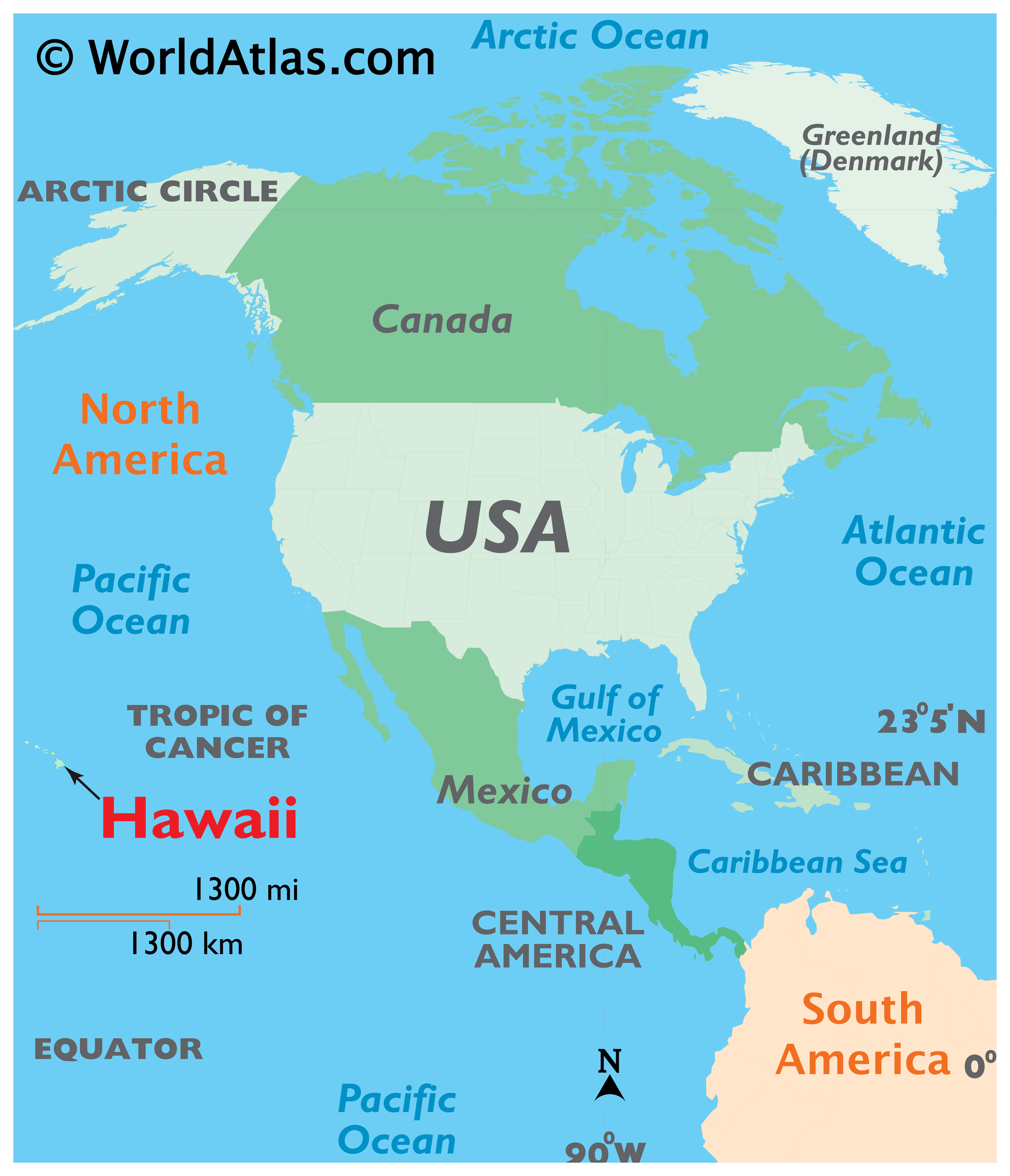
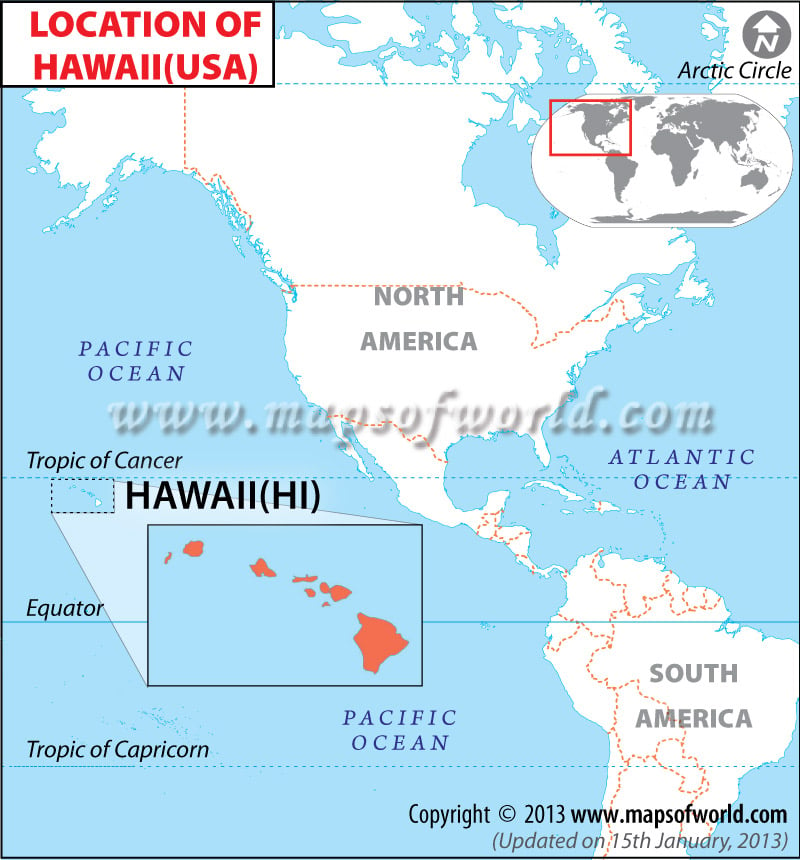
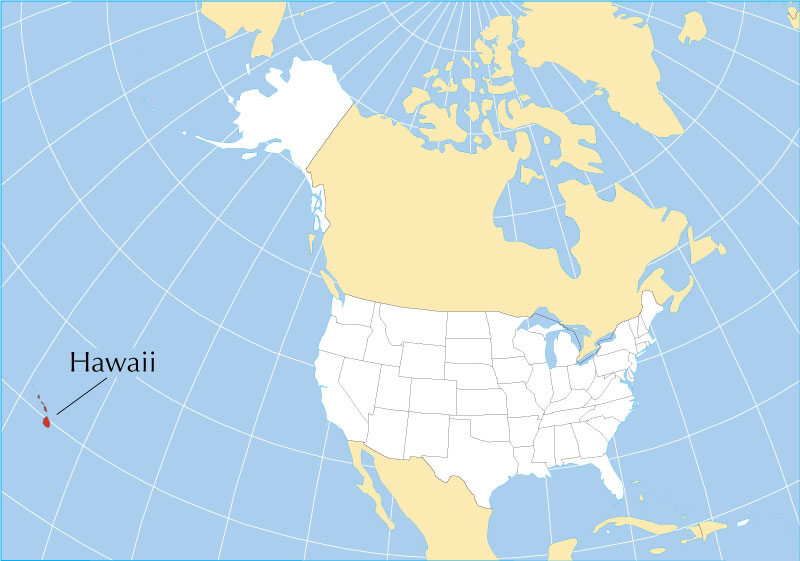
Nestled in the vast expanse of the Pacific Ocean, Hawaii stands as a unique and breathtaking jewel within the United States. Far from the continental landmass, this archipelagic state holds the distinction of being the most isolated population center on Earth, yet it is inextricably woven into the fabric of American identity and culture. Its remote location, roughly 2,400 miles southwest of the U.S. mainland, east of Japan, and northeast of Australia, is precisely what gives it its unparalleled allure. This geographical singularity has shaped everything from its vibrant ecosystem and distinct cultural heritage to its unique appeal as a global travel destination, inviting millions to discover its shores each year. For anyone dreaming of a tropical escape, understanding Hawaii’s place on the map is the first step toward uncovering the wonders of its stunning landscapes, rich history, and the incomparable Aloha Spirit that defines it.
The Geographical Tapestry of Hawaii
The state of Hawaii is an archipelago consisting of eight main islands and numerous smaller islets and atolls, stretching over 1,500 miles. These volcanic wonders emerge majestically from the deep blue waters of the Pacific Ocean, forming the northernmost tip of Polynesia. The main inhabited islands, from northwest to southeast, include Kauai, Oahu, Molokai, Lanai, Maui, and Hawaii Island, often referred to as the Big Island to distinguish it from the state itself. Each island possesses its own distinct personality, carved by millennia of volcanic activity and natural erosion.
The geological genesis of the Hawaiian Islands is a fascinating tale of a stationary hotspot beneath the Earth’s crust. As the Pacific Plate slowly drifts northwestward over this hotspot, new volcanic islands are continuously formed, while older ones gradually erode and subside. This process explains why the southeastern islands, particularly Hawaii Island, are still actively growing with volcanoes like Kilauea and Mauna Loa, while the older islands to the northwest feature dramatic, lush valleys and deeply carved coastlines, their volcanic activity long dormant. This dynamic geological history has blessed Hawaii with an incredible array of landscapes, from black sand beaches created by pulverized lava to pristine white sand shores, towering sea cliffs, and verdant rainforests fed by abundant rainfall.
The isolation of Hawaii has also led to an extraordinary level of endemism, meaning many plant and animal species found here exist nowhere else on Earth. This unique biodiversity, combined with the islands’ dramatic topography and year-round tropical climate, makes Hawaii not just a tourist destination but a living laboratory of natural science and a sanctuary for environmental preservation. Its strategic position in the central Pacific Ocean also holds historical and geopolitical significance, acting as a crossroads for trade, exploration, and military operations throughout the centuries, connecting North America with Asia and beyond.
A Journey Through Hawaii’s Vibrant Culture and History
The story of Hawaii is as captivating as its scenery, a rich tapestry woven from ancient Polynesian heritage, a proud sovereign monarchy, and a complex journey to U.S. statehood. The original settlers, intrepid navigators from the Marquesas Islands and later Tahiti, brought with them a sophisticated culture, a deep connection to the land (aina) and sea, and traditions that continue to shape modern Hawaiian identity. The concept of the Aloha Spirit — embodying love, peace, compassion, and respect — is not merely a greeting but a philosophy of life that permeates interactions and the overall ambiance of the islands. Traditional practices like the graceful hula dance, the intricate art of lei making, and the communal feast of the luau are living testaments to this enduring heritage.
The arrival of Captain James Cook in 1778 marked Hawaii’s entry into the Western world, irrevocably altering its trajectory. This period saw the unification of the islands under King Kamehameha I, establishing the Kingdom of Hawaii, which for nearly a century navigated complex international relations with Europe and the United States. However, the late 19th century brought political turmoil, leading to the overthrow of the monarchy in 1893 and eventual annexation by the U.S. in 1898. A pivotal moment in modern history occurred on December 7, 1941, when the attack on Pearl Harbor on Oahu propelled the United States into WWII, forever cementing Hawaii’s place in global events. Finally, in 1959, Hawaii achieved statehood, becoming the 50th state of the United States.
Today, Hawaiian lifestyle is a captivating blend of tradition and modernity, deeply influenced by its multi-ethnic population, which includes significant communities of Japanese, Filipino, Chinese, and Portuguese descent, alongside Native Hawaiians and Caucasians. This cultural mosaic manifests in everything from its diverse culinary scene, featuring unique fusion dishes and local favorites like poke and shave ice, to its vibrant arts and music landscape. The importance of family (ohana), community, and environmental stewardship (malama aina) remains central to daily life. While embracing its role as a global travel hub, Hawaii also strives to maintain a balance, promoting sustainable tourism and respecting the sacredness of its natural and cultural resources, ensuring the preservation of its distinctive identity for future generations.
Planning Your Hawaiian Escape: Travel, Accommodation, and Activities
For millions of travelers, Hawaii represents the ultimate dream destination—a tropical paradise where adventure meets relaxation, and cultural immersion awaits at every turn. Its unique location, far removed from the mainland, is precisely what makes the journey so rewarding, promising an experience unlike any other.
Getting There: Travel Logistics
Reaching the shores of Hawaii is remarkably straightforward, with major international airports serving as primary gateways. The busiest is Daniel K. Inouye International Airport (HNL) in Honolulu on Oahu, which handles direct flights from numerous cities across the United States, Asia, and the Pacific. Other key airports include Kahului Airport (OGG) on Maui and Kona International Airport (KOA) on Hawaii Island, offering direct access to these popular islands. Flights from the U.S. West Coast typically range from 5 to 6 hours, while those from the East Coast can be 10 hours or more, often with a layover. Inter-island travel is frequent and efficient, with short flights connecting the main islands, making island-hopping an effortless part of any itinerary. The best time to visit often depends on preference; shoulder seasons (April-May and September-November) offer pleasant weather and fewer crowds, appealing to both luxury and budget travelers alike.
Where to Stay: Hotels and Accommodation
Hawaii’s accommodation landscape is as diverse as its scenery, catering to every style of traveler and budget. For those seeking unparalleled luxury, the islands boast world-renowned resorts that redefine opulence. On Maui, properties like the Four Seasons Resort Maui at Wailea and The Ritz-Carlton, Kapalua offer exquisite suites, pristine oceanfront locations, award-winning dining, and amenities such as infinity pools, full-service spas, and championship golf courses. Kauai delights with resorts like the Grand Hyatt Kauai Resort & Spa, known for its sprawling pools and lush gardens. Meanwhile, Oahu’s iconic Waikiki Beach is home to historic gems like the Moana Surfrider, A Westin Resort & Spa, providing a blend of classic elegance and modern comforts.
Beyond these grand establishments, travelers can choose from charming boutique hotels, offering personalized service and unique local flair, or opt for the flexibility of vacation rentals—apartments, villas, and condos—ideal for families or those planning longer stays. These options often come with kitchens, allowing for self-catering and potentially significant savings. Budget-conscious travelers can find comfortable guesthouses and even hostels, especially in more urban areas like Honolulu, making a Hawaiian dream vacation accessible to a broader audience. When booking, early reservations are always recommended, especially during peak seasons, and utilizing comparison websites can help secure the best rates and amenities.
Unforgettable Experiences: Tourism and Attractions
The allure of Hawaii lies in its boundless opportunities for adventure, relaxation, and cultural exploration. Each island offers a treasure trove of landmarks, natural wonders, and activities designed to create lasting memories.
On Oahu, beyond the famous sands of Waikiki Beach where surfing lessons are a must, visitors can hike to the summit of Diamond Head State Monument for panoramic views of Honolulu and the coastline. A poignant and essential stop is the Pearl Harbor National Memorial, offering a powerful reflection on history. Maui beckons with the majestic Haleakala National Park, where witnessing a sunrise or sunset from the dormant volcano’s summit is a spiritual experience. The scenic “Road to Hana” unveils waterfalls, lush rainforests, and breathtaking coastal vistas. Kauai, known as the “Garden Isle,” is home to the dramatic cliffs of the Na Pali Coast State Wilderness Park, best explored by boat tour or challenging hike. Finally, Hawaii Island offers the awe-inspiring Hawaii Volcanoes National Park, where visitors can witness the raw power of creation at active volcanoes like Kilauea, with lava viewing opportunities when conditions are safe.
Beyond these iconic landmarks, the islands offer a plethora of activities. The surrounding ocean is a playground for snorkeling, scuba diving, kayaking, and paddleboarding, revealing vibrant coral reefs and marine life. Seasonal whale watching (typically November through May) is a highlight, especially off the coast of Maui. On land, hiking trails abound, from easy coastal strolls to challenging rainforest treks and zip-lining adventures. Cultural experiences are deeply enriching, from attending a traditional luau with hula performances and kalua pig, to taking a lesson in lei making or exploring local farmers’ markets. For food enthusiasts, tasting local delicacies like poke, fresh seafood, and tropical fruits is a journey in itself.
Regarding lifestyle, Hawaii caters to all. Luxury travel can involve private villa rentals, bespoke tours, and exclusive resort amenities. For budget travel, focusing on free activities like beach days, hiking, and exploring local markets, coupled with self-catering, can make a trip surprisingly affordable. Family trips are well-supported with kid-friendly resorts, calm beaches, and educational cultural experiences. Even business stays often benefit from the unique backdrop of the islands, with resorts offering state-of-the-art convention facilities amidst stunning natural beauty.
In conclusion, Hawaii’s location, far from the continental United States but undeniably a part of it, defines its extraordinary character. It is a place where ancient traditions thrive alongside modern comforts, where volcanic landscapes meet pristine beaches, and where the spirit of Aloha welcomes all. Whether you seek thrilling adventures, serene relaxation, or profound cultural insights, this island paradise promises an unforgettable journey that is truly out of the box. Planning your visit to Hawaii means preparing for an immersion into a world where beauty, history, and the warmth of its people converge to create an unparalleled destination.
LifeOutOfTheBox is a participant in the Amazon Services LLC Associates Program, an affiliate advertising program designed to provide a means for sites to earn advertising fees by advertising and linking to Amazon.com. Amazon, the Amazon logo, AmazonSupply, and the AmazonSupply logo are trademarks of Amazon.com, Inc. or its affiliates. As an Amazon Associate we earn affiliate commissions from qualifying purchases.