
The question “Where is Hawaii on the United States map?” might seem straightforward, but its answer reveals one of the most unique geographical positions of any state in the nation. Far from the contiguous United States, the Aloha State floats majestically in the vast expanse of the Pacific Ocean, a chain of volcanic islands born from a hotspot deep within the Earth’s mantle. This isolation is precisely what gives Hawaii its distinctive allure, blending rich Hawaiian culture with breathtaking natural beauty, making it a premier destination for travelers worldwide.
For anyone planning a trip, understanding Hawaii’s location is the first step in unlocking its wonders. It dictates everything from travel time and cost to the unique experiences and accommodations awaiting visitors. This article delves into Hawaii’s precise geographical placement, explores how to navigate to and around its islands, and provides an overview of the iconic landmarks, diverse accommodations, and vibrant lifestyle that define this incredible island state. Whether you’re dreaming of a luxury travel escape or a budget travel adventure, Hawaii offers a piece of paradise for everyone, beautifully illustrating why it remains one of the world’s most sought-after destinations.
A Geographical Anomaly: Unpacking Hawaii’s Unique Position
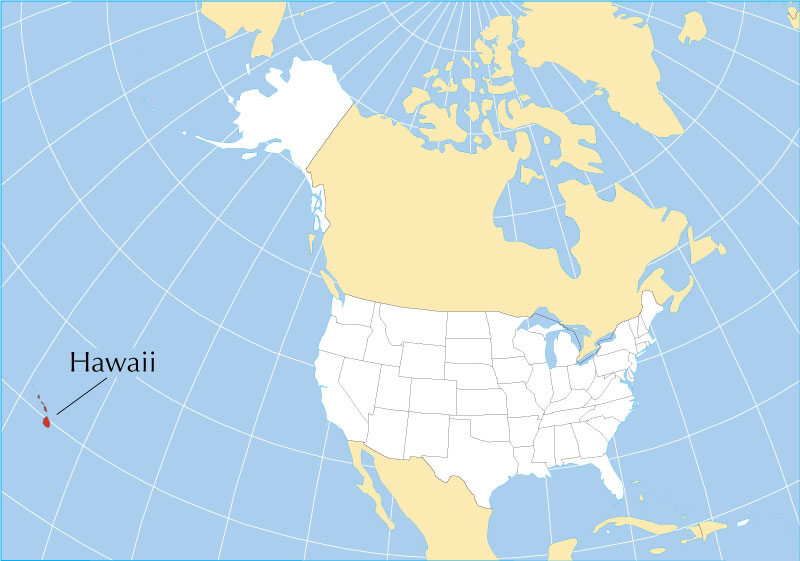
Hawaii’s placement on the United States map is unlike any other state, creating a unique set of geographical characteristics that distinguish it from the mainland United States. Its remote location is a fundamental aspect of its identity, influencing its climate, ecosystems, and cultural development.
Distant Shores: Where Exactly is Hawaii?
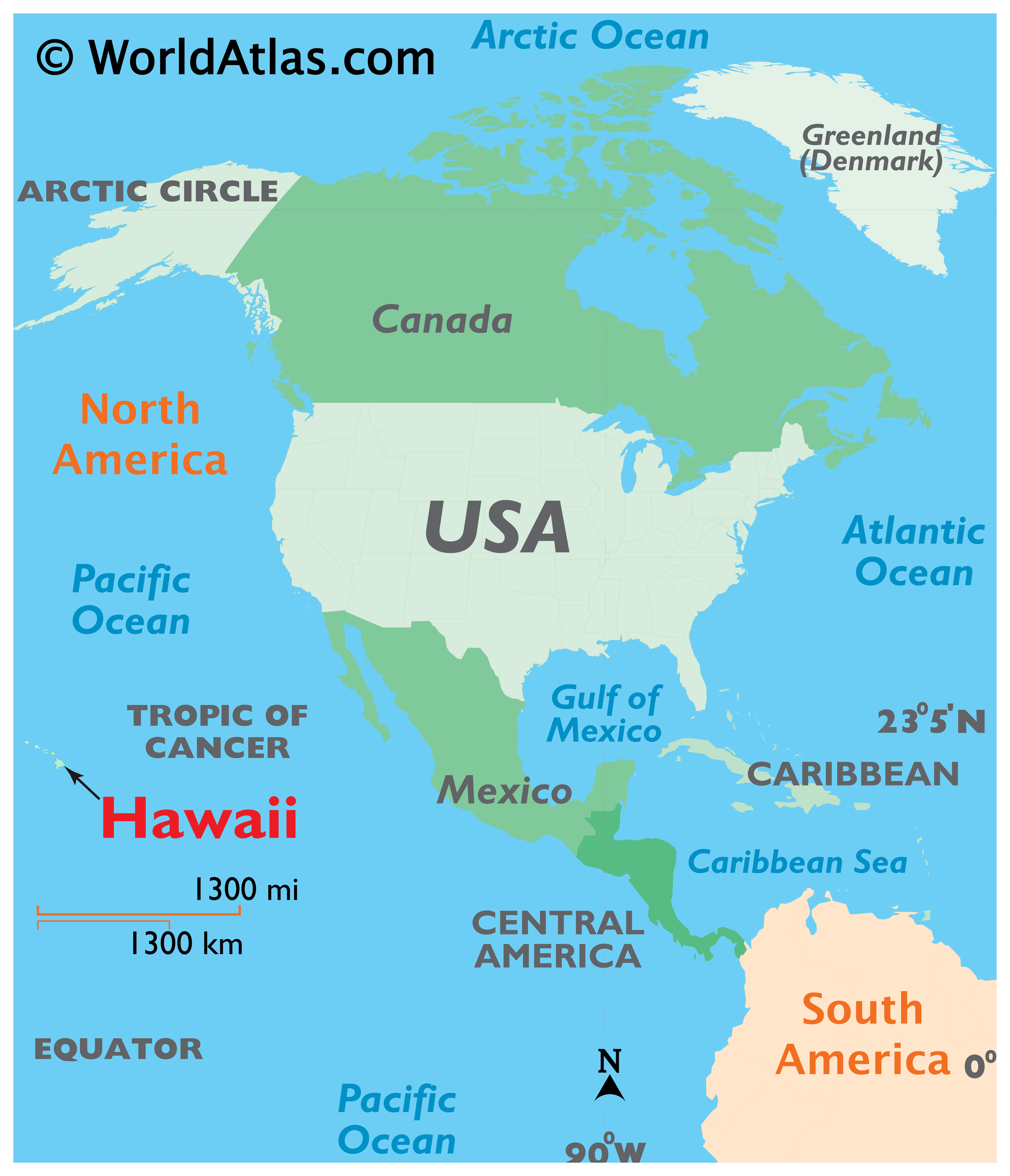
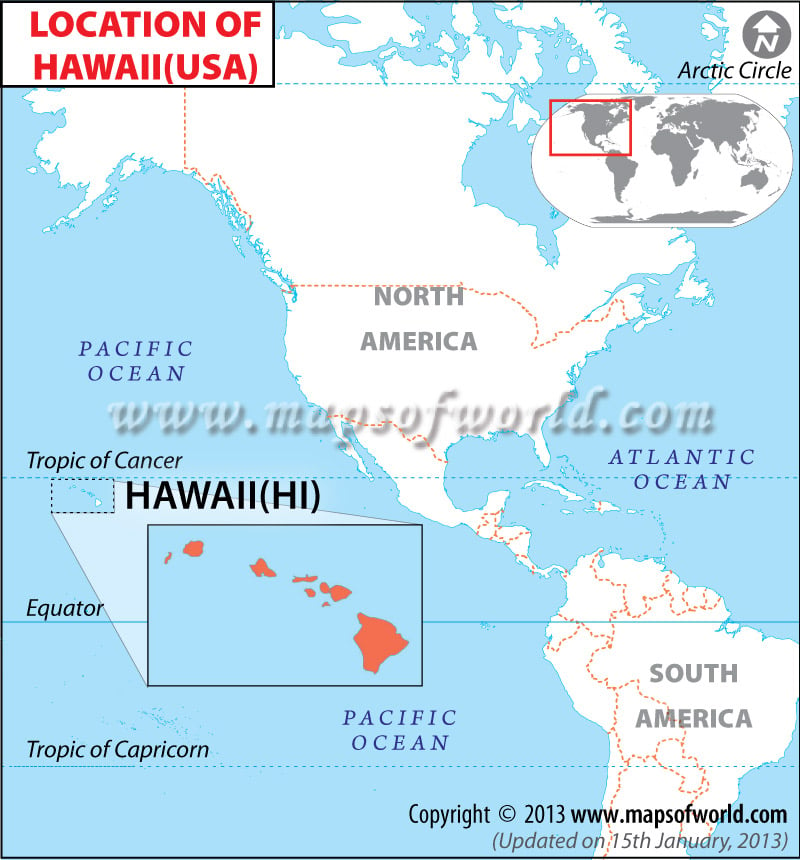
Hawaii is the only U.S. state located entirely outside North America. It lies roughly 2,500 miles (4,000 km) southwest of Los Angeles, California, making it the most isolated population center on Earth. To put this into perspective, it’s closer to Tokyo, Japan, than it is to Washington D.C., USA. The state comprises an archipelago of 137 islands, islets, and atolls stretching over 1,500 miles (2,400 km), though the eight main islands are where the vast majority of the population and tourism activities are concentrated.
This volcanic island chain began forming millions of years ago, as the Pacific Plate moved over a stationary hotspot. This geological phenomenon continues to create new land, most notably on the Big Island (also known as Hawaii Island), which is home to the world’s most active volcanoes. This continuous creation and erosion of land contribute to Hawaii’s dramatic landscapes, from towering sea cliffs to black sand beaches. The vast oceanic distance also plays a crucial role in shaping Hawaii’s distinct flora and fauna, many of which are endemic and found nowhere else on Earth.
The Aloha State on the Map: Visualizing the Islands
When you look at a map of the United States, Hawaii is almost always depicted in an inset box, typically off the coast of California or Mexico, to give a sense of its relative size and proximity to the mainland. This visual representation, while practical, often understates the true distance. The eight main islands, from northwest to southeast, are: Niihau, Kauai, Oahu, Molokai, Lanai, Kahoolawe, Maui, and the Big Island. Each island boasts its own unique character, offering diverse experiences for travelers.
- Oahu: Home to the capital city, Honolulu, and the iconic Waikiki Beach, it’s the most populated and frequently visited island.
- Maui: Known for its luxurious resorts, stunning beaches, and the scenic Road to Hana.
- Big Island: The largest island, featuring Hawaii Volcanoes National Park and diverse microclimates.
- Kauai: The “Garden Isle,” famous for its lush rainforests, dramatic cliffs of the Na Pali Coast, and Waimea Canyon.
Understanding this layout is crucial for planning inter-island travel and ensuring you make the most of your Hawaiian adventure.
Bridging the Distance: How to Travel to Paradise
Given Hawaii’s remote location, air travel is the primary means of reaching the islands for most visitors. The journey is an integral part of the overall experience, leading travelers across thousands of miles of Pacific Ocean to a tropical haven.
Flights and Gateways: Reaching the Islands
Direct flights to Hawaii are available from many major cities across the United States, Canada, Asia, and the Pacific rim. The main international gateway is Daniel K. Inouye International Airport (HNL) in Honolulu, Oahu. However, direct flights are also increasingly common to other major airports like Kahului Airport (OGG) on Maui, Kona International Airport (KOA) on the Big Island, and Lihue Airport (LIH) on Kauai.
Popular departure cities on the West Coast include Los Angeles, San Francisco, Seattle, and Portland, with flight times ranging from 5 to 6 hours. From Midwest hubs like Denver or Chicago, flights typically take 8 to 9 hours. East Coast cities such as New York and Atlanta offer longer direct flights, usually 10-12 hours, emphasizing the significant distance.
Major airlines serving Hawaii include Hawaiian Airlines, United Airlines, Delta Air Lines, American Airlines, and Alaska Airlines, among others. It’s advisable to book flights well in advance, especially during peak travel seasons, to secure the best fares and itineraries. Many visitors also consider bundling their flights with hotel accommodations as part of a package deal, which can often lead to significant savings.
Navigating the Islands: Inter-Island Travel and Ground Transportation
Once you arrive in Hawaii, experiencing multiple islands is a popular choice for many travelers. Inter-island flights are frequent and relatively short, typically ranging from 20 to 50 minutes. Hawaiian Airlines and Mokulele Airlines are the primary carriers for these routes, connecting all major airports. This accessibility allows visitors to hop between the bustling city life of Oahu, the serene beaches of Maui, the volcanic landscapes of the Big Island, and the verdant beauty of Kauai.
On each island, ground transportation options vary. Renting a car is highly recommended for exploring beyond urban centers, offering the freedom to discover hidden beaches, scenic viewpoints, and local towns at your own pace. Major car rental companies operate at all main airports. Public transportation is available, particularly in Honolulu (TheBus), but it may not reach all tourist attractions. Ride-sharing services like Uber and Lyft are also active in more populated areas. For specific tours or airport transfers, shuttle services and taxis are readily available, ensuring that once you’ve arrived, getting around is convenient and enhances your overall travel experience.
Beyond the Map: Experiences and Accommodation in Hawaii
Hawaii’s geographical uniqueness contributes to its diverse array of attractions and experiences. From historical landmarks to natural wonders, and from opulent resorts to charming local stays, the islands cater to every traveler’s preference.
Iconic Landmarks and Must-See Attractions
Each island offers a distinct flavor of Hawaiian paradise, packed with renowned landmarks and unforgettable activities.
- Oahu: Beyond the surf and sand of Waikiki Beach, visitors can hike to the summit of Diamond Head for panoramic views of Honolulu. A poignant and essential historical site is Pearl Harbor, where the USS Arizona Memorial stands as a tribute to those lost in World War II. The North Shore captivates with its legendary surf breaks and laid-back vibe.
- Maui: The breathtaking Road to Hana offers a journey through lush rainforests, waterfalls, and scenic coastal vistas. Witnessing the sunrise from the summit of Haleakala National Park is an ethereal experience, often described as seeing the world from above the clouds.
- Big Island: The dramatic landscapes of Hawaii Volcanoes National Park allow visitors to witness active volcanic activity, steam vents, and vast lava fields. The stargazing opportunities from Mauna Kea are unparalleled, offering a glimpse into the cosmos.
- Kauai: The majestic Na Pali Coast is a sight to behold, best viewed by boat tour, helicopter, or a challenging hiking trail. The “Grand Canyon of the Pacific,” Waimea Canyon, offers stunning geological formations and sweeping views.
These attractions, among countless others, embody the natural beauty and historical significance that make Hawaii a famous place of unparalleled wonder.
Finding Your Perfect Hawaiian Stay: Hotels and Accommodation
Hawaii boasts an extensive range of accommodations, from lavish five-star luxury resorts to cozy boutique hotels, charming vacation rentals, and budget-friendly options. Your choice of stay will significantly shape your Hawaiian experience.
For those seeking ultimate indulgence, resorts like the Four Seasons Resort Maui at Wailea or the Ritz-Carlton, Kapalua offer exquisite suites, world-class spas, gourmet dining, and direct oceanfront access. Iconic properties like the Hilton Hawaiian Village Waikiki Beach Resort on Oahu provide extensive amenities, multiple pools, and a vibrant atmosphere suitable for family trips.
If you prefer more space or a home-away-from-home feel, apartments and villas available through services like Airbnb or local property management companies are excellent choices, often equipped with kitchens and offering a more immersive local culture experience. These are particularly good for long-term stays or larger groups. When considering booking your stay, it’s always wise to check reviews and use comparison websites to find the best value and ensure your chosen accommodation meets your specific needs. Understanding the range of hotels and other lodging options is a key part of planning your perfect Hawaiian getaway.
The Hawaiian Lifestyle: Culture, Cuisine, and Activities
Beyond its captivating geography and stunning landmarks, Hawaii offers a vibrant lifestyle rich in culture, unique food, and endless activities that truly encapsulate the spirit of aloha.
Embracing the Aloha Spirit: Culture and Traditions
The Aloha Spirit is more than just a greeting; it’s a way of life that permeates every aspect of Hawaiian culture. It embodies love, peace, compassion, and respect for oneself, others, and the land (aina). Visitors are often welcomed with a traditional lei greeting, a beautiful symbol of hospitality and affection. The intricate movements of hula, accompanied by chanting and rhythmic instruments, tell stories of ancient Hawaii, connecting modern generations to their ancestral heritage.
Attending a traditional luau is a quintessential Hawaiian experience, offering a feast of local delicacies, captivating performances, and a deep dive into island traditions. Learning a few phrases of the Hawaiian language, such as “mahalo” (thank you) or “e komo mai” (welcome), can further enrich your interaction with locals and show respect for their heritage. These cultural insights are an invaluable part of any visit, providing a deeper understanding of this remarkable state.
A Taste of Paradise: Culinary Delights
Hawaii’s food scene is a delicious fusion of Polynesian, Asian, and American influences, utilizing fresh local ingredients. One of the most iconic dishes is poke, raw fish seasoned with various ingredients, often enjoyed as a snack or meal. Other must-try items include kalua pig, traditionally cooked in an imu (underground oven), and lau lau, a dish of pork, beef, or fish wrapped in taro leaves and steamed.
Sweet treats like shave ice with tropical syrups and macadamia nut ice cream are perfect for cooling down. Don’t forget to savor the rich, aromatic Kona coffee, grown on the slopes of Hualalai and Mauna Loa on the Big Island. Many restaurants embrace the farm-to-table experience, showcasing the abundance of fresh produce like lilikoi (passion fruit), papayas, and mangoes. Exploring the diverse food scene is an activity in itself, offering a delightful journey through the islands’ culinary landscape.
Endless Activities for Every Traveler
Whether you’re an adrenaline junkie, a nature lover, or seeking pure relaxation, Hawaii has an activity to match. The surrounding Pacific Ocean provides a playground for water sports such as surfing, snorkeling with vibrant marine life, scuba diving to explore coral reefs and shipwrecks, and paddleboarding in calm bays. From December to May, whale watching tours offer incredible opportunities to see humpback whales.
On land, the islands boast myriad hiking trails ranging from easy coastal walks to challenging volcano treks. Golfing enthusiasts will find world-class courses with stunning ocean views. For those interested in local culture and history, guided tours to ancient sites, museums, and coffee plantations provide enriching experiences.
Whether you opt for luxury experiences like private catamaran cruises and helicopter tours, or prefer more budget-friendly tips like exploring public beaches and local markets, Hawaii ensures an unforgettable trip. The diversity of its activities perfectly complements its stunning nature and makes it an ideal choice for any type of traveler, be it for a romantic getaway, a family vacation, or a business stay with leisure time.
In conclusion, while Hawaii may appear in an inset box on the United States map, its geographical isolation is precisely what makes it so extraordinary. This chain of islands, far removed from the mainland, offers a universe of unique experiences, from its volcanic origins to its vibrant Hawaiian culture. Understanding its location is merely the first step on a journey to discover a place where ancient traditions blend seamlessly with modern travel, and where every visit is imbued with the spirit of aloha. Hawaii truly is a world unto itself, awaiting discovery by those willing to bridge the distance to paradise.
LifeOutOfTheBox is a participant in the Amazon Services LLC Associates Program, an affiliate advertising program designed to provide a means for sites to earn advertising fees by advertising and linking to Amazon.com. Amazon, the Amazon logo, AmazonSupply, and the AmazonSupply logo are trademarks of Amazon.com, Inc. or its affiliates. As an Amazon Associate we earn affiliate commissions from qualifying purchases.