
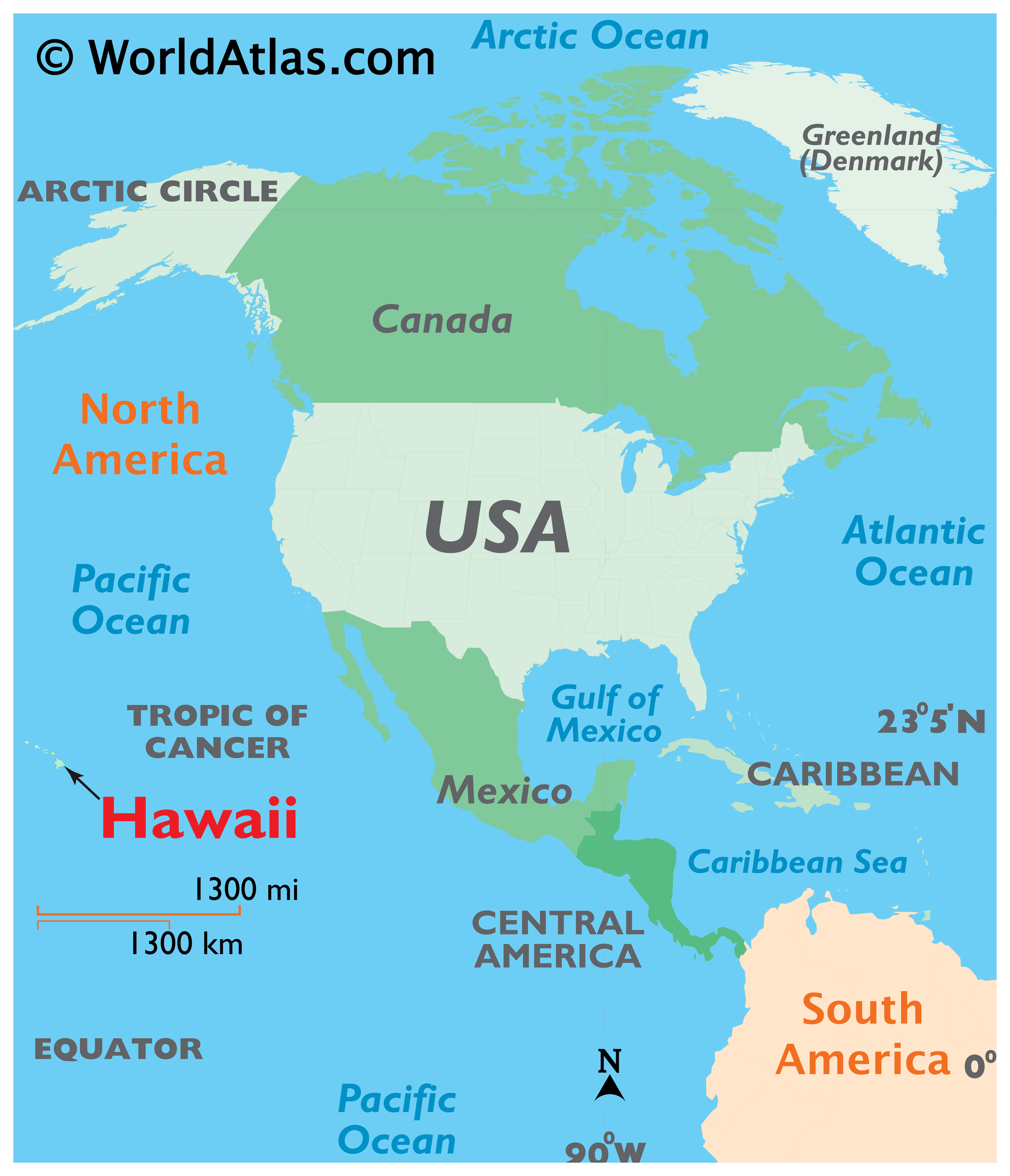
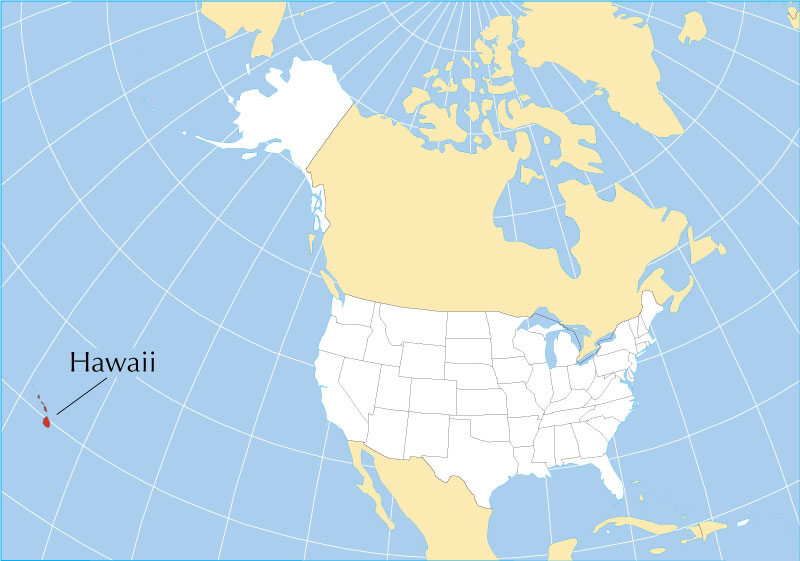
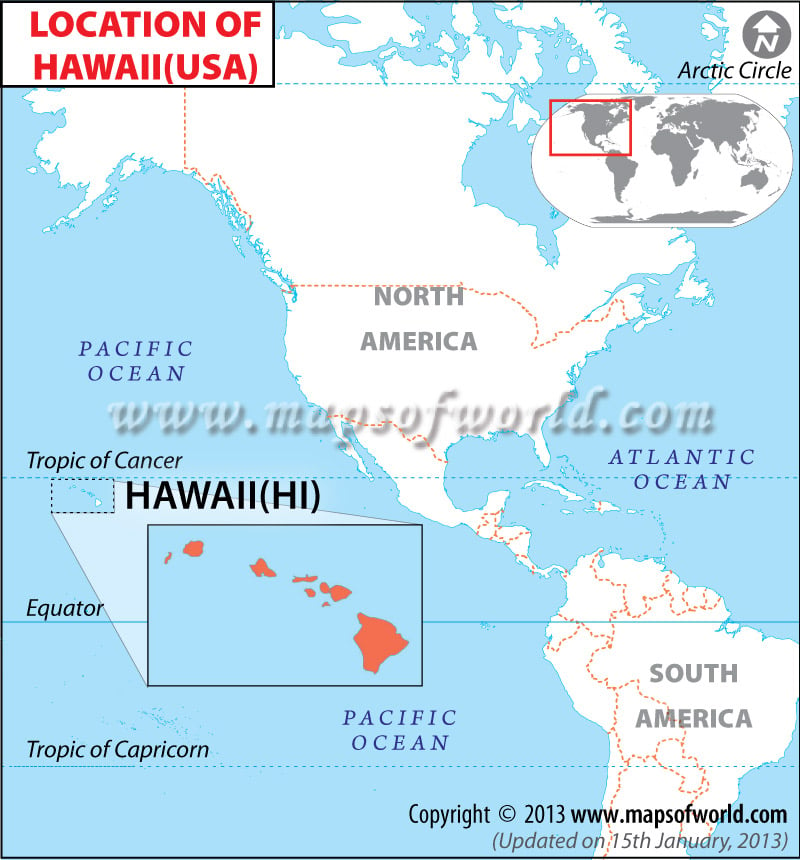
For anyone glancing at a typical map of the United States, the location of Hawaii often sparks a moment of confusion. Unlike the contiguous 48 states, Hawaii is conspicuously absent from the main landmass, usually appearing as an inset box far to the southwest. This cartographic quirk highlights a fundamental truth: Hawaii is truly a world apart, both geographically and culturally. It is the United States’ only island state, an archipelago of unparalleled beauty nestled deep within the Pacific Ocean. Far from being an oversight, its detached depiction on maps is a necessary convention, acknowledging its remote yet integral place within the American tapestry.
This comprehensive guide will demystify Hawaii’s unique position, not just on the map, but as a premier travel destination, a haven for diverse accommodations, and a vibrant center for tourism and lifestyle experiences. Whether you’re planning a luxurious escape, a family adventure, or a budget-conscious journey, understanding where Hawaii sits—both physically and culturally—is the first step towards an unforgettable visit to the Aloha State.
The Aloha State’s Unique Geographic Identity
The question “Where is Hawaii on the US map?” is answered by its extraordinary isolation. This isn’t just another coastal state; it’s a chain of volcanic islands, the peaks of massive undersea mountains, located thousands of miles from any continent. This geographical remoteness is central to its allure and its distinct identity.
A Remote Archipelago in the Pacific
Hawaii is situated roughly 2,400 miles (3,860 km) southwest of California, making it the most isolated population center on Earth. Its position places it firmly in Polynesia, bridging the vast expanse between North America and Asia. The Hawaiian archipelago spans over 1,500 miles, comprising eight main islands and numerous smaller islets and atolls. Of these, only seven are inhabited: Niihau, Kauai, Oahu, Molokai, Lanai, Maui, and the Big Island (also known as Hawaii Island). Kahoolawe is uninhabited.
This oceanic isolation has profoundly shaped Hawaii’s unique ecosystems, culture, and history. Formed by volcanic hotspots, the islands represent a geological continuum, with the Big Island still actively growing thanks to volcanoes like Kilauea, Mauna Loa, and Mauna Kea. The younger, southeastern islands are rugged and dramatic, while the older, northwestern islands are more eroded and feature stunning coastlines, lush valleys, and diverse marine life.
Why It’s Often Detached on Maps
The reason Hawaii is typically depicted in an inset on US maps is purely practical. To show Hawaii at its actual geographical scale and position relative to the mainland United States would require a map so large that either Hawaii would be an impossibly tiny speck in the corner, or the mainland would be stretched beyond recognition. The inset ensures that the islands are visible and identifiable, allowing cartographers to maintain the appropriate scale for the contiguous states while still acknowledging Hawaii’s status as the 50th state. This convention is not a slight, but a clever solution to a cartographic challenge, enabling both accurate representation and readability.
Beyond the Map: A Journey to Hawaii’s Islands
Once you grasp Hawaii’s geographical context, the real excitement begins: planning a journey to this incredible destination. Each of the main islands offers a distinct flavor, from bustling city life to serene natural retreats, ensuring there’s an experience for every type of traveler.
Exploring the Main Islands and Their Charms
- Oahu: Known as “The Gathering Place,” Oahu is home to the capital city of Honolulu and the iconic Waikiki Beach. It’s a vibrant blend of urban sophistication and natural beauty, offering world-class dining, shopping, and nightlife alongside legendary surf breaks on the North Shore and poignant historical sites.
- Maui: Often called “The Valley Isle,” Maui is celebrated for its stunning beaches, luxurious resorts in areas like Wailea and Ka’anapali, and the scenic drive along the Road to Hana. Its diverse landscapes range from the volcanic crater of Haleakala to the lush rainforests and charming towns like Lahaina.
- Kauai: “The Garden Isle” lives up to its name with its verdant mountains, dramatic cliffs, and cascading waterfalls. Kauai is perfect for nature lovers and adventurers, boasting the awe-inspiring Na Pali Coast, the “Grand Canyon of the Pacific” (Waimea Canyon), and endless opportunities for hiking, kayaking, and helicopter tours.
- Big Island: The largest and youngest of the islands, Hawaii Island is a land of extremes. From the active volcanoes within Hawaii Volcanoes National Park to snow-capped peaks of Mauna Kea, black sand beaches, and the vibrant coral reefs off the Kona coast, it offers an unparalleled diversity of landscapes and experiences.
Must-See Landmarks and Natural Wonders
Hawaii is brimming with iconic landmarks and breathtaking natural wonders that draw millions of visitors annually. These sites are not just tourist attractions; they are integral to the islands’ history, culture, and ecological significance.
- Pearl Harbor (Oahu): A site of profound historical importance, Pearl Harbor is a solemn reminder of World War II and the resilience of the American spirit. The USS Arizona Memorial offers a powerful and moving experience.
- Diamond Head (Oahu): This distinctive volcanic tuff cone, overlooking Waikiki Beach, offers panoramic views of Honolulu and the coastline after a moderate hike to its summit.
- Haleakala National Park (Maui): Witnessing the sunrise from the summit of Haleakala volcano is a quintessential Maui experience. The park also features unique ecosystems and hiking trails through its otherworldly crater.
- Na Pali Coast (Kauai): Famous for its towering emerald cliffs, lush valleys, and cascading waterfalls plunging into the Pacific Ocean, the Na Pali Coast is best explored by boat tour, helicopter, or a challenging hike along the Kalalau Trail.
- Hawaii Volcanoes National Park (Big Island): This dynamic park is home to two of the world’s most active volcanoes, Kilauea and Mauna Loa. Visitors can witness recent lava flows, steam vents, and diverse volcanic landscapes, offering a rare glimpse into the Earth’s geological processes.
Planning Your Hawaiian Escape: Accommodation & Experiences
A trip to Hawaii involves more than just selecting an island; it requires thoughtful planning, especially concerning where you’ll stay and how you’ll immerse yourself in the local culture. The website’s focus on accommodations, tourism, and experiences is particularly relevant here.
Finding Your Perfect Stay: Hotels, Resorts, and Beyond
Hawaii offers an incredible spectrum of accommodations to suit every budget and travel style. From opulent luxury resorts to charming boutique hotels and practical vacation rentals, the choices are abundant.
- Luxury Resorts: For those seeking unparalleled service, exquisite dining, and world-class amenities, Hawaii’s luxury resorts are second to none. Brands like the Four Seasons Resort Maui at Wailea, The Ritz-Carlton, Kapalua on Maui, the Grand Hyatt Kauai Resort & Spa, and The Royal Hawaiian, a Luxury Collection Resort on Oahu offer an indulgent experience with beachfront access, spa services, and gourmet cuisine. Family-friendly options like Aulani, A Disney Resort & Spa also combine luxury with themed activities.
- Boutique Hotels: For a more intimate and unique stay, boutique hotels often reflect the local culture and offer personalized service. These can be found in charming towns across the islands, providing a distinct Hawaiian flavor.
- Vacation Rentals and Apartments: For longer stays, family trips, or those who prefer self-catering, vacation rentals (apartments, villas, condos) are an excellent choice. Websites specializing in accommodation comparison can help you find the perfect fit, offering more space and flexibility than traditional hotels.
- Budget-Friendly Options: Even in Hawaii, it’s possible to find budget-conscious lodging, including hostels, smaller hotels off the main tourist strips, and guesthouses. Planning ahead and booking during the off-season can yield significant savings.
When booking, consider amenities that align with your trip goals—swimming pools, ocean views, kitchens, and proximity to attractions or beaches. Reading reviews and comparing options is crucial for securing the best value and experience.
Immerse Yourself in Hawaiian Culture & Activities
Beyond lounging on beaches, Hawaii invites deep engagement with its rich Polynesian heritage and vibrant contemporary culture.
- Local Culture: Participate in a traditional luau, which combines a feast of kalua pig and poke with hula dancing and storytelling. Visit cultural centers like the Polynesian Cultural Center on Oahu to learn about the various island nations that shaped Hawaii’s heritage. Engaging with local artisans, musicians, and storytellers provides authentic insights.
- Food: Hawaii’s culinary scene is a delicious fusion of Pacific Rim and Asian influences. Don’t miss out on fresh seafood, plate lunches, shave ice, and the unique flavors of Hawaiian regional cuisine in cities like Honolulu, Lahaina, Kona, or Hilo.
- Activities: Water sports are king in Hawaii. Surfing lessons on Waikiki, snorkeling or diving in pristine reefs, paddleboarding, and kayaking are popular choices. Hiking trails crisscross every island, leading to stunning vistas, hidden waterfalls, and lush rainforests. Whale watching (seasonal), zip-lining, and exploring coffee plantations are also highly recommended.
- Responsible Tourism: Embrace the “Aloha Spirit” by practicing mālama ‘āina (caring for the land) and showing respect for the local culture and environment. This includes staying on marked trails, minimizing your footprint, and supporting local businesses.
The Hawaiian Lifestyle: Diverse Ways to Explore Paradise
Hawaii caters to an incredibly diverse range of travelers, offering experiences that can be tailored to individual preferences, budgets, and travel philosophies. It’s not just a destination; it’s a lifestyle, whether lived for a week or a lifetime.
Tailoring Your Trip: From Luxury to Budget
The versatility of a Hawaiian vacation means you can craft an experience that perfectly aligns with your vision.
- Luxury Travel: For those seeking indulgence, Hawaii offers world-class resorts, private villas, exclusive tours, and fine dining. Think private yacht charters, helicopter tours over volcanic landscapes, and spa treatments overlooking the ocean. This lifestyle often focuses on bespoke experiences and unparalleled comfort.
- Budget Travel: Exploring Hawaii on a budget is entirely possible with careful planning. Opt for vacation rentals with kitchens, take advantage of free natural attractions like beaches and hiking trails, eat at local food trucks and markets, and utilize public transportation or shared ride services. Many incredible experiences, like snorkeling at a public beach, cost little to nothing.
- Family Trips: Hawaii is a fantastic destination for families, offering kid-friendly resorts, gentle beaches perfect for swimming, educational opportunities (like visiting the Pacific Whale Foundation), and endless outdoor adventures suitable for all ages. Resorts like Aulani, A Disney Resort & Spa or the Hilton Hawaiian Village Waikiki Beach Resort are designed with families in mind, offering extensive children’s programs and amenities.
- Business Stays & Bleisure: With improved connectivity and co-working spaces, Hawaii is increasingly popular for business travelers seeking to blend work with leisure (bleisure). Many resorts offer conference facilities and robust Wi-Fi, allowing professionals to enjoy the stunning surroundings after meetings.
- Romantic Getaways: For honeymooners or couples, Hawaii provides an idyllic backdrop. Secluded beaches, sunset cruises, couples’ massages, and intimate dining experiences create unforgettable romantic memories.
Practical Tips for a Seamless Hawaiian Adventure
To ensure a smooth and enjoyable trip, keep these practical tips in mind:
- Best Time to Visit: The shoulder seasons (April-May and September-November) often offer the best balance of good weather, fewer crowds, and more affordable prices. Peak season aligns with winter holidays and summer breaks.
- Inter-Island Travel: If you plan to visit multiple islands, inter-island flights are common and relatively short. Book these in advance, especially during peak times.
- Transportation: Renting a car is highly recommended on most islands (especially Maui, Kauai, and the Big Island) to fully explore. Oahu has a more developed public transport system in Honolulu.
- Sun Protection: The Hawaiian sun is intense. Always use reef-safe sunscreen, wear hats, and seek shade, especially during peak hours.
- Respect Local Customs: Learn a few basic Hawaiian phrases (“Aloha,” “Mahalo”), remove shoes before entering homes, and be mindful of sacred sites.
- Stay Hydrated: Drink plenty of water, especially when engaging in outdoor activities.
In conclusion, while Hawaii’s placement on the US map may initially seem unusual, it perfectly encapsulates the state’s extraordinary isolation and its unique position in the world. This remote archipelago offers not just a destination, but a transformative experience, where stunning natural beauty meets a vibrant culture and an unparalleled spirit of Aloha. From its volcanic origins to its modern-day resorts, Hawaii remains a captivating jewel in the United States’ crown, waiting to be explored.
LifeOutOfTheBox is a participant in the Amazon Services LLC Associates Program, an affiliate advertising program designed to provide a means for sites to earn advertising fees by advertising and linking to Amazon.com. Amazon, the Amazon logo, AmazonSupply, and the AmazonSupply logo are trademarks of Amazon.com, Inc. or its affiliates. As an Amazon Associate we earn affiliate commissions from qualifying purchases.