
For many planning an exploration of the Golden State, the name Hemet might not immediately spring to mind alongside iconic destinations like Los Angeles or San Diego. Yet, this vibrant city holds a significant place within Southern California’s diverse tapestry, offering a unique blend of natural beauty, historical depth, and community charm. Understanding its location is the first step to appreciating its distinct appeal as a travel destination, whether for a day trip or an extended stay.
Pinpointing Hemet on the California Map
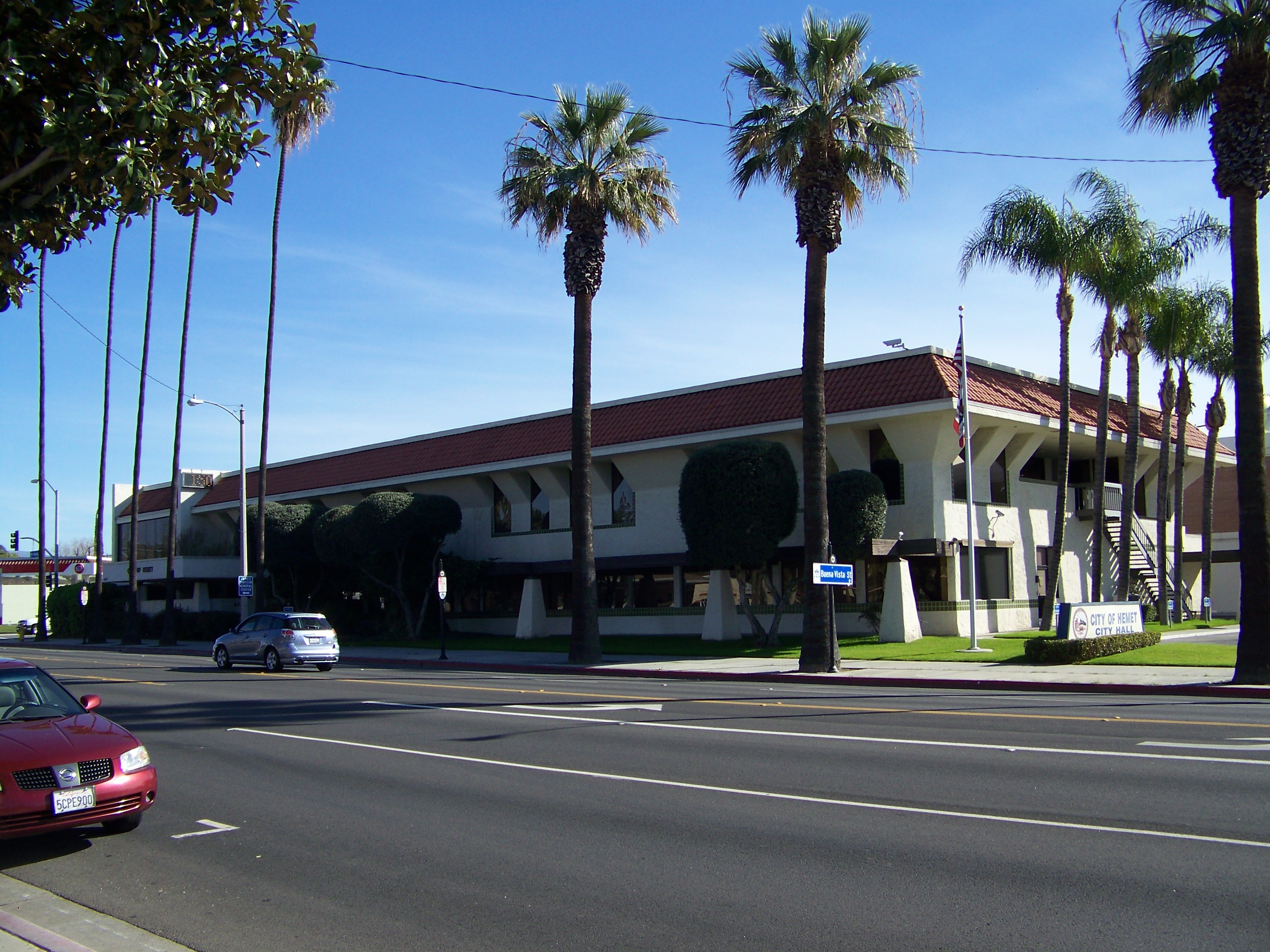
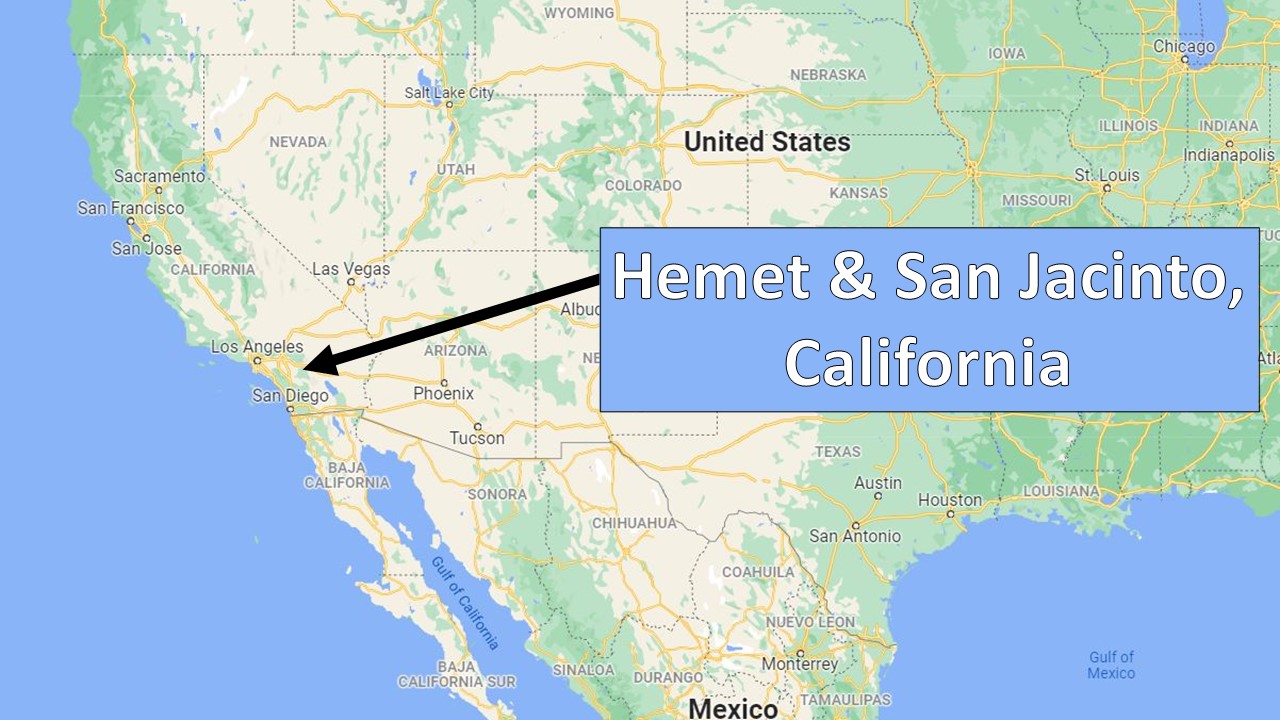
To truly grasp Hemet’s identity, one must first place it geographically. It is centrally located within Riverside County, a vast and varied county stretching from the urban sprawl near Los Angeles to the desert landscapes bordering Arizona. Hemet finds itself nestled in the heart of the San Jacinto Valley, a picturesque basin flanked by mountain ranges that provide a dramatic backdrop to daily life.
Geographic Context and Regional Placement
Hemet is situated approximately 85 miles southeast of downtown Los Angeles, 95 miles northeast of San Diego, and about 45 miles southwest of Palm Springs. This positioning places it strategically within easy driving distance of many of Southern California’s most popular attractions, while maintaining its own distinct, more relaxed atmosphere. It shares the San Jacinto Valley with its sister city, San Jacinto, creating a combined metropolitan area that serves as a regional hub for residents and visitors alike. The valley itself is cradled between the San Jacinto Mountains to the east and the Temecula Valley Wine Country to the southwest, lending it a unique microclimate and diverse landscape.
Accessibility and Major Routes
Accessing Hemet is relatively straightforward, primarily via a network of state routes. State Route 74 (the Ortega Highway) connects it westward towards Orange County and eastward towards the desert. State Route 79 traverses through the city, linking it northward to Interstate 10 and southward towards Temecula. While not directly on a major interstate, its proximity to I-10 and I-15 makes it an accessible destination for those driving through Southern California. Travelers typically approach Hemet by car, as public transportation options are more localized within Riverside County. The nearest major airports are Palm Springs International Airport (PSP), Ontario International Airport (ONT), and the larger Los Angeles International Airport (LAX) or San Diego International Airport (SAN), all requiring an onward drive.
A Glimpse into Hemet’s Character
Beyond its geographical coordinates, Hemet’s character is shaped by its climate, landscape, and a rich history that sets it apart from its more bustling SoCal neighbors.
Climate and Landscape
Hemet enjoys a Mediterranean climate, characterized by hot, dry summers and mild, wet winters. The clear, sunny days are a major draw for visitors, especially those seeking respite from colder climates. The surrounding landscape is a captivating mix: the rugged peaks of the San Jacinto Mountains provide opportunities for hiking and nature observation, while the valley floor itself is dotted with agricultural lands and residential areas. The presence of Diamond Valley Lake, one of Southern California’s’s largest reservoirs, adds a significant body of water to the otherwise arid region, influencing local recreation and wildlife.
Historical Roots and Evolution
Hemet’s history is deeply intertwined with agriculture and the early development of Southern California. Founded in the late 19th century with the arrival of the San Jacinto Valley Railroad, it quickly grew as an agricultural hub, known particularly for its apricot, walnut, and citrus groves. The construction of the Hemet Dam in the 1890s was a monumental achievement that secured water resources for the burgeoning community and its farming enterprises. This agricultural heritage is still evident in the area’s landscape and local culture. Over the decades, Hemet has transitioned from a purely agricultural town to a more diversified residential and commercial center, attracting new residents with its affordability and relaxed lifestyle, while still retaining a strong sense of community and connection to its past.
Why Consider Hemet as a Travel Destination?

While not always on the radar of international tourists, Hemet offers compelling reasons for a visit, especially for those interested in authentic local experiences, outdoor activities, and exploring beyond the typical tourist trails of Southern California.
Local Attractions and Activities
One of Hemet’s’s most significant cultural gems is the Ramona Bowl Amphitheatre. This natural outdoor amphitheater has been home to “The Ramona Pageant,” California’s’s official outdoor play and one of the longest-running outdoor theatrical productions in the United States, since 1923. Attending a performance is a truly unique cultural experience.
For outdoor enthusiasts, Diamond Valley Lake is a primary draw. It offers opportunities for fishing (renowned for its bass), boating, hiking, and birdwatching. The Lake‘s surrounding trails provide stunning views of the water and the distant mountains. Additionally, the Western Science Center, located near the lake, showcases the region’s rich paleontological and archaeological discoveries, including Ice Age fossils unearthed during the lake’s construction. Golfers will also find several well-maintained courses in and around Hemet, taking advantage of the favorable climate and scenic views.
Proximity to Southern California Highlights
Hemet’s location makes it an ideal base for exploring a wider array of Southern California attractions without the higher costs and crowds of coastal cities.
- Temecula Valley Wine Country: A short drive southwest brings visitors to the rolling vineyards and tasting rooms of Temecula, offering a delightful day trip for wine aficionados.
- Palm Springs and the Coachella Valley: East of Hemet, the resort city of Palm Springs offers desert golf, mid-century modern architecture, and the Palm Springs Aerial Tramway up Mount San Jacinto.
- Mountain Recreation: The nearby San Bernardino National Forest and Mount San Jacinto State Park provide cooler escapes, with opportunities for hiking, camping, and in winter, even snow play.
- Desert Exploration: Further east, the vast and rugged beauty of Anza-Borrego Desert State Park offers a stark contrast, with unique geological formations and spring wildflower blooms.
The Valley’s Appeal: Nature and Recreation
The San Jacinto Valley itself is a draw for those seeking a slower pace and closer connection to nature. Beyond Diamond Valley Lake, smaller parks and reserves offer tranquil settings for picnics, walks, and birdwatching. The relatively flat terrain also makes it suitable for cycling. The clean air and expansive skies, especially away from city lights, provide excellent opportunities for stargazing, a stark contrast to the light pollution found in more urbanized areas.
Planning Your Visit to the San Jacinto Valley
Considering a trip to Hemet and the surrounding San Jacinto Valley involves a few practical considerations to ensure a rewarding experience.
Best Times to Visit
The shoulder seasons – spring (March to May) and fall (September to November) – are often considered the best times to visit Hemet. During these months, temperatures are pleasant, ideal for outdoor activities, and the natural landscape is at its most vibrant, especially in spring when wildflowers bloom after winter rains. Summers can be very hot, with temperatures often exceeding 90°F (32°C), making water-based activities or early morning/late evening excursions preferable. Winters are mild and often sunny, though evenings can be cool.
Getting There and Around
As mentioned, personal vehicle is the most convenient way to reach Hemet and navigate the broader San Jacinto Valley. While local bus services exist, they may not cover all tourist points efficiently. Renting a car from one of the major Southern California airports (LAX, ONT, PSP, SAN) provides the most flexibility. Driving times from these airports range from 1 to 2.5 hours, depending on traffic.
Hemet’s Role in the Broader SoCal Tapestry
In essence, Hemet occupies a unique and valuable position within Southern California. It serves as a quieter alternative or a strategic launching point for exploring the region’s diverse offerings. Its location in the scenic San Jacinto Valley, combined with its rich history and array of local attractions, makes it a destination worthy of consideration for travelers seeking an authentic California experience that extends beyond the well-trodden paths of its more famous neighbors. For those asking “Where is Hemet in California?”, the answer is not just a point on a map, but an invitation to discover a region of natural beauty, cultural heritage, and understated charm.
LifeOutOfTheBox is a participant in the Amazon Services LLC Associates Program, an affiliate advertising program designed to provide a means for sites to earn advertising fees by advertising and linking to Amazon.com. Amazon, the Amazon logo, AmazonSupply, and the AmazonSupply logo are trademarks of Amazon.com, Inc. or its affiliates. As an Amazon Associate we earn affiliate commissions from qualifying purchases.