
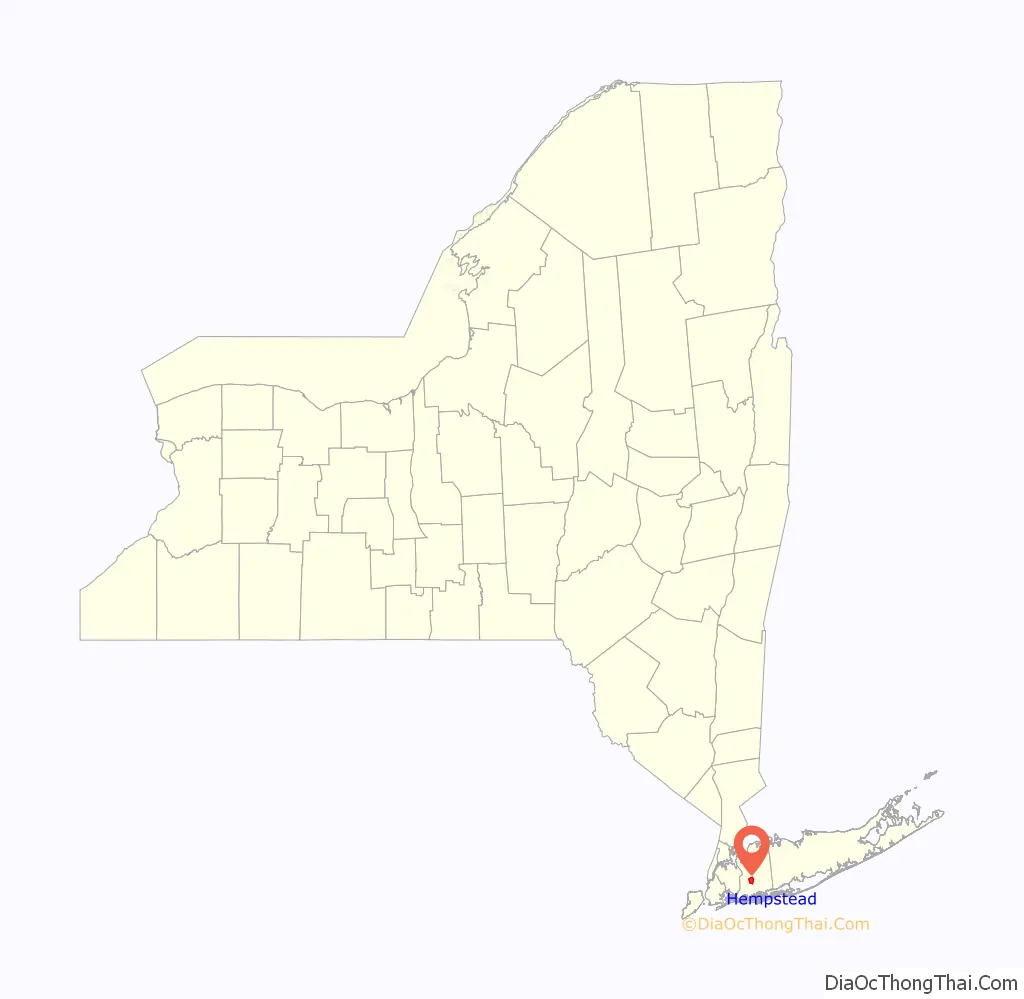
Situated on the western end of the vibrant Long Island region, Hempstead serves as a cornerstone of Nassau County. As the largest town in the United States by population, it holds a significant place in the geography and history of New York. Understanding its location requires a look at its proximity to the urban density of New York City and its role as a bridge between the bustling boroughs and the more suburban, coastal atmosphere of the island.
Geographic Positioning and Regional Context
Hempstead occupies a strategic position in the southwestern portion of Nassau County. To its west, it shares a border with the Queens borough of New York City, making it a prime destination for commuters and those looking for a blend of suburban living with metropolitan access. The town encompasses a vast and diverse area, extending from the shores of the Atlantic Ocean to the bustling central hubs of the island.

Accessing the Town by Transit
Because of its location within the metropolitan transit grid, accessibility is one of the primary features of Hempstead. The Long Island Rail Road provides a direct link between the town’s central station and Penn Station in Manhattan. For those traveling by road, the Southern State Parkway and the Meadowbrook State Parkway serve as the primary arteries, connecting the community to other major hubs like Garden City and Freeport.
Proximity to Major Infrastructure
The town’s location is also defined by its proximity to significant transportation nodes. John F Kennedy International Airport lies just a short distance to the west, while LaGuardia Airport is reachable via a straightforward drive through the western reaches of the island. This makes the area an ideal base for business travelers and those needing efficient access to global air transit.
Historical Significance of the Location
The settlement of this region dates back to the mid-17th century, when it was established by English colonists. Its location on the rolling plains of Long Island made it an attractive site for agricultural development. Over the centuries, this geography dictated the expansion of the town, leading to the formation of numerous independent incorporated villages, each contributing to the unique character of the area.
Expansion and Suburban Growth
During the post-World War II era, the location became a focal point for suburban expansion. As families moved out of the dense neighborhoods of Brooklyn and The Bronx, the plains of Hempstead provided the space for residential development that transformed the region’s landscape. Today, the town remains a tapestry of historical landmarks, such as those found in Rockville Centre and Levittown, reflecting the evolution of residential planning in the Northeast.
Preservation Efforts
Despite the rapid modernization of the New York metropolitan area, the town has maintained various pockets of history. Sites like the Nassau County Museum of Art and various historical markers throughout Hempstead help visitors and residents alike understand the original landscape before it was subdivided into the modern suburban sprawl seen today.
Major Landmarks and Local Destinations
The sheer size of the township means that it contains an impressive array of attractions. From coastal escapes to academic institutions, the location offers a diverse experience. Whether one is interested in the natural beauty of the South Shore or the intellectual culture of the region, the area is rich with opportunity.
Higher Education Hubs
Hempstead is perhaps best known as the home of Hofstra University. Located near the center of the town, the university grounds contribute significantly to the local economy and culture. The presence of the campus has fostered an environment that balances the suburban residential lifestyle with the energetic atmosphere of a college town, featuring libraries, galleries, and performance spaces that are often open to the public.
Natural Attractions and Coastal Beauty
Moving toward the southern boundary of the town, the landscape changes from residential to coastal. Jones Beach State Park, located on the Atlantic Ocean barrier island, is a crown jewel of the region. Accessible through the town’s parkway system, it draws millions of visitors each year. The Hempstead Lake State Park provides another vital green space, offering trails, fishing spots, and a retreat from the paved surfaces of the surrounding suburbs.
Sports and Entertainment
The area is also a destination for major sporting events. UBS Arena, located nearby, has cemented the region’s status as a hub for entertainment. By hosting professional sports teams, concerts, and massive community gatherings, it draws crowds from across the Tri-State Area, further demonstrating how the town’s location serves as a bridge between urban nightlife and local suburban comfort.
The Cultural Landscape of Hempstead
Beyond the landmarks and transit links, the town is a center of local culture. Its diverse population has created a culinary and social landscape that reflects global influences. Visitors exploring the area will find a wide variety of dining options, from local diners serving classic American breakfasts to international cuisines that reflect the changing demographics of Long Island.
Community and Daily Life
The heart of Hempstead is defined by its community-oriented approach to life. The downtown areas of various villages within the town, such as Valley Stream or Baldwin, offer a glimpse into the local way of life. These areas prioritize pedestrian-friendly walkways, independent shops, and seasonal festivals that celebrate the local heritage.
Planning a Visit
For those planning a trip, the key is to recognize that the town is not merely a single point on a map but a massive territory. A visitor might spend one day exploring the upscale boutiques of Garden City and the next walking the sandy dunes of Point Lookout. By utilizing the Nassau Inter-County Express bus system, travelers can navigate between the various nodes of the town without needing a personal vehicle for every excursion.

The Future of the Region
As the population density of New York continues to shift, the importance of this specific location in Nassau County is only expected to grow. Future urban planning initiatives are focusing on increasing connectivity, preserving green belts, and integrating smart technology into the existing infrastructure. Whether one is a resident or a transient visitor, the town stands as a testament to the enduring appeal of the suburban-urban intersection, proving that even a large, sprawling municipality can maintain a distinct and welcoming identity.
LifeOutOfTheBox is a participant in the Amazon Services LLC Associates Program, an affiliate advertising program designed to provide a means for sites to earn advertising fees by advertising and linking to Amazon.com. Amazon, the Amazon logo, AmazonSupply, and the AmazonSupply logo are trademarks of Amazon.com, Inc. or its affiliates. As an Amazon Associate we earn affiliate commissions from qualifying purchases.