
Highland Park, a neighborhood nestled in the northeastern expanse of Los Angeles, stands as a testament to the city’s enduring charm and evolving identity. Often recognized for its vibrant culture, historic architecture, and burgeoning culinary scene, Highland Park is a destination that rewards those who seek to explore beyond the typical tourist trails. This guide aims to illuminate its precise location within the sprawling metropolis and highlight what makes it a compelling area for discovery.
Geographical Context and Neighbors
To understand where Highland Park Los Angeles is, one must first place it within the larger urban tapestry of Los Angeles County. Situated in the northeast section of the City of Los Angeles, Highland Park is bordered by several distinct communities, each contributing to the unique character of the Eastside. Its geographical positioning places it at a crossroads of history and modernity, offering a palpable sense of a neighborhood that has grown and adapted over decades.
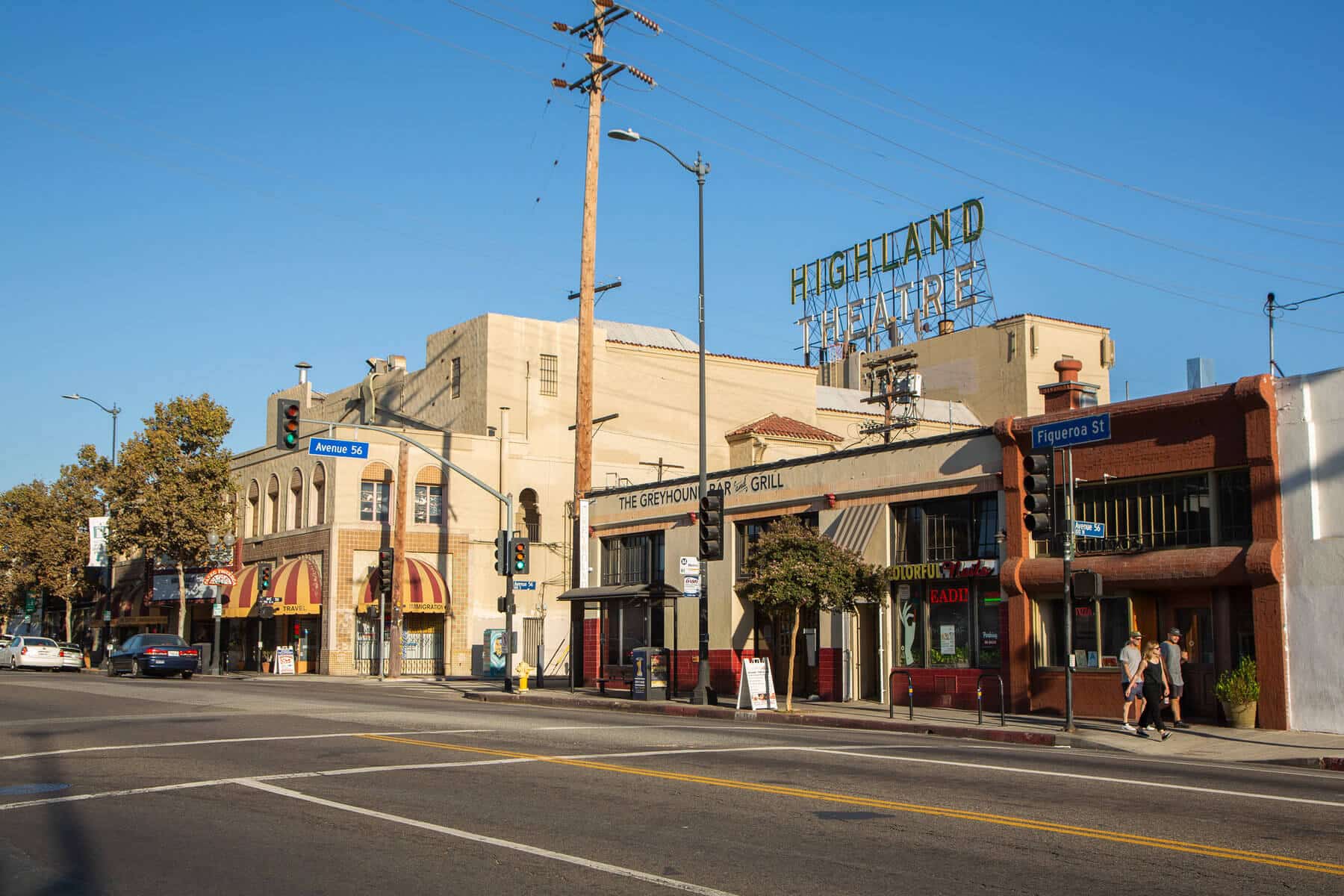
Northeastern Los Angeles
Highland Park is part of the larger region commonly referred to as Northeast Los Angeles (NELA). This designation often encompasses a cluster of historic and culturally rich neighborhoods, including Eagle Rock, Glassell Park, and Mount Washington. Its proximity to the San Gabriel Mountains provides a scenic backdrop and influences its climate, often offering a slightly cooler respite compared to the more coastal areas of Los Angeles.
Key Bordering Neighborhoods
- South Pasadena: To the east and southeast, Highland Park shares a border with the city of South Pasadena, a community known for its tree-lined streets and well-preserved Craftsman bungalows.
- Northeast Los Angeles (General): To the south and southwest, it integrates into the broader NELA area, connecting with neighborhoods like Cypress Park and Lincoln Heights.
- Eagle Rock: To the west, Highland Park is directly adjacent to the equally eclectic neighborhood of Eagle Rock, with which it shares a symbiotic cultural and economic relationship.
- Glendale: To the north, Highland Park’s boundary meets the city of Glendale, another significant urban center in the San Fernando Valley.
Understanding these neighbors helps to contextualize Highland Park not as an isolated entity, but as a vital component of a dynamic and interconnected urban landscape. Its location facilitates easy access to a variety of attractions and experiences across the greater Los Angeles area, while retaining its own distinct identity.
Access and Transportation
Navigating Highland Park and reaching it from other parts of Los Angeles is relatively straightforward, with a mix of public transit and major thoroughfares serving the area. This accessibility is a key factor in its appeal as both a residential community and a burgeoning destination for exploration.
Major Freeways
Highland Park is strategically situated near several major freeways, making it a convenient point of access for those traveling by car.
- The Ventura Freeway (SR 134): This freeway runs along the northern edge of the neighborhood, providing direct routes westward towards Glendale and Burbank, and eastward towards Pasadena.
- The Arroyo Seco Parkway (SR 110): Often referred to as the “Arroyo Seco,” this historic freeway forms a western boundary for parts of the neighborhood, offering a direct connection to Downtown Los Angeles to the south and Pasadena to the north.
Public Transportation
For those opting for public transit, the Los Angeles County Metropolitan Transportation Authority (Metro) offers several services that connect Highland Park to the rest of the city.
- Metro L Line (Gold Line): The Metro L Line (Gold Line) has a significant presence in Highland Park, with multiple stations serving the community. The Southwest Museum Station and the Heritage Square Station are key stops that facilitate easy travel to and from Downtown Los Angeles, Pasadena, and other points along the line. This light rail service is a popular choice for residents and visitors seeking to avoid traffic and parking challenges.
- Bus Routes: Numerous Metro bus routes traverse Highland Park, providing localized transit options and connecting to other transportation hubs. These routes offer a more granular level of access within the neighborhood and to adjacent communities.
The combination of freeway access and robust public transit options ensures that Highland Park is an accessible destination for a wide range of visitors, whether they are arriving from within Los Angeles or further afield.

Distinctive Characteristics and Appeal
What truly defines Highland Park’s location is not just its geographical coordinates, but the unique atmosphere and character that have developed within its boundaries. It is a place where history is palpable, creativity thrives, and a strong sense of community prevails.
Historic Architecture and Preservation
One of the most defining features of Highland Park is its rich architectural heritage. The neighborhood is dotted with a remarkable collection of well-preserved historic buildings, reflecting various eras of Los Angeles development.
- Craftsman Bungalows: Large swathes of Highland Park are characterized by charming Craftsman bungalows, with their signature wide eaves, prominent porches, and natural materials. These homes contribute significantly to the neighborhood’s aesthetic appeal and its connection to early 20th-century suburban development.
- Spanish Colonial Revival: Influences of the Spanish Colonial Revival style can also be seen in some of the older homes and commercial buildings, adding a Mediterranean flair to the streetscapes.
- Mid-Century Modern: As the neighborhood evolved, elements of mid-century design also emerged, offering a contrast and continuity in architectural styles.
The commitment to preservation within Highland Park has allowed these architectural gems to endure, offering a visual narrative of the area’s past. This is particularly evident along streets like Figueroa Street and York Boulevard, which serve as the vibrant commercial arteries of the neighborhood.
Cultural Hub and Artistic Vibe
Highland Park has steadily cultivated a reputation as a vibrant cultural hub, attracting artists, musicians, and entrepreneurs. This influx of creative energy has contributed to a dynamic and evolving local scene.
- Independent Boutiques and Shops: Figueroa Street and York Boulevard are lined with an eclectic mix of independent boutiques, vintage clothing stores, record shops, and artisanal craft stores. These establishments offer unique finds and contribute to the neighborhood’s distinct shopping experience, far removed from the homogeny of chain stores.
- Live Music Venues: While not as overtly known for large concert halls, Highland Park boasts a number of smaller venues and bars that host live music, showcasing local talent and contributing to the neighborhood’s bohemian atmosphere.
- Art Galleries and Studios: The presence of artists has led to the emergence of small galleries and artist studios, often operating out of converted commercial spaces, fostering a sense of local artistic production and community.
The blend of historic architecture and a thriving contemporary arts scene creates a compelling environment that draws visitors seeking an authentic and engaging Los Angeles experience. It is a place where one can wander, discover, and immerse themselves in a community that values creativity and individuality.
What to Explore in Highland Park
Beyond its geographical placement and architectural beauty, Highland Park offers a wealth of activities and points of interest that make it a destination worth exploring. Its culinary landscape, in particular, has seen significant growth and diversification in recent years.
Culinary Delights
Highland Park has emerged as a culinary hotspot, offering a diverse range of dining options that cater to a variety of tastes and budgets. The neighborhood’s revitalization has been significantly fueled by its innovative and exciting food scene.
- Diverse Ethnic Cuisines: Visitors can embark on a global culinary journey, with restaurants offering everything from authentic Mexican tacos and Salvadoran pupusas to innovative Vietnamese pho and Italian trattorias. This diversity reflects the multicultural fabric of the community.
- Craft Breweries and Cafes: The rise of craft breweries has added another dimension to Highland Park’s social scene, providing relaxed settings for sampling local brews. Complementing these are numerous independent coffee shops, becoming popular gathering spots for locals and visitors alike.
- Farm-to-Table and Vegan Options: Reflecting broader trends in Los Angeles dining, Highland Park also features establishments committed to farm-to-table principles and a growing number of popular vegan and vegetarian eateries, showcasing a conscious and evolving food culture.

Parks and Recreation
Despite its urban setting, Highland Park offers access to green spaces and recreational opportunities, providing a welcome escape from the city bustle.
- Ernest E. Debs Regional Park: This expansive park, bordering Highland Park, offers sweeping views of the Los Angeles Basin and features hiking trails, picnic areas, and a lake. It’s a beloved spot for outdoor activities and enjoying nature within the city.
- Lacy Park (South Pasadena): While technically in neighboring South Pasadena, Lacy Park is easily accessible from Highland Park and provides a beautifully manicured urban oasis for relaxation and recreation.
Highland Park’s location within the greater Los Angeles area, coupled with its own unique blend of history, culture, and modern amenities, solidifies its position as a compelling neighborhood for those seeking an authentic and enriching travel experience. It is a place that continues to evolve, offering new discoveries for those willing to explore its charming streets and vibrant community spirit.
LifeOutOfTheBox is a participant in the Amazon Services LLC Associates Program, an affiliate advertising program designed to provide a means for sites to earn advertising fees by advertising and linking to Amazon.com. Amazon, the Amazon logo, AmazonSupply, and the AmazonSupply logo are trademarks of Amazon.com, Inc. or its affiliates. As an Amazon Associate we earn affiliate commissions from qualifying purchases.