
Homosassa is a hidden jewel located on the western coast of the Sunshine State, specifically within the region known as the Nature Coast. Unlike the high-rise skylines and neon lights found in other parts of Florida, this destination serves as a sanctuary for those seeking the raw, untamed beauty of the Gulf of Mexico shoreline. It is a place where freshwater springs meet saltwater marshes, creating a unique ecosystem that has defined the local culture and tourism industry for decades.
Geographic Location and the Heart of the Nature Coast
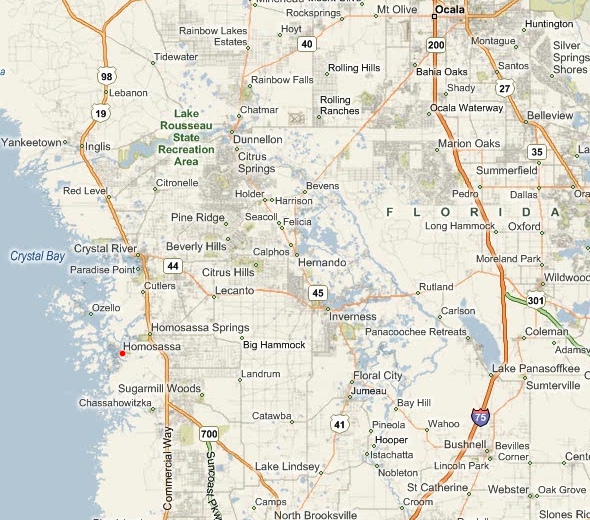
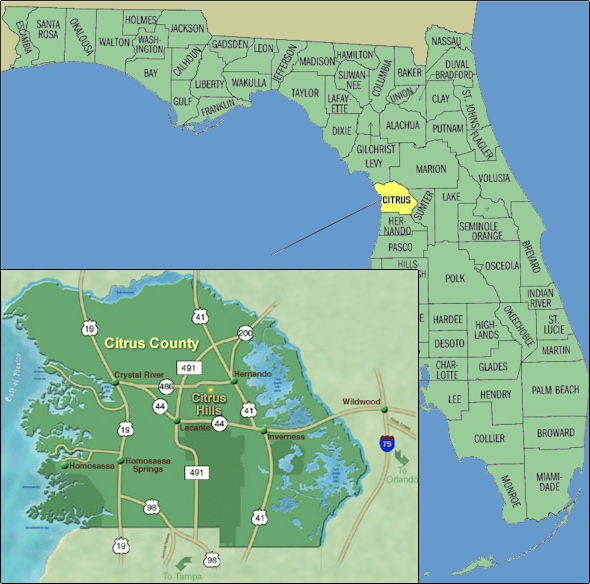
To find Homosassa on a map, one must look toward the central-western portion of the Florida peninsula. It is situated in Citrus County, a county famed for its spring-fed rivers and extensive wildlife preserves. The community itself is divided into two distinct areas: the inland residential and commercial hubs along U.S. Route 19 and the historic, waterfront charm of Old Homosassa.
Positioning Within Citrus County
Citrus County is often described as the gateway to North Florida while maintaining the tropical humidity of the south. Homosassa sits just south of Crystal River, another world-renowned destination for eco-tourism. To the east lies Inverness, the county seat, while the western edge is defined by the labyrinthine waterways leading out to the Gulf of Mexico. The area is characterized by its karst topography, which allows for the spectacular natural springs that provide the town with its namesake.
Proximity to Major Florida Hubs
One of the reasons Homosassa remains a premier travel destination is its accessibility from major urban centers. It is located approximately 75 miles north of Tampa and about 90 miles west of Orlando. Travelers arriving at Tampa International Airport can reach the area in less than an hour and a half by driving north via the Suncoast Parkway or U.S. Route 19. This proximity makes it an ideal day-trip location for those staying in Clearwater or St. Petersburg, yet the atmosphere in Homosassa is so distinct that it feels worlds away from the metropolitan hustle.
The Wildlife Wonders of Homosassa Springs
The primary draw for many visitors is the Ellie Schiller Homosassa Springs Wildlife State Park. This park is not merely a recreational area but a vital refuge for injured and non-releasable native Florida wildlife. It serves as an educational beacon, teaching visitors about the delicate balance of the state’s environments.
The Fish Bowl Underwater Observatory
Within the state park, the Fish Bowl is perhaps the most iconic structure. This underwater observatory allows visitors to descend below the surface of the spring to view thousands of fish and the iconic West Indian Manatee in their natural habitat. Because the spring maintains a constant temperature of 72 degrees Fahrenheit year-round, it becomes a crucial winter refuge for manatees seeking warmth when the Gulf of Mexico waters turn cold. Watching these “sea cows” glide effortlessly through the crystal-clear water is a profound experience that defines the Homosassa travel experience.
Lu the Hippo and Native Inhabitants
While the park focuses on native species like the Florida Panther, Black Bear, and Red Wolf, there is one resident who stands out due to his non-native status: Lu. Lu is an African Hippopotamus who became a fixture of the park during its years as a private attraction. When the state took over the facility, a special decree was signed by the governor to allow Lu to remain as an honorary citizen of Florida. Today, Lu continues to be a favorite among returning visitors, symbolizing the long and colorful history of the site.
The Cultural Heritage of Old Florida
Stepping into Old Homosassa is like entering a time capsule. The winding roads are shaded by massive Live Oaks draped in Spanish Moss. The architecture here leans toward the functional and the rustic, reflecting the community’s roots as a fishing and sugar-producing hub.
Yulee Sugar Mill Ruins Historic State Park
A short distance from the springs, travelers can explore the Yulee Sugar Mill Ruins Historic State Park. This site was once part of a massive 5,000-acre plantation owned by David Levy Yulee, Florida’s first United States Senator. The remaining limestone ruins, including the iron gears and the chimney, offer a window into the mid-19th-century industry. The mill operated for 13 years and supplied sugar, molasses, and rum during the Civil War. Today, it stands as a quiet, haunting reminder of the region’s complex past and is a must-visit for history enthusiasts.
The Mystery of Monkey Island
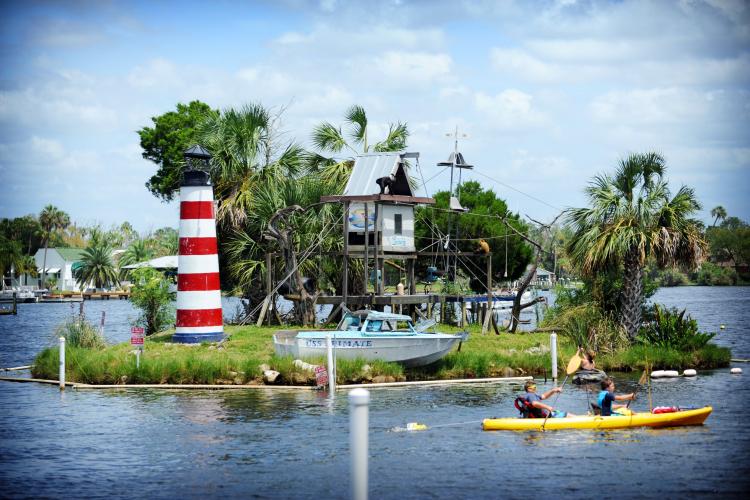
Located in the middle of the Homosassa River, just offshore from the Homosassa Riverside Resort, sits Monkey Island. This small, rocky outcrop is home to a small colony of Spider Monkeys. Legend has it that the monkeys were placed on the island in the 1960s to keep them from stealing candy from tourists at the nearby wildlife attraction. The island features a miniature lighthouse and climbing structures for the inhabitants. While visitors cannot step onto the island itself, it is a staple of local boat tours and provides an eccentric touch to the river’s scenery.
Water-Based Adventures and Seasonal Activities
The geography of Homosassa is dominated by its relationship with water. The Homosassa River stretches approximately eight miles from the main spring head to the Gulf of Mexico, offering a playground for various aquatic activities.
Scalloping in the Gulf of Mexico
During the summer months, typically from July to September, Homosassa becomes a premier destination for scalloping. Often described as an “underwater Easter egg hunt,” scalloping involves snorkeling in the shallow seagrass beds of the Gulf of Mexico to collect Bay Scallops. It is a family-friendly activity that draws thousands of visitors to the region. Local captains offer guided charters, navigating the complex salt marshes to find the best harvesting spots. After a day on the water, many local restaurants, such as those along River Road, will even cook your catch for you.
Kayaking and Paddling the Backwaters
For those who prefer a slower pace, the Halls River and the surrounding tributaries provide some of the best kayaking in Florida. These waters are often calmer and less crowded than the main river channel. Paddlers can navigate through mangrove tunnels and observe a variety of avian life, including Ospreys, Bald Eagles, and Wood Storks. The proximity to the Chassahowitzka National Wildlife Refuge to the south further expands the opportunities for exploration, offering miles of untouched shoreline and hidden springs like the Seven Sisters Springs.
Planning Your Journey to the Nature Coast
When planning a trip to Homosassa, timing and preparation are key. Because the area is deeply tied to the natural world, the experience changes significantly with the seasons.
Best Times to Visit
If your goal is to see manatees, the winter months (November through March) are the most rewarding. During this time, the colder temperatures in the Gulf of Mexico drive these gentle giants into the warmth of the springs in massive numbers. If you are interested in fishing or scalloping, the warmer months are ideal. Spring offers the best balance for bird watching and hiking in the nearby Withlacoochee State Forest, where the humidity is manageable and the wildflowers are in bloom.
Navigating the Area
While Homosassa is small, having a vehicle is essential for exploring the wider Citrus County area. Many visitors choose to stay in local lodges or fish camps that offer dock access, allowing them to travel by boat as much as by car. For those looking for a beach experience, Fort Island Gulf Beach in nearby Crystal River provides a sandy retreat on the Gulf of Mexico.
Homosassa remains one of the few places in Florida where the environment takes center stage. It is a destination that rewards the curious traveler—those willing to trade the theme parks for a kayak and the crowded beaches for a quiet morning on the river. Whether you are looking for the thrill of the hunt during scallop season or the quiet contemplation of a manatee sanctuary, Homosassa offers an authentic slice of the Nature Coast that is increasingly rare in the modern world. Exploring this region provides more than just a vacation; it offers a deeper connection to the natural history and biological diversity of North America.
LifeOutOfTheBox is a participant in the Amazon Services LLC Associates Program, an affiliate advertising program designed to provide a means for sites to earn advertising fees by advertising and linking to Amazon.com. Amazon, the Amazon logo, AmazonSupply, and the AmazonSupply logo are trademarks of Amazon.com, Inc. or its affiliates. As an Amazon Associate we earn affiliate commissions from qualifying purchases.