
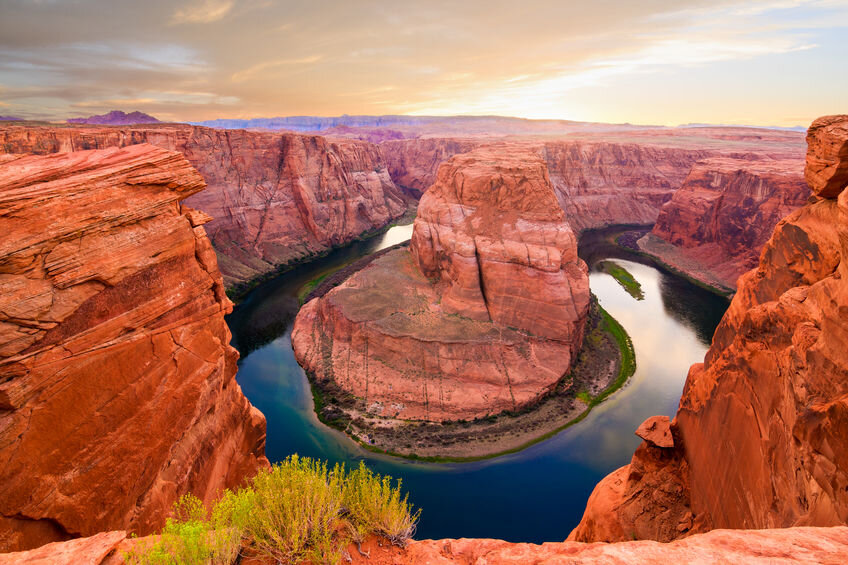
Nestled in the breathtaking landscape of northern Arizona, Horseshoe Bend stands as a testament to the raw power and artistic beauty of nature. This iconic overlook, where the Colorado River carves a dramatic, almost perfect 270-degree curve around a sandstone escarpment, has become one of the most photographed natural wonders in the American Southwest. Far more than just a quick photo opportunity, a visit to Horseshoe Bend offers a profound travel experience, inviting adventurers, photographers, and nature enthusiasts to marvel at geological artistry that has unfolded over millions of years. This comprehensive guide will not only answer the fundamental question of “Where is Horseshoe Bend Arizona?” but will also delve into everything you need to know to plan an unforgettable journey to this magnificent landmark, from its exact location and geological significance to nearby attractions, accommodation options, and essential travel tips.
Discovering Horseshoe Bend: Location and Geography
To truly appreciate Horseshoe Bend, one must first understand its place in the grand tapestry of the United States’ natural wonders. Its precise coordinates place it just outside the city of Page, Arizona, acting as a gateway to the broader Glen Canyon National Recreation Area. While often associated with the Grand Canyon due to their proximity and shared geological lineage, Horseshoe Bend is technically part of the Glen Canyon National Recreation Area, managed by the National Park Service, and lies approximately 5 miles (8 km) downstream from the Glen Canyon Dam.
The Iconic Formation: A Natural Wonder
The sheer majesty of Horseshoe Bend lies in its dramatic geological narrative. Over eons, the Colorado River, initially flowing northward, encountered an obstacle: the hard, erosion-resistant Navajo Sandstone formation. Instead of cutting through directly, the river was forced to detour around it, creating the distinctive horseshoe shape. As the Colorado Plateau uplifted, the river maintained its course, continually downcutting through the rock, deepening its channel to a staggering 1,000 feet (305 meters) below the rim. This process, known as an entrenched meander, is a spectacular display of fluvial erosion and tectonic forces at play.
The vibrant colors visible in the canyon walls — shades of orange, red, and brown — are a result of various mineral compositions within the different geological layers exposed by the river’s relentless carving. These layers tell a story of ancient deserts, seas, and swamps, offering a geological cross-section that captivates amateur geologists and casual observers alike. The unique vantage point from the overlook provides an unparalleled perspective on this natural phenomenon, where the river’s turquoise waters contrast sharply with the deep red rock, especially under the clear Arizona sky. It’s a landmark that not only draws visitors from across the globe but also inspires a deeper appreciation for the Earth’s enduring natural processes.
Geographical Context: A Stone’s Throw from the Grand Canyon
While geographically separate from the Grand Canyon National Park, Horseshoe Bend shares much of its geological heritage with its more famous neighbor. For travelers exploring the vast landscapes of Arizona and Utah, Horseshoe Bend is a perfect addition to an itinerary that might include the Grand Canyon’s South Rim or North Rim, Antelope Canyon, Lake Powell, or even further afield to Zion National Park and Bryce Canyon National Park.
Its location near Page makes it highly accessible. Travelers driving from Las Vegas, Phoenix, or Flagstaff will find Horseshoe Bend a convenient and rewarding stop. The proximity to these other natural wonders solidifies Horseshoe Bend’s role not just as a standalone attraction, but as a pivotal point in a larger regional exploration of stunning landscapes and unique geological formations. Understanding this context helps travelers integrate Horseshoe Bend seamlessly into broader travel plans, enriching their overall American Southwest experience.
Planning Your Visit to Horseshoe Bend
A trip to Horseshoe Bend is a quintessential American Southwest experience, promising awe-inspiring views and photographic opportunities. However, like any popular natural landmark, a little planning goes a long way in ensuring a smooth and enjoyable visit. Considering its popularity and the unique desert environment, understanding logistics, timing, and what to expect on arrival is crucial for every traveler.
Getting There: Directions and Access
Horseshoe Bend is remarkably easy to access. Located just south of Page on U.S. Route 89, it’s approximately a 10-minute drive from the city center. There are clear signposts pointing to the entrance. For those arriving from further afield, Page Municipal Airport offers regional flights, while larger international airports in Las Vegas, Phoenix, and Salt Lake City serve as common starting points for road trips.
Upon arrival, visitors will find a large parking area, which has seen significant improvements in recent years to accommodate the increasing number of tourists. There is a nominal entrance fee per vehicle, which helps fund the upkeep and management of the site. From the parking lot, a well-maintained, relatively flat dirt path leads visitors on a 1.5-mile (2.4 km) round trip hike to the overlook. While the path is generally easy, it does involve walking on sand and a slight incline on the return journey, so comfortable walking shoes are highly recommended. The accessible path, suitable for wheelchairs and strollers, now ensures everyone can experience the vista, thanks to recent upgrades.
The Best Time to Experience the Vista
Timing is everything when it comes to capturing the perfect view and avoiding crowds at Horseshoe Bend.
- Crowds: Horseshoe Bend is immensely popular, leading to significant crowds, especially during peak seasons (spring and fall) and midday. To escape the throng and enjoy a more serene experience, consider visiting early in the morning, right after sunrise, or later in the afternoon, closer to sunset.
- Photography: For photographers, the “golden hours” of sunrise and sunset offer the most dramatic lighting. At sunrise, the eastern sky explodes with color, illuminating the bend with a warm glow. At sunset, the western sky often produces spectacular hues, casting long shadows and creating a dynamic interplay of light and shadow on the canyon walls. However, the direct midday sun can be harsh, creating deep shadows in the bend and making it difficult to capture the entire sweep in a single frame. Many photographers find the late morning or early afternoon ideal, as the sun is high enough to illuminate the entire bend without casting too many shadows.
- Weather: Arizona’s desert climate means hot summers with temperatures often exceeding 100°F (38°C), especially in July and August. Spring and fall offer the most pleasant temperatures, with mild days perfect for hiking. Winters are generally cool and clear, with occasional snowfall that can add a unique charm to the landscape, though access might be more challenging during inclement weather. Always check the weather forecast before your visit and dress appropriately.
What to Expect: The Walk and Viewing Area
The journey to the Horseshoe Bend overlook is part of the experience. The 0.75-mile (1.2 km) walk from the parking lot is relatively easy, but visitors should be prepared for varying terrain, including sections of deep sand. It’s essential to carry water, especially during warmer months, and wear sturdy footwear. The path includes a shade structure about halfway, offering a brief respite from the sun.
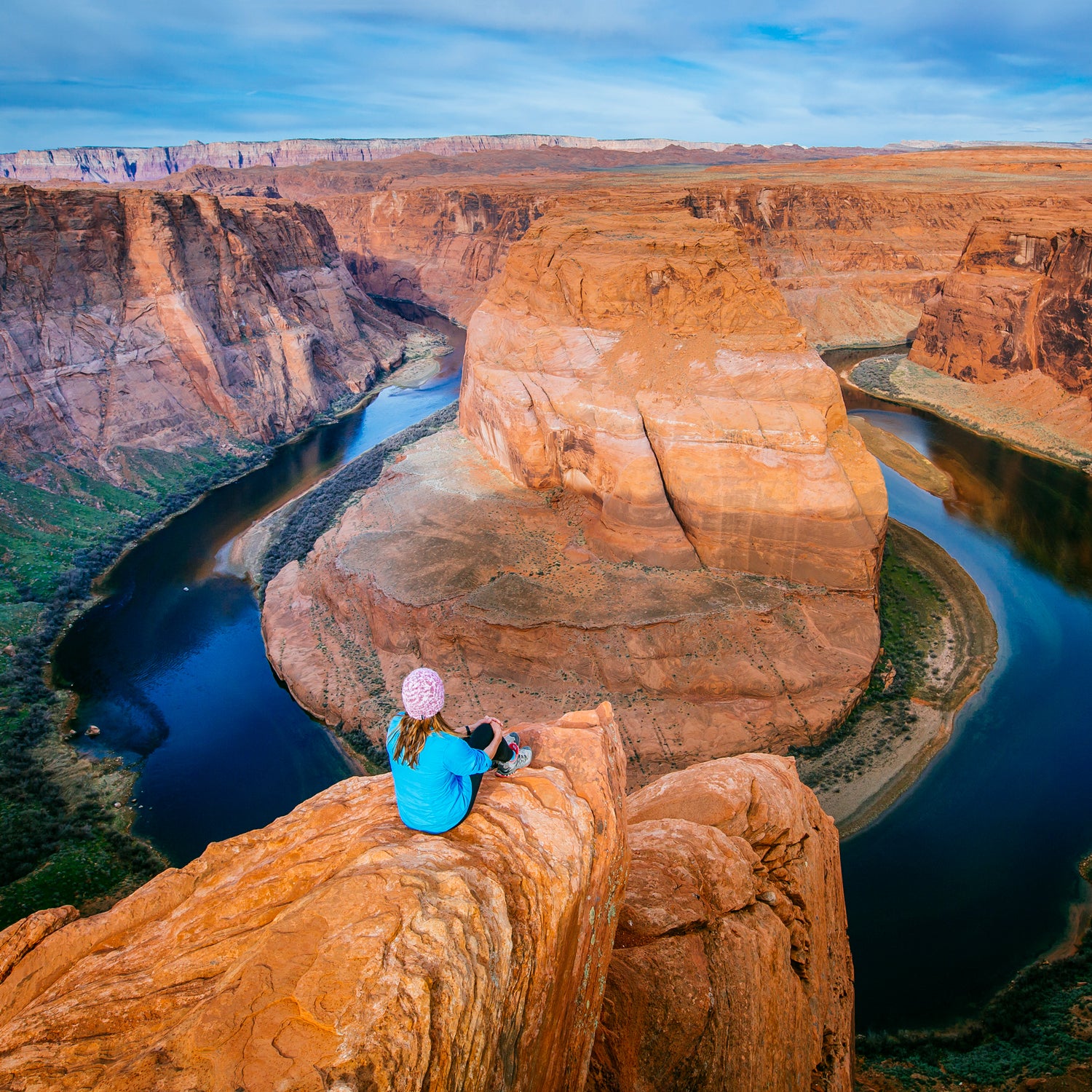
Upon reaching the overlook, visitors are greeted by a vast, panoramic spectacle. The viewing area has been significantly improved in recent years, featuring a large, accessible concrete platform with safety railings. This ensures a safe and comfortable experience for all visitors, providing a clear, unobstructed view of the bend. While the railing offers a secure spot for viewing and photography, many still venture to the unprotected edges of the cliff for unique angles, which is done at one’s own risk. It’s crucial to exercise extreme caution, stay a safe distance from the edge, and never compromise safety for a photo. The drop is sheer, and the sandstone can be unstable. Take your time, soak in the views, and allow yourself to be immersed in the grandeur of this natural masterpiece.
Beyond the Bend: Nearby Attractions and Activities

While Horseshoe Bend is undoubtedly a star attraction, its location in northern Arizona positions it perfectly as a hub for exploring a wealth of other natural wonders and engaging activities. Page, Arizona, often serves as the ideal base camp, offering a variety of tourism options that cater to different interests and lifestyles, from adventurous outdoor pursuits to cultural explorations.
Exploring Page, Arizona: Your Gateway City
The city of Page is more than just a place to sleep; it’s a vibrant community that serves as the primary gateway to Horseshoe Bend and the surrounding Glen Canyon National Recreation Area. Here, visitors will find everything they need for a comfortable stay, including diverse dining options, grocery stores, fuel stations, and various tour operators. Page also has a rich history tied to the construction of the Glen Canyon Dam, which created Lake Powell. Local museums and visitor centers provide insights into the region’s past, its geology, and the culture of the Navajo Nation, whose lands surround much of the area. For those interested in local culture and unique dining experiences, Page offers a taste of American Southwest cuisine, with options ranging from casual diners to more upscale restaurants serving regional specialties.
Adventures in the Glen Canyon National Recreation Area
The Glen Canyon National Recreation Area is a vast expanse of stunning landscapes, offering recreational opportunities that extend far beyond a single viewpoint.
- Lake Powell: Immediately adjacent to Page, Lake Powell is a massive reservoir renowned for its spectacular blue waters, red rock formations, and countless hidden coves and canyons. It’s a paradise for water sports enthusiasts, offering opportunities for boating, kayaking, paddleboarding, fishing, and even multi-day houseboat rentals. Exploring Lake Powell allows visitors to experience the submerged beauty of Glen Canyon from a unique perspective.
- Glen Canyon Dam: A marvel of engineering, the Glen Canyon Dam is impressive in its own right. Visitors can take guided tours to learn about its construction, its role in water management for the American Southwest, and its impact on the Colorado River ecosystem. The views from the dam bridge are spectacular, offering a different perspective of the canyon.
Other Must-See Natural Wonders in the Region
The area around Horseshoe Bend is a treasure trove of natural landmarks, making it an ideal destination for extended travel and exploration.
- Antelope Canyon: Perhaps the most famous slot canyon in the world, Antelope Canyon is located just a short drive from Page and is an absolute must-see. Divided into Upper Antelope Canyon, Lower Antelope Canyon, and Antelope Canyon X, these mystical slot canyons are renowned for their sculpted sandstone walls and the ethereal light beams that pierce through narrow openings. Visits require a guided tour, usually led by members of the Navajo Nation, offering a cultural experience alongside the natural beauty.
- Grand Canyon National Park: For those willing to venture a bit further, the Grand Canyon’s South Rim is about a 2.5-hour drive, while the more remote North Rim (open seasonally) is around 4.5 hours away. Both offer distinct perspectives of one of the world’s most impressive geological features, with numerous hiking trails, viewpoints, and visitor services.
- Vermilion Cliffs National Monument: Southeast of Page lies the Vermilion Cliffs National Monument, a remote wilderness area known for its towering, colorful cliffs and unique rock formations, including the famous “Wave” at Coyote Buttes. Access to specific areas often requires permits, emphasizing its pristine and protected nature.
- Monument Valley: While a longer drive (about 2.5 hours northeast), Monument Valley offers another iconic Southwest landscape of towering sandstone buttes. Managed by the Navajo Nation, it’s a profound cultural and scenic experience, often recognized from countless Western films.
Integrating these attractions into your itinerary will transform a simple visit to Horseshoe Bend into an expansive journey through some of the most spectacular natural landscapes on Earth, catering to a diverse range of travel experiences and preferences.
Accommodation and Travel Tips for Your Horseshoe Bend Adventure
Planning a trip to Horseshoe Bend involves more than just knowing its location and nearby attractions; it also requires thought about where to stay, how to travel efficiently, and how to make the most of your visit while respecting the environment. Whether you’re a luxury traveler, on a budget, or planning a family adventure, the region offers solutions for every lifestyle.
Finding the Perfect Stay in Page and Beyond
Page, Arizona, serves as the primary hub for visitors to Horseshoe Bend, Antelope Canyon, and Lake Powell. The city offers a range of accommodation options to suit various preferences and budgets.
- Hotels and Motels: You’ll find numerous national chain hotels in Page, offering familiar amenities like swimming pools, complimentary breakfast, and comfortable rooms. Options range from budget-friendly motels to mid-range hotels, providing reliable and convenient stays. Many hotels are located close to restaurants and tour departure points.
- Resorts and Suites: For those seeking a bit more luxury or space, particularly families or longer stays, several resorts and suite-style accommodations are available. These often feature enhanced amenities such as larger rooms, kitchenettes, fitness centers, and more extensive concierge services, ideal for a comfortable base after a day of exploration. Some offer stunning views of the surrounding mesas or Lake Powell.
- Vacation Rentals (Apartments, Villas): For a more localized experience or for groups, vacation rentals through platforms like Airbnb or VRBO are popular. These can range from cozy apartments to spacious villas, often equipped with full kitchens, laundry facilities, and multiple bedrooms, providing a “home away from home” feel. This is a great option for those planning extended stays or who prefer to self-cater.
- Camping and RV Parks: Budget travelers and outdoor enthusiasts will appreciate the numerous camping and RV park options in and around Page and within the Glen Canyon National Recreation Area. These sites often provide basic amenities like restrooms and showers, with some offering full hookups for RVs. Staying at a campground allows for an immersive experience with nature, often under a blanket of stars. Booking in advance, especially during peak season, is highly recommended for all accommodation types. Reviews and comparison sites can help travelers find the perfect fit for their needs, considering factors like amenities, proximity to attractions, and price.
Essential Tips for a Memorable Visit
To ensure your Horseshoe Bend adventure is safe, enjoyable, and memorable, consider these practical tips:
- Hydration is Key: The Arizona desert can be unforgiving, especially during warmer months. Always carry plenty of water for the walk to the overlook and for any other outdoor activities. Dehydration can happen quickly.
- Sun Protection: Sunscreen, hats, and sunglasses are non-negotiable. The sun’s intensity at this elevation can lead to severe sunburns.
- Footwear: Wear comfortable, closed-toe walking shoes or hiking boots. The path involves sand and uneven terrain.
- Safety First: While the main viewing platform has railings, many areas along the rim do not. Stay a safe distance from the edge, especially when taking photos. Do not climb on unstable rocks or attempt risky maneuvers. Supervise children closely.
- Leave No Trace: Help preserve this natural wonder by packing out everything you pack in. Dispose of trash properly and stay on marked trails to protect the delicate desert ecosystem.
- Photography Gear: Beyond your phone, consider bringing a wide-angle lens for cameras to capture the entire sweep of the bend, as it’s wider than it appears. A tripod can be useful for low-light shots (sunrise/sunset) or long exposures.
- Combine Activities: As mentioned, Horseshoe Bend is part of a larger network of attractions. Plan your itinerary to include Antelope Canyon, Lake Powell, or a drive through the Glen Canyon National Recreation Area to maximize your travel experience.
- Check Conditions: Before heading out, check weather forecasts, road conditions, and any specific alerts from the National Park Service or local authorities, particularly concerning heat advisories or trail closures.
Embracing Sustainable Tourism in the American Southwest
As popular landmarks like Horseshoe Bend continue to attract increasing numbers of visitors, the importance of sustainable tourism practices becomes paramount. Embracing a mindful approach to travel ensures that these natural treasures can be enjoyed by future generations.
- Support Local: Choose locally owned businesses for dining, shopping, and tours whenever possible. This helps to directly support the economy of communities like Page and the Navajo Nation.
- Respect Cultural Heritage: The area surrounding Horseshoe Bend is rich in indigenous history and culture. When visiting areas managed by the Navajo Nation, such as Antelope Canyon or Monument Valley, be respectful of their customs, follow guidelines from local guides, and consider purchasing authentic Native American crafts from authorized vendors.
- Minimize Environmental Impact: Beyond adhering to “Leave No Trace” principles, consider ways to reduce your carbon footprint. Opt for eco-friendly accommodation, carpool if possible, and conserve water and energy during your stay. Participate in guided tours that prioritize environmental protection.
- Educate Yourself: Learn about the geology, ecology, and history of the region. A deeper understanding enhances the travel experience and fosters a greater sense of responsibility toward preserving these delicate environments.
By integrating these tips into your travel planning, your visit to Horseshoe Bend will not only be an incredible personal experience but also a positive contribution to the preservation and appreciation of this remarkable American Southwest landmark. From its stunning visual appeal to the rich array of experiences it offers, Horseshoe Bend truly epitomizes the grandeur of Arizona’s natural landscape, making it a must-visit destination for any avid traveler.
LifeOutOfTheBox is a participant in the Amazon Services LLC Associates Program, an affiliate advertising program designed to provide a means for sites to earn advertising fees by advertising and linking to Amazon.com. Amazon, the Amazon logo, AmazonSupply, and the AmazonSupply logo are trademarks of Amazon.com, Inc. or its affiliates. As an Amazon Associate we earn affiliate commissions from qualifying purchases.