
Jefferson, Colorado is more than just a dot on a map; it’s a quintessential high-altitude mountain community, steeped in history and surrounded by some of the most breathtaking natural beauty the Centennial State has to offer. For those seeking an escape from the urban clamor and a genuine connection with the Old West and untamed wilderness, locating Jefferson is the first step towards an unforgettable journey. This comprehensive guide will not only pinpoint Jefferson’s exact location but also delve into what makes this humble hamlet a compelling destination for travelers drawn to authentic Colorado experiences. Far from the bustling ski resorts and populous cities, Jefferson offers a tranquil retreat, inviting visitors to explore its rich past, embrace its rugged landscapes, and discover the serene rhythm of mountain life. Whether you’re an avid angler, a history buff, a passionate hiker, or simply someone yearning for peace, understanding where Jefferson, Colorado is, both geographically and culturally, is key to unlocking its unique charm.

Unveiling Jefferson’s Geographic Charm
To truly appreciate Jefferson, one must first understand its strategic and picturesque placement within Colorado’s vast and varied terrain. It sits in a unique topographical bowl, offering panoramic views and a distinctive high-country climate that shapes its character and activities.
Nestled in the Heart of Park County
Jefferson is centrally located within Park County, a sprawling expanse of land in the heart of Central Colorado. More specifically, it lies within the renowned South Park Basin, a vast, high-altitude grassland valley cradled by towering peaks of the Rocky Mountains. This basin is one of three major intermontane parks in Colorado, distinct for its expansive meadows and the dramatic mountain ranges that define its borders. At an elevation of approximately 9,500 feet (2,896 meters) above sea level, Jefferson offers crisp mountain air and stunning vistas that stretch for miles.
The town is conveniently positioned roughly 75 miles southwest of Denver, Colorado’s capital and largest city, making it an accessible, albeit remote, escape for weekend adventurers. It’s also about 85 miles northwest of Colorado Springs, another major population center, which places it within a reasonable driving distance for many visitors. The surrounding peaks belong to the Front Range of the Rocky Mountains and the Mosquito Range, with the Continental Divide passing nearby, influencing weather patterns and contributing to the area’s incredible biodiversity. This unique setting means that while Jefferson feels wonderfully secluded, it’s not entirely isolated, serving as a tranquil haven connected to the broader region.
A Gateway to High-Altitude Exploration
Accessing Jefferson is an adventure in itself, primarily via US-285, a historic highway that winds its way through some of Colorado’s most scenic landscapes. This route, often regarded as one of the state’s most beautiful drives, leads directly into the South Park Basin, with Jefferson situated along its path. From the east, travelers climb gently from the relatively flatter plains into the foothills, passing through charming towns like Bailey before descending into the basin. From the west, US-285 traverses high mountain passes, offering even more dramatic views.
Additionally, State Highway 9 intersects US-285 nearby, providing connections to other significant mountain towns like Fairplay to the south and Breckenridge to the north, albeit over challenging mountain passes in winter. These well-maintained roads make Jefferson an ideal base for exploring a wider array of high-altitude attractions, from wilderness areas to other historic mining communities. The journey to Jefferson is truly part of the destination, offering countless opportunities for scenic stops, wildlife viewing, and appreciation of Colorado’s untamed natural splendor. The crisp air, the vast open spaces, and the uninterrupted views of peaks like Mount Sherman and Mount Princeton serve as a constant reminder of the majestic environment that defines this region.
A Glimpse into Jefferson’s Storied Past
Beyond its geographic allure, Jefferson holds a rich historical narrative that is deeply woven into the fabric of Colorado’s development. Its past is a testament to the pioneering spirit and the enduring legacy of the Old West.
Roots in the Gold Rush Era
Like many towns in Central Colorado, Jefferson’s origins are inextricably linked to the frantic search for precious metals during the Colorado Gold Rush of the mid-19th century. While not a major mining camp itself, its strategic location on critical transportation routes made it a vital service and supply hub. Established in the 1870s, the town quickly grew with the arrival of the Denver, South Park and Pacific Railroad. This narrow-gauge railway, a marvel of engineering for its time, connected Denver to the rich mining districts further west, passing directly through Jefferson. The railway was instrumental in transporting ore, supplies, and people, cementing Jefferson’s role as a bustling railroad town.
Evidence of this vibrant past can still be seen in the town’s architecture, with several historic buildings that have stood the test of time, bearing witness to decades of change. The old general store, the remnants of the railway grade, and the quaint, original homesteads evoke a strong sense of nostalgia for a bygone era. Visitors can almost hear the whistle of the steam engine and imagine the prospectors, merchants, and railroad workers who once populated these streets. The community has made efforts to preserve its heritage, allowing today’s travelers a tangible connection to the rugged individuals who shaped this corner of Colorado. This historical depth adds another layer of intrigue to Jefferson’s appeal, making it more than just a scenic stop but a living museum of the Old West.
Enduring Legacy of the Old West
The spirit of the Old West continues to define Jefferson’s character today. Unlike some larger, more commercialized mountain towns, Jefferson has retained its authentic, unpretentious charm. It’s a place where community values run deep, and the pace of life remains slow and deliberate, mirroring the rhythms of the surrounding wilderness. The small population contributes to a close-knit atmosphere, where neighbors know neighbors and visitors are often greeted with genuine hospitality. This authenticity is a significant draw for travelers weary of cookie-cutter tourist traps.
The town’s history is not just in its buildings but in its enduring connection to ranching and outdoor pursuits, which were foundational to the early settlers. The vast meadows of the South Park Basin have long supported livestock, and this agricultural heritage persists, adding to the picturesque scenery of grazing animals against a backdrop of majestic mountains. The remoteness that once made the journey challenging now provides a sanctuary for those seeking solitude and a reconnection with nature. Jefferson stands as a quiet reminder of a simpler time, a place where the grandeur of the Rocky Mountains and the echoes of pioneers continue to shape its identity, offering a truly immersive historical and cultural experience to all who venture here.
Discovering Jefferson’s Outdoor Allure
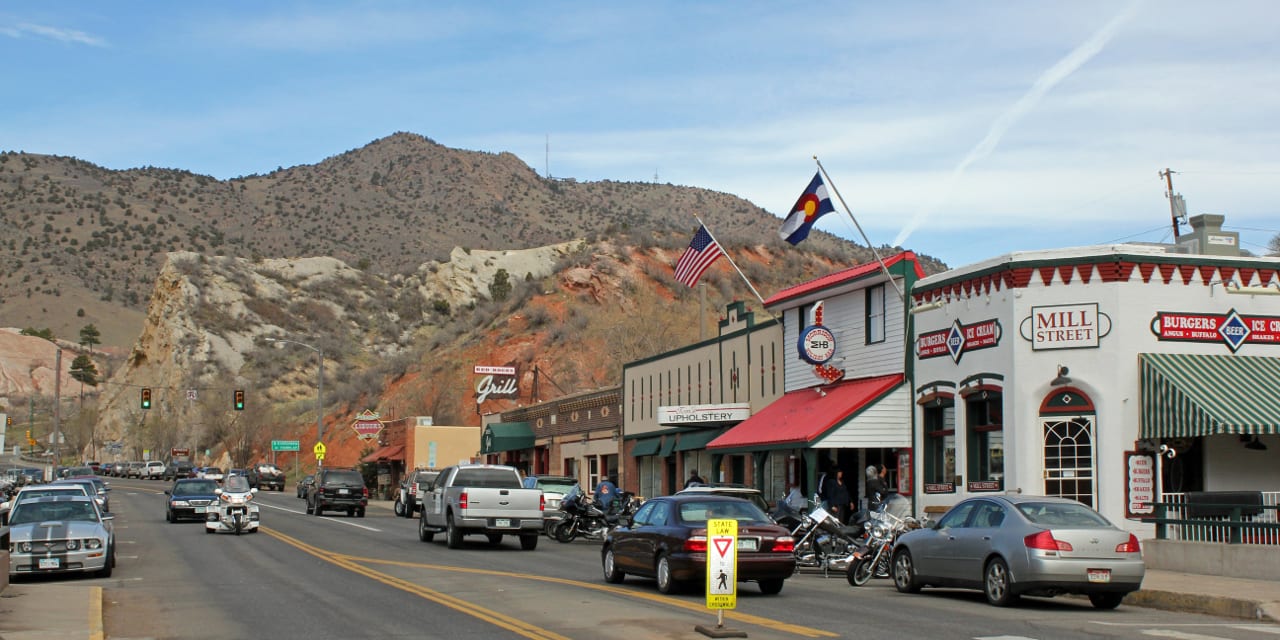
While its history provides depth, Jefferson’s primary draw for modern travelers lies in its unparalleled access to the outdoors. The surrounding wilderness is a playground for adventurers, offering a diverse range of activities throughout the seasons.
Angler’s Paradise
For fishing enthusiasts, Jefferson is nothing short of a dream destination. The area is renowned for its exceptional fly fishing opportunities, particularly along the fabled “Dream Stream” section of the South Platte River. This legendary stretch, a tailwater fishery below Spinney Mountain Reservoir, is celebrated globally for its massive trout – including rainbow, brown, and cutthroat – especially during their spawning runs. Anglers flock here for the challenge and reward of catching truly trophy-sized fish in a stunning natural setting.
Beyond the river, the South Park Basin is dotted with several large reservoirs that offer different fishing experiences. Antero Reservoir, just a short drive from Jefferson, is known for its large trout, kokanee salmon, and northern pike, making it popular for both fly and spin fishing from shore or by boat. Nearby, Spinney Mountain Reservoir and Eleven Mile Reservoir also provide ample opportunities for diverse angling, ice fishing in winter, and general water recreation. The clear, cold waters, abundant insect life, and careful management make this region one of the premier fishing destinations in the United States. Whether you’re a seasoned fly fisher or a beginner looking to cast a line in a serene environment, Jefferson offers an aquatic adventure second to none.
Hiking, Biking, and Beyond
The landscapes surrounding Jefferson are an open invitation for hikers and mountain bikers. The vastness of the South Park Basin and the proximity to national forests and wilderness areas provide an extensive network of trails for all skill levels. Sections of the iconic Colorado Trail, which stretches nearly 500 miles from Denver to Durango, are accessible in the vicinity, offering challenging treks with unparalleled scenic rewards. Shorter, less strenuous trails wind through the rolling hills and pine forests, perfect for leisurely strolls and wildlife observation. Keep an eye out for elk, deer, bighorn sheep, and a variety of bird species that thrive in this high-alpine environment.
In winter, the same trails transform into a pristine wonderland ideal for cross-country skiing and snowshoeing. The quiet solitude of a snow-covered landscape, broken only by the crunch of snow underfoot, is an experience not to be missed. The area’s relatively flat terrain in the basin makes it particularly suitable for beginner and intermediate cross-country skiers, while more challenging ascents can be found in the nearby mountains. Year-round, the panoramic views from various overlooks are simply breathtaking, showcasing the dramatic scale of the Rocky Mountains and the vastness of the South Park Basin.
A Stargazer’s Dream
Given its remote location and minimal light pollution, Jefferson offers an extraordinary opportunity for stargazing. Far from the bright lights of cities, the night sky here comes alive with a dazzling display of stars, planets, and even the Milky Way visible to the naked eye. On clear nights, particularly during moonless periods, the celestial show is truly humbling. This makes Jefferson an ideal spot for amateur astronomers, astrophotographers, or anyone simply wishing to experience the profound beauty of a truly dark sky. Bringing a telescope or even just a pair of binoculars can enhance the experience, allowing for closer views of distant galaxies and nebulae. It’s a serene and awe-inspiring way to cap off a day of outdoor exploration, connecting visitors to the immense grandeur of the universe in a way that urban environments simply cannot provide.
Planning Your Visit to Jefferson
A trip to Jefferson requires a bit of foresight, as its charm lies in its remoteness and minimal development. Thoughtful planning ensures a smooth and enjoyable experience in this unique Colorado destination.
When to Go and What to Expect
The best time to visit Jefferson largely depends on your desired activities. Summer (June to September) offers the most pleasant weather for hiking, biking, and fishing, with warm days and cool, crisp nights. Wildflowers carpet the meadows, and the long daylight hours allow for extended outdoor adventures. However, afternoon thunderstorms are common at high altitudes, so packing layers and being prepared for sudden weather changes is crucial. Fall (September to October) is breathtaking, with the aspen trees turning brilliant shades of gold, creating stunning photographic opportunities. This is also a prime time for fly fishing, as trout become more active before winter.
Winter (November to April) transforms Jefferson into a snowy wonderland, perfect for cross-country skiing, snowshoeing, and ice fishing. Temperatures can be very cold, and heavy snowfall is frequent, potentially affecting road conditions. Always check forecasts and road reports before traveling in winter. Spring (April to May) is a transition period, with thawing snow leading to muddy trails but also burgeoning wildlife and fewer crowds. Regardless of the season, visitors should be mindful of the high elevation; staying hydrated and taking it easy on the first day can help prevent altitude sickness.
Local Amenities and Nearby Gems
Jefferson is a small community, and its amenities reflect that. There’s typically a historic general store offering basic provisions, snacks, and perhaps a souvenir or two, but visitors should not expect extensive shopping or dining options. It’s advisable to stock up on groceries, specialized gear, and any necessary medications in larger towns like Conifer or Pine Junction before arriving. Accommodation in Jefferson itself is limited, often consisting of a few cabin rentals, vacation homes, or small, independently run lodgings. Camping is a popular option in the surrounding national forests and state parks, offering a more immersive outdoor experience.
For more robust services, the historic town of Fairplay, the Park County seat, is a short drive south on State Highway 9. Fairplay offers additional dining choices, gas stations, and the renowned South Park City Museum, an outdoor museum that recreates a 19th-century mining town. Further afield, Buena Vista offers whitewater rafting and hot springs, while Breckenridge provides world-class skiing and a vibrant resort atmosphere. Using Jefferson as a quiet base allows for easy day trips to these more developed areas while returning to the peaceful solitude of the South Park Basin.

Embracing the Serenity
Ultimately, a visit to Jefferson is about embracing serenity and disconnecting from the incessant demands of modern life. It’s a destination where the natural world takes center stage, and the pace is dictated by the rhythm of the mountains. Cell service can be spotty, and Wi-Fi might be a luxury, not a given, encouraging visitors to truly unplug and immerse themselves in their surroundings. This deliberate lack of commercialization is precisely what makes Jefferson so appealing to those seeking an authentic, undisturbed mountain experience. It’s a place to breathe deep, gaze at endless skies, listen to the whisper of the wind through the pines, and appreciate the raw, unspoiled beauty of Colorado. Come prepared to slow down, explore, and let the quiet majesty of Jefferson rejuvenate your spirit.
In conclusion, Jefferson, Colorado is not just a geographical location but an invitation to step back in time and immerse oneself in the stunning wilderness of the Rocky Mountains. It’s a destination for the discerning traveler who values history, outdoor adventure, and genuine tranquility over bustling crowds. Its position within the expansive South Park Basin, coupled with its storied past and access to world-class fishing and hiking, makes it a truly unique gem in Colorado’s diverse tapestry of travel experiences. Discovering where Jefferson, Colorado is, is merely the beginning of an enriching journey into one of the state’s most authentic and captivating destinations.
LifeOutOfTheBox is a participant in the Amazon Services LLC Associates Program, an affiliate advertising program designed to provide a means for sites to earn advertising fees by advertising and linking to Amazon.com. Amazon, the Amazon logo, AmazonSupply, and the AmazonSupply logo are trademarks of Amazon.com, Inc. or its affiliates. As an Amazon Associate we earn affiliate commissions from qualifying purchases.