
Nestled within the vibrant expanse of Southern California, La Puente, California, is a city that often eludes precise geographical definition for those unfamiliar with the San Gabriel Valley. Yet, for residents and those who have explored its unique character, it represents a significant and established community. This article aims to pinpoint La Puente’s location, explore its place within the broader Los Angeles County tapestry, and highlight what makes it a noteworthy destination for understanding the diverse urban landscape of the region.
Geographical Positioning and Neighbors
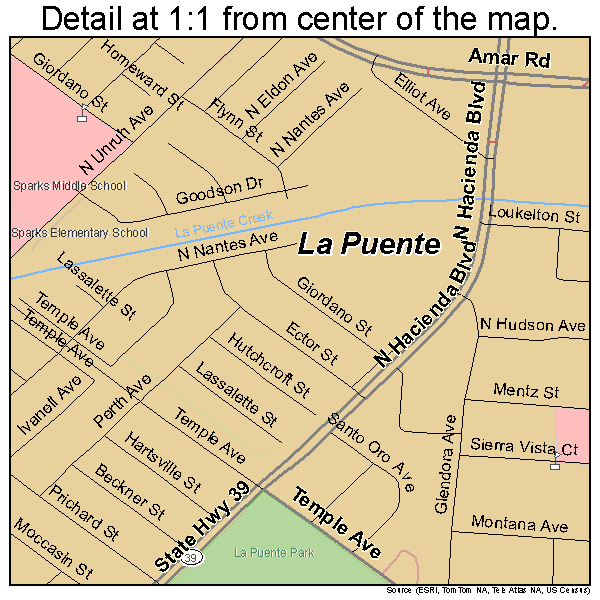
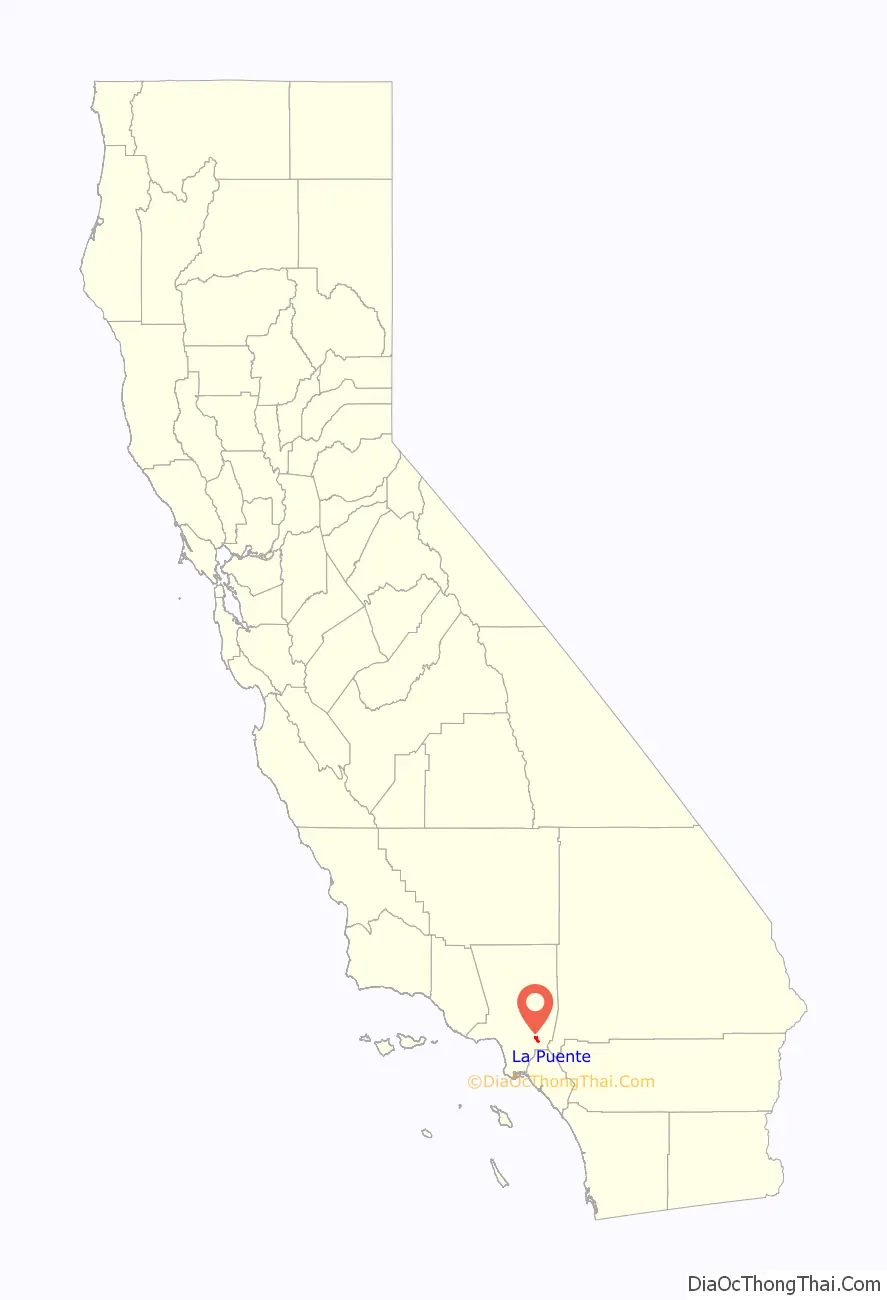
La Puente is situated in the eastern portion of Los Angeles County, serving as a key part of the San Gabriel Valley. This valley is known for its rich history, diverse populations, and a significant number of incorporated cities, each with its own distinct identity.

Defining its Boundaries
To understand where La Puente is, it’s helpful to consider its adjacent cities. It shares borders with several notable municipalities, each contributing to the dense urban fabric of the region.
- North: To the north, La Puente is bordered by Hacienda Heights and the city of City of Industry. Hacienda Heights is known for its residential areas and proximity to the Puente Hills, while City of Industry is primarily an industrial and commercial hub.
- East: The eastern boundary of La Puente is shared with West Covina, another significant city in the San Gabriel Valley, offering a blend of residential, commercial, and recreational opportunities.
- South: To the south, La Puente is bordered by the cities of West Covina again, and Valinda, which is an unincorporated community within Los Angeles County.
- West: The western edge of La Puente is defined by its neighbor, City of Industry, and the unincorporated community of Bassett.
This close proximity to other cities underscores La Puente’s integration into the larger metropolitan area, benefiting from and contributing to the interconnectedness of the region.
Key Access Routes
Understanding the major freeways and arterial roads that serve La Puente is crucial for navigating to and from the city. Its strategic location is further emphasized by its access to significant transportation corridors.
- Interstate 10 (I-10): The San Bernardino Freeway (I-10) runs along the northern edge of La Puente, providing direct access to Downtown Los Angeles to the west and the Inland Empire to the east. This is a primary artery for commuters and commerce.
- State Route 60 (SR 60): Known as the Pomona Freeway, SR 60 runs south of La Puente, offering another crucial east-west transportation option. Its proximity enhances connectivity to communities further south and east.
- Local Arterial Roads: Major surface streets like Valinda Avenue, Don Julian Road, and Amar Road provide essential local access, connecting residential neighborhoods to commercial districts and freeways.
This well-developed transportation network makes La Puente easily accessible and integrates it seamlessly into the wider Los Angeles metropolitan area.
Historical Context and Origins
The name “La Puente” itself offers a clue to the area’s historical roots. The “Puente” in Spanish means “bridge.” This nomenclature points to the historical significance of a bridge that once spanned the San Gabriel River in the vicinity.
Early Inhabitants and Spanish Influence
The region that is now La Puente was originally inhabited by the indigenous Tongva people. With the arrival of Spanish missionaries and settlers, the area became part of the vast ranchos of colonial New Spain. The establishment of the San Gabriel Mission in the late 18th century marked a significant period of change for the native populations and the landscape.
The specific bridge that gave the area its name was likely built during the Mexican period or early American period, facilitating travel and trade across the river. This historical marker embedded itself into the local identity.
Growth and Incorporation
La Puente began to develop as a distinct community in the early 20th century, experiencing growth driven by agriculture and later by suburban expansion. It was officially incorporated as a city on April 25, 1956. This incorporation marked its transition from an unincorporated area to an independent municipality, allowing for local governance and development control. The post-World War II era saw a significant boom in population and housing, transforming the landscape into the suburban community it is today.
Demographics and Cultural Landscape
La Puente is characterized by its diverse population, a hallmark of many cities within the San Gabriel Valley. This diversity is reflected in its culture, cuisine, and community fabric.
A Melting Pot of Cultures
The demographic makeup of La Puente is a rich mosaic of ethnic backgrounds. Historically, it has been home to a significant Latino population, and this continues to be a defining characteristic. However, like much of Southern California, La Puente has also seen growth and contributions from Asian communities, as well as various other ethnic groups, creating a vibrant cultural blend.
This diversity fosters a dynamic community where different traditions, languages, and perspectives converge. It influences everything from local businesses and community events to the everyday interactions of its residents.
Local Flavor and Community Life
The community spirit in La Puente is often described as close-knit and family-oriented. The city prioritizes local parks, community centers, and public spaces that encourage interaction and engagement among residents.
- Parks and Recreation: The city offers several parks, such as La Puente Park and Haskell-Memorial Park, providing green spaces for recreation, family gatherings, and community events. These parks are central to the local lifestyle, offering playgrounds, sports fields, and picnic areas.
- Community Events: Throughout the year, La Puente hosts various events that celebrate its community. These can range from local festivals and farmers’ markets to civic gatherings that bring residents together, fostering a sense of belonging and shared identity.
Exploring La Puente: What to See and Do
While La Puente is primarily a residential and working-class community, its location within the San Gabriel Valley offers easy access to a wealth of attractions and experiences in surrounding areas.
Local Points of Interest
Within La Puente itself, the focus is on community life and local amenities that serve its residents.
- The Puente Hills Landfill: While not a typical tourist attraction, the Puente Hills Landfill is a significant landmark in terms of scale and its role in waste management for the region. It also offers views of the surrounding landscape from certain vantage points.
- Local Dining: The culinary scene in La Puente reflects its diverse population. Visitors can find authentic Mexican cuisine, various Asian eateries, and classic American diners, offering a true taste of the local community.
Gateway to Regional Attractions
La Puente’s strategic location makes it an excellent base for exploring the wider Los Angeles County.
- Theme Parks: Families can easily access world-renowned theme parks like Disneyland Park and Knott’s Berry Farm which are within a reasonable driving distance.
- Cultural Institutions: The museums and cultural centers of Los Angeles, including the Getty Center and the Natural History Museum of Los Angeles County, are accessible via the freeway system.
- Nature and Outdoors: The nearby Puente Hills offer hiking opportunities, and the broader San Gabriel Mountains provide more extensive natural escapes. The Los Angeles Arboretum and Descanso Gardens offer beautiful horticultural experiences.
In conclusion, La Puente, California, is a well-established city located in the heart of the San Gabriel Valley within Los Angeles County. Its precise geographical positioning, historical roots, diverse community, and accessible location make it an integral part of the Southern California landscape. It stands not just as a dot on the map, but as a community with its own identity, contributing to the rich tapestry of the greater Los Angeles region.
LifeOutOfTheBox is a participant in the Amazon Services LLC Associates Program, an affiliate advertising program designed to provide a means for sites to earn advertising fees by advertising and linking to Amazon.com. Amazon, the Amazon logo, AmazonSupply, and the AmazonSupply logo are trademarks of Amazon.com, Inc. or its affiliates. As an Amazon Associate we earn affiliate commissions from qualifying purchases.