
Navigating the vibrant landscape of Las Vegas begins long before you hit the casino floor or take your seat at a world-class residency show. For millions of travelers each year, the journey starts at the gateway to Southern Nevada: the primary aviation hub that services the region. Understanding the geography and logistics of the airport is essential for any well-planned itinerary, as its proximity to the heart of the city is unlike almost any other major metropolitan area in the United States.
The Strategic Location of Harry Reid International Airport
The facility formerly known as McCarran International Airport was renamed Harry Reid International Airport in 2021. Despite the name change, its legendary location remains its greatest asset. Situated in Paradise, an unincorporated town within Clark County, the airport sits just five miles south of Downtown Las Vegas and literally across the street from the southern end of the Las Vegas Strip.
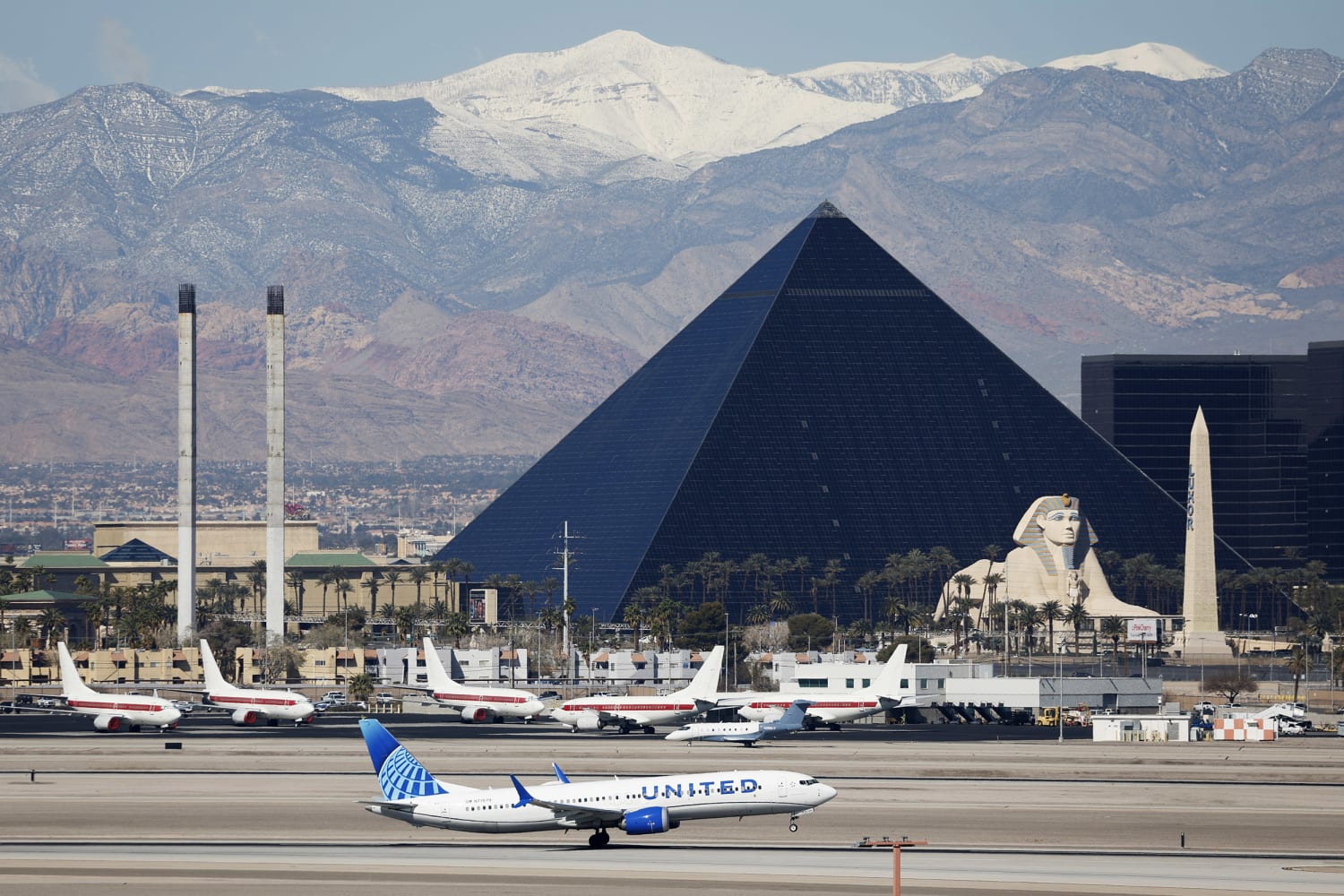
Proximity to the Las Vegas Strip
One of the most striking aspects of arriving at this airport is the immediate visual payoff. As planes descend, passengers are often treated to panoramic views of iconic landmarks like the High Roller observation wheel and the gleaming towers of the various resorts. Unlike airports in New York City or Los Angeles, which can require hour-long commutes to reach the city center, Harry Reid International Airport is so close to the action that you can see the Luxor Hotel pyramid and its massive sphinx from the runways.
Understanding the Geography of Paradise, Nevada
While everyone associates the airport with the city of Las Vegas, it technically resides in Paradise. This distinction is important for travelers using GPS or looking at official maps. This area encompasses most of the tourist-centric locations, including the University of Nevada Las Vegas and the Allegiant Stadium. The airport’s central location makes it a pivot point for those heading north to the Fremont Street Experience or south toward the newer residential developments in Henderson.
Navigating the Terminal Complex and Transportation
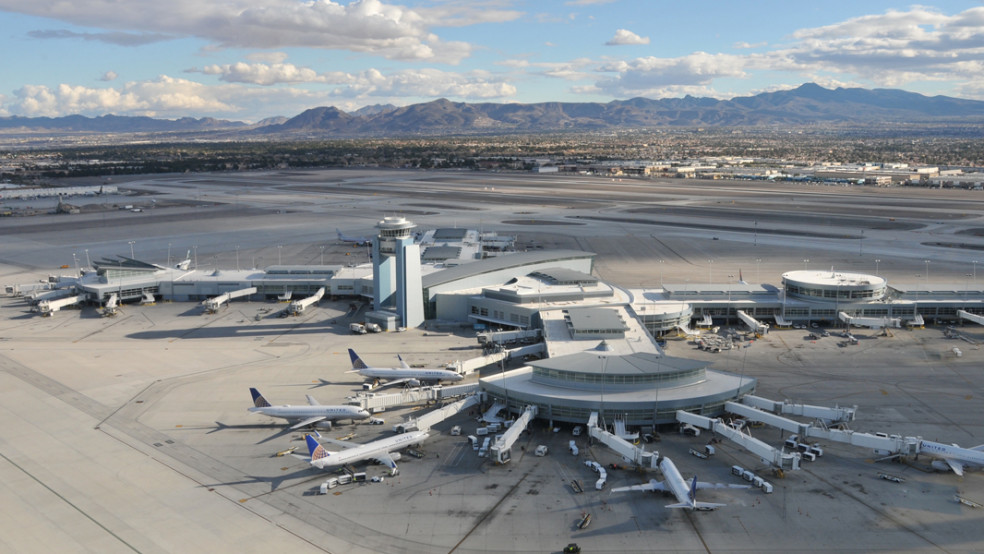
The airport is divided into two distinct terminal buildings: Terminal 1 and Terminal 3. It is a common point of confusion for first-time visitors that there is no “Terminal 2,” as it was demolished years ago. Understanding where your airline is located is the first step in a smooth arrival or departure.
Terminal 1: The Domestic Hub
Terminal 1 is the older and busier of the two facilities. It primarily handles domestic carriers and is the home base for Southwest Airlines, which accounts for a significant portion of the airport’s daily traffic. Within Terminal 1, you will find four concourses (A, B, C, and D). Travelers flying with Spirit Airlines or Delta Air Lines will also find themselves navigating this sprawling complex. The terminal is famous for its abundance of slot machines, allowing visitors to experience the Nevada gaming culture the moment they step off the jet bridge.
Terminal 3: International and Modern Domestic Flights
Terminal 3 serves as the gateway for all international arrivals, as well as several major domestic carriers such as United Airlines, Alaska Airlines, and JetBlue. This terminal is more modern in its architecture and offers a streamlined experience for those arriving from London, Mexico City, or Vancouver. It is important to note that the two terminals are not physically connected behind security; if you need to move between them, you must use the complimentary airport shuttle bus that runs frequently between the two buildings.
Ground Transportation and the Rent-A-Car Center
Once you have collected your luggage from the Baggage Claim area, you have several options for reaching your destination. The Harry Reid Rent-A-Car Center is located three miles away from the terminals, requiring a short ride on a dedicated blue and white shuttle bus. For those preferring rideshare services like Uber or Lyft, there are designated pickup zones in the parking garages of both terminals. Additionally, the RTC Southern Nevada provides public bus transit for budget-conscious travelers, though most visitors opt for taxis or private limousines to reach the Las Vegas Strip quickly.
Proximity to Iconic Destinations and Attractions
The brilliance of the airport’s location is how quickly it transitions you from a travel mindset to a vacation mindset. Many of the world’s most famous resorts are less than a fifteen-minute drive away, making Las Vegas one of the most accessible major destinations in the world.
Reaching the South Strip Resorts
The closest major properties to the airport are located on the South end of the Las Vegas Strip. Mandalay Bay and Delano Las Vegas are often the first stops for airport shuttles. Just slightly further north, you will encounter the Excalibur Hotel and Casino and the MGM Grand. For travelers staying in these locations, the commute is incredibly brief, often taking less than ten minutes depending on traffic at the intersection of Tropicana Avenue and Las Vegas Boulevard.
Accessing the Center Strip and Beyond
If your destination is the center of the action, such as the Bellagio, Caesars Palace, or the Paris Las Vegas, the drive is only marginally longer. Even the northern reaches of the corridor, featuring the Wynn Las Vegas and Encore Resort, are typically reachable within twenty minutes. This proximity allows travelers to maximize their time enjoying attractions like the Fountains of Bellagio rather than sitting in transit.
Sports and Entertainment Venues
In recent years, the airport has become a hub for sports fans. T-Mobile Arena, home to the Vegas Golden Knights, and the massive Allegiant Stadium, home of the Las Vegas Raiders, are both located within a stone’s throw of the airport. It is not uncommon for fans to fly in for a game, take a quick ride to the stadium, and fly out the same night. The convenience of Harry Reid International Airport is a major factor in the city’s successful rebranding as the “Sports Capital of the World.”
Beyond the Neon: Day Trips and Nature
While most people look toward the neon lights upon landing, the airport also serves as a gateway to the stunning natural beauty of the American Southwest. If you are looking to escape the hustle and bustle, several world-renowned natural landmarks are easily accessible from the airport area.
Red Rock Canyon and the Great Outdoors
A short thirty-minute drive west from the airport brings you to the Red Rock Canyon National Conservation Area. This destination offers a stark contrast to the city, with towering crimson sandstone peaks and miles of hiking trails. It is a favorite for travelers who want to combine a desert adventure with their city stay. The airport’s location near the 215 Beltway makes getting to the outskirts of the city remarkably efficient.
Hoover Dam and Lake Mead
Heading southeast from the airport, travelers can reach the Hoover Dam in approximately forty-five minutes. This architectural marvel, which creates the massive Lake Mead reservoir, is one of the most visited sites in the country. Many regional tour operators pick up directly from the airport or nearby hotels, providing easy access to the Colorado River and the engineering wonders of the early 20th century.
Gateway to the Grand Canyon
For many international visitors, the airport is the primary jumping-off point for expeditions to the Grand Canyon. While the Grand Canyon South Rim is about a four-hour drive, many helicopter and small-plane tours depart from the Las Vegas Executive Air Terminal, which is adjacent to the main airport. These tours offer a bird’s-eye view of Lake Las Vegas and the Grand Canyon West rim, including the famous Skywalk.
Essential Tips for a Seamless Arrival
To truly master the Las Vegas travel experience, there are a few professional tips that can save you time and stress during your visit to the airport.
Timing Your Arrival and Departure
Harry Reid International Airport is one of the busiest in the world, especially on Thursday and Sunday afternoons when the “weekend crowd” shifts. To avoid long waits at TSA checkpoints, it is highly recommended to use services like TSA PreCheck or CLEAR. During peak convention seasons, such as during CES, the airport can experience extreme volumes, so allowing extra time for check-in is vital.
Utilizing the Terminal D Gates
Many passengers find themselves at the D Gates, which are situated in a satellite concourse accessible via an automated people mover (tram) from either Terminal 1 or Terminal 3. If your flight departs from these gates, ensure you account for the five to ten minutes needed to ride the tram. The D Gates area also houses some of the best dining options in the airport, including Gordon Ramsay Burger and several local favorites, making it a great place to wait for a connection.

Baggage and Storage Solutions
If you have a late flight but need to check out of your hotel early, most resorts on the Las Vegas Strip offer bell desk services to hold your luggage. However, if you find yourself at the airport with hours to spare, be aware that there are no luggage lockers inside the terminals due to security regulations. Planning your final day around your transportation to Harry Reid International Airport will ensure you aren’t stuck hauling suitcases through the terminal longer than necessary.
In conclusion, the location of the Las Vegas airport is a cornerstone of the city’s success as a global tourism destination. Its proximity to the Las Vegas Strip, its efficient (though sometimes complex) terminal layout, and its role as a gateway to the American Southwest make it an integral part of the travel experience. Whether you are arriving for a high-stakes poker tournament, a romantic getaway, or an outdoor adventure, knowing exactly where you are landing and how to navigate the desert’s premier aviation hub is the first step toward a successful trip.
LifeOutOfTheBox is a participant in the Amazon Services LLC Associates Program, an affiliate advertising program designed to provide a means for sites to earn advertising fees by advertising and linking to Amazon.com. Amazon, the Amazon logo, AmazonSupply, and the AmazonSupply logo are trademarks of Amazon.com, Inc. or its affiliates. As an Amazon Associate we earn affiliate commissions from qualifying purchases.