
Nestled in the heart of Downtown Los Angeles, Little Tokyo serves as a vibrant cultural beacon and one of the most historically significant districts in California. While the sprawling nature of Los Angeles can often leave visitors questioning the exact coordinates of its diverse neighborhoods, Little Tokyo is conveniently located just east of the Civic Center and north of the Arts District. It is bounded roughly by Alameda Street to the east, Los Angeles Street to the west, and First Street as its central artery.
For those navigating the city, this neighborhood is more than just a cluster of city blocks; it is a National Historic Landmark District that functions as a living museum of Japanese American heritage. Whether you are arriving from Union Station or driving in from the Santa Monica coastline, finding this enclave is relatively straightforward thanks to its proximity to major transportation hubs.

The Cultural Significance of Little Tokyo
Little Tokyo is one of only three remaining official Japantowns in the United States. Its existence is a testament to the resilience of the Japanese American community, which has occupied this specific area since the late 19th century. Understanding the location requires looking beyond the map and appreciating the layers of history embedded in the architecture and the community spirit.
Historical Landmarks and Preserved Architecture
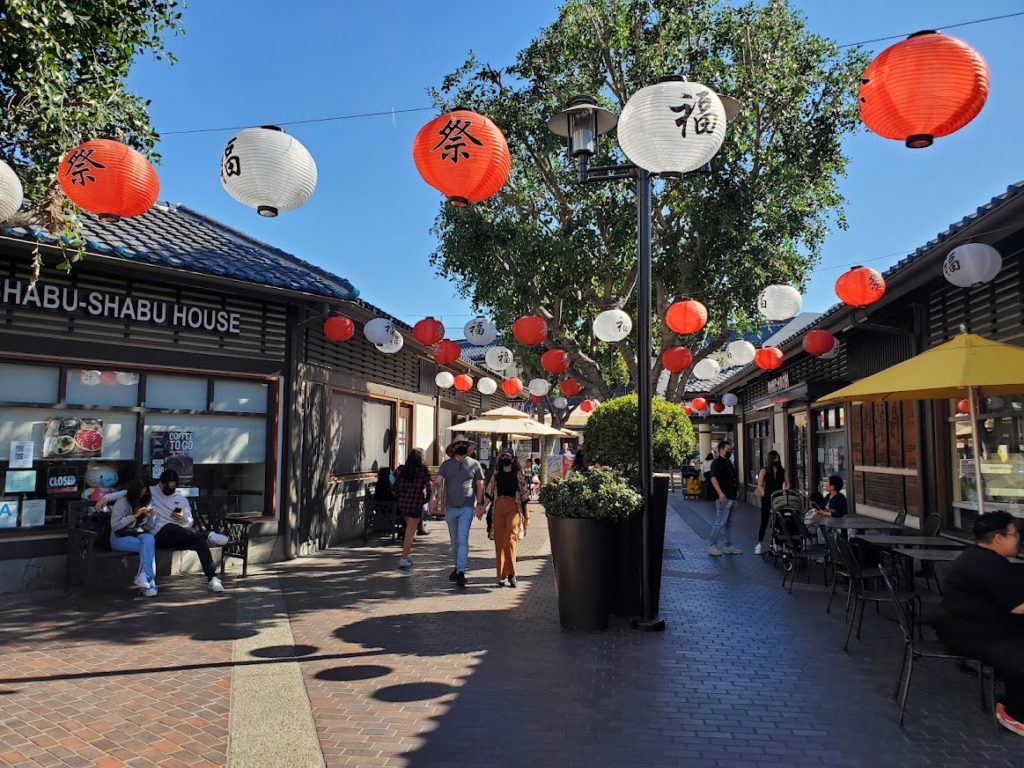
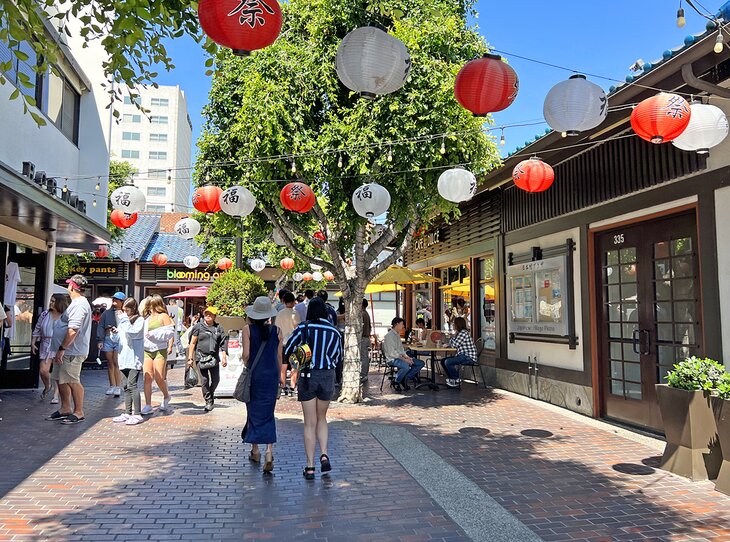
The district is home to several structures that tell the story of early immigrants who arrived in Los Angeles. The Japanese Village Plaza serves as the primary gateway for tourists, featuring a signature Yagura fire tower that stands as a silent sentinel over the bustling shopping area. Nearby, the Nishi Hongwanji Buddhist Temple and the Union Church of Los Angeles highlight the religious diversity and social cohesion of the early community.
Another essential stop is the Japanese American National Museum, located right on the edge of the historic district. This institution provides the context necessary for visitors to understand why Little Tokyo was formed and how it survived the displacement and internment challenges of the mid-20th century. By visiting these landmarks, one gains a deeper appreciation for why this neighborhood is anchored exactly where it is today.
Navigating the Heart of the District: A Guide to Activities
When people ask where Little Tokyo is, they are often really asking how to experience its culture. The neighborhood is divided into several zones, each offering a distinct atmosphere. From the quiet serenity of the James Irvine Japanese Garden to the neon-lit, energetic vibe of the Weller Court shopping center, the area is compact enough to explore entirely on foot.
Culinary Experiences and Retail
The food scene in Little Tokyo is arguably its biggest draw. Visitors will find authentic ramen shops, high-end sushi counters, and traditional confectioneries that have been in operation for decades.
- Fugetsu-do: Famous for its handmade mochi, this shop is a staple that has served the community since 1903.
- Daikokuya: Often cited as the quintessential spot for ramen, this establishment draws long lines of locals and tourists alike, located right on the bustling First Street.
- Marukai Market: A flagship grocery experience where visitors can find imported Japanese goods, snacks, and fresh ingredients that are hard to source elsewhere in California.
Walking the Streets
The best way to see the district is by starting at the Little Tokyo/Arts District Station. From here, the walk toward San Pedro Street takes you past murals, small boutiques, and hidden courtyards. The contrast between the modern glass-and-steel skyscrapers of the nearby Financial District and the low-slung, historic brick buildings of Little Tokyo makes the neighborhood’s location feel like a well-preserved time capsule.
Planning Your Visit: Transportation and Tips
Understanding how to access Little Tokyo is key to a stress-free trip. Given its location in Downtown Los Angeles, traffic can be dense, making public transit an attractive option for many.
Public Transportation Access
The expansion of the Los Angeles Metro system has made the district incredibly accessible. The Metro A Line and the Metro E Line both service the neighborhood, connecting it directly to places like Santa Monica, Long Beach, and Pasadena. For those arriving from out of town, the LAX airport is reachable via a combination of the FlyAway Bus and the local metro network.
Parking and Logistics
If you choose to drive, multiple parking structures are located conveniently throughout the area. The Aiso Parking Garage is often the most recommended spot for tourists because of its central location relative to the major attractions on First Street.
When planning your itinerary, consider visiting during the week if you prefer a quieter experience, or on the weekends when the streets come alive with street performers, pop-up markets, and a younger crowd visiting from across Southern California. While the area is safe and walkable, keep in mind that many smaller shops in Little Tokyo may have traditional operating hours, so checking the websites of specific attractions before you arrive is always a prudent step.
The Future of the District
Little Tokyo remains a living, breathing neighborhood that evolves alongside the city of Los Angeles. While new developments continue to rise around the periphery, the core of the district remains dedicated to preserving the cultural history of the Japanese American population. By visiting, you are not just seeing a destination; you are participating in the ongoing story of a community that has called this patch of Downtown Los Angeles home for over a century.
Whether you are seeking the perfect bowl of ramen, a quiet moment in a traditional garden, or a deep dive into the history of California, Little Tokyo offers an unmatched blend of tradition and modernity. Now that you know exactly where it is—nestled between the historic architecture and the bustling metropolitan center—you can navigate this beautiful corner of the city with the confidence of a local.
LifeOutOfTheBox is a participant in the Amazon Services LLC Associates Program, an affiliate advertising program designed to provide a means for sites to earn advertising fees by advertising and linking to Amazon.com. Amazon, the Amazon logo, AmazonSupply, and the AmazonSupply logo are trademarks of Amazon.com, Inc. or its affiliates. As an Amazon Associate we earn affiliate commissions from qualifying purchases.