
Nestled in the heart of the Eastern Sierra Nevada mountain range, Lone Pine, California, stands as a beacon for adventurers, history enthusiasts, and film buffs alike. It’s more than just a dot on the map; it’s a gateway to some of the most dramatic landscapes and significant historical sites in the American West. For those seeking an escape from the ordinary, a rendezvous with rugged nature, or a journey through cinematic history, understanding the precise location and unique allure of Lone Pine is the first step toward an unforgettable travel experience. This professional, insightful guide will pinpoint Lone Pine’s geographical significance, unveil its hidden treasures, and equip you with the knowledge to plan your own expedition to this remarkable destination, strictly within the framework of a comprehensive travel article.

The Geographical Tapestry: Pinpointing Lone Pine’s Unique Position
Lone Pine occupies a truly remarkable geographical nexus, making it an ideal base for exploring a vast and diverse region. Its location is not just a coordinate; it’s a strategic advantage for travelers looking to immerse themselves in contrasting natural beauty.
A Gateway to the Eastern Sierra Nevada
Positioned along U.S. Route 395, often dubbed the “Scenic Byway,” Lone Pine lies approximately 230 miles north of Los Angeles and 280 miles south of Reno, Nevada. It sits at the base of the formidable Sierra Nevada mountains, almost directly beneath Mount Whitney, the highest peak in the contiguous United States. This proximity to Mount Whitney immediately defines much of Lone Pine’s character, serving as the primary jumping-off point for climbers and hikers aiming to conquer its majestic summit.
To the east, the landscape quickly descends into the arid expanse of the Mojave Desert, transitioning dramatically into the lowest point in North America, Death Valley National Park. This stark contrast – towering alpine peaks to the west and scorching desert valleys to the east – is a defining feature of Lone Pine’s surroundings, offering a rare opportunity to experience extreme environmental diversity within a short drive. The town acts as a crucial supply stop and information hub for travelers navigating this grand, wild intersection of geological forces.
Climate and Best Times to Visit
The climate in Lone Pine is characteristic of a high desert environment, but with significant modulation from the nearby Sierra Nevada. Summers are typically hot and dry, with daytime temperatures often exceeding 90°F (32°C), though evenings can be surprisingly cool. Winters are mild during the day, usually above freezing, but nights can drop significantly, and the surrounding peaks are often blanketed in snow. Spring and fall are generally considered the most pleasant times to visit, offering comfortable temperatures for outdoor activities and breathtaking scenic beauty as wildflowers bloom or autumn colors emerge in the higher elevations.
For serious hikers attempting Mount Whitney, the summer months (July through September) provide the most favorable weather window, though permits are highly competitive. Those interested in exploring the Alabama Hills and lower elevation trails will find spring and fall ideal, avoiding both the intense summer heat and potential winter chill. Visiting in the shoulder seasons also allows for a more relaxed experience, with fewer crowds and opportunities to appreciate the serene beauty of the region at a comfortable pace.
A Nexus of Natural Wonders and Cinematic History
What truly sets Lone Pine apart as a travel destination is its unparalleled combination of extraordinary natural landscapes and a surprisingly rich cinematic legacy. These two elements intertwine, offering visitors a multi-faceted experience that appeals to a wide range of interests.
The Allure of the Alabama Hills
Directly west of Lone Pine lies the magnificent Alabama Hills, a geological wonderland unlike any other. This area features rounded, golden-orange rock formations that stand in dramatic contrast to the jagged, snow-capped peaks of the Sierra Nevada just beyond them. Formed over millions of years through erosion and uplift, the Alabama Hills offer a unique blend of landscapes: from narrow slot canyons and towering rock arches to vast, open expanses.
The Alabama Hills are a paradise for outdoor enthusiasts. Hiking and rock scrambling are popular activities, with trails leading to iconic formations such as Mobius Arch, famous for framing Mount Whitney perfectly through its opening. Photography opportunities are endless, particularly during sunrise and sunset when the rocks glow with intense hues. The area is also popular for dispersed camping, offering a chance to sleep under a blanket of stars with unparalleled views. This landscape’s accessibility and stunning beauty make it a primary draw for any visitor to Lone Pine.
High Sierra Adventures
Beyond the Alabama Hills, the towering Sierra Nevada provides a playground for more strenuous adventures. Lone Pine is the primary launchpad for expeditions into the John Muir Wilderness and the broader Inyo National Forest. The iconic Mount Whitney Portal, just a short drive from town, is the trailhead for the main route to the summit, attracting thousands of permit-holding hikers annually. Even for those not attempting the summit, the trails around the Portal offer challenging day hikes with spectacular views and access to pristine alpine lakes.
The region is also renowned for its world-class fishing, particularly in the Owens Valley rivers and the numerous high-elevation lakes and streams. Backpacking, rock climbing, and even scenic drives up into the mountains provide endless opportunities for engaging with the raw beauty of the Sierra Nevada. The sense of scale and the feeling of wilderness here are profoundly impactful, making it a destination for those who truly appreciate the grandeur of nature.
Echoes of the Silver Screen: The Movie Road Experience
One of Lone Pine’s most distinctive features is its inextricable link to Hollywood. The unique topography of the Alabama Hills has served as a backdrop for over 400 films, television shows, and commercials since the early 20th century. Its rugged, otherworldly appearance has famously stood in for the Wild West, alien planets, and distant lands, lending an iconic visual signature to countless cinematic narratives.
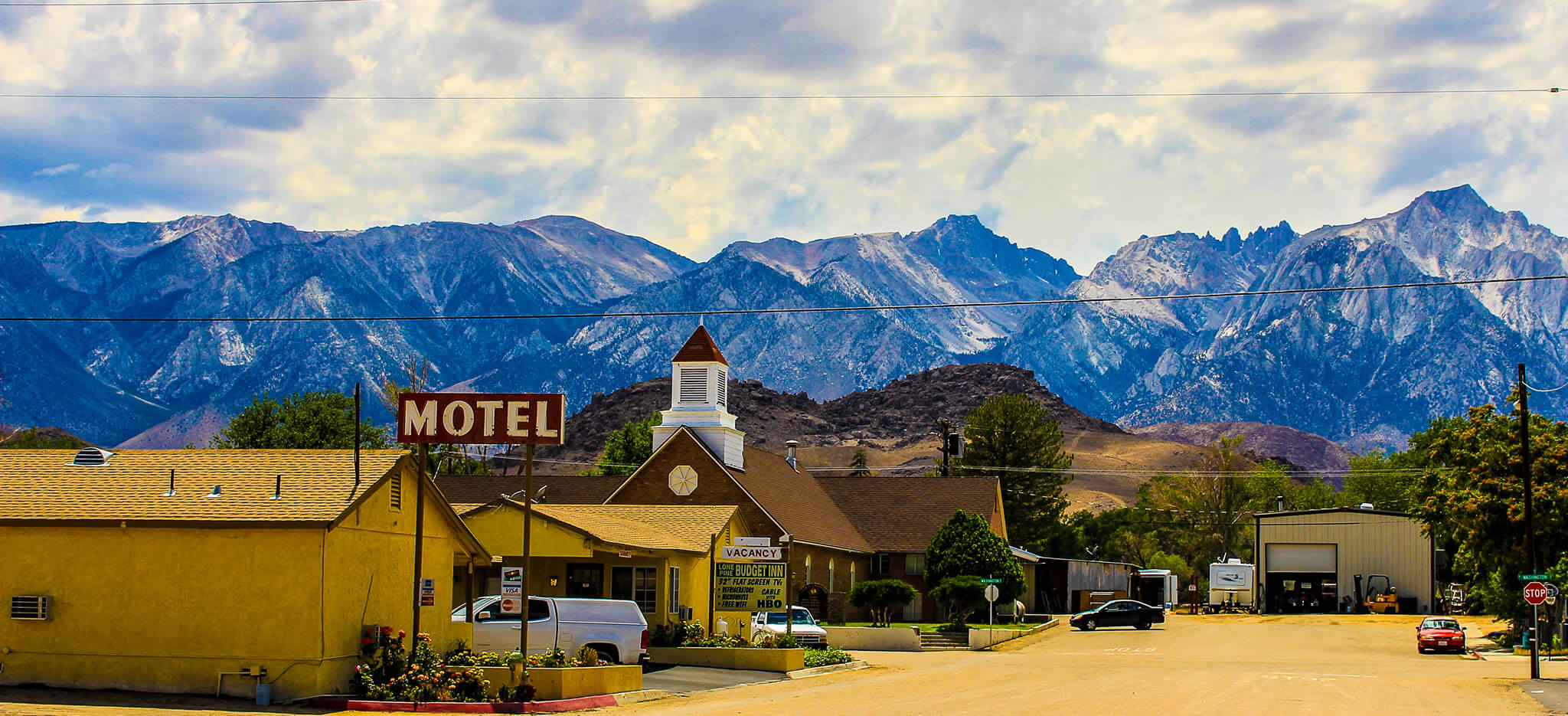
The heart of this cinematic legacy is Movie Road, a winding dirt road that traverses the Alabama Hills and leads past many famous filming locations. Travelers can drive or hike along Movie Road, imagining scenes from classic Westerns starring John Wayne or Clint Eastwood, or recognizing backdrops from blockbusters like “Gladiator” and “Iron Man.” To delve deeper into this fascinating history, the Museum of Western Film History in Lone Pine is an absolute must-visit. It houses an impressive collection of props, costumes, vehicles, and memorabilia, along with informative exhibits that bring the silver screen’s connection to the Alabama Hills to life, offering a unique cultural dimension to the travel experience.
Beyond the Horizon: Exploring Nearby Attractions
While Lone Pine itself is a treasure trove of experiences, its strategic location also makes it an excellent base for exploring a wider array of historical and natural wonders in the surrounding region.
Gateway to Death Valley
Just a short drive east from Lone Pine, the landscape dramatically transforms into the surreal beauty of Death Valley National Park. As one of the hottest places on Earth, Death Valley offers a stark contrast to the towering Sierra Nevada. From salt flats and sand dunes to colorful badlands and historic ghost towns, the park presents a unique ecological and geological spectacle. Lone Pine serves as a convenient stop for supplies, fuel, and last-minute preparations for visitors heading into this extreme environment, providing a comfortable entry and exit point for those exploring the park’s wonders.
Owens Valley and Its Controversial History
Lone Pine is situated within the expansive Owens Valley, a region with a rich and often contentious history, primarily concerning water rights. The valley became infamous for the “California Water Wars” in the early 20th century, when Los Angeles acquired most of the water rights, diverting the Owens River to support its burgeoning population. This history left a lasting impact on the valley’s landscape and communities. Travelers can learn about this pivotal period, which shaped much of modern California, through various historical markers and local insights, adding a layer of socio-political understanding to their natural exploration.
Manzanar National Historic Site
A poignant and crucial site near Lone Pine is the Manzanar National Historic Site. This former internment camp, located just south of town, was one of ten facilities where over 120,000 Japanese Americans were incarcerated during World War II. Manzanar stands as a powerful testament to a dark chapter in American history, offering comprehensive exhibits, original structures, and a driving tour that provides deep insight into the experiences of those who were unjustly detained. Visiting Manzanar is a profoundly moving and educational experience, adding significant historical depth to any trip to the Owens Valley.
Planning Your Lone Pine Expedition
A trip to Lone Pine requires thoughtful planning to maximize the experience, given the diverse activities and environments available.
Getting There
The primary way to reach Lone Pine is by road. U.S. Route 395 is a scenic highway that connects Southern California to the Eastern Sierra and beyond. The drive itself is part of the adventure, offering stunning vistas as you transition from urban centers to high desert and eventually to the foot of the mountains. From Los Angeles, the drive takes approximately 3.5 to 4 hours. From Las Vegas, it’s about a 3-hour drive. While public transport options are limited, several regional bus services connect larger towns along U.S. 395, though a personal vehicle is highly recommended for exploring the surrounding areas effectively.
Where to Stay and Dine
Lone Pine offers a range of accommodations to suit different travel styles and budgets. You’ll find a selection of comfortable motels and lodges in town, many of which provide easy access to dining and attractions. For those seeking a closer connection to nature, several campgrounds are available in the Alabama Hills and within the nearby Inyo National Forest, offering primitive to developed sites.
Dining options in Lone Pine are primarily focused on casual American fare, catering to travelers and locals alike. You can find classic diner food, hearty steaks, burgers, and some Mexican cuisine. Many establishments have a distinct Western charm, reflecting the town’s historical and cinematic heritage. It’s advisable to check operating hours, especially during off-peak seasons, as options can sometimes be limited.
Essential Tips for Travelers
- Permits: If you plan to hike Mount Whitney, secure your permit well in advance through the lottery system. Other wilderness areas may require permits as well; check with the Inyo National Forest for details.
- Preparation: Always carry plenty of water, especially when hiking or exploring the desert areas. Temperatures can fluctuate dramatically, so layered clothing is essential. Sun protection (hat, sunscreen, sunglasses) is also crucial.
- Leave No Trace: Practice Leave No Trace principles to preserve the natural beauty of the Alabama Hills and Sierra Nevada. Pack out all trash, stay on designated trails, and respect wildlife.
- Fuel & Supplies: While Lone Pine has gas stations and a market, services can be scarce in surrounding areas, especially en route to Death Valley or deeper into the mountains. Stock up before venturing out.
- Road Conditions: Always check road conditions, especially during winter months, as mountain passes can close due to snow.
The Enduring Appeal of Lone Pine
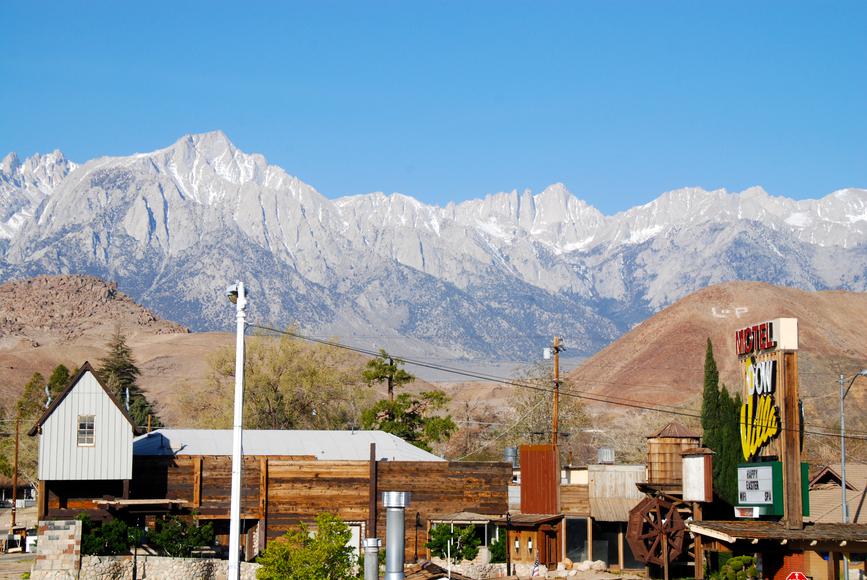
Lone Pine, California, is more than just a place; it’s an experience. It’s where the raw, untamed majesty of the Sierra Nevada collides with the cinematic dreams of Hollywood and the harsh beauty of the high desert. From the geological wonders of the Alabama Hills and the challenging ascent of Mount Whitney to the echoes of film history and poignant historical sites, Lone Pine offers a unique blend of adventure, cultural enrichment, and breathtaking scenery.
For the discerning traveler seeking a destination that transcends the ordinary, Lone Pine promises an unforgettable journey. It’s a place where every turn in the road reveals a new vista, every trail leads to a discovery, and every sunset paints the mountains in colors that defy description. Plan your visit, embrace the wilderness, and step into the stories that have shaped this iconic corner of California. Lone Pine awaits to reveal its myriad wonders.
LifeOutOfTheBox is a participant in the Amazon Services LLC Associates Program, an affiliate advertising program designed to provide a means for sites to earn advertising fees by advertising and linking to Amazon.com. Amazon, the Amazon logo, AmazonSupply, and the AmazonSupply logo are trademarks of Amazon.com, Inc. or its affiliates. As an Amazon Associate we earn affiliate commissions from qualifying purchases.