
For those looking beyond the bustling concrete canyons of Manhattan, Long Island City represents one of the most dynamic and rapidly evolving destinations in New York City. Located in the borough of Queens, this waterfront neighborhood offers a unique vantage point of the city’s skyline, serving as a gateway between the intensity of the urban core and the residential charm of the outer boroughs. Whether you are a first-time visitor or a seasoned traveler, understanding the geography and character of this area is essential for navigating the complex map of New York.
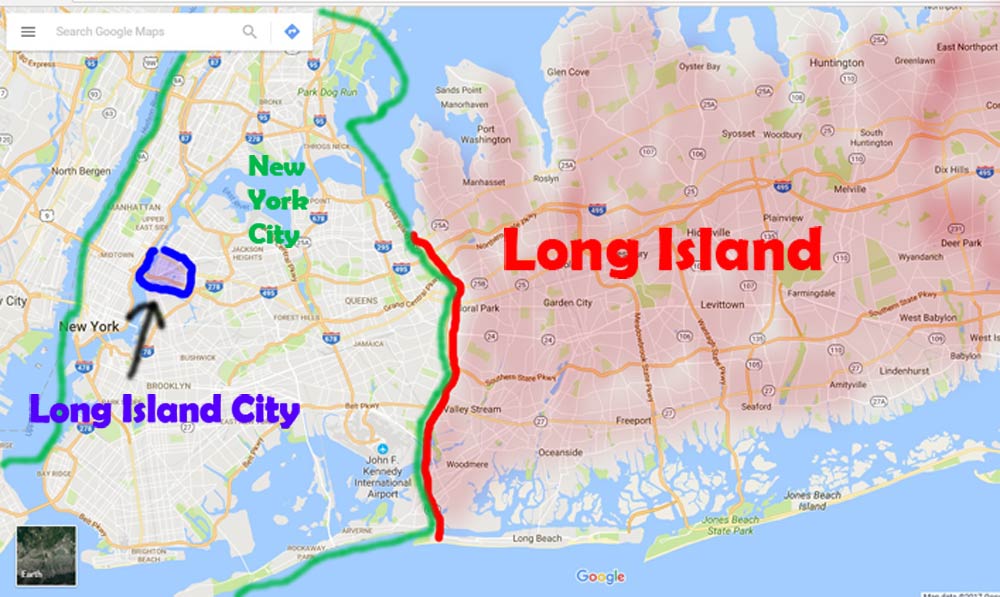
The Geographic Context of Long Island City
Situated directly across the East River from Midtown Manhattan, Long Island City occupies a prime location at the westernmost tip of Queens. Its boundaries are often perceived as fluid, but historically, the area stretches from Astoria to the north down to Greenpoint in Brooklyn.
Proximity to Transportation Hubs
One of the primary reasons visitors flock to this area is its unparalleled connectivity. The neighborhood is serviced by several major subway lines, including the 7, E, M, and R trains. A short ride on the 7 train connects commuters and tourists alike to Grand Central Terminal or Times Square within mere minutes. Furthermore, the NYC Ferry provides a scenic and efficient way to traverse the river, landing at Gantry Plaza State Park, which stands as the literal and figurative centerpiece of the neighborhood’s waterfront identity.
Defining the Boundaries
To the east, the neighborhood transitions toward Sunnyside and Woodside, while the southern border is defined by Newtown Creek, a waterway that historically acted as an industrial boundary between Queens and Brooklyn. The neighborhood is anchored by the massive Queensboro Bridge, which looms overhead, serving as both a landmark and a vital conduit for traffic entering and exiting the city.
A Cultural and Industrial Renaissance
Historically known for its manufacturing prowess, warehouses, and factories, the area has undergone a dramatic transformation over the last two decades. Today, these former industrial spaces have been repurposed into art galleries, luxury high-rises, and creative hubs, turning the neighborhood into an unexpected cultural powerhouse within the United States.
The Rise of the Arts District
Long Island City boasts one of the highest concentrations of art galleries and studio spaces in the region. The MoMA PS1, an affiliate of the Museum of Modern Art, serves as the neighborhood’s artistic anchor. Housed in a former public school building, this institution focuses on experimental and contemporary art, drawing international attention to the area. Walking through the streets, visitors will find a mix of vibrant street murals, artist collectives, and small, independent galleries that provide a stark, creative contrast to the corporate atmosphere of Wall Street.

Waterfront Revitalization
The transformation of the waterfront into a series of interconnected parks has changed the face of the neighborhood. Hunters Point South Park is perhaps the most impressive example of this urban renewal. With walking paths, native landscaping, and unobstructed views of the Chrysler Building and the Empire State Building, it provides a space for reflection that is rare to find in such close proximity to the city center.
Navigating the Neighborhood as a Visitor
For the modern traveler, Long Island City is more than just a place to look at; it is a place to base oneself. Because of its expansive residential developments, the area offers a high density of lodging options that often provide more space and better value than their counterparts in the heart of Manhattan Island.
Choosing the Right Base
When selecting an accommodation, the proximity to the Court Square station or Vernon Boulevard is a major factor. Hotels in this corridor allow for easy access to both the subway and the waterfront attractions. Visitors often find that the neighborhood offers a quieter retreat after a day of intense sightseeing in Central Park or the Brooklyn Bridge.
Culinary Evolution
The food scene in this area has kept pace with its demographic changes. Where once there were only gritty diners, there is now a sophisticated mix of international cuisine. From high-end dining options overlooking the East River Waterfront to authentic, family-run restaurants reflecting the diverse immigrant heritage of Queens, the culinary map of the neighborhood is expansive. Exploring the area requires a willingness to venture away from the main avenues and into the quiet blocks where hidden gems are frequently found.
Future Projections for Long Island City
The trajectory of this neighborhood suggests that its status as a secondary business district will only continue to strengthen. With new commercial developments continuing to rise, the area is becoming an essential part of the greater New York Metropolitan Area.
Balancing Growth and Identity
Despite the rapid construction of skyscrapers, there is a concerted effort among local organizations to preserve the neighborhood’s unique history. Landmarks such as the Pepsi-Cola Sign, which glows prominently on the waterfront, serve as reminders of the area’s industrial past. Balancing this heritage with modern needs is the central challenge for planners as they look toward the next decade.

Why It Matters for Your Trip
Ultimately, knowing where this neighborhood sits in relation to the rest of the city allows a traveler to better curate their itinerary. By positioning yourself in Long Island City, you gain the benefit of a central location with a local, neighborhood feel. It provides a unique perspective of New York that is often missed by those who remain strictly within the confines of the Upper East Side or SoHo.
Whether you are here to explore the contemporary art scene, enjoy the waterfront, or simply find a convenient place to rest while visiting the various landmarks of North America, this corner of Queens offers a depth of character that defines the true spirit of the city. Its location is not merely a coordinate on a map; it is an invitation to see the metropolis from a completely different angle, one where the skyline is not just an obstacle to traverse, but a spectacle to be enjoyed.
LifeOutOfTheBox is a participant in the Amazon Services LLC Associates Program, an affiliate advertising program designed to provide a means for sites to earn advertising fees by advertising and linking to Amazon.com. Amazon, the Amazon logo, AmazonSupply, and the AmazonSupply logo are trademarks of Amazon.com, Inc. or its affiliates. As an Amazon Associate we earn affiliate commissions from qualifying purchases.