
Louisiana, a state renowned for its vibrant culture, distinctive cuisine, and rich history, holds a unique and cherished position within the United States. Nestled in the southeastern region of the country, it forms a crucial part of the Deep South, bordering the vast expanse of the Gulf of Mexico to the south. Its geographical placement is as influential on its character as its history, shaping its climate, its people, and its very soul.
Understanding Louisiana’s location is the first step to appreciating its multifaceted identity. It’s a state that defies easy categorization, a captivating blend of influences that have created a tapestry unlike any other. From the bustling energy of New Orleans to the tranquil bayous, Louisiana offers a sensory journey that begins with its placement on the map and unfolds with every experience.
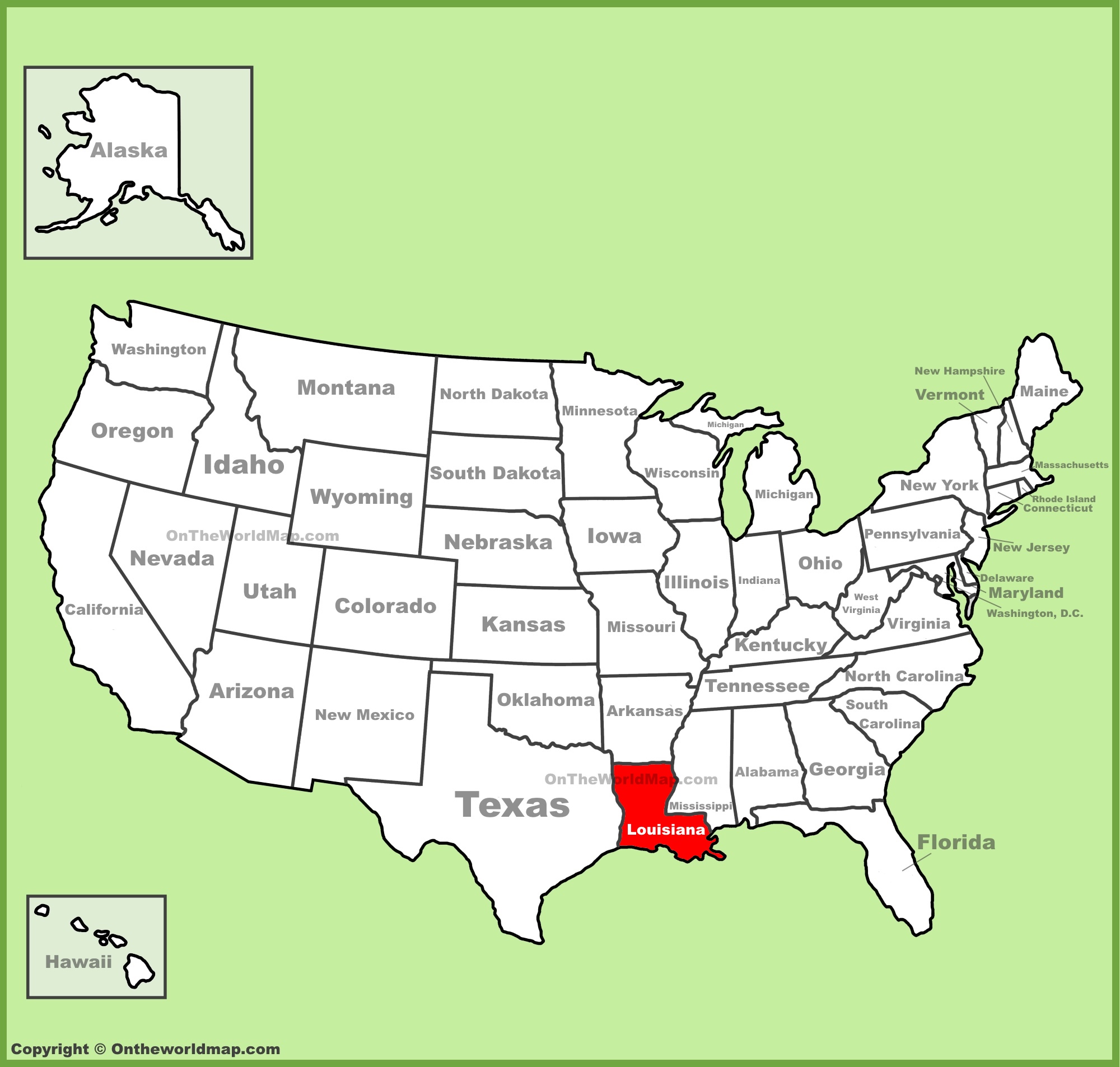
Navigating Louisiana’s Geographic Footprint
To truly grasp where Louisiana is, one must consider its neighbors and its strategic position within the American landscape. This positioning has played a significant role in its historical development, its economic drivers, and its cultural exchanges.
Bordering States and Waterways
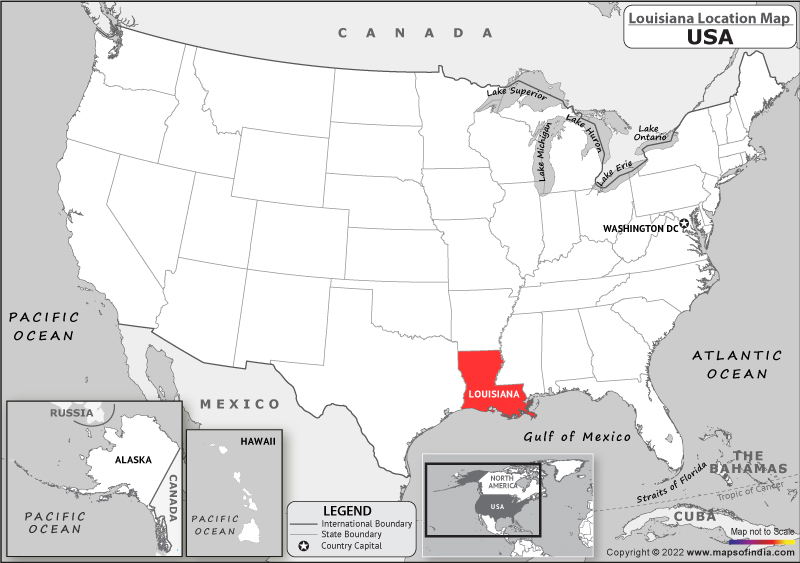
Louisiana shares its borders with several other states, each contributing in some way to the regional context. To the west lies Texas, a state known for its vastness and independent spirit. To the north, the states of Arkansas and Mississippi form its boundary, with the mighty Mississippi River serving as a significant natural border with Mississippi. To the east, Mississippi continues to define a portion of Louisiana’s eastern edge, while the Pearl River also carves through this border.
The southern edge of Louisiana is defined by the Gulf of Mexico, an area of immense ecological importance and a gateway to international trade. This coastline is not a simple, unbroken line but a complex system of bays, inlets, and marshlands, giving Louisiana a unique and extensive water frontage. The state is famously characterized by its extensive network of rivers, bayous, swamps, and marshes, making water a central element in its geography and its way of life. The Mississippi River, in particular, is a dominant feature, flowing from the north and emptying into the Gulf of Mexico through a large delta in southeastern Louisiana. This river system has historically been vital for transportation, trade, and agriculture, shaping the settlement patterns and economic activities of the state.
Relative Position within the United States
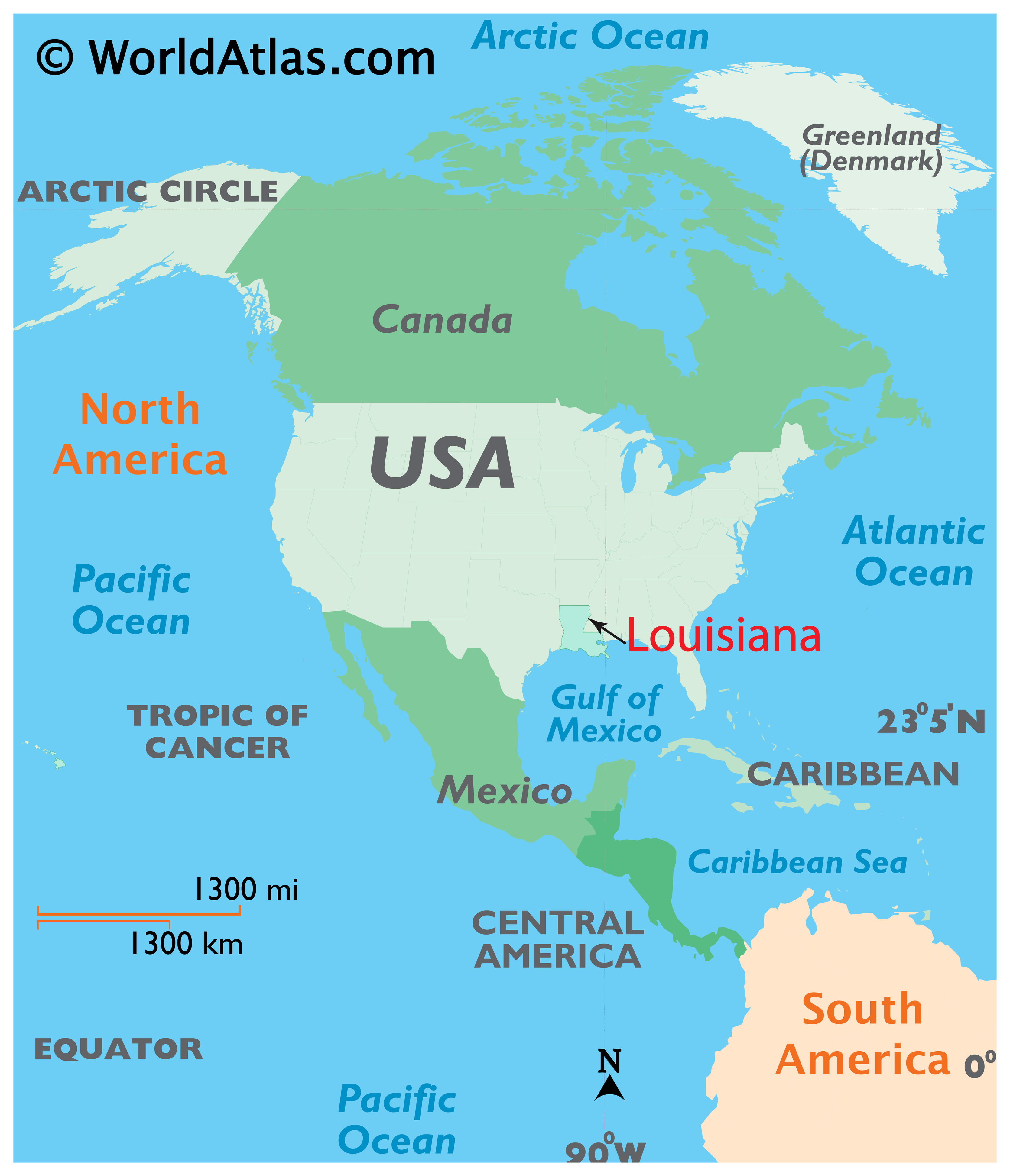
Within the broader context of the United States, Louisiana is situated in the southern part of the country, often categorized as part of the Deep South. It’s not on the East Coast or the West Coast, nor is it in the mountainous West or the vast Midwest. Instead, it occupies a transitional zone, influenced by the cultures and geography of both the South and the proximity to the Caribbean. This location has fostered a unique blend of influences, from African American heritage and French colonial past to Spanish and Native American traditions.
Its position along the Gulf of Mexico also places it in a region prone to hurricanes, a significant aspect of the state’s climate and resilience. This proximity to the warm waters of the Gulf also contributes to its humid subtropical climate, characterized by hot summers and mild winters, which in turn influences its lush vegetation and agricultural output.
Key Cities and Landmarks in Louisiana
Understanding Louisiana’s location is amplified by knowing its major urban centers and iconic landmarks. These places are not just points on a map; they are hubs of culture, history, and tourism, drawing visitors from around the globe.
The Vibrant Heart: New Orleans
Undoubtedly, the most famous city in Louisiana is New Orleans. Situated in the southeastern part of the state, on the banks of the Mississippi River and along the shores of Lake Pontchartrain, New Orleans is a global destination. Its location at the mouth of the Mississippi River made it a critical port city during colonial times and remains so today. The city’s unique history, shaped by French, Spanish, and African influences, is palpable in its architecture, music, and, of course, its world-renowned cuisine.
Key attractions in New Orleans include the historic French Quarter, with its distinctive wrought-iron balconies and vibrant street life. Jackson Square, the St. Louis Cathedral, and the lively Bourbon Street are iconic sites that encapsulate the city’s charm. New Orleans is also the birthplace of jazz music, and experiencing live music in venues like the Preservation Hall is a quintessential Louisiana experience. Beyond the city, visitors can explore the unique above-ground cemeteries, known as “Cities of the Dead,” and take steamboat rides on the Mississippi River. The city’s proximity to the bayous also allows for swamp tours, offering a glimpse into the unique ecosystems and wildlife of Louisiana.
Beyond New Orleans: Other Notable Destinations
While New Orleans often takes center stage, Louisiana is dotted with other significant cities and attractions that offer diverse experiences.
-
Baton Rouge: The state capital, Baton Rouge, is located further up the Mississippi River from New Orleans. It’s a city with a rich political history, home to the imposing Louisiana State Capitol building. Visitors can explore the Old State Capitol, a Gothic Revival architectural marvel, and learn about the state’s governmental past. The USS Kidd Veterans Museum, a World War II destroyer, offers a fascinating maritime history experience. Baton Rouge also boasts beautiful riverfront areas and a growing culinary scene, drawing inspiration from the broader Louisiana tradition.
-
Shreveport: Situated in northwestern Louisiana, Shreveport is a significant cultural and economic hub for the region. Known for its casinos and entertainment venues, it also offers cultural attractions like the R.W. Norton Art Gallery and the Louisiana State Exhibit Museum. The city’s location on the Red River provides opportunities for riverside activities and recreation.
-
Lafayette: Located in the heart of Acadiana, Lafayette is considered the cultural capital of the Cajun region. This city is the perfect place to immerse oneself in Cajun culture, music, and food. Visitors can enjoy lively Cajun dance halls, savor authentic Cajun dishes like crawfish étouffée and gumbo, and explore the unique history of the Cajun people. The Vermilionville Historic Village offers an immersive living history experience, showcasing life in the region from the late 18th century to the early 20th century.
-
Natchitoches: As the oldest permanent settlement in the Louisiana Purchase, Natchitoches is steeped in history. Its charming historic district, with its brick-paved streets and antebellum architecture, transports visitors back in time. The Natchitoches National Historic Landmark District is a national treasure, and the nearby Cane River Creole National Historical Park preserves the history and culture of the Creole plantations.
Louisiana’s Diverse Landscape and Lifestyle
The location of Louisiana has profoundly shaped its natural environment and the lifestyles of its inhabitants. From the sprawling bayous to the fertile delta, the state’s geography dictates much of its appeal.
The Enchanting Bayous and Wetlands
The iconic image of Louisiana is often intertwined with its intricate network of bayous, swamps, and wetlands. These unique ecosystems are a direct result of its low-lying elevation and its position at the mouth of the Mississippi River. The bayous are slow-moving waterways, often shrouded in Spanish moss-draped cypress trees, creating a mystical and captivating landscape.
Exploring the bayous by boat is a quintessential Louisiana experience. Visitors can take guided tours through these watery labyrinths, spotting alligators, turtles, and a variety of bird species. The Atchafalaya Basin, the largest swamp in the United States, is a prime example of this unique environment and offers unparalleled opportunities for wildlife viewing and nature photography. The lifestyle in these regions is often deeply connected to the water, with many communities relying on fishing, shrimping, and oystering for their livelihoods. This close relationship with nature fosters a deep respect for the environment and a resilient spirit.
A Melting Pot of Cultures and Cuisine
Louisiana’s location has made it a historical crossroads for various cultures, resulting in a rich and distinctive cultural heritage. The French influence from colonial times is evident in the Creole culture of New Orleans, while the Cajun culture of southern Louisiana stems from the descendants of Acadian exiles. African American culture, with its deep roots in music, dance, and spirituality, is also a fundamental pillar of the state’s identity.
This cultural fusion is most deliciously expressed through Louisiana’s world-famous cuisine. Drawing from French, Spanish, African, Native American, and Caribbean culinary traditions, Louisiana food is a celebration of bold flavors and fresh ingredients. Iconic dishes like gumbo, jambalaya, crawfish étouffée, beignets, and po’boys are celebrated not just within the state but globally. Each region of Louisiana offers its own culinary nuances, from the refined Creole dishes of New Orleans to the hearty and spicy Cajun fare of Acadiana. Food festivals, such as the New Orleans Wine & Food Experience and numerous local crawfish boils, are major attractions that draw food enthusiasts from far and wide.
Lifestyle and Travel Experiences
The diverse geography and rich culture of Louisiana translate into a wide range of lifestyle and travel experiences. Whether you seek luxury or budget-friendly adventures, family fun or romantic getaways, Louisiana has something to offer.
Luxury travelers can indulge in the opulent hotels and fine dining establishments of New Orleans, perhaps enjoying a stay at a historic luxury hotel or a charming boutique inn in the French Quarter. For those seeking a more immersive experience, a stay at a luxurious antebellum plantation home converted into a bed and breakfast offers a glimpse into the state’s past. Budget travelers will find affordable accommodations and numerous free attractions, from exploring the vibrant street art scene to enjoying free concerts and festivals. The abundance of public parks and scenic drives also makes for enjoyable and economical exploration.
Family trips can include visits to the Audubon Aquarium of the Americas and the Audubon Zoo in New Orleans, or exploring the interactive exhibits at the Louisiana State Museum. For nature-loving families, camping and exploring the state’s numerous national and state parks provide unforgettable outdoor adventures. Business travelers can find comfortable and well-equipped accommodations in cities like Baton Rouge and Shreveport, often complemented by opportunities to experience the local culture and cuisine after work hours.
Ultimately, Louisiana’s location in the US is more than just a point on a map; it’s the genesis of its unique character, a place where history, culture, and nature converge to create an unforgettable destination. From the lively streets of New Orleans to the tranquil bayous, Louisiana invites exploration and promises a journey filled with flavor, music, and an enduring spirit.
LifeOutOfTheBox is a participant in the Amazon Services LLC Associates Program, an affiliate advertising program designed to provide a means for sites to earn advertising fees by advertising and linking to Amazon.com. Amazon, the Amazon logo, AmazonSupply, and the AmazonSupply logo are trademarks of Amazon.com, Inc. or its affiliates. As an Amazon Associate we earn affiliate commissions from qualifying purchases.