
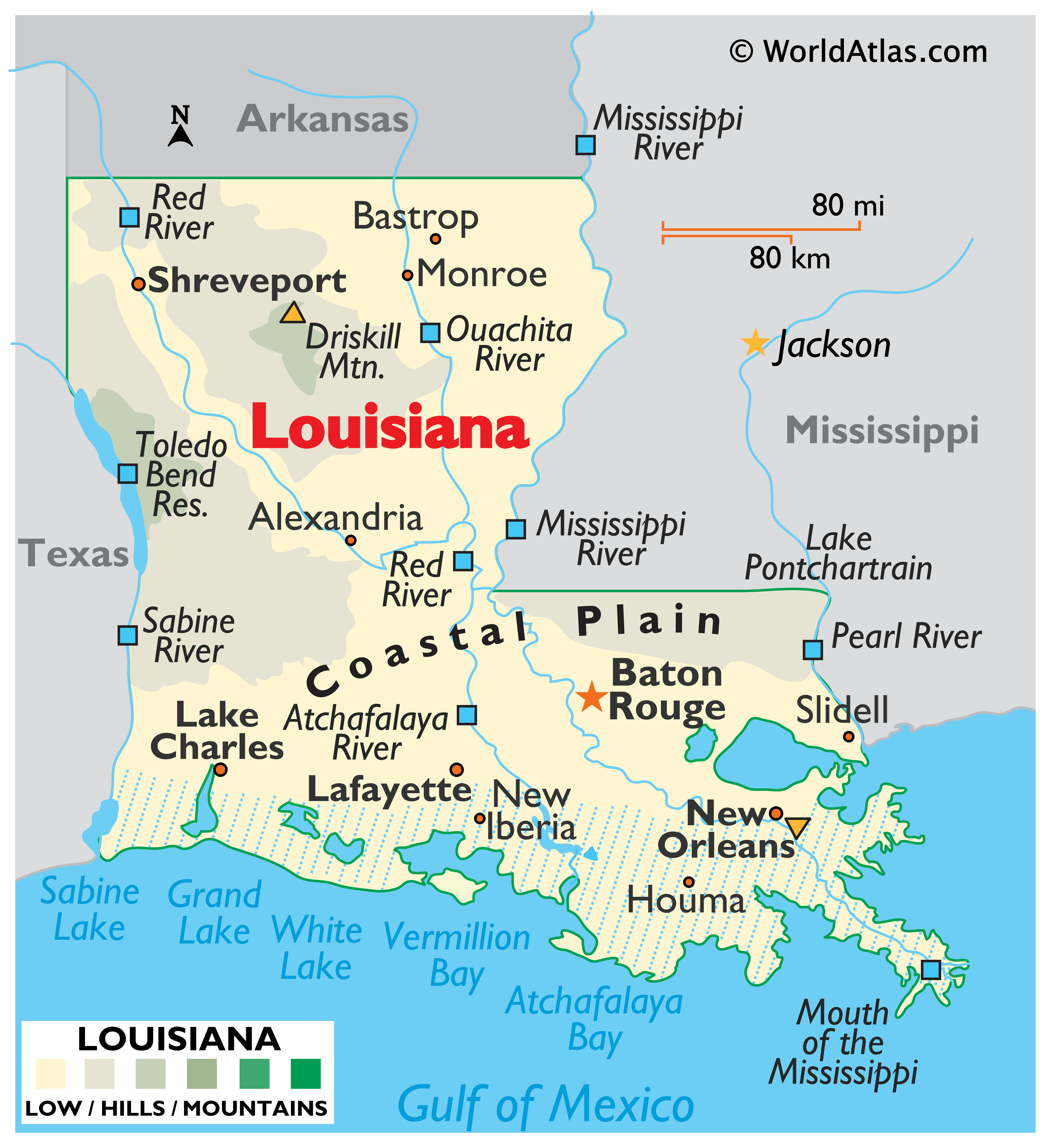
Nestled in the heart of the Southern United States, Louisiana stands as a vibrant testament to a rich tapestry of cultures, history, and unparalleled natural beauty. Often asked “Where is Louisiana State?”, travelers soon discover it’s not just a place on the map; it’s an experience, a journey into a world unlike any other in America. Bordered by Arkansas to the north, Mississippi to the east, Texas to the west, and the majestic Gulf of Mexico to the south, Louisiana is defined by its unique geography of sprawling bayous, lush swamps, and a winding portion of the mighty Mississippi River.

This state, affectionately known as the “Pelican State”, offers an intoxicating blend of French, Spanish, African, and Native American influences, all simmering together to create a distinctive Creole and Cajun identity. From the soulful sounds of jazz echoing through historic streets to the tantalizing aromas of gumbo wafting from bustling kitchens, Louisiana promises an adventure for every sense. Whether you’re seeking a luxurious escape, a family-friendly adventure, or a deep dive into local culture, this guide will navigate you through the wonders of Louisiana State, revealing its most cherished destinations, culinary delights, and essential travel tips.
The Geographical and Cultural Tapestry of Louisiana
Louisiana’s identity is inextricably linked to its distinctive geography and its fascinating cultural heritage. Situated strategically at the mouth of the Mississippi River where it empties into the Gulf of Mexico, the state has long been a crossroads for trade, migration, and cultural exchange.
Nestled in the American South
Geographically, Louisiana is characterized by its relatively low elevation and vast areas of wetlands, including marshes, swamps, and bayous. These natural landscapes are not just scenic backdrops but are integral to the state’s ecosystem and way of life, supporting a rich biodiversity and offering unique recreational opportunities like swamp tours and fishing. The extensive coastline along the Gulf of Mexico also plays a crucial role, influencing everything from the climate to the seafood-rich cuisine. The presence of the Mississippi River, one of the world’s major waterways, has shaped the state’s development, agriculture, and urban centers, serving as both a transportation artery and a source of fertile delta lands. This unique blend of water and land creates an environment unlike any other in the United States.
A Melting Pot of Cultures
The cultural landscape of Louisiana is a vibrant mosaic, predominantly shaped by its colonial past. Originally a French colony, it later came under Spanish rule before being acquired by the United States through the Louisiana Purchase in 1803. This history brought waves of European settlers, enslaved African people, and various indigenous tribes, each contributing distinct traditions, languages, and cuisines.
The most famous cultural distinctions are the Cajun and Creole cultures. Cajuns are descendants of Acadians, French colonists expelled from Canada’s Maritime provinces in the 18th century, who largely settled in the southwestern part of Louisiana, known as Acadiana. Their culture is characterized by its strong connection to French language (though distinct from metropolitan French), folk music, and hearty, rustic cuisine. Creoles, on the other hand, refer to people of mixed European, African, and sometimes Native American descent, particularly prominent in New Orleans. Creole culture is known for its sophisticated cuisine, elegant architecture, and a blend of musical styles that ultimately gave birth to jazz. This cultural richness permeates every aspect of life in Louisiana, from its music and festivals to its distinct dialects and welcoming hospitality.
Unveiling Louisiana’s Iconic Destinations and Attractions
Louisiana is dotted with iconic cities and natural wonders, each offering a unique slice of the state’s character. From the electric energy of New Orleans to the serene beauty of its plantations, there’s an adventure awaiting every type of traveler.
New Orleans: The Crescent City’s Irresistible Charm
New Orleans, often called the “Crescent City” due to its shape along the Mississippi River, is undoubtedly the crown jewel of Louisiana and a destination that truly captures the imagination. Its vibrant atmosphere is infectious, blending historical elegance with a bohemian spirit.
- French Quarter: The historic heart of New Orleans, the French Quarter is famous for its intricate wrought-iron balconies, colorful colonial buildings, and a palpable sense of history. Wander through Jackson Square, gaze at the majestic St. Louis Cathedral, and explore the charming shops and art galleries. By night, the French Quarter comes alive with music, particularly on Bourbon Street, though quieter, more authentic jazz clubs can be found on Frenchmen Street.
- Garden District: A striking contrast to the French Quarter, the Garden District showcases grand antebellum mansions nestled amidst lush gardens. A streetcar ride along St. Charles Avenue offers a scenic way to admire the stunning architecture.
- Music and Nightlife: New Orleans is the birthplace of jazz, and live music is an integral part of its identity. From street performers to legendary clubs, the city pulsates with rhythm.
- Voodoo and Mysticism: Delve into the city’s mysterious side with guided tours exploring its unique voodoo history, ancient cemeteries, and ghost stories.
- Accommodation in New Orleans: Options range from historic boutique hotels like Hotel Monteleone and The Roosevelt New Orleans, offering luxurious amenities and a glimpse into old-world glamour, to charming guesthouses and modern resorts like the Windsor Court Hotel. For a truly immersive experience, consider a stay in a classic Creole townhouse.
Baton Rouge: The Heart of the Pelican State
As the capital city of Louisiana, Baton Rouge offers a blend of historical significance, political intrigue, and vibrant local culture. Located on the eastern bank of the Mississippi River, it’s a hub for business, education, and government.
- Louisiana State Capitol Building: An architectural marvel, this Art Deco skyscraper is the tallest state capitol building in the United States. Visitors can explore its impressive interior and enjoy panoramic views of the city from its observation deck.
- Louisiana State University (LSU): The beautiful LSU campus is home to several attractions, including the LSU Rural Life Museum, which offers a glimpse into 19th-century Louisiana life, and the Indian Mounds, ancient earthworks providing insight into Native American history.
- USS Kidd Veterans Memorial and Museum: Anchored on the Mississippi River waterfront, the USS Kidd is a preserved WWII destroyer offering a fascinating look at naval history.
Lafayette and Acadiana: The Soul of Cajun Country
Venture west from Baton Rouge and you enter Acadiana, the heartland of Cajun culture. Lafayette serves as its vibrant capital, a city where the French language and Cajun traditions thrive.
- Cajun Music and Dance: Lafayette is renowned for its lively music scene, featuring traditional Cajun and Zydeco music. Head to a local “fais do-do” (dance party) to experience authentic Cajun hospitality and dance.
- Vermilionville Living History Museum: This open-air museum recreates a 18th-century Acadian, Creole, and Native American village, complete with historic homes, costumed interpreters, and traditional crafts.
- Swamp Tours: Explore the pristine beauty of the Atchafalaya Basin, America’s largest river swamp, on a guided boat tour. Spot alligators, diverse birdlife, and ancient cypress trees.
Beyond the Cities: Natural Wonders and Historic Plantations
Louisiana’s appeal extends far beyond its urban centers, inviting visitors to explore its natural beauty and poignant historical sites.
- Plantation Country: The stretch of the Mississippi River between Baton Rouge and New Orleans is lined with magnificent antebellum plantations. Oak Alley Plantation, famous for its awe-inspiring alley of 28 oak trees, and Laura Plantation, which offers a unique perspective on Creole life and the stories of enslaved people, are essential visits for understanding Louisiana’s complex history.
- State Parks and Wildlife Refuges: Louisiana boasts numerous state parks and wildlife refuges, offering opportunities for hiking, birdwatching, fishing, and kayaking. These areas provide sanctuary for diverse flora and fauna, including migratory birds and the iconic alligator.
Experiencing Louisiana: Culinary Delights and Vibrant Festivals
No trip to Louisiana is complete without indulging in its world-renowned cuisine and immersing yourself in its festive spirit. The state’s unique cultural blend truly shines through its food and celebrations.
A Gastronomic Journey Through Cajun and Creole Cuisine
Louisiana’s culinary scene is a destination in itself, a tantalizing fusion of French, Spanish, African, and Caribbean flavors. While often conflated, Cajun and Creole cuisines have distinct characteristics.
- Creole Cuisine: Predominantly associated with New Orleans, Creole cooking is often described as “city food.” It tends to be more refined, often incorporating tomatoes, rich sauces, and a wider array of spices, reflecting its diverse European and African influences. Must-try dishes include:
- Gumbo: A hearty stew, often made with seafood, chicken, or sausage, thickened with a roux and served over rice.
- Jambalaya: A flavorful rice dish, cooked with meat (often sausage, chicken, or pork) and vegetables, similar to paella.
- Shrimp Creole: Shrimp cooked in a spicy tomato-based sauce, served over rice.
- Beignets: Square pieces of fried dough, generously dusted with powdered sugar, best enjoyed with a cafe au lait at Cafe Du Monde in New Orleans.
- Cajun Cuisine: Originating in the bayous and prairies of Acadiana, Cajun food is often referred to as “country food” – rustic, robust, and often spicier. It relies heavily on local ingredients like crawfish, alligators, and the “holy trinity” of onion, celery, and bell pepper. Key dishes include:
- Étouffée: A stew made with shellfish (usually crawfish or shrimp) served over rice, with a roux-based sauce.
- Boudin: A savory sausage made from pork, rice, and spices, popular as a snack.
- Crawfish Boil: A communal feast where crawfish, corn, potatoes, and sausage are boiled together with generous seasonings.
Beyond these staples, don’t miss out on po’boys (sub-style sandwiches), muffulettas (an Italian sandwich specific to New Orleans), and fresh Gulf seafood prepared in countless delicious ways. Culinary tours are a fantastic way to sample the best of Louisiana’s food scene.
The Rhythmic Pulse of Louisiana’s Festivals
Louisiana knows how to celebrate, and its calendar is packed with festivals that showcase its diverse cultural heritage.
- Mardi Gras: The most famous of all Louisiana festivals, Mardi Gras (Fat Tuesday) is a spectacular pre-Lenten carnival renowned for its elaborate parades, vibrant costumes, music, and general revelry. While New Orleans hosts the largest celebrations, cities like Baton Rouge and Lafayette also have their own family-friendly versions.
- New Orleans Jazz & Heritage Festival: Held annually, “Jazz Fest” is a celebration of Louisiana’s music and culture, featuring local and international artists across various genres, alongside incredible food and craft vendors.
- Festival International de Louisiane: Located in Lafayette, this free, annual festival celebrates the French-speaking cultures of the world, offering music, arts, and food from across the globe.
- Swamp Pop, Blues, and Zydeco Festivals: Throughout the year, numerous smaller festivals celebrate specific musical genres, local harvests (like the Strawberry Festival or Oyster Festival), and regional traditions, offering intimate glimpses into Louisiana life.
Planning Your Louisiana Adventure: Accommodation and Travel Tips
Embarking on a journey to Louisiana requires a bit of planning to ensure you make the most of its diverse offerings. From choosing the perfect place to stay to understanding the best time to visit, these tips will help you craft an unforgettable experience.
Where to Stay: From Historic Hotels to Cozy Guesthouses
Louisiana offers a wide array of accommodation options to suit every preference and budget, ensuring your stay is as comfortable and authentic as possible.
- Luxury and Historic Hotels: In cities like New Orleans, you can find world-class luxury hotels and resorts that blend historic grandeur with modern amenities. Properties such as the Hotel Monteleone in the French Quarter or The Roosevelt New Orleans, a Waldorf Astoria property, offer opulent rooms, fine dining, and often a rich history of their own. The Windsor Court Hotel provides a sophisticated and elegant retreat with exceptional service.
- Boutique Hotels and Guesthouses: For a more intimate experience, charming boutique hotels and bed & breakfasts are plentiful, especially in historic districts. These often feature unique decor, personalized service, and a chance to experience local hospitality up close. Many offer amenities such as complimentary breakfasts and happy hours.
- Vacation Rentals and Apartments: For families or longer stays, consider booking a vacation rental or apartment through platforms like Airbnb or VRBO. This can provide more space, a kitchen for self-catering, and a sense of living like a local. Options range from historic Creole cottages to modern downtown lofts.
- Resorts and Spas: Beyond the cities, you might find resorts offering a tranquil escape, perhaps with golf courses, spas, or easy access to outdoor activities. These are ideal for those looking to unwind and enjoy the natural surroundings.
- Budget-Friendly Options: Hostels, motels, and chain hotels are available in and around major cities, providing economical choices for travelers on a tighter budget. Always check reviews to ensure quality and location meet your expectations.
When booking, consider the neighborhood. In New Orleans, the French Quarter is central but can be noisy, while the Garden District or Marigny offer quieter, yet still vibrant, atmospheres.
Navigating the State: Essential Travel Advice
To make your Louisiana journey seamless, keep these practical tips in mind:
- Best Time to Visit: The shoulder seasons (fall and spring) generally offer the most pleasant weather, with moderate temperatures and lower humidity. This is also when many major festivals occur. Summers can be hot and humid, with a higher chance of thunderstorms and hurricanes, while winters are mild but can be chilly, especially along the Gulf Coast.
- Transportation:
- In Cities: In New Orleans, the streetcar system is an iconic and efficient way to explore historic districts. Walking is also highly recommended, especially in the French Quarter. Ride-sharing services and taxis are readily available.
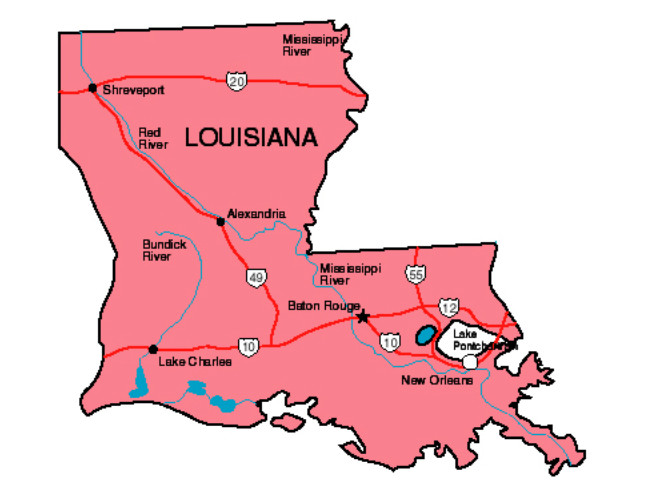
- Between Cities: A rental car is advisable if you plan to explore beyond New Orleans and visit destinations like Baton Rouge, Lafayette, or the plantations. Louisiana’s highway system is well-maintained.
- What to Pack: Lightweight, breathable clothing is essential for most of the year. Comfortable walking shoes are a must for exploring cobblestone streets and historic sites. Don’t forget bug spray, especially if venturing into swampy areas, and an umbrella for sudden showers.
- Local Etiquette: Louisiana is known for its hospitality. Locals appreciate politeness and respect for their unique cultural traditions. Engage with musicians, try local food, and be open to new experiences. Tipping practices are similar to the rest of the United States.
- Safety: Like any major travel destination, it’s wise to be aware of your surroundings, especially at night. Stick to well-lit, populated areas and safeguard your valuables.
In conclusion, Louisiana State is more than just a location; it’s an immersive cultural phenomenon waiting to be discovered. From its unique geographical features to its rich tapestry of Creole and Cajun traditions, the “Pelican State” offers an unforgettable journey. Whether you’re dancing to Zydeco in Lafayette, savoring gumbo in New Orleans, or exploring historic plantations along the Mississippi River, Louisiana promises an adventure filled with vibrant sights, sounds, and flavors. So pack your bags and prepare to experience the magic of Louisiana – a place where every corner tells a story and every meal is a celebration.
LifeOutOfTheBox is a participant in the Amazon Services LLC Associates Program, an affiliate advertising program designed to provide a means for sites to earn advertising fees by advertising and linking to Amazon.com. Amazon, the Amazon logo, AmazonSupply, and the AmazonSupply logo are trademarks of Amazon.com, Inc. or its affiliates. As an Amazon Associate we earn affiliate commissions from qualifying purchases.