
The question “Where is Mammoth Lake in California?” is a common one, often stemming from a slight misunderstanding that ultimately points to one of the Golden State’s most spectacular and beloved destinations. While there isn’t a single, prominent body of water officially designated solely as “Mammoth Lake,” the query almost certainly refers to the vibrant town and the breathtaking alpine region known as Mammoth Lakes. This area, nestled high in the majestic Eastern Sierra Nevada mountains, is a haven of natural beauty, adventure, and year-round recreation, famed for its numerous pristine lakes, towering peaks, and unparalleled outdoor experiences.

Mammoth Lakes, the town, serves as the primary gateway to a vast wilderness of forests, volcanic landscapes, and, yes, dozens of sparkling lakes. It’s a place where the air is crisp, the views are expansive, and the opportunities for exploration are endless, catering to every type of traveler from luxury seekers to budget-conscious adventurers, families, and solo explorers alike. This article will guide you through the precise location of this stunning destination, unravel the diverse experiences it offers, and provide essential insights for planning an unforgettable trip to the heart of California’s high country.
Unveiling the Location: A Jewel in the Eastern Sierra
To truly appreciate the allure of the Mammoth Lakes region, understanding its unique geographical placement is key. It’s not merely a dot on a map but a landscape forged by ancient glaciers and volcanic activity, offering a dramatic backdrop for countless adventures.
Geographic Coordinates and Accessibility
The town of Mammoth Lakes is situated in Mono County, on the eastern slopes of the formidable Sierra Nevada mountain range in east-central California. Its strategic location makes it easily accessible, yet it feels wonderfully remote and wild.
The primary artery connecting Mammoth Lakes to the rest of California and beyond is US Route 395. This iconic highway, often referred to as the “backbone of the Eastern Sierra,” offers one of the most scenic drives in the United States, winding through vast deserts, past historic towns, and alongside towering mountain ranges.
-
Driving from Major Cities:
- From Los Angeles: Approximately 5-6 hours, a straightforward drive north on US-395.
- From San Francisco / Bay Area: Roughly 6-7 hours. The most direct route during summer involves taking Highway 120 over the majestic Tioga Pass through Yosemite National Park (seasonal closure from roughly November to late May/early June). In winter, alternative routes add significant travel time.
- From Reno, Nevada: A shorter drive of about 3 hours south on US-395.
-
Air Travel: For those preferring to fly, the Mammoth Yosemite Airport (MMH) offers convenient, direct flights from several major California cities during peak seasons, making it surprisingly accessible for a mountain destination. This option is particularly popular for those seeking a luxurious and swift arrival, allowing more time to enjoy the destination’s amenities.
A Landscape Forged by Nature
The Mammoth Lakes area is a geological marvel. It sits at the southwestern rim of the Long Valley Caldera, one of the largest calderas in the world, formed by a supervolcanic eruption hundreds of thousands of years ago. This volcanic past is evident in the area’s geothermal features, such as natural hot springs and unique rock formations, offering a glimpse into the Earth’s raw power.
Dominating the skyline is Mammoth Mountain itself, a massive lava dome that has become synonymous with world-class skiing and snowboarding. Surrounding peaks, part of the Sierra Crest, soar to over 11,000 feet, creating a dramatic high-altitude environment.
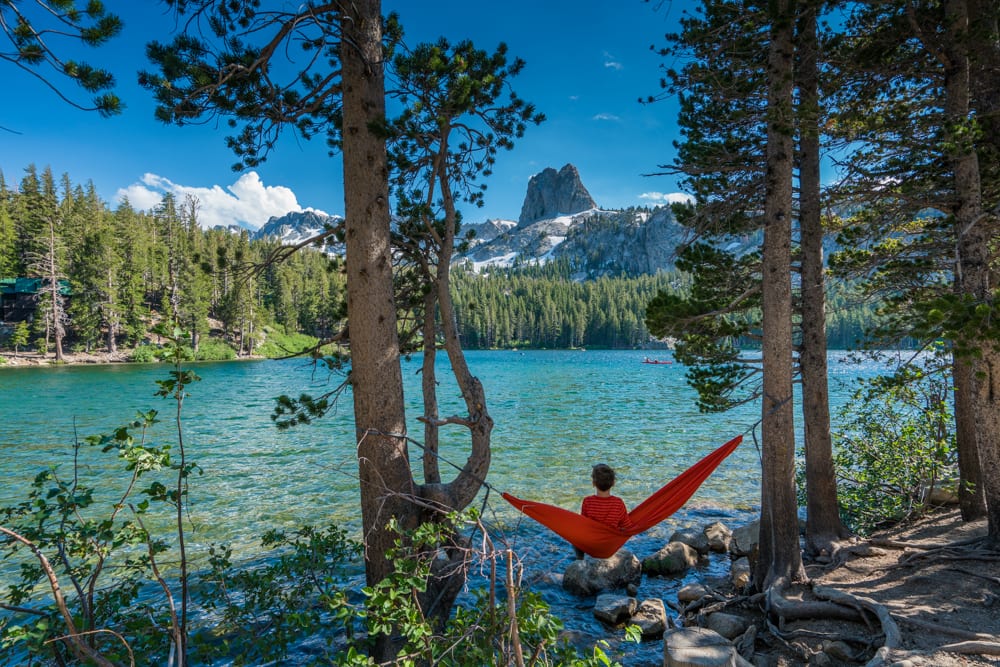
And of course, the lakes! The “lakes” in Mammoth Lakes refer to the numerous glacial lakes that dot the landscape. The most famous concentration is found in the picturesque Mammoth Lakes Basin, a stunning collection of easily accessible bodies of water. Here, you’ll find:
- Lake Mary: One of the largest and most popular, offering boating, fishing, and camping.
- Lake George: Known for its tranquil beauty and excellent fishing.
- Twin Lakes: A striking pair of lakes separated by a picturesque waterfall.
- Lake Mamie: A smaller, serene lake perfect for quiet reflection or paddleboarding.
These, along with countless other smaller tarns and reservoirs, truly embody the spirit of “Mammoth Lake” – not as a single entity, but as a collective tapestry of pristine waters reflecting the majestic mountains.
A Year-Round Playground: Activities and Experiences
What makes Mammoth Lakes such a sought-after destination is its ability to transform with the seasons, offering a completely different, yet equally thrilling, array of activities throughout the year. Whether you’re an adrenaline junkie or seeking serene natural beauty, there’s an experience waiting.
Winter Wonderland: Skiing, Snowboarding, and More
When the snow blankets the Sierra peaks, Mammoth Lakes transforms into a premier winter sports paradise.
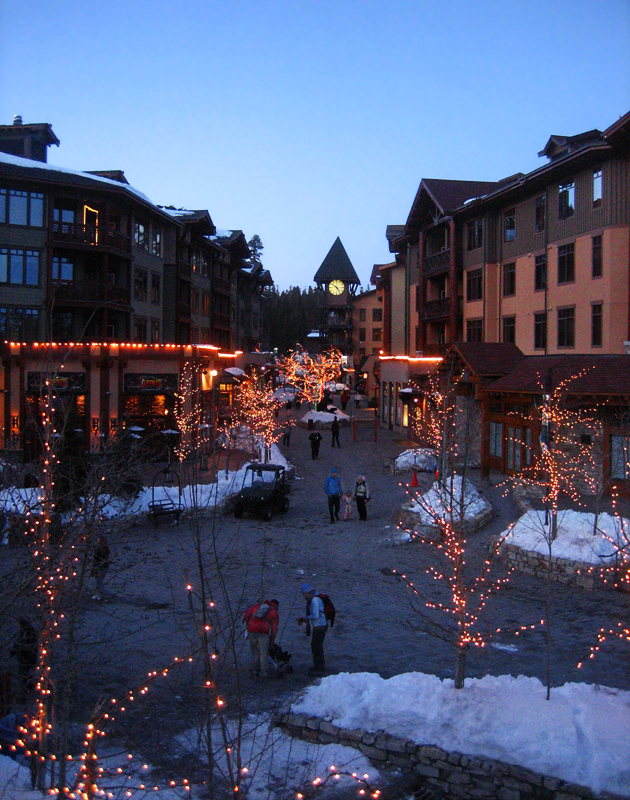
- Mammoth Mountain Ski Area: This is the crown jewel of winter recreation. With over 3,500 acres of skiable terrain, an average of 400 inches of snowfall annually, and a summit elevation of 11,053 feet, Mammoth Mountain offers world-class skiing and snowboarding for all skill levels. From gentle beginner slopes to challenging black diamond runs and expansive terrain parks, it’s a dream destination for powder hounds. The resort also boasts modern lifts, excellent snowmaking capabilities, and a vibrant base village atmosphere.
- Beyond Downhill: Winter fun extends far beyond the ski slopes. The region offers extensive trails for cross-country skiing and snowshoeing, allowing visitors to explore the peaceful, snow-laden forests. Snowmobiling tours provide an exhilarating way to cover vast distances and witness stunning backcountry vistas. For families, tubing and sledding hills offer joyous, easy-going entertainment. The town itself often hosts winter festivals and events, adding to the festive atmosphere, making it a perfect spot for family trips.
Summer Adventures: Hiking, Fishing, and Water Sports
As the snow melts and wildflowers burst forth, Mammoth Lakes reveals its lush summer persona, inviting visitors to explore its extensive network of trails and sparkling waters.
- Hiking Paradise: The options for hiking are limitless, ranging from easy, paved strolls around the Mammoth Lakes Basin to strenuous multi-day treks into the wilderness. Popular trails lead to scenic viewpoints, secluded alpine lakes, and impressive waterfalls. The nearby Pacific Crest Trail also offers sections accessible for day hikes, appealing to serious trekkers and those looking for a taste of long-distance hiking.
- Angler’s Dream: The numerous lakes and streams are renowned for their excellent trout fishing. Anglers can try their luck from shore, rent a boat, or hire a guide for a fly-fishing excursion. Whether you’re a seasoned pro or a beginner, the pristine waters offer a rewarding experience.
- Water Sports: The alpine lakes are perfect for a variety of water activities. Kayaking, paddleboarding, and canoeing offer peaceful ways to glide across the water and soak in the scenery. Motorized boating is also popular on larger lakes like Lake Mary.
- Mountain Biking: Mammoth Mountain transforms its ski slopes into the Mammoth Mountain Bike Park in summer, offering lift-served downhill biking trails for all levels, from beginners to expert riders seeking challenging descents. The surrounding forest also features miles of cross-country trails for an equally exhilarating ride.
- Camping: With numerous campgrounds managed by the National Forest Service and private operators, camping is a quintessential Mammoth Lakes experience, offering direct immersion in nature, from rustic sites to more amenity-rich RV parks.
Shoulder Seasons: Autumn Colors and Spring Blooms
The transitional seasons in Mammoth Lakes offer unique charms, often with fewer crowds and distinct natural beauty.
- Autumn Gold: Fall transforms the landscape into a painter’s palette of vibrant colors, particularly from late September to mid-October. The aspen trees ignite in brilliant shades of gold, orange, and red, creating breathtaking vistas perfect for photography, scenic drives, and quiet hikes. This is an ideal time for a serene escape, combining mild weather with stunning visual appeal.
- Spring Awakening: As winter gives way to spring, the valley awakens with melting snow feeding roaring streams and a carpet of wildflowers. While some higher elevation trails may still be snow-covered, lower areas become accessible, offering a chance to witness nature’s rebirth. Spring also offers a unique opportunity for “spring skiing” at Mammoth Mountain, often extending into May or even June, allowing visitors to ski in the morning and hike or bike in the afternoon.
Planning Your Stay: Accommodation, Dining, and Local Charm
A trip to Mammoth Lakes is more than just outdoor activities; it’s about the entire experience, from where you rest your head to what you eat and how you engage with the local community. The town offers a diverse range of options to suit every preference and budget.
Diverse Accommodation Options
Mammoth Lakes prides itself on offering a wide array of lodging, ensuring that every traveler finds their perfect home away from home, whether for a quick getaway or a long-term stay.
- Hotels and Resorts: For those seeking luxury travel and full-service amenities, resorts like The Village Lodge or Juniper Springs Resort offer suites, pools, spas, and convenient access to the slopes or village. Many feature apartment-style units with kitchens, ideal for families or longer stays. Boutique hotels provide a more intimate experience, while traditional motels offer comfortable and budget-friendly options. Websites like lifeoutofthebox.com are excellent resources for comparing hotel reviews, checking availability, and booking the best deals.
- Condos and Apartments: A popular choice, especially for families, groups, or extended visits, these accommodations provide more space, privacy, and often fully equipped kitchens, allowing for self-catering and budget control. Many can be found throughout the town, from the bustling village area to quieter neighborhoods.
- Cabins: For a rustic yet comfortable experience, particularly those wanting to be closer to the Mammoth Lakes Basin, charming cabins are available, offering a cozy retreat after a day of adventure.
- Camping: As mentioned, numerous campgrounds cater to tent campers and RVs, providing an immersive nature experience. Reservations are highly recommended, especially during peak summer months.
Regardless of your choice, booking in advance is strongly advised, particularly during ski season, summer holidays, and fall color weekends, as popular accommodations fill up quickly.
Culinary Delights and Local Culture
The town of Mammoth Lakes boasts a surprisingly sophisticated dining scene for a mountain town, alongside casual eateries and vibrant local culture.
- Dining: From upscale restaurants offering fine dining experiences with exquisite wines to casual cafes, pizzerias, and burger joints, there’s something to satisfy every palate. Don’t miss local favorites like the Mammoth Brewing Company for craft beers and gastropub fare, or various establishments serving hearty mountain breakfasts to fuel your day.
- Local Culture: Mammoth Lakes has a lively community spirit. Throughout the year, visitors can enjoy local events, including live music, art shows, farmers’ markets showcasing local produce, and various festivals. The village area is a hub of activity, with shops selling outdoor gear, local crafts, and souvenirs. For relaxation, several spas offer wellness treatments, perfect for unwinding after a day on the slopes or trails.
Essential Travel Tips for a Memorable Visit
To ensure a smooth and enjoyable trip, a few practical considerations are essential when visiting Mammoth Lakes.
- High Altitude Awareness: The town sits at an elevation of around 7,900 feet (2,400 meters), with higher points reaching over 11,000 feet. Give your body time to acclimatize, stay hydrated, and avoid strenuous activity on your first day.
- Pack Layers: Mountain weather can be unpredictable and change rapidly, even in summer. Pack layers of clothing suitable for both warm sun and cool evenings, and always be prepared for rain or snow, regardless of the season.
- Wildlife Safety: The Eastern Sierra is home to diverse wildlife, including black bears. Always store food properly, dispose of trash in bear-proof containers, and never approach wild animals.
- Permits and Regulations: Some backcountry hiking or wilderness areas may require permits, especially for overnight stays. Check with the local Forest Service or Ranger Station before embarking on extensive treks.
- Leave No Trace: Practice Leave No Trace principles to preserve the natural beauty of this pristine environment for future generations. Pack out everything you pack in, stay on marked trails, and minimize your impact.
Beyond Mammoth Lakes: Nearby Attractions and Day Trips
The allure of Mammoth Lakes is magnified by its proximity to a wealth of other natural wonders and historic sites, making it an ideal base for exploring more of the Eastern Sierra.
Gateway to Iconic National Parks
Mammoth Lakes serves as a strategic hub for visiting some of America’s most famous national parks.
- Yosemite National Park: During the summer and fall, when Tioga Pass (Highway 120) is open, Mammoth Lakes is just a short, incredibly scenic drive from Yosemite’s eastern entrance. This offers a unique opportunity to experience the high country of Yosemite and then explore the iconic Yosemite Valley.
- Death Valley National Park: In stark contrast to the alpine environment, Death Valley National Park, one of the hottest places on Earth, is also accessible for a day trip (though often best visited during cooler months). This provides an incredible opportunity to witness the dramatic diversity of California’s landscapes within a relatively short distance.
Natural Wonders and Historic Sites
The region around Mammoth Lakes is dotted with geological marvels and remnants of the past.
- Mono Lake: A short drive north on US-395 leads to Mono Lake, an ancient saltwater lake famous for its unique tufa towers (limestone formations) and a critical ecosystem for migratory birds. It’s a visually striking and ecologically significant landmark.
- Bodie State Historic Park: Further north, this remarkably preserved ghost town offers a fascinating glimpse into the Wild West era. Once a bustling gold mining town, Bodie is now frozen in time, with original buildings and artifacts, providing a truly immersive historical experience.
- June Lake Loop: Known as “The Switzerland of California,” this scenic 16-mile loop (easily accessible from US-395) winds past four stunning lakes (June Lake, Gull Lake, Silver Lake, and Grant Lake), offering breathtaking views, excellent fishing, and charming lakeside resorts.
- Hot Creek Geological Site: Witness the raw power of the earth’s geothermal activity up close. Hot Creek is an area where hot springs bubble up into a cold stream, creating dramatic steam vents and beautiful, albeit dangerous, hot pools. Caution is advised, as the water temperature can be unpredictable.
- Devils Postpile National Monument and Rainbow Falls: Accessed via a seasonal shuttle bus from Mammoth Lakes, these natural wonders are a must-see. Devils Postpile features rare columnar basalt formations, while Rainbow Falls is a spectacular waterfall that often displays a vibrant rainbow in its mist on sunny days.
In conclusion, while there may not be a single entity known as “Mammoth Lake” on the map, the spirit of that search leads directly to the unparalleled beauty and adventure of the Mammoth Lakes region in California’s magnificent Eastern Sierra. This area, with its diverse landscapes, year-round activities, welcoming accommodations, and proximity to other iconic destinations, truly offers a lifetime of experiences for every type of traveler. Whether you’re planning a luxurious resort stay, a budget-friendly camping trip, a family adventure, or a solo exploration, Mammoth Lakes awaits with open arms and endless possibilities.
LifeOutOfTheBox is a participant in the Amazon Services LLC Associates Program, an affiliate advertising program designed to provide a means for sites to earn advertising fees by advertising and linking to Amazon.com. Amazon, the Amazon logo, AmazonSupply, and the AmazonSupply logo are trademarks of Amazon.com, Inc. or its affiliates. As an Amazon Associate we earn affiliate commissions from qualifying purchases.