
For those traversing the scenic landscape of New England, navigating the geography of New Hampshire is an essential part of the journey. If you have ever found yourself scanning a map of the northeastern United States wondering where Manchester sits within the regional mosaic, you are not alone. As the largest city in the state, this urban hub acts as a pivotal gateway to both the rugged mountains of the north and the historic coastal regions of the south.
Understanding the location of this city is key to unlocking the diverse experiences that the Granite State offers. Whether you are planning a weekend getaway, a business trip, or a cross-country excursion, knowing how Manchester connects to the broader topography of New England will help you streamline your itinerary and make the most of your time in this historic region.
Geographical Positioning and Regional Connectivity
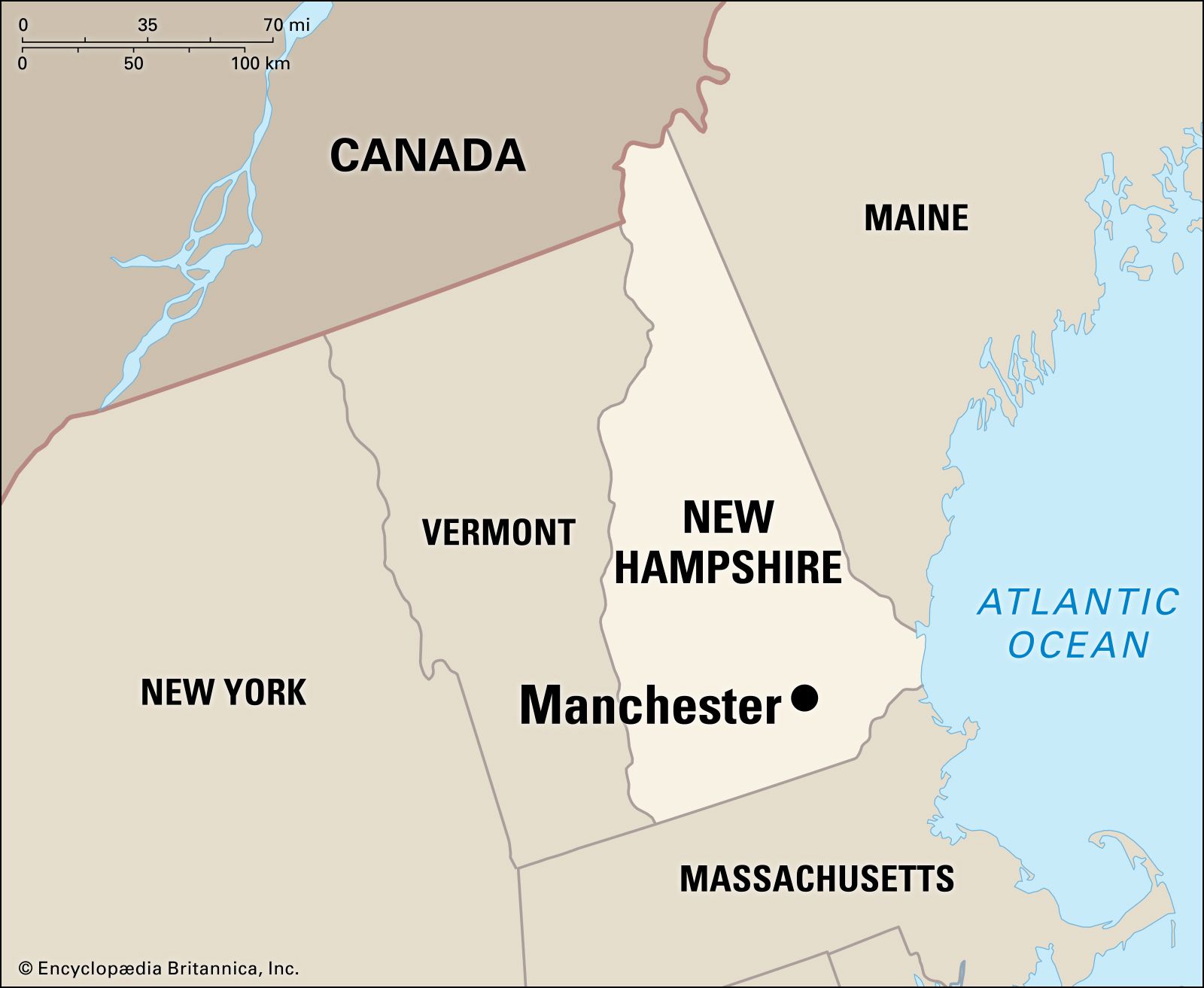
Manchester is strategically situated in the southeastern portion of New Hampshire. It rests along the banks of the mighty Merrimack River, which has played a central role in the city’s industrial development and current economic landscape.
Proximity to Major Metropolitan Hubs
One of the primary reasons travelers gravitate toward this city is its accessibility. Located roughly 50 miles north of Boston, Massachusetts, Manchester is often considered an extension of the greater New England urban corridor. This proximity allows visitors to experience the fast-paced culture of a major coastal city before retreating to the slightly more relaxed, yet vibrant, atmosphere of Manchester.
Access via Infrastructure
The city is effectively served by Manchester-Boston Regional Airport, which acts as a primary entry point for international and domestic travelers. Furthermore, Interstate 93 provides a direct artery connecting the city to the White Mountains to the north and the bustling suburbs of New England to the south. This central placement ensures that whether you are flying in or driving through, you are rarely more than a few hours away from the region’s most famous landmarks.
The Role of the Merrimack River in Defining the City
The Merrimack River is more than just a body of water; it is the lifeblood of Manchester. Historically, the river provided the hydro-power necessary to run the massive textile mills that once defined the city’s identity. Today, it serves as a focal point for recreation and urban revitalization.
Urban Renewal and Historic Preservation
Walking through the Millyard District, one can see how the city has successfully repurposed its historic infrastructure. The red-brick mills, which sit prominently along the riverbanks, now house high-tech offices, educational institutions, and cultural centers. This integration of 19th-century architecture with 21st-century innovation creates a unique aesthetic that differentiates Manchester from other mid-sized cities in New England.
Waterfront Recreational Opportunities
For those who enjoy the outdoors, the Merrimack River offers a variety of activities. From kayaking and canoeing in the warmer months to walking paths that allow residents and visitors to jog or cycle along the river’s edge, the waterfront is a vital piece of the city’s identity. It connects the natural beauty of New Hampshire with the urban landscape, proving that one does not need to choose between nature and city life when visiting this location.
A Gateway to Northern Adventures

For many travelers, Manchester is the final stop for supplies and urban amenities before heading deep into the wilderness. Its location makes it the perfect “base camp” for those looking to explore the natural wonders of the north.
The White Mountains Experience
As you head north from Manchester, the landscape shifts from rolling hills to dramatic peaks. The White Mountains are a world-renowned destination for hikers, skiers, and nature photographers. By situating yourself in Manchester, you have the advantage of being close to the White Mountain National Forest while still maintaining access to quality dining, arts, and shopping.
Seasonal Shifts and Tourism
The geographical location of Manchester means it experiences the full intensity of all four seasons. In the autumn, the city is surrounded by the vibrant fall foliage that makes New England famous worldwide. In the winter, it serves as an accessible point for those looking to reach premier ski resorts throughout New Hampshire. Being positioned in the southern part of the state provides a buffer against the most extreme alpine weather while still keeping the snow-capped mountains within a short driving distance.
Cultural Highlights and Local Attractions
While many people view Manchester as a transit hub, those who stay to explore will find a city rich in culture and history.
Museums and Artistry
A visit to the Currier Museum of Art is a must for any culture seeker. This institution features an impressive collection of European and American paintings, sculptures, and decorative arts. The building itself, located near the heart of the city, serves as a testament to the city’s commitment to arts education and public engagement.
Sports and Entertainment
The SNHU Arena stands as a major entertainment venue in the city, hosting everything from professional hockey games to large-scale musical performances. Its presence underscores Manchester as a destination that punches above its weight in terms of hosting regional events, drawing people from all over New Hampshire and beyond.
Planning Your Visit: Practical Considerations
When determining where to stay and how to move through the city, keep in mind that Manchester is designed for convenience. Unlike larger, more congested cities in Massachusetts, the layout of Manchester is relatively easy to navigate, with a grid system centered around the main thoroughfare of Elm Street.
Exploring Downtown
Elm Street is the vibrant heart of the city. It is lined with restaurants, boutiques, and historic buildings that offer a glimpse into the local way of life. Whether you are looking for fine dining or a quick coffee, this street provides a concentrated experience of the city’s modern culture.

Proximity to Coastal Destinations
Finally, remember that Manchester is not far from the Atlantic coast. A drive of less than an hour to the east brings you to the historic Seacoast Region, including the charming city of Portsmouth. By choosing Manchester as your hub, you are effectively positioning yourself within striking distance of the best that the state has to offer—from the high peaks of the north to the historic shores of the east.
In conclusion, Manchester is more than just a point on a map. It is the connective tissue of New Hampshire, bridging the gap between historical industry, modern culture, and the wild beauty of New England. Understanding where it sits is the first step toward appreciating the unique logistical and cultural benefits of this dynamic city.
LifeOutOfTheBox is a participant in the Amazon Services LLC Associates Program, an affiliate advertising program designed to provide a means for sites to earn advertising fees by advertising and linking to Amazon.com. Amazon, the Amazon logo, AmazonSupply, and the AmazonSupply logo are trademarks of Amazon.com, Inc. or its affiliates. As an Amazon Associate we earn affiliate commissions from qualifying purchases.