
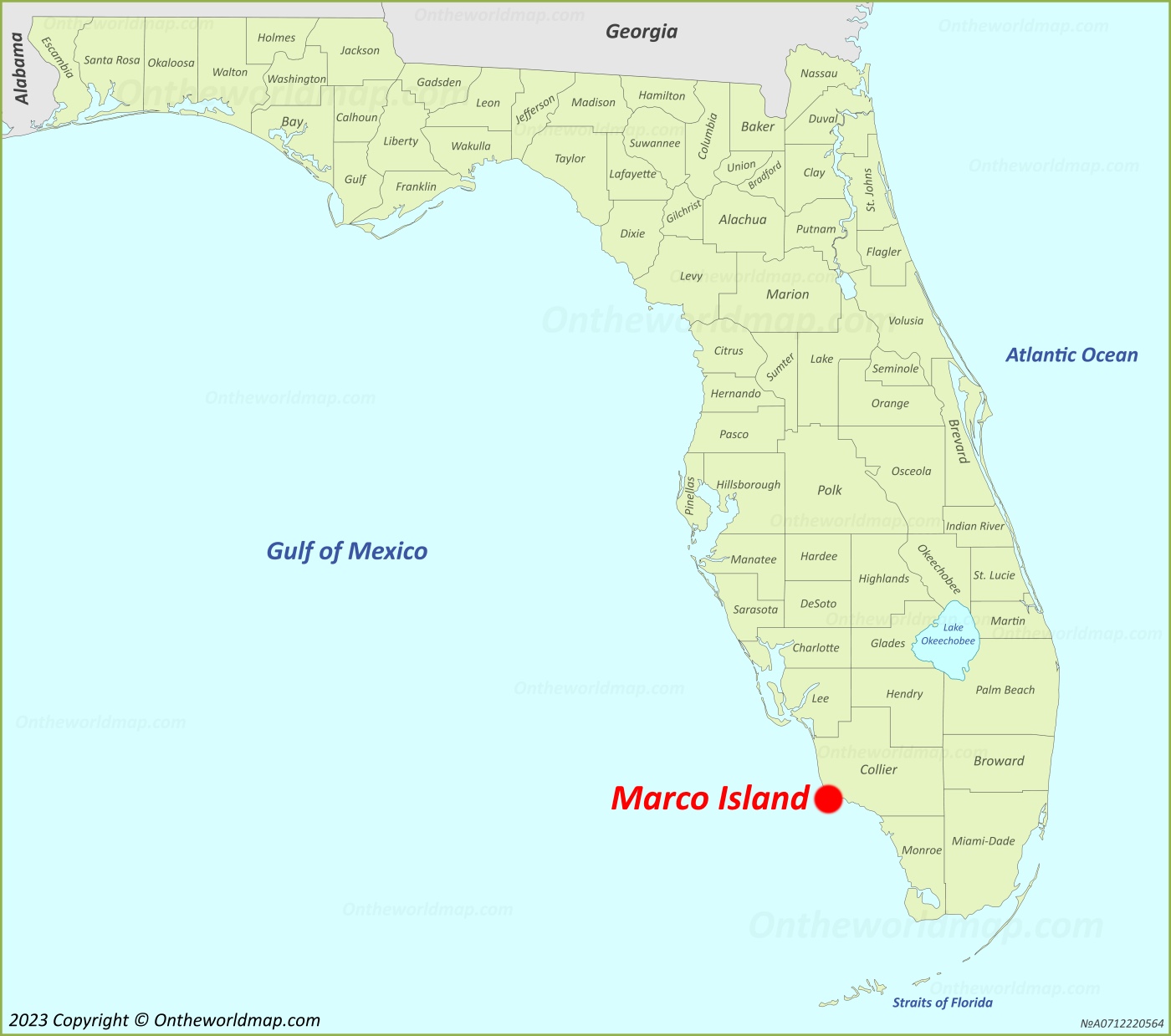
Nestled along the sun-drenched southwestern coast of Florida, Marco Island stands as the largest and only developed landmass within the Ten Thousand Islands archipelago. Geographically, it is situated in Collier County, south of the city of Naples and perched right on the edge of the Gulf of Mexico. This tropical destination serves as the anchor of the “Paradise Coast,” a region of the United States renowned for its white-sand beaches, turquoise waters, and sophisticated yet relaxed atmosphere. Understanding the precise location of this island is the first step in planning an unforgettable travel experience to one of the most unique coastal environments in North America.

Geographic Positioning and Coastal Charm
The physical location of Marco Island is a study in natural beauty and strategic isolation. It is positioned at the northernmost point of the Ten Thousand Islands, a vast labyrinth of mangrove forests and small keys that stretch southward toward the Everglades National Park. Unlike the high-density urban corridors found on the eastern coast of Florida, the area surrounding this island is characterized by expansive wilderness and protected aquatic preserves.
The Layout of the Island
The island itself spans approximately 24 square miles, featuring a distinctive shape that resembles a crescent moon. Its western edge is defined by four miles of continuous, pristine beach that faces the Gulf of Mexico. To the east and south, the island is buffered by a complex system of canals, bays, and the winding waterways of the Rookery Bay National Estuarine Research Reserve. This unique placement allows travelers to experience two distinct worlds: the wide-open horizon of the ocean and the intimate, wildlife-rich environment of the mangrove estuaries.
Proximity to Regional Hubs
While Marco Island feels like a secluded retreat, it remains highly accessible. It is located roughly 18 miles south of Naples, making it a popular choice for those who want to combine high-end shopping and dining with a quieter island lifestyle. To the north, the city of Fort Myers is about an hour’s drive away, while the bustling metropolis of Miami lies roughly 100 miles to the east, accessible via a scenic drive across the famous Tamiami Trail.
How to Reach Marco Island: Gateways and Routes
Traveling to Marco Island involves traversing some of the most beautiful landscapes in the southern United States. Because it is an island, access is limited to two bridges, which helps maintain its exclusive and serene atmosphere.
Arrival by Air
For most international and domestic travelers, the primary gateway is the Southwest Florida International Airport, located in Fort Myers. From the airport, it is a straightforward 45-to-60-minute drive south along Interstate 75. Alternatively, those traveling from the east coast may fly into Miami International Airport or Fort Lauderdale-Hollywood International Airport. The drive from the Atlantic coast takes approximately two hours, cutting through the heart of the Big Cypress National Preserve, offering a glimpse of the state’s rugged interior.
The Bridges to Paradise
Accessing the island by car is a memorable experience. The most common route is via the Judge S.S. Jolley Bridge on the north side, which connects the island to the mainland. As you crest the bridge, the panoramic views of the bay and the towering resorts, such as the JW Marriott Marco Island Beach Resort, provide an immediate sense of arrival. The second access point is the S. Collier Boulevard bridge on the southeast side, which leads toward the quaint fishing village of Goodland, offering a more rustic entry point to the island.
Boating and Maritime Access
Given its location, Marco Island is a premier destination for the maritime community. It features several deep-water marinas and is a key stop for boaters traveling the Intracoastal Waterway. To the north, the Isles of Capri provide additional docking options and waterfront dining, further emphasizing the island’s connection to the sea.
Exploring the Natural Landscapes and Key Attractions
The location of Marco Island at the transition point between the Gulf of Mexico and the Everglades National Park makes it a haven for nature lovers and outdoor enthusiasts. The geography dictates the activities, focusing heavily on beach exploration and water-based excursions.
The Pristine Beaches
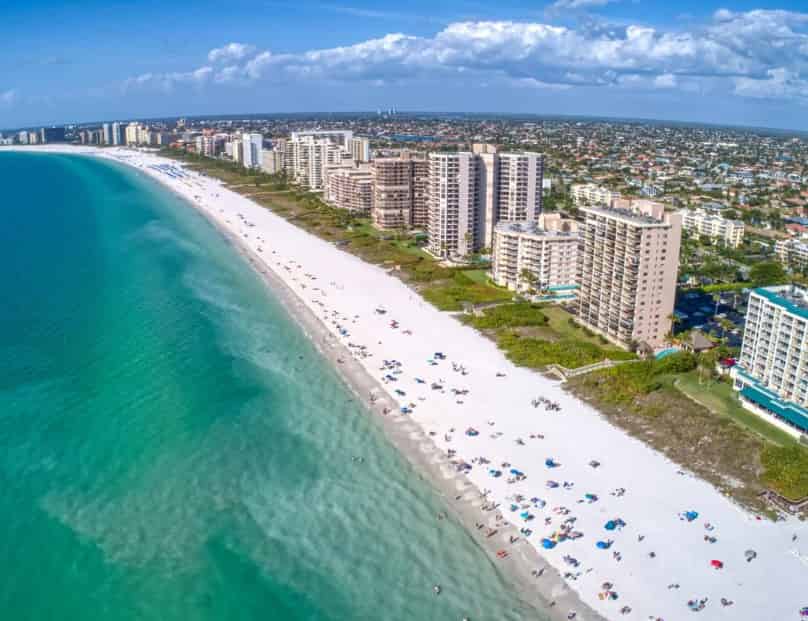
The western coastline of the island is its most famous feature. Tigertail Beach is a must-visit for travelers. Located on the northern end, it offers a unique lagoon experience where visitors can wade across shallow waters to reach a rugged, undeveloped sandspit. This area is world-renowned for shelling and birdwatching. Further south, South Marco Beach provides a more traditional beach experience with wide stretches of white sand and easy access to local amenities.
The Ten Thousand Islands Wilderness
To the south of the island lies one of the most ecologically significant areas in Florida. The Ten Thousand Islands are a maze of water and mangroves that serve as a nursery for diverse marine life. Travelers often take boat tours or kayak expeditions into this wilderness to spot manatees, dolphins, and rare birds. A popular destination within this region is Keewaydin Island, a primary barrier island located just north of Marco Island that is only accessible by boat and remains completely undeveloped.
Cultural and Historical Landmarks
While the island is known for its modern luxury, its location has been significant for thousands of years. The Marco Island Historical Museum explores the island’s past, specifically the history of the Calusa Indians who once thrived in these coastal waters. The geography of the island, with its high mounds and shell ridges, provided a strategic home for these ancient people, and visitors can still see the influence of this history in the island’s topography today.
Integrating Marco Island into a South Florida Travel Itinerary
Because of its southwestern location, Marco Island is often part of a broader exploration of the region. Its proximity to other major Florida landmarks makes it a versatile base for various types of trips.
Day Trips to the Everglades
A short 30-minute drive from the island brings travelers to the gates of the Everglades National Park. The location allows for easy day trips to explore the sawgrass prairies and cypress swamps that define the “River of Grass.” Airboat tours and swamp buggies are readily available in the nearby town of Everglades City, providing a sharp contrast to the refined beach atmosphere of the island.
Connection to the Florida Keys
Many travelers wonder about the relationship between Marco Island and the Florida Keys. While they are geographically distinct, they share a similar tropical climate. During the peak travel season, a high-speed ferry often operates between Marco Island and Key West, allowing visitors to travel across the Gulf of Mexico in about three and a half hours. This link makes it possible to experience the unique cultures of both the Paradise Coast and the Southernmost City in a single vacation.
Comparison with Northern Gulf Cities
Compared to cities like Tampa or the tourist hubs of Orlando, Marco Island offers a much more laid-back and nature-centric experience. Its southern latitude ensures warmer winters, making it a premier winter destination for those seeking to escape colder climates. The pace of life here is dictated by the tides and the sunset, a byproduct of its isolated geographic position at the end of the road.
The Unique Ecosystem of the Gulf of Mexico
The specific location of Marco Island on the Gulf of Mexico creates a marine environment unlike anywhere else in the United States. The water is generally calmer and warmer than the Atlantic Ocean, making it ideal for swimming, paddleboarding, and offshore fishing.
Marine Life and Shelling
The island is situated in a “sweet spot” for shelling. The currents of the Gulf of Mexico wash up an incredible variety of shells onto the shores of Marco Island and the surrounding sandbars. Rare finds like the Junonia shell are highly coveted by collectors who visit the area specifically for its coastal bounty. Furthermore, the Rookery Bay National Estuarine Research Reserve provides a protected habitat for nesting sea turtles and countless species of fish, ensuring that the waters remain vibrant and healthy.
Climate and Seasonal Travel
Positioned in the subtropical zone, the island’s location ensures year-round sunshine. The winter months are particularly popular, as temperatures remain mild while the rest of the country faces snow. Summer brings more humidity and afternoon thunderstorms, but it also offers the warmest water temperatures, perfect for snorkeling and diving. Understanding the seasonal shifts caused by its latitude is essential for any traveler looking to make the most of what Marco Island has to offer.
In summary, Marco Island is more than just a pin on a map; it is a geographic treasure located at the intersection of luxury and wilderness. Situated on the edge of the Gulf of Mexico in Collier County, it serves as the ultimate gateway to the Ten Thousand Islands. Whether arriving through Naples or crossing the Everglades National Park, travelers will find that the island’s unique location is the very thing that preserves its beauty and charm.
LifeOutOfTheBox is a participant in the Amazon Services LLC Associates Program, an affiliate advertising program designed to provide a means for sites to earn advertising fees by advertising and linking to Amazon.com. Amazon, the Amazon logo, AmazonSupply, and the AmazonSupply logo are trademarks of Amazon.com, Inc. or its affiliates. As an Amazon Associate we earn affiliate commissions from qualifying purchases.