
Marco Island, a jewel of the Ten Thousand Islands, is a premier destination nestled along Florida’s southwestern coast. This barrier island, the largest in the archipelago, offers a distinctive blend of natural beauty, upscale amenities, and a relaxed island atmosphere, making it a highly sought-after location for travelers seeking sun, sand, and serenity. Understanding its precise geographical placement is key to appreciating its unique appeal and planning a visit to this tropical paradise.
Geographical Placement and Coastal Significance
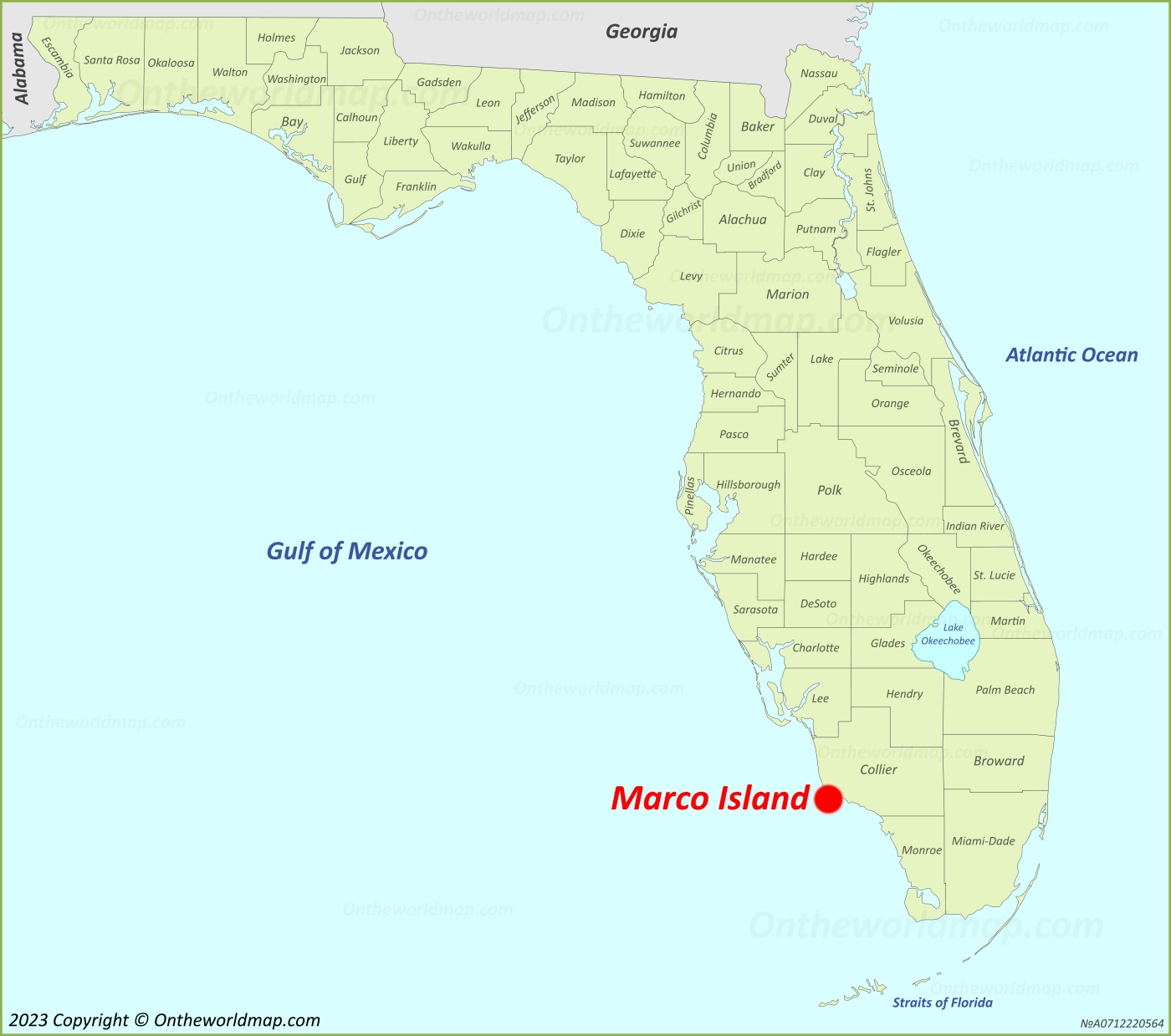
Marco Island is situated in Collier County, approximately 20 miles south of Naples and about 100 miles southwest of Miami. Its western edge directly faces the Gulf of Mexico, defining its stunning coastline and access to pristine beaches. To the east, the island is separated from the mainland by the Tidal Marshes and the network of waterways that form the Ten Thousand Islands. This unique position at the edge of the Everglades ecosystem provides not only breathtaking scenery but also unparalleled opportunities for nature exploration.
Proximity to Major Hubs
The island’s strategic location offers convenient access to major transportation networks. Southwest Florida International Airport (RSW) in Fort Myers is the closest major airport, located roughly 45 miles to the north, providing direct flights from numerous domestic and international cities. This accessibility makes Marco Island a viable option for weekend getaways and extended vacations alike. For those driving, Interstate 75 (I-75) offers a straightforward route to the region, with Exit 101 leading to State Road 951 (SR 951), which then connects to State Road 84 (SR 84), eventually guiding visitors onto the island via the main causeway.
Island Formation and Ecology
Marco Island is a naturally formed barrier island, shaped over millennia by the dynamic forces of the Gulf of Mexico and the Everglades. Its sandy beaches are composed of finely ground shell fragments, a testament to the rich marine life that surrounds it. The eastern side of the island is characterized by mangrove forests and tidal estuaries, which are crucial habitats for a diverse array of wildlife, including numerous bird species, fish, and marine mammals like dolphins. This ecological richness is a significant part of the island’s allure, attracting nature enthusiasts and eco-tourists.
Navigating Marco Island’s Landscape
Once you arrive, Marco Island itself is relatively easy to navigate. The island is connected to the mainland by a bridge, and its interior is crisscrossed by well-maintained roads. The main thoroughfares facilitate access to residential areas, commercial districts, and, most importantly, its numerous access points to the beaches and waterways.
Key Landmarks and Access Points
The South Beach area is perhaps the most iconic stretch of sand, known for its soft, powdery white beaches and calm waters. Tigertail Beach, located on the northern end, is a unique lagoon and sandbar system that offers exceptional shelling and birdwatching opportunities. For those interested in exploring the aquatic environment, numerous marinas and boat ramps provide access to the Intracoastal Waterway and the open Gulf. Popular departure points for boat tours and fishing charters include Rose Marina and Caxambas Pass Marina.
Island Dimensions and Layout
Marco Island spans approximately 24 square miles, with a significant portion dedicated to residential areas, resorts, and natural preserves. The island’s development has been carefully managed to preserve its natural beauty, with a focus on low-density housing and environmental protection. The central part of the island features a commercial hub with shops, restaurants, and services, while the perimeter is largely defined by its stunning coastline and the intricate network of canals and waterways that lace its interior.
Understanding the “Ten Thousand Islands” Context

Marco Island is not an isolated entity; it is an integral part of the Ten Thousand Islands region, a vast and ecologically significant area that stretches from just south of Naples to Everglades National Park. The “Ten Thousand Islands” is a misnomer, as there are actually over 100,000 islands, islets, and mangrove hummocks in this delta formed by the Everglades freshwater runoff meeting the saltwater of the Gulf of Mexico.
The Archipelago’s Charm
This unique geographical feature creates a labyrinth of shallow bays, mangrove tunnels, and coastal waters that are a haven for marine life and a paradise for boaters, kayakers, and anglers. Marco Island serves as a gateway to exploring this remarkable natural wonder. Visitors can charter boats or rent kayaks to venture into the maze of islands, seeking out secluded beaches, observing wildlife in its natural habitat, and experiencing the tranquility of this unspoiled environment.
Ecological Importance and Conservation
The Ten Thousand Islands are recognized for their critical role in coastal protection and as a nursery ground for many species of fish and shellfish. The dense mangrove forests act as a natural buffer against storm surges and erosion, while the clear, shallow waters provide essential feeding and breeding grounds. Conservation efforts are paramount in this region, and Marco Island’s commitment to environmental stewardship reflects the broader importance of preserving this unique ecosystem for future generations. Understanding Marco Island’s place within this larger context enhances its appeal as a destination that offers both recreational opportunities and a profound connection to nature.
Climate and Best Times to Visit
Marco Island enjoys a tropical climate, characterized by warm temperatures year-round and distinct wet and dry seasons. Its location in South Florida means it is generally sunny and pleasant, though it can experience tropical storms and hurricanes during the Atlantic hurricane season, which runs from June 1 to November 30.
Seasonal Considerations
The dry season, from November to April, is considered the peak tourist season. During these months, the weather is typically warm and sunny with lower humidity and minimal rainfall. This makes it ideal for outdoor activities like beachgoing, boating, and exploring the natural surroundings. The shoulder seasons, April to May and October to November, offer a good balance of pleasant weather and fewer crowds.
The wet season, from May to October, is characterized by higher temperatures and humidity, with afternoon thunderstorms being common. While these storms can be intense, they are usually short-lived and often followed by sunshine. This period can be an excellent time for budget-conscious travelers, as prices for accommodations may be lower, and the island is less crowded. However, visitors should be prepared for the potential for rain and higher humidity.
Connecting with the Local Culture and Activities
Beyond its natural beauty, Marco Island offers a vibrant local culture and a plethora of activities that cater to a wide range of interests. From gourmet dining and charming boutiques to water sports and wildlife encounters, there’s always something to explore.
Culinary Delights and Shopping
The island boasts a diverse culinary scene, with restaurants ranging from casual beachfront cafes to elegant fine-dining establishments. Fresh seafood is a specialty, with many venues offering locally caught fish and shellfish prepared in a variety of styles. Shoppers will find a selection of boutiques, art galleries, and souvenir shops offering unique items. The Esplanade Shoppes and Marco Walk Plaza are popular centers for retail therapy and dining.

Outdoor Adventures and Entertainment
Water sports are king on Marco Island. Kayaking through the mangrove tunnels of the Ten Thousand Islands, deep-sea fishing charters, dolphin-watching tours, and parasailing are just a few of the many options available. For those who prefer land-based activities, golf courses, tennis courts, and scenic bike paths offer further recreation. The island also hosts various events and festivals throughout the year, celebrating its rich heritage and vibrant community spirit. Exploring the island’s location on the map reveals not just its physical coordinates but a gateway to an unforgettable Florida experience.
LifeOutOfTheBox is a participant in the Amazon Services LLC Associates Program, an affiliate advertising program designed to provide a means for sites to earn advertising fees by advertising and linking to Amazon.com. Amazon, the Amazon logo, AmazonSupply, and the AmazonSupply logo are trademarks of Amazon.com, Inc. or its affiliates. As an Amazon Associate we earn affiliate commissions from qualifying purchases.