
Nestled in the striking landscape of western Colorado, Mesa County beckons travelers with its dramatic geological formations, rich history, and a diverse array of outdoor adventures. Situated in the Grand Valley, this expansive county is a gateway to some of the state’s most iconic natural wonders and offers a unique blend of rugged wilderness and growing cultural attractions. Understanding its location is the first step in unlocking the myriad experiences it offers to explorers, history enthusiasts, and nature lovers alike.
Geographic Positioning and Key Features
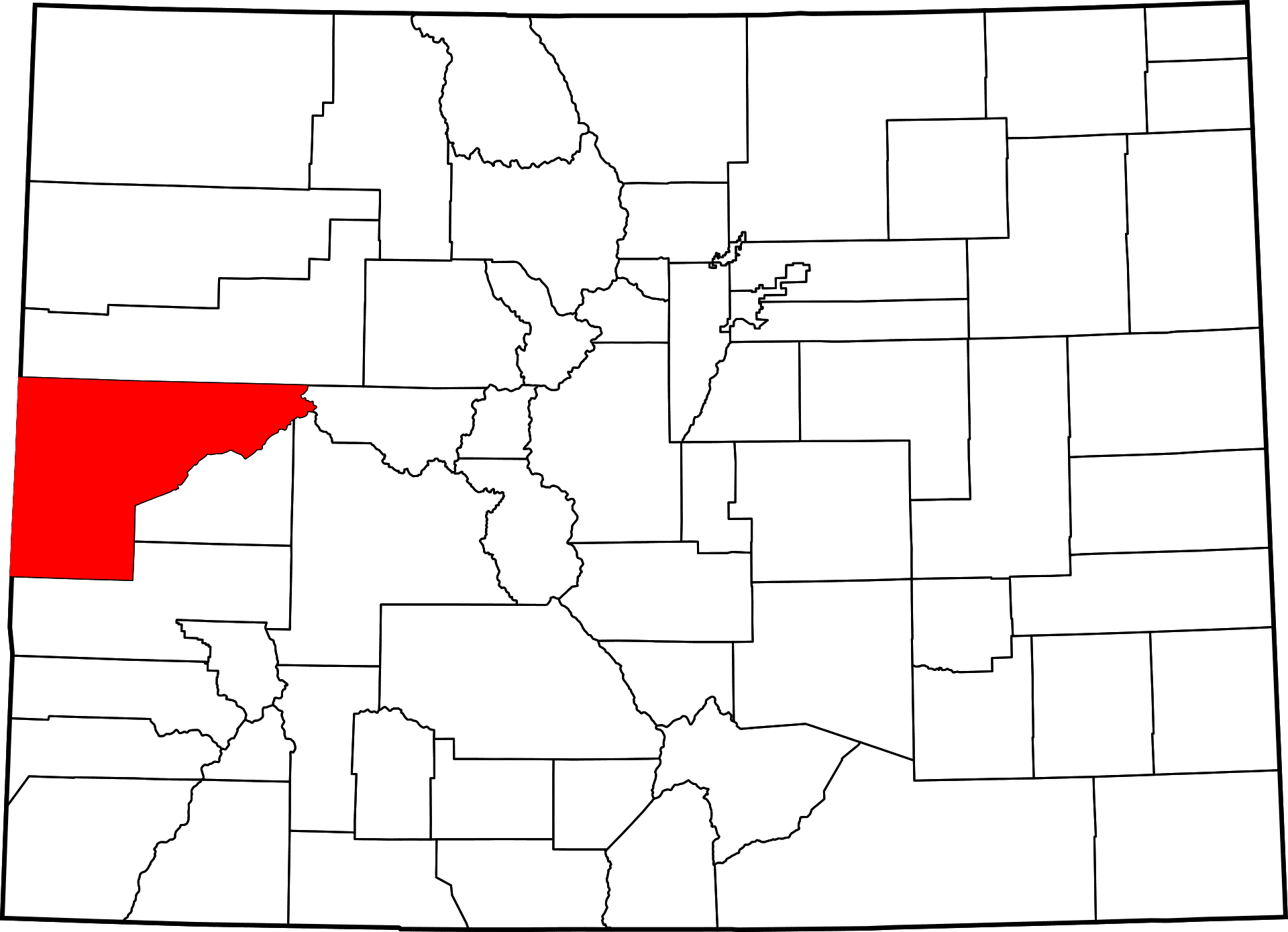
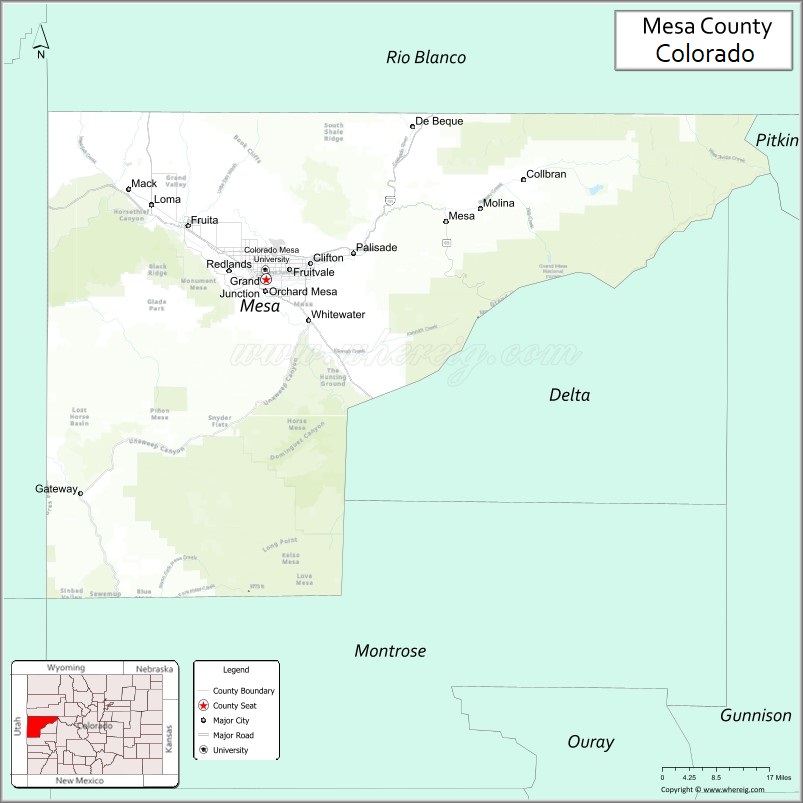
Mesa County is strategically located in the westernmost part of Colorado, bordering the state of Utah. Its defining feature is the Colorado River, which carves its way through the heart of the county, shaping the terrain and providing a vital water source for agriculture and recreation. The county’s elevation varies significantly, from the lower elevations of the Grand Valley floor to the high plateaus and mountain ranges that punctuate its horizons. This topographical diversity contributes to a varied climate and a remarkable range of ecosystems.
The Grand Valley: A Hub of Activity
The Grand Valley is the most populated and agriculturally significant area within Mesa County. It’s here that the county seat, Grand Junction, is located. The valley is characterized by fertile lands, thanks to the waters of the Colorado River, and is renowned for its fruit orchards, vineyards, and agricultural produce, particularly peaches and wine grapes. The valley floor also serves as the primary transportation corridor, with major highways like Interstate 70 passing through, making Grand Junction an accessible entry point for visitors.
Surrounding Natural Wonders
Beyond the immediate confines of the Grand Valley, Mesa County is a jumping-off point for explorations into some of Colorado’s most awe-inspiring natural landscapes.
Colorado National Monument
Perhaps the most famous natural landmark within Mesa County is the Colorado National Monument. This protected area boasts breathtaking red rock canyons, towering sandstone monoliths, and panoramic vistas that rival those found in more famous national parks. The scenic Rim Rock Drive offers an unforgettable journey through the monument, with numerous overlooks providing opportunities for photography and quiet contemplation of the sheer scale and beauty of the desert landscape. Hiking trails wind through the canyons, allowing visitors to immerse themselves in the unique geological formations and the resilient desert flora and fauna.
Dinosaur National Monument
While a portion of Dinosaur National Monument extends into Colorado, its main entrance and visitor center are located in Jensen, Utah, just a short drive west from Grand Junction. This paleontological treasure trove is famous for its Carnegie Quarry, which contains an astounding concentration of dinosaur fossils embedded in rock. The monument preserves a rich history of prehistoric life, offering a glimpse into a world millions of years ago through its fossil displays and the rugged canyonlands carved by the Yampa and Green Rivers.
Uncompahgre National Forest
To the south of the Grand Valley, portions of the vast Uncompahgre National Forest stretch into Mesa County. This forested mountainous region offers a dramatically different landscape from the desert canyons, with opportunities for hiking, camping, fishing, and wildlife viewing. The higher elevations provide cooler temperatures and a refuge for those seeking alpine adventures.
Gateway to Western Colorado Adventures
Mesa County’s location makes it a central hub for exploring the broader wonders of western Colorado. Its accessibility via Interstate 70 and the presence of Grand Junction Regional Airport make it an ideal starting point for road trips and fly-in vacations.
Hub for Outdoor Recreation
The diverse geography of Mesa County translates into an unparalleled range of outdoor recreational activities. From the arid, red-rock landscapes of the Colorado National Monument to the alpine meadows of the Uncompahgre National Forest, there’s an adventure for every season and every skill level.
Hiking and Biking

The trails within the Colorado National Monument are a hiker’s and biker’s paradise, offering routes ranging from easy strolls to challenging climbs. Beyond the monument, the Grand Valley boasts an extensive network of mountain biking trails, including popular spots like the 18 Road Trail System near Fruita, known for its flowy singletrack and challenging climbs. For more strenuous hiking, the Uncompahgre National Forest provides access to wilderness areas and summit climbs.
Water Sports
The Colorado River is a vital artery for recreation in Mesa County. Whitewater rafting and kayaking opportunities are abundant, with sections offering thrilling rapids and calmer stretches for scenic floats. The river also provides opportunities for fishing, and several local reservoirs, such as Vega State Park, offer opportunities for boating, swimming, and fishing.
Winter Activities
While known for its summer adventures, Mesa County also caters to winter enthusiasts. Ski resorts like Powderhorn Mountain Resort, located on the slopes of the Grand Mesa, offer downhill skiing and snowboarding. The Grand Mesa, the world’s largest flat-topped mountain, also provides opportunities for cross-country skiing and snowshoeing.
Connecting with Local Culture and History
Mesa County is not just about natural beauty; it also possesses a rich tapestry of human history and a vibrant local culture. The Grand Valley has been inhabited for thousands of years, and evidence of ancient civilizations and pioneer settlement can be found throughout the region.
Archaeological Heritage
The Ancestral Puebloans, a Native American culture, left their mark on Mesa County with numerous archaeological sites, including cliff dwellings and petroglyphs. Sites like Ute Indian Park and various locations within the Colorado National Monument offer glimpses into this ancient past. The Museum of Western Colorado in Grand Junction plays a crucial role in preserving and interpreting this heritage, housing artifacts and exhibits that tell the story of the region’s early inhabitants.
Pioneer and Mining History
The late 19th and early 20th centuries saw significant settlement in the Grand Valley, driven by agriculture and the pursuit of mineral wealth. The area’s mining history, particularly coal mining, is a significant part of its past. Towns like Fruita and Loma retain a sense of their frontier origins, and historical markers and museums offer insights into the lives of early settlers and the industries that shaped the county. The Colorado Welcome Center at Grand Junction often provides valuable information on historical sites and routes.
Agricultural Roots and Local Flavors
The agricultural heritage of the Grand Valley remains a strong component of Mesa County’s identity. The annual Colorado Fruit and Wine Festival celebrates the region’s bounty, offering visitors a chance to sample local wines, fruits, and other agricultural products. Driving through the valley, you’ll encounter numerous roadside stands and U-pick farms, providing a direct connection to the land and its produce. Local restaurants often feature farm-to-table menus, highlighting the fresh ingredients grown in the valley. The spirit of the West is palpable, blended with the modern influences of a growing community.
Understanding Mesa County’s Location within Colorado
To fully appreciate Mesa County, it’s essential to place it within the broader context of Colorado. It sits at the western edge of the state, a significant distance from the more densely populated Front Range corridor that includes cities like Denver and Colorado Springs. This remoteness contributes to its unique character, preserving a sense of wide-open spaces and a slower pace of life, while still offering modern amenities.
Travel Routes and Accessibility
The primary access point for Mesa County is Interstate 70, which runs east-west across the northern part of the county. Grand Junction is directly served by this major highway. For air travelers, Grand Junction Regional Airport (GJT) provides commercial flights, connecting the region to major hubs. Travelers coming from the east will traverse the stunning Glenwood Canyon before reaching the Grand Valley. Those coming from the south may access the area via scenic highways, often passing through the San Juan Mountains or the Uncompahgre National Forest.
Proximity to Other Destinations
While Mesa County offers a wealth of attractions, its location also makes it a convenient base for exploring other notable Colorado destinations. It’s a significant drive to Aspen or Vail, but within a few hours, visitors can reach areas like the Black Canyon of the Gunnison National Park or the gateway towns to Arches National Park and Canyonlands National Park in neighboring Utah. This strategic position allows travelers to craft multifaceted itineraries that encompass a wide range of western Colorado and Utah experiences.
In summary, Mesa County is a vibrant and geographically diverse region in western Colorado, defined by the majestic Colorado River, the dramatic landscapes of the Colorado National Monument, and the fertile Grand Valley. Its blend of natural wonders, rich history, and accessible adventure makes it a compelling destination for those seeking an authentic western Colorado experience.
LifeOutOfTheBox is a participant in the Amazon Services LLC Associates Program, an affiliate advertising program designed to provide a means for sites to earn advertising fees by advertising and linking to Amazon.com. Amazon, the Amazon logo, AmazonSupply, and the AmazonSupply logo are trademarks of Amazon.com, Inc. or its affiliates. As an Amazon Associate we earn affiliate commissions from qualifying purchases.