
When planning a getaway to the sun-drenched shores of Florida, many travelers find themselves confused by the distinction between the city of Miami and its famous neighbor, Miami Beach. While they are often mentioned in the same breath, they are geographically and administratively unique entities. Understanding the exact location of this iconic destination is essential for any traveler looking to experience the best of the Atlantic Ocean coastline.
The Geographical Positioning of Miami Beach
Miami Beach is a coastal resort city situated in Miami-Dade County. Rather than being part of the United States mainland, it is technically an island city. It is located on a series of natural and man-made barrier islands that separate the Biscayne Bay from the vast expanse of the Atlantic Ocean.
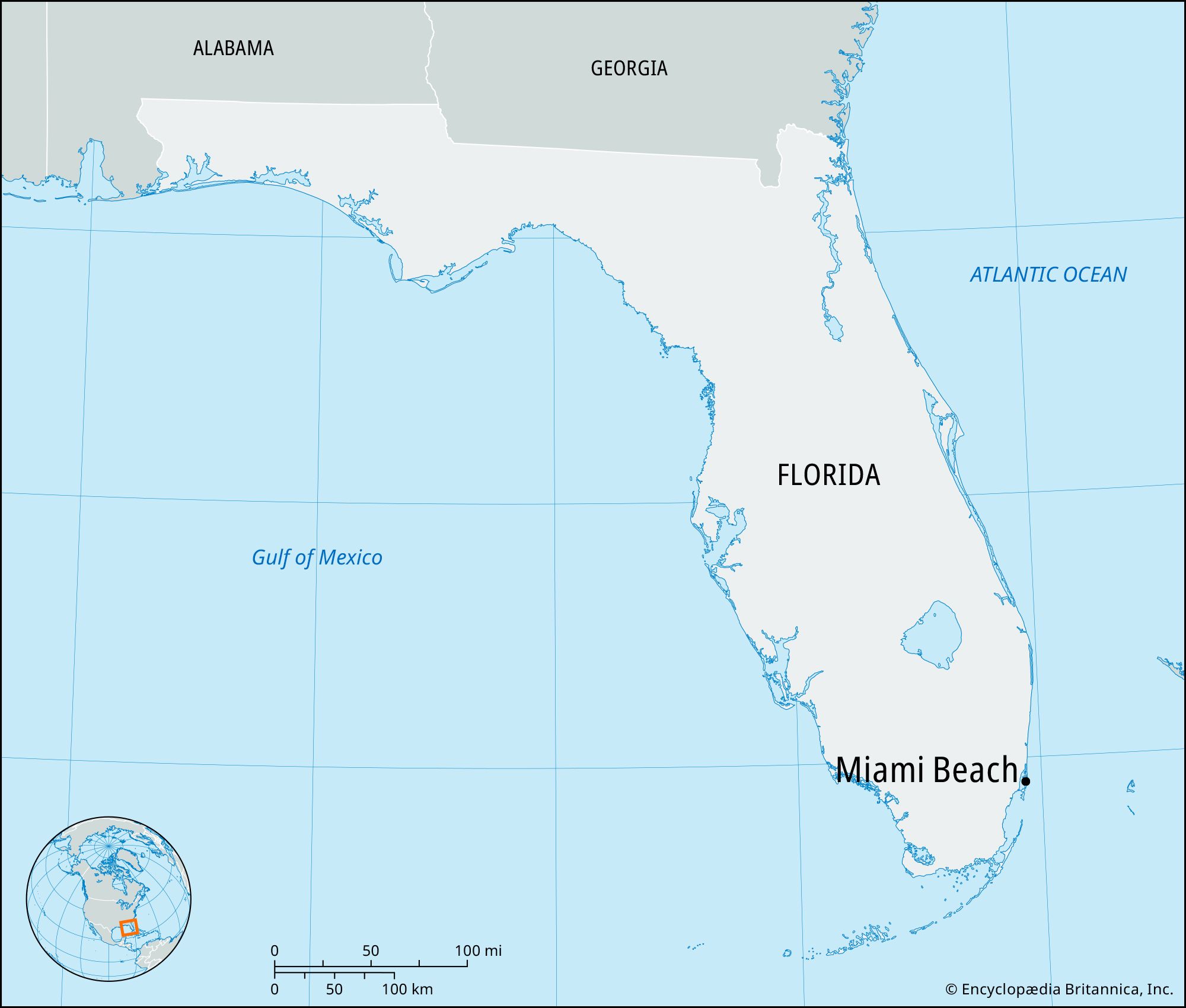
Barrier Islands and Connectivity
The island chain upon which the city sits is long and narrow, stretching roughly from the Government Cut in the south to the Haulover Inlet in the north. This strategic position creates a natural buffer between the deep waters of the ocean and the calmer, shallow waters of the bay. Connectivity to the mainland is achieved through a series of causeways, including the MacArthur Causeway, the Julia Tuttle Causeway, and the John F. Kennedy Causeway. These bridges allow travelers to move seamlessly between the high-energy urban core of Downtown Miami and the relaxed, seaside atmosphere of the islands.
Relation to Greater Miami
While the city of Miami sits on the mainland, Miami Beach faces it across the Biscayne Bay. This separation is what gives the city its distinct character. The mainland is defined by its skyline, financial district, and cultural institutions, while the barrier islands are defined by beach culture, historic architecture, and resort-style living. Understanding this layout is vital for choosing the right home base for your vacation.
Distinct Districts Within the Island
The city is not a monolithic entity; it is divided into several neighborhoods, each offering a different atmosphere and experience. Knowing where these districts are located helps travelers navigate the island with ease.
South Beach: The Cultural Heart
Often referred to simply as “SoBe,” South Beach occupies the southernmost portion of the island. This is where most tourists congregate, drawn by the world-famous Art Deco District. Located south of Dade Boulevard, this area is packed with historic hotels, trendy nightclubs, and direct access to the iconic sands of South Pointe Park.
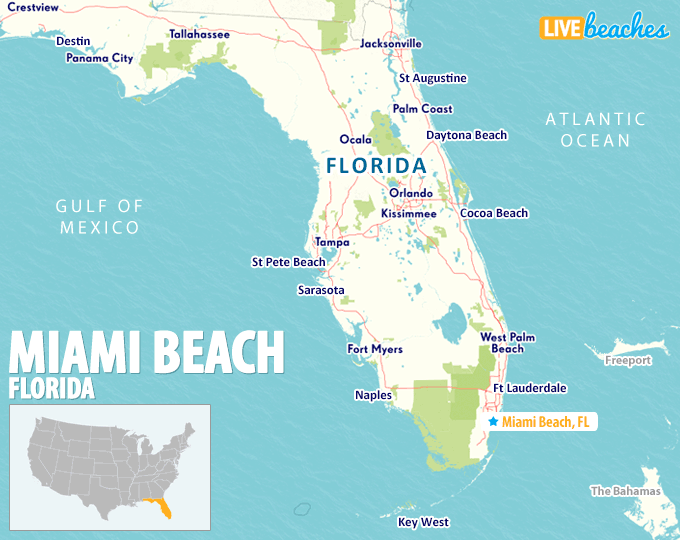
Mid-Beach and North Beach
As you travel north of 23rd Street, the atmosphere shifts from the high-octane energy of South Beach to the more refined, quiet, and residential vibes of Mid-Beach. Continuing further north into North Beach, the density decreases significantly. This area is characterized by wider beaches, lush parks like North Shore Open Space Park, and a more localized, laid-back charm that feels worlds away from the party atmosphere of the southern tip.
Proximity to Major Regional Landmarks
One of the primary benefits of Miami Beach as a destination is its relative proximity to other major attractions within South Florida. Because of the efficient bridge networks, visitors can easily bridge the gap between their beach lounge chair and the urban excitement of the surrounding regions.
Accessing the Mainland
The city acts as a gateway to the broader Miami metropolitan area. From the islands, you are only a short drive away from cultural hubs such as Wynwood, known for its massive outdoor murals and street art, and the Miami Design District, a destination for high-end fashion and contemporary art. Additionally, the Port of Miami is easily accessible, making it a primary hub for cruise ship travelers beginning or ending their voyages.
Traveling Further Afield
For those seeking an escape into nature or unique regional ecosystems, Miami Beach serves as a convenient starting point. A drive south leads to the Florida Keys, an archipelago that stretches deep into the tropics. Alternatively, heading west offers access to the vast wetlands of Everglades National Park, where visitors can witness an entirely different side of Florida wildlife.
Strategic Travel Tips for Location Awareness
To make the most of your stay in Miami Beach, it is important to understand how its location affects logistics. Because the city is built on a narrow barrier island, traffic flow can become a significant factor during peak seasons or major events.
Transportation Considerations
If your goal is to stay primarily on the island, a car is often unnecessary. South Beach is remarkably pedestrian-friendly, and the local Miami Beach Trolley provides a free and efficient way to traverse the length of the islands. However, if you plan to visit mainland locations like Little Havana or the Vizcaya Museum and Gardens, renting a car or utilizing ride-sharing services becomes a necessity.

Choosing Your Base Location
When selecting where to stay, consider the “vibe” associated with each location. If you want to be within walking distance of Ocean Drive and the vibrant nightlife, staying in South Beach is non-negotiable. If you prefer a tranquil retreat where you can hear the Atlantic Ocean waves from your balcony, Mid-Beach or the quieter northern reaches provide a much better experience. Regardless of your choice, being on the island ensures that you are never more than a few blocks from the water, which remains the defining feature of this world-class destination.
Ultimately, knowing that Miami Beach is an island city separated from Miami by the Biscayne Bay allows you to plan a more informed trip. Whether you are coming for the historic Art Deco District, the vibrant beach culture, or the convenience of being close to the urban excitement of the mainland, you now have the clarity to navigate this beautiful stretch of Florida coastline with confidence.
LifeOutOfTheBox is a participant in the Amazon Services LLC Associates Program, an affiliate advertising program designed to provide a means for sites to earn advertising fees by advertising and linking to Amazon.com. Amazon, the Amazon logo, AmazonSupply, and the AmazonSupply logo are trademarks of Amazon.com, Inc. or its affiliates. As an Amazon Associate we earn affiliate commissions from qualifying purchases.