
The question “Where is Miami Dade?” often arises for travelers intrigued by the vibrant allure of Miami and its surrounding splendors. While many envision Miami as a city unto itself, it is, in fact, the bustling heart of a much larger, incredibly diverse region: Miami-Dade County. This sprawling county, located at the southeastern tip of Florida, serves as a crucial gateway between the United States, Latin America, and the Caribbean. Far more than just a dot on a map, Miami-Dade is a dynamic tapestry woven with stunning natural landscapes, a rich cultural heritage, world-class entertainment, and an atmosphere that buzzes with an unmistakable energy. For any traveler contemplating an escape to sun-drenched beaches, an immersion in global cultures, or an adventure into unique ecosystems, understanding where Miami-Dade is, and what it encompasses, is the first step toward an unforgettable journey.

Pinpointing Miami-Dade: A Geographical Overview
To truly appreciate Miami-Dade as a travel destination, one must first grasp its geographical significance. Its location is not merely coincidental but foundational to its identity as a global crossroads and a premier tourist hub.
South Florida’s Jewel
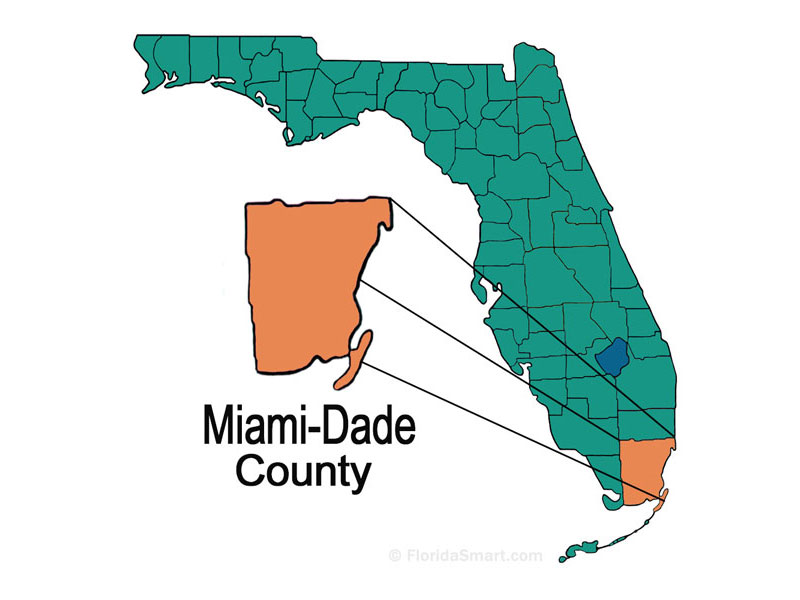
Miami-Dade County is strategically situated at the southernmost extreme of mainland Florida. It’s bordered to the east by the Atlantic Ocean, blessing it with miles of pristine coastline and direct access to major shipping lanes. To its west, it extends deep into the vast wilderness of the Everglades National Park, creating a unique juxtaposition of bustling urbanity and untouched nature. To the north, it shares a border with Broward County, home to Fort Lauderdale, and to the south, it transitions into the Florida Keys, a string of tropical islands stretching towards the Caribbean. This distinct positioning makes Miami-Dade a natural nexus for both domestic and international travelers.
The Hub of South Florida
As the most populous county in Florida, Miami-Dade is a sprawling metropolis encompassing 34 incorporated cities, many unincorporated communities, and vast natural preserves. Its county seat is the iconic city of Miami, a name synonymous with glitz, glamour, and a dynamic urban core. Beyond Miami itself, the county includes renowned locales such as Miami Beach, famous for its Art Deco Historic District and vibrant nightlife; Coral Gables, known for its Mediterranean Revival architecture and lush greenery; and Homestead, the agricultural heartland bordering the Everglades and Biscayne National Park. The sheer size and diversity within the county mean that a trip here can seamlessly blend urban exploration with natural adventures.
A Gateway to the Americas
Miami-Dade’s geographical position has profoundly shaped its identity as an international gateway. Miami International Airport (MIA) is one of the busiest in the United States, serving as a primary link for flights to and from Latin America and the Caribbean. Similarly, the PortMiami is recognized as the “Cruise Capital of the World,” launching millions of passengers on voyages across the high seas annually. This strategic global connectivity has fostered a unique multicultural environment within the county, evident in its languages, cuisines, music, and festivals, creating an enriching experience for any visitor.
Beyond the Map: The Allure of Miami-Dade as a Travel Destination
Once its geographical coordinates are understood, the true marvel of Miami-Dade as a travel destination begins to unfold. It’s a place where diverse attractions cater to every imaginable interest, ensuring that every traveler finds their niche.
Sun-Kissed Beaches and Coastal Wonders
The magnetic appeal of Miami-Dade largely stems from its exquisite coastline. South Beach in Miami Beach is perhaps the most famous, celebrated for its pastel-colored lifeguard stands, powdery white sands, and a lively scene of sunbathers and revelers. Beyond the glamour of South Beach, tranquil alternatives abound, such as the family-friendly shores of Sunny Isles Beach or the secluded beauty of Crandon Park and Bill Baggs Cape Florida State Park on Key Biscayne. Water sports enthusiasts will find endless opportunities for jet skiing, paddleboarding, snorkeling, and diving in the warm Atlantic waters. The marine life and coral reefs just offshore provide spectacular underwater vistas, making coastal exploration an integral part of the Miami-Dade experience.
A Kaleidoscope of Culture and Arts
Miami-Dade’s cultural landscape is as rich and varied as its population. A visit to Little Havana is a journey into the heart of Cuban culture, where the aroma of Cuban coffee, the rhythmic sounds of salsa, and lively domino games define the streetscape. The Wynwood Arts District, with its iconic Wynwood Walls and myriad of galleries, transforms urban blight into a canvas for street art and contemporary expression. Art lovers can explore institutions like the Pérez Art Museum Miami (PAMM), showcasing international modern and contemporary art, or the Phillip and Patricia Frost Museum of Science, an architectural marvel offering interactive exhibits and an impressive planetarium. The Adrienne Arsht Center for the Performing Arts regularly hosts Broadway shows, opera, ballet, and concerts, cementing Miami’s status as a cultural beacon.
Culinary Delights and Nightlife Vibrancy
The dining scene in Miami-Dade is a reflection of its diverse population, offering an extraordinary array of global flavors. From authentic Cuban sandwiches and savory empanadas to Michelin-starred fine dining establishments showcasing innovative fusion cuisine, the gastronomic journey here is endless. Seafood is naturally a highlight, with fresh catches forming the basis of many local specialties. As the sun sets, Miami-Dade truly comes alive. The nightlife is legendary, especially in South Beach and the Brickell area, where chic rooftop bars, pulsating nightclubs, and live music venues offer endless entertainment options. Whether seeking a sophisticated cocktail lounge or a high-energy dance floor, Miami-Dade delivers an unforgettable after-dark experience.
Exploring Miami-Dade’s Natural and Urban Tapestry
Beyond its beaches and cultural hubs, Miami-Dade presents a compelling blend of urban sophistication and wild natural beauty, offering a multifaceted travel experience.
Gateway to the Everglades and Biscayne National Park
One of Miami-Dade’s most unique attributes is its direct access to two national parks. To the west, the Everglades National Park offers an unparalleled opportunity to explore a vast subtropical wilderness, home to alligators, panthers, manatees, and an incredible array of bird species. Airboat tours, guided walks, and kayaking expeditions provide immersive ways to experience this “River of Grass.” To the east, largely underwater, Biscayne National Park protects a significant portion of Biscayne Bay and its offshore coral reefs. It’s a paradise for snorkeling, diving, and boating, offering a glimpse into vibrant marine ecosystems and historical shipwrecks. These natural treasures underscore Miami-Dade’s commitment to preserving its ecological heritage while making it accessible to visitors.
Dynamic Neighborhoods and Districts
The expansive nature of Miami-Dade County means that each neighborhood offers a distinct flavor and appeal. Downtown Miami pulsates with skyscrapers, government buildings, and cultural institutions, while the adjacent Brickell district is a burgeoning financial hub known for its luxury condominiums, upscale dining, and vibrant nightlife. Coconut Grove, Miami’s oldest continuously inhabited neighborhood, exudes a bohemian charm with its lush parks, bayfront views, and independent boutiques. Coral Gables impresses with its meticulously planned architecture, grand boulevards, and attractions like the Biltmore Hotel and the Venetian Pool. Exploring these diverse districts is like traversing different worlds within one dynamic county.
Family-Friendly Adventures and Sports
Miami-Dade is also an excellent destination for family travel and sports enthusiasts. Zoo Miami, one of the largest and oldest zoos in Florida, offers expansive natural habitats for animals from around the globe. The Miami Seaquarium provides interactive marine animal shows and educational exhibits. Sports fans can catch a game featuring Miami’s professional teams, including the NBA’s Miami Heat, the NFL’s Miami Dolphins, or MLB’s Miami Marlins, offering high-energy entertainment for all ages.
Planning Your Journey to Miami-Dade
Embarking on a trip to Miami-Dade requires some practical considerations to ensure a smooth and enjoyable travel experience.
Accessibility and Transportation
Accessing Miami-Dade is straightforward, primarily through Miami International Airport (MIA), a major international hub with extensive connections. Travelers can also arrive via cruise at PortMiami or by car via interstate highways. Once in the county, a variety of transportation options are available. While public transportation includes the Metromover in Downtown Miami, the Metrorail, and Metrobus, many visitors opt for car rentals to explore the vast county at their leisure. Ride-sharing services are also widely available, providing convenient local transport.
Best Time to Visit
The ideal time to visit Miami-Dade is during its dry season, from November to April, when temperatures are pleasant (typically in the 70s Fahrenheit) and humidity is lower. This period also coincides with peak tourist season, meaning higher prices and larger crowds. The summer months (June to September) are hot, humid, and prone to afternoon thunderstorms, as well as being hurricane season. However, this off-peak period can offer better deals on accommodations and fewer crowds at attractions.

Essential Travel Tips
When packing for Miami-Dade, lightweight clothing, swimwear, and comfortable walking shoes are essential. Sun protection—sunscreen, hats, and sunglasses—is crucial year-round. Given the diverse cultural tapestry, an open mind and a willingness to explore different culinary traditions and neighborhoods will significantly enhance your experience. While English is widely spoken, learning a few basic Spanish phrases can be beneficial, particularly in areas like Little Havana. Always stay aware of your surroundings, especially in crowded tourist areas, and utilize hotel safes for valuables.
In conclusion, “Where is Miami-Dade?” is a question that opens the door to discovering one of Florida’s most dynamic and exciting travel destinations. Nestled at the confluence of urban energy, natural splendor, and rich cultural traditions, Miami-Dade County offers an unparalleled mosaic of experiences for every type of traveler. From its iconic sun-drenched beaches and vibrant nightlife to its world-class art scene and unique access to national parks, Miami-Dade is more than just a location—it’s an unforgettable journey waiting to be explored.
LifeOutOfTheBox is a participant in the Amazon Services LLC Associates Program, an affiliate advertising program designed to provide a means for sites to earn advertising fees by advertising and linking to Amazon.com. Amazon, the Amazon logo, AmazonSupply, and the AmazonSupply logo are trademarks of Amazon.com, Inc. or its affiliates. As an Amazon Associate we earn affiliate commissions from qualifying purchases.