
Midtown Manhattan, a vibrant and iconic heart of New York City, is not a single point on a map but rather a sprawling district defined by its towering skyscrapers, bustling avenues, and unparalleled energy. For visitors and even seasoned residents, understanding the boundaries and character of Midtown is key to navigating its diverse offerings, from world-class entertainment to essential business hubs. This guide aims to demystify the geographical and cultural essence of this indispensable New York neighborhood, providing a clear perspective on its location and significance.
Defining the Geographical Scope of Midtown
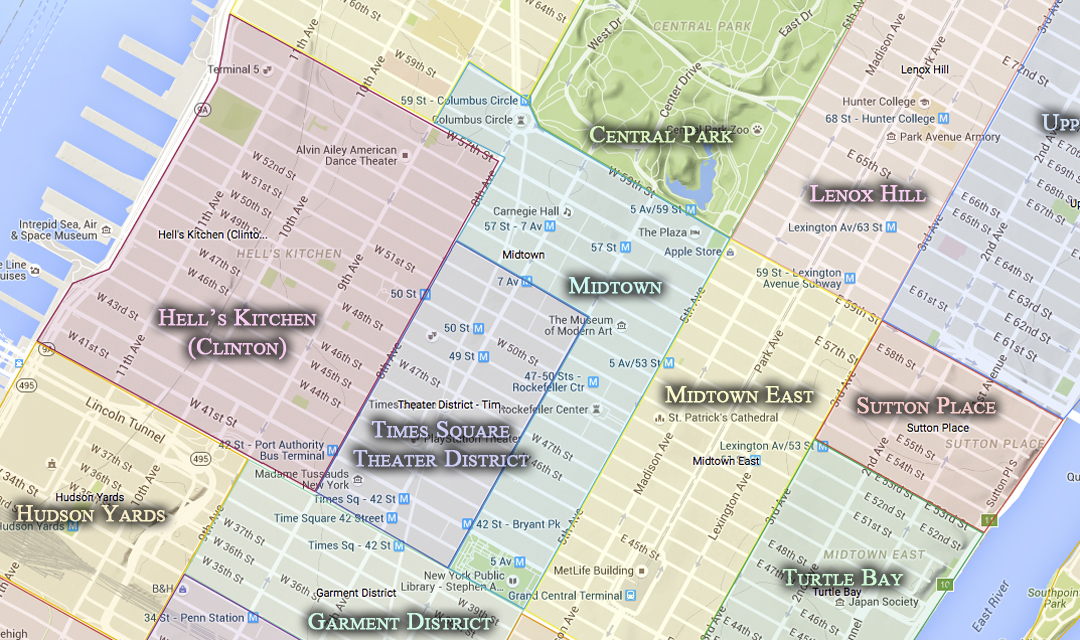
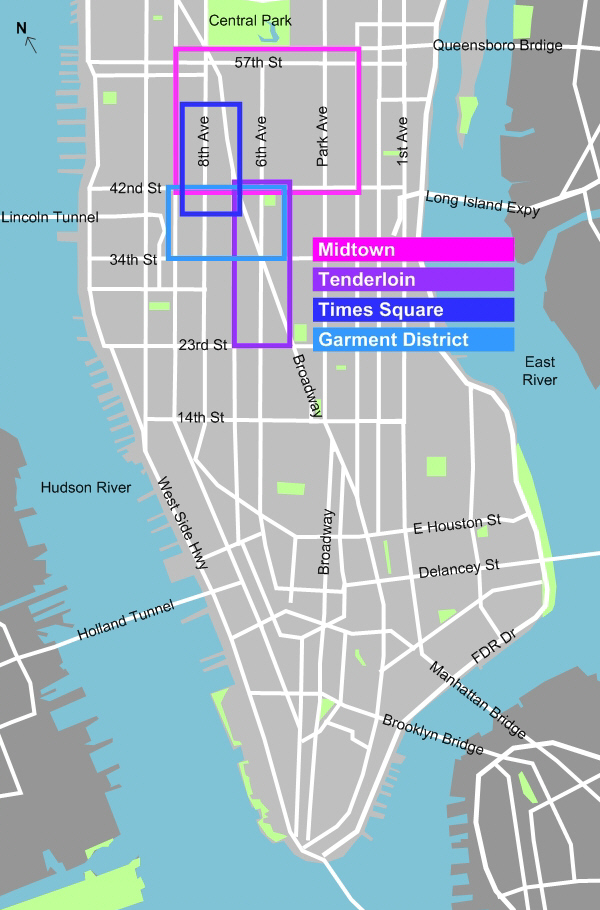
Geographically, Midtown Manhattan is generally understood to encompass the area stretching from approximately 34th Street in the south up to 59th Street in the north. To the west, it is bordered by the Hudson River, and to the east by the East River. This central stretch of Manhattan is further dissected by its famous avenues, with Fifth Avenue often considered a central spine, dividing the district into East Midtown and West Midtown.
Southern Boundaries and Key Crossings
The southern edge of Midtown is marked by 34th Street, a bustling thoroughfare connecting the city’s west and east sides. Here, one can find major landmarks like the Empire State Building and the iconic Macy’s Herald Square. The Lincoln Tunnel entrance on the west side and the Queens-Midtown Tunnel on the east side also punctuate this southern boundary, serving as crucial arteries for traffic entering and exiting Manhattan.
Northern Limits and Park Avenue’s Influence
As you move north, 59th Street serves as the generally accepted northern boundary, transitioning into the upscale residential and cultural district of the Upper East Side and the vast expanse of Central Park. Grand Central Terminal, a masterpiece of Beaux-Arts architecture, sits at the heart of East Midtown, along 42nd Street, a landmark that is as much a transportation hub as it is a destination in its own right. Park Avenue, with its prestigious addresses and tree-lined median, defines the elegance of East Midtown, while West Midtown’s character is shaped by the development and vibrancy of areas like Times Square.
West Midtown and its Distinctive Character
West Midtown is a realm of dazzling lights, theatrical marquees, and a palpable sense of entertainment. Times Square, at the intersection of Broadway and Seventh Avenue, is its undeniable epicenter, a sensory explosion of digital billboards and constant activity. The Theater District, home to the legendary Broadway shows, also falls within this sector. Further west, the avenues near the Hudson River have seen significant redevelopment, transforming former industrial zones into modern residential and commercial spaces.
East Midtown: Business and Elegance
East Midtown, conversely, exudes an air of corporate power and refined elegance. Dominated by financial institutions, corporate headquarters, and luxury retail, it is a district of immense economic activity. The presence of the United Nations Headquarters in the vicinity of First Avenue and 42nd Street adds a significant international dimension to this part of Midtown. Architectural marvels like the Chrysler Building grace the skyline, embodying the Roaring Twenties’ ambition and design.
The Heartbeat of Commerce and Culture
Midtown’s significance extends far beyond its geographical coordinates. It is the undisputed commercial, financial, and entertainment capital of New York City, attracting millions of visitors and commuters daily. The sheer density of iconic landmarks, world-class businesses, and cultural institutions makes it a microcosm of the city’s dynamic spirit.
Business and Finance Hubs
Midtown is home to the headquarters of numerous multinational corporations, financial institutions, and media companies. The presence of the New York Stock Exchange (though technically just south in the Financial District, its influence permeates Midtown), along with major banks and investment firms, solidifies its status as a global financial powerhouse. This concentration of economic activity fuels the district’s ceaseless energy and contributes to its distinctive skyline, dotted with some of the tallest buildings in the world.
Entertainment and Theatrical Capital
For theater lovers, Midtown is synonymous with Broadway. The Theater District, a vibrant part of West Midtown, pulsates with the magic of live performance. From critically acclaimed dramas to elaborate musicals, the stages of Broadway offer an unparalleled entertainment experience. Beyond the theaters, Radio City Music Hall, Madison Square Garden, and numerous concert venues host a continuous stream of performances, sporting events, and public gatherings, ensuring there is always something happening in Midtown.

Retail and Dining Experiences
Midtown boasts some of the world’s most prestigious shopping destinations. Fifth Avenue is renowned for its luxury boutiques, department stores like Saks Fifth Avenue, and flagship stores of international brands. Herald Square, anchored by Macy’s, offers a more diverse retail experience. The culinary landscape is equally impressive, with an extensive range of dining options catering to every palate and budget, from quick-service eateries to Michelin-starred restaurants.
Iconic Landmarks Within Midtown
Midtown is a treasure trove of the world’s most recognizable landmarks, each with its own unique story and architectural significance. These structures are not just buildings; they are symbols of New York City‘s ambition, innovation, and enduring spirit.
Architectural Marvels
The Empire State Building, an Art Deco masterpiece, stands as an enduring symbol of New York City‘s resilience and ambition. Its observation decks offer breathtaking panoramic views of the cityscape. The Chrysler Building, with its distinctive crown and gargoyles, is another Art Deco gem that defines the East Midtown skyline. The modern architectural achievements are equally striking, with the sleek glass towers of the Bank of America Tower and the One Vanderbilt adding contemporary flair to the urban panorama.
Cultural and Public Spaces
Grand Central Terminal is more than just a transportation hub; it’s a magnificent public space, a testament to the grandeur of a bygone era. Its celestial ceiling and bustling concourse are sights to behold. Bryant Park, a beloved urban oasis nestled behind the New York Public Library, offers a tranquil escape from the city’s hustle and bustle, hosting seasonal events and providing a green respite for workers and visitors alike. The New York Public Library itself, with its iconic lions guarding the entrance, is a sanctuary of knowledge and a beautiful architectural landmark.
Entertainment Venues
Times Square, often referred to as the “Crossroads of the World,” is an electrifying spectacle of lights, billboards, and perpetual motion. It is the vibrant heart of the Theater District and a must-see for any visitor. Madison Square Garden, the legendary indoor arena, is a mecca for sports fans and concert-goers, hosting major league games and performances by global superstars. Radio City Music Hall, an Art Deco marvel, is famous for its elaborate stage shows and the iconic Rockettes.
Navigating and Experiencing Midtown
Understanding where Midtown is located is the first step to fully appreciating its immense offerings. Its central position within Manhattan makes it highly accessible, and its sheer density of attractions ensures that exploration can fill days, if not weeks.
Transportation and Accessibility
Midtown is exceptionally well-served by public transportation. The New York City Subway system has numerous lines running through the district, with major hubs at Times Square-42nd Street, Grand Central-42nd Street, and Penn Station. Metro-North Railroad also arrives and departs from Grand Central Terminal, connecting New York City to the suburbs. Taxis and ride-sharing services are abundant, though traffic can be challenging. Walking is often the most enjoyable way to discover the hidden gems and soak in the atmosphere of Midtown.
Planning Your Visit
When planning a visit to New York City, allocating sufficient time for Midtown is essential. Consider grouping attractions by proximity to maximize your exploration. For instance, a day could be dedicated to the Theater District and Times Square, followed by an evening show. Another day might focus on the architectural marvels like the Empire State Building and the Chrysler Building, perhaps combined with shopping on Fifth Avenue or a visit to Grand Central Terminal. Remember to book popular attractions and shows in advance, especially during peak tourist seasons.
Beyond the Tourist Trail
While the famous landmarks are undeniably captivating, Midtown also offers opportunities to delve deeper into the local culture. Explore the diverse culinary scene, from ethnic eateries in the Garment District to upscale dining in East Midtown. Seek out smaller galleries, independent bookstores, or enjoy a quiet moment in one of the neighborhood’s lesser-known parks. Engaging with the local rhythm and discovering personal favorites is key to a truly enriching Midtown experience.
In conclusion, Midtown Manhattan is a dynamic and multifaceted district that serves as the vibrant core of New York City. Its precise location, nestled between 34th and 59th Streets, only begins to describe its immense importance as a global center for business, culture, and entertainment. From its towering skyscrapers and iconic landmarks to its bustling avenues and hidden gems, Midtown offers an unforgettable urban adventure.
LifeOutOfTheBox is a participant in the Amazon Services LLC Associates Program, an affiliate advertising program designed to provide a means for sites to earn advertising fees by advertising and linking to Amazon.com. Amazon, the Amazon logo, AmazonSupply, and the AmazonSupply logo are trademarks of Amazon.com, Inc. or its affiliates. As an Amazon Associate we earn affiliate commissions from qualifying purchases.