
Montana, often lauded as “Big Sky Country,” is a state synonymous with untamed wilderness, dramatic landscapes, and a profound sense of freedom. While its vast expanse offers unparalleled opportunities for exploration and adventure, the question “Where Is Montana Fire?” rarely refers to a singular, static location. Instead, it delves into the dynamic, ever-present force of nature that shapes this rugged terrain: wildfires. These natural events are an integral part of the Montana ecosystem, influencing its ecology, wildlife, and even the human experience within its borders. Understanding the context of “Montana Fire” is crucial for any traveler or enthusiast seeking to appreciate the state’s raw beauty and its inherent challenges.
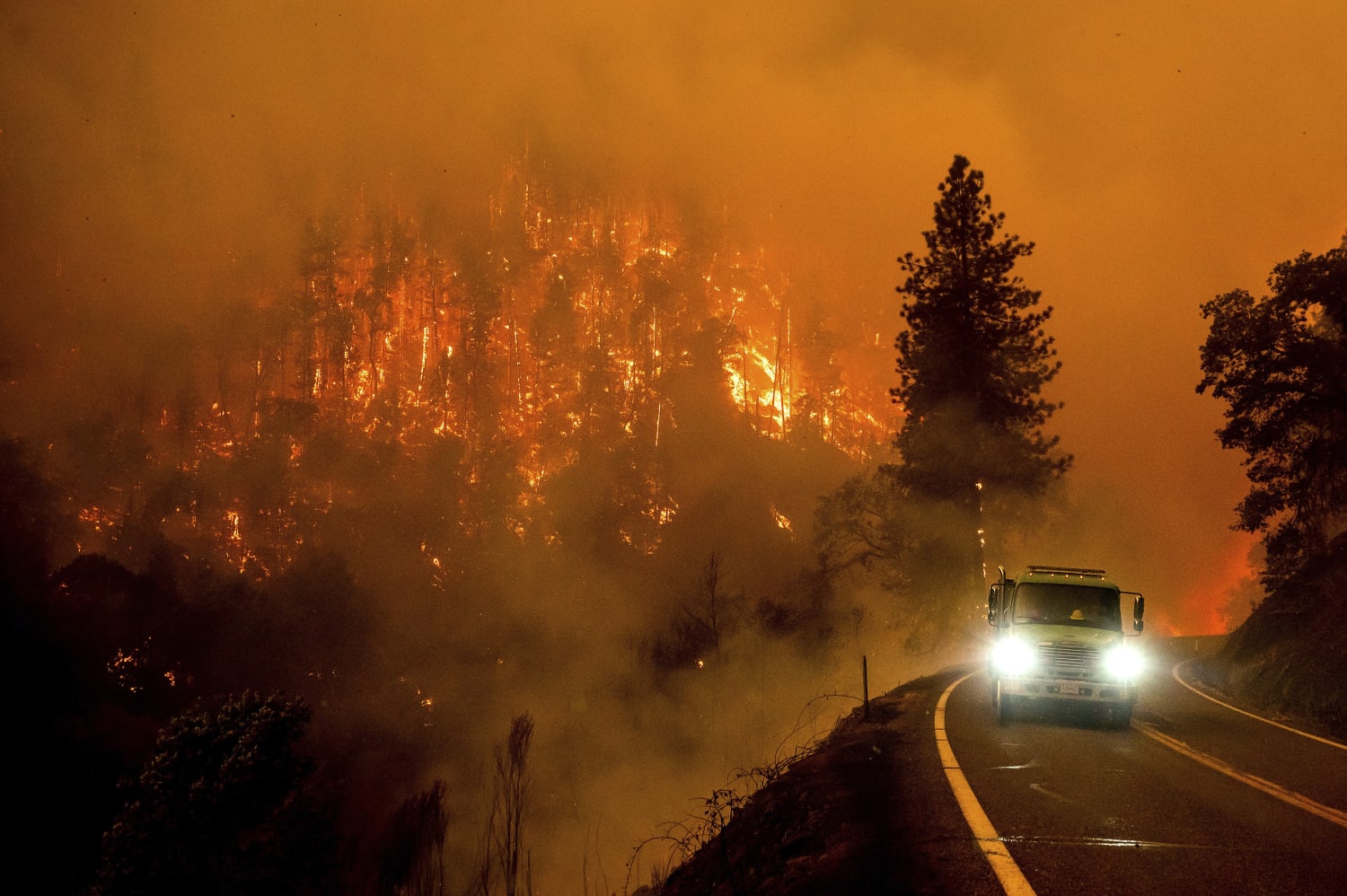
The Ecological Role of Wildfire in Montana
Wildfire is not merely a destructive phenomenon; it is a vital ecological process that has shaped the American West for millennia. In Montana, these fires play a critical role in maintaining the health and diversity of its forests, grasslands, and other natural habitats.
Natural Regeneration and Forest Health
Many of Montana’s native plant species are adapted to fire. For instance, the cones of certain pine trees, such as the lodgepole pine, require the intense heat of a wildfire to open and release their seeds. This process is essential for the regeneration of these forests, allowing new life to emerge from the ashes. Fire also plays a role in thinning dense stands of trees, reducing competition for resources like water and sunlight, which ultimately leads to healthier, more resilient forests. By removing deadwood and underbrush, wildfires can also reduce the risk of larger, more catastrophic fires in the future.
Shaping Ecosystems and Biodiversity
The mosaic of landscapes found across Montana is, in part, a result of recurring fire cycles. Different types of burns – from low-intensity ground fires that clear out vegetation to more intense crown fires that sweep through the canopy – create a variety of habitats. This diversity supports a wide range of wildlife, from large mammals like elk and deer, which benefit from the new growth that follows a fire, to smaller creatures and insects that thrive in the altered environments. The absence of fire in some ecosystems, due to suppression efforts, can lead to unnatural fuel accumulation and an increase in invasive species, disrupting the natural balance.
The Influence of Climate and Fuel Loads
Modern wildfire behavior in Montana, as in much of the West, is increasingly influenced by climate change and historical land management practices. Warmer temperatures, longer dry seasons, and increased frequency of lightning strikes create conditions that are more conducive to fire ignition and spread. Additionally, decades of aggressive fire suppression have led to an accumulation of dense vegetation and dead organic matter in many forests, creating super-sized fuel loads that can result in more extreme and unpredictable fires. Understanding these factors is key to grasping why certain areas are more susceptible to fire at any given time.
Locating Current Wildfire Activity in Montana
When the question “Where Is Montana Fire?” arises in the context of current events, it almost invariably refers to active wildfires impacting the state. Fortunately, numerous resources are available to track these dynamic situations, providing essential information for residents, travelers, and emergency personnel.
Official Fire Information Sources
The most reliable and up-to-date information on active wildfires in Montana comes from official government agencies.
InciWeb: The Incident Information System
InciWeb is a critical interagency all-risk incident information management system. It provides detailed information on large wildland fires and other significant incidents across the United States. For Montana, InciWeb offers maps, daily updates on fire containment, cause, acreage burned, and management objectives, as well as information on any evacuations or closures. Searching InciWeb for “Montana” will yield a comprehensive list of currently active incidents within the state.
Montana Department of Natural Resources and Conservation (DNRC)
The Montana DNRC is the primary state agency responsible for managing and protecting Montana’s forest resources. Their website often features an interactive fire map and provides localized updates, particularly for fires on state and private lands. They also issue fire weather warnings and public use restrictions when conditions warrant.
U.S. Forest Service and Bureau of Land Management (BLM)
Given that vast tracts of Montana are managed by the U.S. Forest Service and the BLM, their respective websites and regional offices are crucial sources of information. These agencies manage national forests and other public lands where many of the larger wildfires occur. They provide incident-specific details, incident management team assignments, and public safety messages.
Real-Time Fire Maps and Satellite Imagery
Beyond official incident reports, several online platforms offer real-time fire maps that utilize satellite data and other sources to visualize active fire perimeters and smoke plumes.
National Interagency Fire Center (NIFC)
The National Interagency Fire Center (NIFC) provides national fire statistics and situational awareness. Their fire maps can give a broader overview of fire activity across the region.
Georeferenced Fire Information (GeoMac)
GeoMac is a U.S. Geological Survey (USGS) project that provides near real-time fire location data. It is an excellent tool for visualizing fire perimeters and understanding their spatial extent.
Visible Satellite Imagery

Websites like the National Oceanic and Atmospheric Administration (NOAA) offer visible and infrared satellite imagery that can help identify smoke plumes and approximate fire locations, especially during daylight hours.
Impact of Wildfires on Montana Travel and Tourism
The presence of wildfires in Montana can significantly influence travel plans and the visitor experience. Understanding how to navigate these situations is paramount for a safe and enjoyable trip.
Planning and Preparation
The most critical aspect of traveling in Montana during fire season (typically late spring through fall) is proactive planning.
Checking Current Conditions
Before departing, travelers should always check the latest fire information from the sources mentioned above. This includes checking for any area closures in national forests or parks, such as Glacier National Park or the Yellowstone National Park areas that border Montana. Road conditions can also be affected by fire activity, with closures or detours being common.
Air Quality Alerts
Wildfires produce smoke, which can significantly degrade air quality over large areas. Travelers should monitor air quality indexes (AQI) for the regions they plan to visit. Websites like AirNow.gov provide real-time AQI data. Poor air quality can cause respiratory issues and make outdoor activities unpleasant or even dangerous. Visitors with pre-existing respiratory conditions should be especially cautious.
Flexibility in Itinerary
It is wise to build flexibility into your travel plans. If a particular area is experiencing heavy smoke or is subject to closures, having alternative destinations or activities in mind can prevent disappointment. Consider regions that are typically less prone to fire or are situated in areas less affected by current smoke patterns.
Navigating Fire-Affected Areas
If your travels take you near active fire areas, exercising caution and heeding all warnings is essential.
Respecting Closures and Evacuation Orders
Never enter areas that are closed due to wildfire activity. These closures are in place for the safety of the public and the emergency responders working to contain the fire. Evacuation orders are mandatory and must be obeyed immediately.
Driving Safely in Smoky Conditions
Visibility can be severely reduced in smoky conditions. Drivers should slow down, turn on their headlights, and be aware of potential hazards, including emergency vehicles and firefighters working along roadways. Reduced visibility can also impact the ability to see signage for detours or closures.
Choosing Accommodations Wisely
When booking accommodations in Montana, especially during fire season, it’s advisable to consider locations away from direct fire threats. Hotels and lodges in larger towns or cities may offer more stable environments, though they can still be affected by smoke. Always have a backup plan in case your intended accommodation becomes inaccessible due to fire-related issues.
Post-Fire Landscapes and Opportunities
While wildfires are often viewed through the lens of destruction, they also create unique opportunities and landscapes that can be appreciated by the adventurous traveler.
The Resilient Beauty of Burned Areas
After a wildfire, the landscape undergoes a dramatic transformation. While it may appear devastated initially, a closer look reveals the resilience of nature. New growth, often vibrant green, begins to push through the charred earth. The skeletal remains of trees create a stark, dramatic beauty. For photographers and nature enthusiasts, these post-fire landscapes can offer compelling and unique visual experiences. It is important to approach these areas with respect and to be aware of potential hazards, such as unstable trees (snags) or uneven terrain.
Opportunities for Wildlife Viewing
Ironically, areas that have recently experienced fire can become hotspots for wildlife viewing. Animals are often drawn to the fresh vegetation that sprouts after a burn. Elk, deer, and other herbivores are particularly attracted to the new shoots and grasses. Birdlife also returns to these areas, as insects that feed on burned vegetation become abundant. Observing wildlife in a recovering ecosystem can be a powerful reminder of nature’s enduring cycles.

Understanding Fire Ecology Through Education
For those interested in deepening their understanding of Montana’s natural processes, visiting areas that have experienced controlled burns or past wildfires, under the guidance of park rangers or educational programs, can be incredibly insightful. Many national parks and forests offer interpretive programs that explain the role of fire in the ecosystem, helping visitors appreciate the complex relationship between fire and the landscape. This can transform a potentially fearful perception of “fire” into one of ecological necessity and adaptation.
In conclusion, the question “Where Is Montana Fire?” is not about finding a fixed point on a map. It is about understanding the dynamic, ecological force of wildfire that shapes the rugged beauty of Montana. By staying informed, planning ahead, and approaching the landscape with respect, travelers can safely experience the wild, untamed spirit of this extraordinary state, even in the presence of its most potent natural phenomenon.
LifeOutOfTheBox is a participant in the Amazon Services LLC Associates Program, an affiliate advertising program designed to provide a means for sites to earn advertising fees by advertising and linking to Amazon.com. Amazon, the Amazon logo, AmazonSupply, and the AmazonSupply logo are trademarks of Amazon.com, Inc. or its affiliates. As an Amazon Associate we earn affiliate commissions from qualifying purchases.