
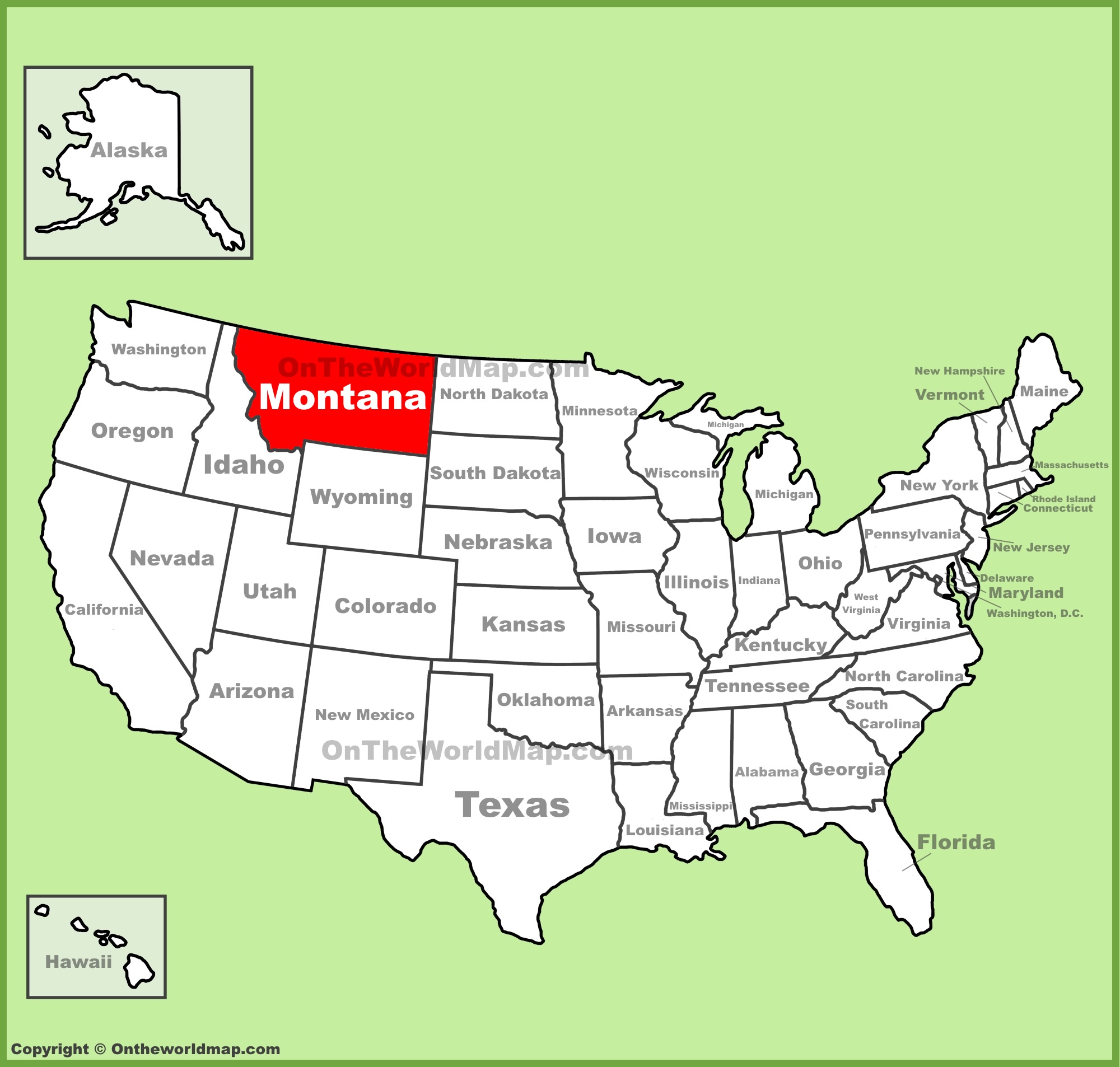
Montana, often heralded as the “Big Sky Country,” is a vast and captivating state nestled in the northwestern region of the United States. Its immense natural beauty, rugged landscapes, and rich history draw adventurers, nature enthusiasts, and those seeking an escape from the ordinary. To truly appreciate Montana, one must understand its geographical context within the broader United States and the unique characteristics that define it.
Geographical Placement and Borders
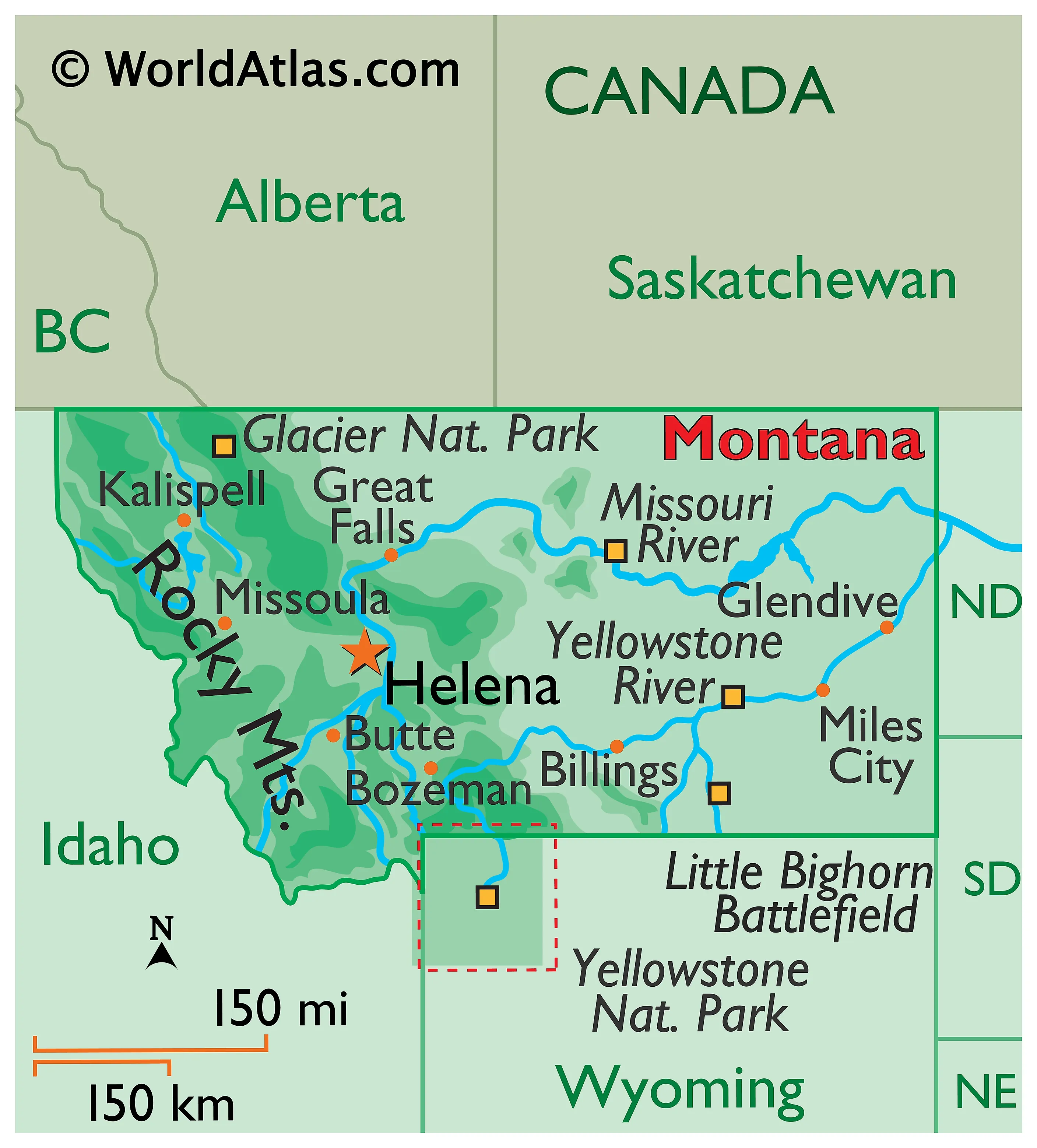
Montana is situated in the Mountain West region of the United States, sharing borders with several other states and even an international boundary. To its north lies Canada, specifically the provinces of British Columbia, Alberta, and Saskatchewan. This proximity influences its climate and cultural exchanges. To the east, North Dakota and South Dakota share its border, bringing a more prairie-like character to the eastern expanses. To the south, Wyoming and Idaho provide a rugged mountainous backdrop, echoing Montana’s own dramatic topography. Idaho also forms the western border, contributing further to the state’s mountainous terrain.

The sheer size of Montana is a defining feature. It is the fourth-largest state by area in the United States, covering approximately 147,040 square miles (380,831 square kilometers). This vastness translates into diverse ecosystems, from the towering peaks of the Rocky Mountains to the rolling plains of the east. Its capital city is Helena, a historic mining town, while its largest city is Billings, a hub for commerce and industry.
Understanding the Mountain West Context
Montana is an integral part of the Mountain West region, a geographical and cultural area characterized by its dramatic mountain ranges, wide-open spaces, and a spirit of independence. This region also includes states like Colorado, Utah, Wyoming, Idaho, Nevada, and New Mexico. Montana’s place within this context highlights its shared geological history, its reliance on natural resources, and its enduring connection to the American West. The landscape here is sculpted by ancient geological forces, with uplifted mountain ranges, expansive river valleys, and high-altitude plateaus.
Key Regions and Topography
Montana’s topography is remarkably diverse, largely divided into two major regions: the Rocky Mountains in the west and the Great Plains in the east. This geographical duality shapes its climate, flora, fauna, and the human activities that have taken root here.
The Western Rockies: Majestic Peaks and Alpine Lakes
The western third of Montana is dominated by the formidable Rocky Mountains. This is where some of the state’s most iconic natural wonders are found. Jagged peaks pierce the sky, their slopes cloaked in dense evergreen forests. Deep valleys carved by glaciers and rivers cradle pristine alpine lakes and meadows bursting with wildflowers in the summer months. This region is a haven for outdoor recreation, from challenging hiking and mountaineering to tranquil fishing and scenic drives.
Key mountain ranges within this area include the Absaroka Range, the Beartooth Mountains, and the Bitterroot Range. These ranges are part of the larger North American Cordillera, a vast system of mountain ranges stretching from Alaska to South America. The Continental Divide snakes its way through Montana’s western mountains, dictating which direction the rivers flow – some towards the Pacific Ocean, others towards the Atlantic Ocean via the Gulf of Mexico.
Iconic Mountain Destinations
Within the Rocky Mountains of Montana, several destinations stand out for their breathtaking beauty and recreational opportunities.
-
Glacier National Park: Perhaps Montana’s most famous natural treasure, Glacier National Park is a UNESCO World Heritage Site renowned for its dramatic glaciated landscapes, pristine lakes, and abundant wildlife. The iconic Going-to-the-Sun Road offers unparalleled views of snow-capped peaks, turquoise waters, and cascading waterfalls. Hiking trails range from easy strolls to challenging backcountry expeditions, allowing visitors to immerse themselves in the park’s grandeur.
-
Bozeman: Nestled in the Gallatin Valley at the foot of the Bridger Mountains, Bozeman is a vibrant city that serves as a gateway to world-class skiing at Big Sky Resort and Bridger Bowl. Its historic downtown offers a charming blend of Western heritage and modern amenities, with a lively arts scene, craft breweries, and excellent restaurants. The Museum of the Rockies is a notable attraction, boasting impressive dinosaur fossil collections.
-
Missoula: Situated in the heart of western Montana’s river valleys, Missoula is a lively college town known for its outdoor recreation and cultural offerings. The Clark Fork River flows through the city, providing opportunities for kayaking, rafting, and fly fishing. The surrounding mountains offer extensive hiking and biking trails, and the city itself boasts a thriving music and arts scene.
The Eastern Plains: Rolling Prairies and Big Sky Views
East of the Rocky Mountains, Montana transitions into the vast, undulating Great Plains. This region is characterized by sweeping grasslands, rolling hills, and an immense, unobstructed sky that gives the state its nickname. While seemingly flatter than the west, the plains possess their own rugged beauty and a profound sense of solitude. Rivers like the Yellowstone River and the Missouri River carve their paths through this landscape, supporting riparian ecosystems and providing vital water resources.
This part of Montana is deeply connected to its agricultural heritage, with ranches and farms dotting the horizon. The open spaces and dramatic sunsets are a hallmark of the plains experience.
Distinctive Plains Features
The eastern plains of Montana offer a different, yet equally compelling, kind of natural wonder.
-
Makoshika State Park: Located in southeastern Montana, Makoshika State Park is the state’s largest park. It features badlands formations, fossil-rich fossil beds, and rugged canyons, offering a stark contrast to the surrounding grasslands. Dinosaur fossils are frequently discovered here, and the park provides a glimpse into Montana’s prehistoric past.
-
Little Bighorn Battlefield National Monument: This historic site commemorates the Battle of the Little Bighorn, a pivotal event in American Indian Wars. The rolling hills and open terrain provide a somber yet powerful setting to reflect on this significant moment in history. Visitors can explore the battlefield, learn about the Lakota, Cheyenne, and Arapaho tribes, and understand the complexities of this conflict.
-
The Charles M. Russell National Wildlife Refuge: This expansive refuge, encompassing portions of the Missouri River Breaks, is a testament to Montana’s commitment to preserving its natural heritage. It protects a vast array of wildlife, including bison, elk, and a variety of bird species. The rugged terrain and remote beauty offer a true wilderness experience for those willing to venture off the beaten path.
Climate and Best Times to Visit
Montana’s vast size and varied topography result in a diverse climate. Generally, it experiences a continental climate with cold, snowy winters and warm, dry summers. However, significant variations exist between the mountainous west and the plains to the east.
Seasonal Variations
-
Spring (April-May): Spring in Montana can be unpredictable, with lingering snow in the mountains and blooming wildflowers in the valleys. Rivers begin to thaw, and wildlife becomes more active. It’s a beautiful time to visit for those who don’t mind cooler temperatures and potential snow at higher elevations.
-
Summer (June-August): Summer is the peak tourist season in Montana. Days are long and warm, ideal for outdoor activities. The mountains are accessible, lakes are inviting, and the plains are lush and green. However, be prepared for crowds, especially in popular areas like Glacier National Park.
-
Autumn (September-October): Fall brings a spectacular display of color to Montana’s forests as the leaves change to vibrant hues of red, orange, and gold. Temperatures are cool and crisp, and the crowds of summer have thinned, making it an excellent time for hiking and wildlife viewing.
-
Winter (November-March): Winter transforms Montana into a snow-covered wonderland, offering excellent opportunities for skiing, snowboarding, snowshoeing, and ice fishing. The Rocky Mountains receive significant snowfall, making them prime destinations for winter sports enthusiasts. However, many high mountain passes and roads may be closed due to snow.
Cultural and Historical Significance
Montana’s history is deeply intertwined with its natural landscape and the people who have called it home. From its Indigenous roots to its frontier past and its modern-day identity, the state offers a rich tapestry of cultural experiences.
Indigenous Heritage
Before European settlement, the lands that now constitute Montana were inhabited by numerous Native American tribes, including the Blackfeet, Crow, Salish, Kootenai, Gros Ventre, and Assiniboine. These tribes possessed deep spiritual and cultural connections to the land, developing unique traditions, languages, and ways of life shaped by the environment. Today, several Tribal Nations maintain reservations within Montana, preserving their heritage and contributing to the state’s vibrant cultural mosaic.
Frontier and Mining History
The 19th century saw Montana become a frontier territory, driven by the gold rush and the expansion of the American West. Prospectors flocked to the Montana Territory, establishing mining camps and boomtowns, many of which have since become historic sites or ghost towns. The rugged individualism and spirit of adventure that characterized this era continue to influence Montana’s identity. The development of railroads and the rise of cattle ranching further shaped the state’s economic and social landscape.
Modern Montana
Today, Montana is celebrated for its commitment to preserving its natural beauty and its quality of life. It attracts a diverse population, including artists, entrepreneurs, and those seeking a slower pace of life surrounded by unparalleled natural splendor. The state’s economy is supported by tourism, agriculture, mining, and a growing technology sector.
In essence, Montana’s location within the United States is not just a matter of coordinates on a map; it is a defining characteristic that shapes its identity, its landscapes, and its soul. From the soaring peaks of the Rockies to the endless horizons of the plains, Montana offers an experience of the American West that is both awe-inspiring and profoundly authentic.
LifeOutOfTheBox is a participant in the Amazon Services LLC Associates Program, an affiliate advertising program designed to provide a means for sites to earn advertising fees by advertising and linking to Amazon.com. Amazon, the Amazon logo, AmazonSupply, and the AmazonSupply logo are trademarks of Amazon.com, Inc. or its affiliates. As an Amazon Associate we earn affiliate commissions from qualifying purchases.